Stanbic Bank
Stanbic Bank
17.7 C
Kampala
Stanbic Bank
Stanbic Bank
Home Blog Page 9

BoU launches ESG and IFRS sustainability framework to transform Uganda’s financial sector

The Governor of the Bank of Uganda (BoU), Michael Atingi-Ego, has unveiled a major sustainability agenda aimed at aligning Uganda’s financial sector with global environmental, social and governance (ESG) standards, in a move designed to strengthen climate resilience and promote inclusive economic growth.

The initiative includes the IFRS S1 and S2 Capacity Building Project and a Tier IV ESG Framework, launched at the aBi Finance Partners Breakfast Meeting in Kampala. 

The programmes are being implemented in partnership with the Uganda Bankers’ Association (UBA) and the Association of Microfinance Institutions of Uganda (AMFIU) to deepen the adoption of sustainable finance across the sector.

Atingi-Ego said the introduction of IFRS S1 and S2 marks a major shift in how financial institutions will measure and report sustainability risks, particularly those linked to environmental and social factors. He explained that the standards are intended to help translate sustainability issues into financial information that can guide investment and regulatory decisions.

ā€œThe launch of this project ensures that Uganda’s financial sector will not only align with global sustainability standards but also position itself as a leader in shaping the future of sustainable finance,ā€ he said.

He noted that the reforms will improve transparency in the financial system and help stakeholders better understand how institutions are managing risks associated with the global transition to a low carbon economy.

The Governor also praised UBA and AMFIU for their role in advancing sustainable finance, saying collaboration between regulators and industry players remains essential for meaningful progress.

On the regulation of Savings and Credit Cooperative Organisations (SACCOs), Atingi-Ego said the Bank of Uganda is working on integrating larger SACCOs into its supervisory framework. He acknowledged that while SACCOs play a critical role in financial inclusion, many still operate without the formal systems required for central bank oversight.

ā€œWe have adopted what we would call a nurturing regulatory approach. This includes customised licensing requirements, targeted training, and hands on support to help SACCOs strengthen risk management, financial controls and governance systems,ā€ he said.

He added that formalisation would unlock several benefits for SACCOs, including access to regulatory oversight, improved financial reporting systems, and deposit protection of up to UGX 10 million through the Deposit Protection Fund of Uganda. SACCOs will also be integrated into the Credit Reference Bureau system and gain access to subsidised financing through facilities such as the Agricultural Credit Facility and the Small Business Fund.

ā€œThese reforms are designed to strengthen institutions while expanding financial inclusion and protecting savers,ā€ he added.

Speaking at the same event, aBi Finance Chief Executive Officer Mona Muguma Sebuliba called on stakeholders to focus on progress rather than perfection in implementing sustainability initiatives.

ā€œWe cannot afford to wait for perfection. What matters is that we keep moving forward,ā€ she said.

Sebuliba stressed that partnerships have been central to advancing Uganda’s sustainable agribusiness and finance agenda, noting that collaboration has delivered tangible results across the sector.

She highlighted achievements including the development of green taxonomies, the establishment of a Green Finance Fund, and the training of more than 2,000 credit officers across 120 financial institutions.

Over the past 16 years, aBi Finance partnerships have enabled more than 2.2 million smallholder farmers, 70 percent of them women, to access finance. The initiative has also contributed to the creation of over 300,000 jobs and unlocked nearly US$1.4 billion in additional lending to the agricultural sector, which is often considered high risk by commercial lenders.

The Breakfast Meeting brought together regulators, financial institutions and development partners, marking a shift from policy discussions to practical implementation of sustainability frameworks within Uganda’s financial sector.

With the rollout of IFRS S1 and S2 and expanded ESG integration, Uganda is positioning its financial system to embed sustainability at its core while supporting long term inclusive growth.

IFRS (International Financial Reporting Standards) refers to globally recognised accounting rules that ensure financial statements are transparent, consistent and comparable across countries.

Stories Continues after ad

Speke Resort Munyonyo maintains its top-notch status among five-star hotelsĀ 

Commonwealth Resort Munyonyo

Speke Resort Munyonyo has been ranked among Uganda’s elite five-star establishments in the latest Uganda Tourism Board (UTB) grading and classification of accommodation facilities released. 

The resort joins Kampala Serena Hotel, Lake Victoria Serena Golf Resort, and Sheraton Kampala Hotel at the top tier of Uganda’s hospitality sector, reflecting what regulators described as enhanced service delivery, improved infrastructure, and compliance with international tourism standards.

The Uganda Tourism Board said the new classification system is designed to improve service quality, guide investment decisions and strengthen Uganda’s competitiveness as a regional and global tourism destination.

Seventeen hotels were classified as four star establishments, while 23 were graded as three star and 59 as two star facilities, highlighting a structured hierarchy aimed at standardising service delivery across the industry.

Among the four star properties are Four Points by Sheraton Kampala, Hotel Africana, Protea Hotel by Marriott Kampala Skyz, Kabira Country Club, Bunyonyi Safaris Resort and Mestil Hotel.

UTB spokesperson John Simplicious Gessa said the grading exercise is carried out by a multi sector technical team that assesses accommodation facilities against established standards.

ā€œThis classification helps us anticipate the type of service a visitor can expect. With this system, clients are unlikely to be disappointed because each category has clearly defined requirements,ā€ Gessa said.

He added that the framework is intended to give both tourists and investors clarity on service expectations and market opportunities.

ā€œBy clearly defining the standards for each category, we are giving tourists certainty about what to expect while signalling to investors where opportunities lie. Grading ensures that services meet regional and international benchmarks, which raises Uganda’s profile as a reliable and competitive destination,ā€ he said.

Gessa further explained that the classification follows East African Community guidelines and is applied uniformly across hotels, lodges, motels and cottages, though standards vary depending on the type of facility.

ā€œA lodge may be excellent in its setting, but without features such as a standard reception or additional facilities, it cannot qualify for a five star rating. Each category is assessed based on its purpose and service scope,ā€ he noted.

He also emphasized that only licensed and fully operational facilities are eligible for assessment.

ā€œWe do not inspect facilities that are still under construction or those not legally authorized to host guests,ā€ Gessa said.

Under the UTB system, star ratings reflect the quality and range of services offered. One star establishments typically provide basic accommodation and meals, while two star facilities offer improved amenities such as en suite bathrooms.

Three star hotels are expected to have structured departments and stronger staffing levels, while four star establishments provide luxury furnishings, spacious rooms, 24 hour room service, porterage and coordinated interior design supported by high staff to guest ratios.

Five star properties, including Speke Resort Munyonyo, are required to offer world class accommodation standards, exceptional interior design, premium furnishings, highly trained staff and high quality dining services that meet international culinary benchmarks.

The classification also recognises broader hotel categories within the sector, including luxury city hotels, business hotels, resort hotels, boutique properties, lodges, motels and cottages, each assessed based on their function and service environment.

The grading exercise is anchored in Regulation 5(4) of the Uganda Tourism Classification of Accommodation Facilities and Restaurants Regulations, 2014, which seeks to assure consistency and quality assurance across Uganda’s hospitality industry.

According to sector data, Uganda has an estimated 3,850 hotels, though the Uganda Bureau of Statistics places the figure at about 6,000. The Uganda Hotel Owners Association argues that around 1,200 hotels are concentrated in Kampala, making the capital the country’s main hospitality hub.

Jean Byamugisha, the chief executive officer of the Uganda Hotel Owners Association, welcomed the grading exercise but raised concerns over the cost pressures facing operators.

She said hotels are dealing with multiple taxes and licensing fees that continue to strain investment and expansion.

ā€œThe tax burden has made it difficult for many small and mid range hotels to upgrade or expand in time for growing demand. Many operators are also unable to access affordable credit for refurbishment or new developments,ā€ she said.

She added that the association is advocating for tax consolidation to improve compliance and enhance sector competitiveness.

Despite the challenges, Uganda’s tourism sector continues to grow. 

The Tourism Development Programme Performance Report indicates that tourism earnings reached 4.8 trillion shillings, equivalent to #$1.28 billion, in 2024, representing a 26 percent increase from 2023 and surpassing pre-pandemic levels.

The government allocated Shs430 billion shillings for tourism development in the 2025 to 2026 financial year, reinforcing efforts to strengthen the sector’s recovery and long term growth.

Stories Continues after ad

Buganda Kingdom: Sovereignty Bill 2026 must be revised to protect cultural institutions and constitutional freedoms

Bulange-Mengo, the traditional headquarters of the Buganda Kingdom.

The Kingdom of Buganda has warned the Attorney General that the Draft Protection of Sovereignty Bill 2026 will unintentionally affect cultural institutions, legitimate development partnerships and civic participation in Uganda.

The submission, received on 28 April 2026 through the Ministry of Justice and Constitutional Affairs Security Registry, urges government and Parliament to carefully reconsider key clauses of the proposed legislation before it proceeds to its next stages. 

Buganda emphasized that its engagement is grounded in its constitutional mandate and is not intended as political opposition.

ā€œI write to respectfully submit the Kingdom of Buganda’s detailed concerns, observations and recommendations on the Draft Protection of Sovereignty Bill 2026 for your urgent consideration, before the Bill proceeds to its further stages in Parliament,ā€ the Kingdom stated.

The Kingdom further clarified its position, stressing its continued partnership with Government in national development efforts.

ā€œThese submissions are not partisan politics in nature and are not made in opposition to the Government of the Republic of Uganda. On the contrary, the Kingdom of Buganda regards itself as a partner of the government in national development,ā€the letter reads.

At the centre of Buganda’s concerns is the proposed definition of foreigner and agent of a foreigner which the Kingdom argues is too broad and could wrongly capture Ugandan citizens in the diaspora as well as constitutionally recognised cultural institutions that engage with international partners.

The Kingdom observed that citizenship should be determined by law and not by place of residence, warning that Ugandans living abroad remain citizens regardless of where they reside. It further noted that millions of Ugandans in the diaspora maintain strong cultural, familial, and economic ties with Uganda and contribute significantly to development initiatives.

Buganda also warned that its own programmes, many of which receive support from international development partners and Ugandans abroad, could be misclassified under the proposed law. It cited cultural and community initiatives that rely on voluntary contributions, including fundraising events and development programmes across sectors such as health, education, agriculture, and cultural heritage.

ā€œTo label such contributions as ā€˜foreign funding’ and to designate family members back home as agents of foreigners is a profound injustice,ā€the Kingdom stated.

Buganda Kingdom urged that cultural institutions be explicitly exempted from such classifications.

The Kingdom recommended that the Bill should clearly distinguish between foreign political interference and legitimate cultural or civic engagement, warning that the current wording risks exposing lawful advocacy to criminal liability.

It further expressed concern that Clauses 7 and 8 of the Bill could restrict cultural institutions from engaging in public discourse on matters of governance and development, particularly where such engagement is supported by external partners. 

Buganda noted that it has historically engaged government on issues such as land rights, education, health, agriculture, and cultural preservation, which it considers part of its constitutional role.

Attention was also drawn to Clause 13 on economic sabotage, which the Kingdom described as overly broad and lacking clear legal thresholds. It warned that the provision could be used to criminalise legitimate expression of opinion or policy criticism.

A Kingdom official, it noted, could be exposed to prosecution simply for raising concerns about the impact of a government project on local communities, even where such concerns are made in good faith. Buganda therefore called for a clearer definition that limits the offence to deliberate acts undertaken with proven intent to destabilise the economy in furtherance of foreign interests.

The submission also raised concern over the severity of penalties under the Bill, describing them as excessively harsh and potentially inconsistent with constitutional guarantees of freedom of expression and participation in public affairs.

Particular concern was expressed over Clause 22, which sets a threshold of Ugx 400 million for disclosure of foreign funding. Buganda argued that this threshold is unrealistic for cultural institutions and community development programmes that depend on periodic external support.

The Kingdom warned that provisions allowing for heavy fines, imprisonment, and forfeiture of funds could negatively affect social development programmes, particularly those aimed at improving livelihoods in health, education, and cultural preservation.

Buganda further urged Government to exempt constitutionally recognised traditional institutions and their affiliated entities from registration and reporting requirements under the Bill, arguing that such obligations would create administrative burdens that could hinder their operations.

The Kingdom called for a balanced approach that safeguards Uganda’s sovereignty while preserving the constitutional role of cultural institutions in national development.

It urged Parliament to carefully refine the Bill to ensure it strengthens national interests without unintentionally restricting legitimate cultural, civic, and developmental activities.

Stories Continues after ad

Uganda–Tanzania Tourism roadshow strengthens regional cooperation and cross-border market linkages

The Uganda–Tanzania Tourism Roadshow held at Hyatt Regency Dar es Salaam has reinforced growing efforts by the two countries to deepen regional tourism cooperation, enhance joint destination marketing, and expand cross-border business opportunities within the East African Community.

The engagement, convened by the Uganda High Commission in Dar es Salaam, brought together tourism industry players, government representatives, and private sector stakeholders from both countries under the theme ā€œPromoting Regional Tourism Partnerships & Business Linkages.ā€

Speaking at the event, Deputy High Commissioner Elizabeth Allimadi underscored the importance of regional collaboration in building competitive tourism value chains and strengthening economic ties between partner states.

ā€œRegional cooperation remains central to strengthening value chains and enhancing destination competitiveness. Tourism is a key driver of economic growth and people-to-people relations,ā€ she said.

Private sector leaders also emphasized the need for collaboration over competition in order to unlock the region’s tourism potential.

The President of the Tanzania Association of Tour Operators, Willy Chambulo, called for stronger cross-border cooperation among industry players, while the Vice President of the Uganda Tourism Association, Isa Kato, urged deeper private sector engagement to give practical meaning to regional integration frameworks.

ā€œCollaboration is more important than competition if we are to fully unlock the potential of our tourism sector,ā€ Chambulo noted.

The Uganda Tourism Board used the platform to showcase Uganda’s wide range of tourism attractions, including gorilla trekking, wildlife safaris, birding experiences, and primate adventures, positioning the country as a leading destination in Africa’s tourism landscape.

A key highlight of the Roadshow was the signing of Memoranda of Understanding between the Uganda Tourism Association, the Tanzania Association of Tour Operators, and the Zanzibar Association of Tour Operators. 

The agreements focus on joint marketing initiatives, capacity building, knowledge sharing, and coordinated promotion of tourism products.

The event concluded with Business-to-Business networking sessions that stakeholders say will help boost tourist flows, stimulate innovation in tourism products, and further strengthen regional integration within the East African tourism sector.

Stories Continues after ad

Tragedy: Over 35 passengers feared dead after canoe capsizes on River Nguse in Kagadi

Police in Kagadi District have launched search and rescue operations following a tragic marine accident in which a canoe carrying an estimated 35 to 40 passengers capsized on River Nguse.

The incident occurred on the night of April 28, 2026 at around 8:30pm in Kyaleni Village, Pachwa Town Council, sending panic across the lakeside community and raising fears of multiple casualties.

According to the Albertine Regional Police spokesperson, Julius Hakiza, officers responded swiftly after receiving reports of the accident.

ā€œPolice responded immediately. One survivor has been identified as Byaruhanga Tumuhaise, 27, a resident of Kyaleni,ā€ Hakiza said.

Authorities indicated that the exact number of people on board remains unclear due to the absence of a passenger manifest, complicating efforts to determine how many individuals may still be missing.

ā€œThe exact number of missing persons is yet to be confirmed due to lack of a passenger manifest,ā€ Hakiza added.

Marine Police units have since taken over the scene and are conducting intensive search and rescue operations in the river, with support expected from local residents.

ā€œMarine Police are conducting search and rescue operations, while an inquiry into the cause of the accident is ongoing,ā€ he noted.

Preliminary assessments suggest that several risk factors could have contributed to the disaster, including overloading of the canoe, traveling at night, and the general condition of the vessel.

Police have called upon members of the public to assist in identifying potential victims.

ā€œWe urge relatives of anyone who may have been on the canoe to report to Kagadi Central Police Station,ā€ Hakiza urged.

By press time, no official death toll had been confirmed, but authorities warned that the situation remains critical as rescue teams race against time to locate survivors.

Further updates are expected as the operation continues.

Stories Continues after ad

Kampala set for massive Rajiv Ruparelia tribute drive

Rajiv Ruparelia will be honoured in a series of high-profile memorial activities in Kampala this weekend, with thousands of mourners, friends and admirers expected to turn up to celebrate his life and legacy.

The tribute events, organised under the theme ā€œRemembering RR,ā€ are scheduled for Sunday, May 3, 2026, and are expected to bring together a wide cross section of society, from business leaders to ordinary Ugandans, reflecting the far reaching impact Rajiv had on the country’s social and economic landscape.

According to organisers, the memorial is not only intended to remember Rajiv but also to continue his vision of service, compassion, and community transformation.

The day’s activities will begin with a Prosthetic Leg Donation Drive at 10:30 AM at Mulago National Referral Hospital under the Department of Orthopaedics. 

The initiative is aimed at restoring mobility and dignity to beneficiaries, in line with Rajiv’s long standing commitment to supporting vulnerable communities.

Rajiv was deeply involved in philanthropic work through the Ruparelia Group, particularly in health, education and youth empowerment initiatives, which have impacted thousands across Uganda.

In the afternoon, a Memorial Drive will commence at 2:30 PM from Pearl Business Park, the home of the landmark RR Pearl Tower. The procession is expected to attract hundreds of motorists in a symbolic tribute to Rajiv’s energetic personality and passion for life.

Rajiv lived a full and impactful life and this drive reflects the energy, ambition and positivity he shared with those around him.

The day will conclude with a Candle Lighting Ceremony at 5:30 PM at Speke Resort Munyonyo, where attendees will gather for a moment of reflection and unity in honour of a legacy many describe as defined by generosity and purpose.

The tributes have continued to pour in from across Uganda’s business community and beyond, with many describing Rajiv as a visionary entrepreneur who played a key role in expanding the Ruparelia Group’s footprint in real estate, hospitality, and education.

The theme of the day, ā€œRestoring Hope, Honouring a Legacy, Changing Lives,ā€ is meant to inspire continued acts of kindness and service in his memory.

This is not just about remembrance, it is about action. Rajiv believed in uplifting others, and we want to ensure that his legacy continues to make a difference.

With large crowds expected, organisers have called for calm and coordination throughout the events to ensure a smooth and respectful tribute.

Stories Continues after ad

Sovereignty Bill risks shilling collapse, investor exodus, and debt crisis- BoU Governor Atingi-Ego warns ParliamentĀ 

Governor of the Bank of Uganda, Michael Atingi-Ego.

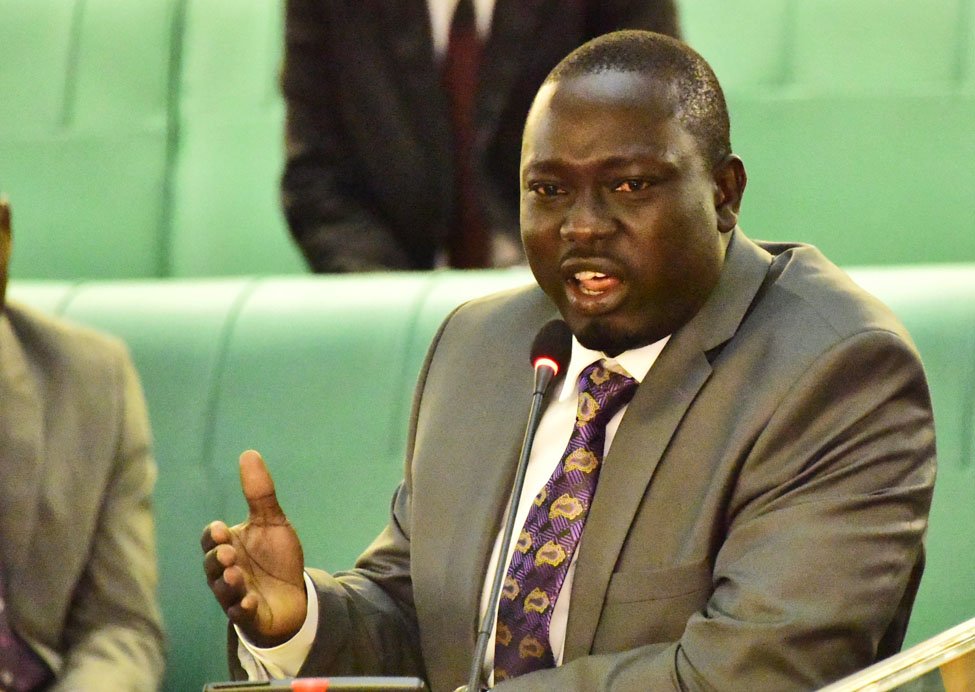
The Governor of the Bank of Uganda, Michael Atingi-Ego has cautioned Parliament that passing the Protection of Sovereignty Bill, 2026 in its current form could destabilize Uganda’s economy, weaken the shilling, choke financial inflows and severely strain the country’s ability to service public debt.

Appearing alongside his deputy, Augustus Niwagaba, before Parliament’s Joint Committee of Defence and Internal Affairs and the Legal and Parliamentary Affairs Committee, Atingi-Ego laid out the central bank’s strongest objections yet to the controversial legislation.

He told legislators that the bill directly interferes with cross border financial flows, which are central to sustaining Uganda’s balance of payments and overall macroeconomic stability.

ā€œChairman, let me be very clear from the outset. This bill is about cross border payments, and cross border payments is about the balance of payments,ā€ Atingi-Ego said.

He explained that Uganda has consistently run a current account deficit driven by a higher import bill than export earnings, making the country heavily reliant on external financial inflows to bridge the gap.

ā€œThe case of Uganda is that the current account balance has always been in the negative because our imports are far much greater than exports. So how do we close this? It is through financial flows,ā€he said.

According to the Governor, the proposed restrictions in the bill risk cutting off these critical inflows, with immediate and far reaching consequences.

ā€œThis bill is bringing restrictions on cross border transactions, meaning that it is bringing restrictions on the inflows to this country. We run the risk of reducing substantially the inflows into Uganda,ā€he warned. 

He cautioned that such a move would widen the external imbalance and force painful adjustments in the economy, particularly through the exchange rate.

ā€œSo how then does the balance of payments balance? We are going to have a substantial depreciation of the currency, because you need to make imports more expensive to equate imports to exports,ā€ he said.

Atingi-Ego further warned that Uganda’s foreign exchange reserves, currently estimated at nearly 6 billion dollars, could be quickly eroded if inflows decline.

ā€œThe moment you tamper with these inflows, we risk running down our reserves, and that is an economic disaster for a country. A country without reserves is not sovereign,ā€he said.

He pointed out that just last financial year, Uganda recorded a balance of payments surplus of about 1.5 billion dollars, which helped strengthen reserve buffers.

On remittances, the Governor expressed concern over provisions that could classify Ugandans in the diaspora as foreigners and impose registration requirements on recipients of large transfers.

ā€œFor remittances that are sustaining the livelihoods of Ugandans, we are likely to see a reduction. Last year we got remittances of 1.5 billion dollars,ā€he said.

He warned that any disruption in remittance flows would increase pressure on both household incomes and the national currency.

The Governor also highlighted the risk of an abrupt exit by foreign investors from Uganda’s government securities market, noting that non residents currently hold about 3 billion dollars, roughly 12 percent of the total stock.

ā€œExperience in other jurisdictions shows that it leads to immediate exit of the offshore investors. And when they exit, it means that we cannot fully finance our deficit through borrowing,ā€he said.

He added that such a scenario would force the government to borrow at higher interest rates, escalating the cost of debt and tightening credit conditions across the economy.

Atingi-Ego also raised strong objections to clause 13 of the bill, which criminalizes publication of information deemed to weaken the economy, warning that it could distort financial markets and investor decision making.

ā€œBy criminalizing economic research that identifies fiscal instability, the bill destroys what we call price discovery,ā€ he said.

He explained that investors rely on transparent and credible information to price risk, and limiting such information would increase uncertainty and borrowing costs.

ā€œIf I was bidding for a 25 year bond at 17 percent, I am going to end up bidding at 20 percent just in case I have got it wrong. Why? Because I don’t have information,ā€ he said.

The Governor further questioned whether routine central bank communication could fall foul of the proposed law.

ā€œWhen we publish a report about maybe inflation is projected to rise or the currency may depreciate, will I be charged with economic sabotage?ā€ he asked.

Stories Continues after ad

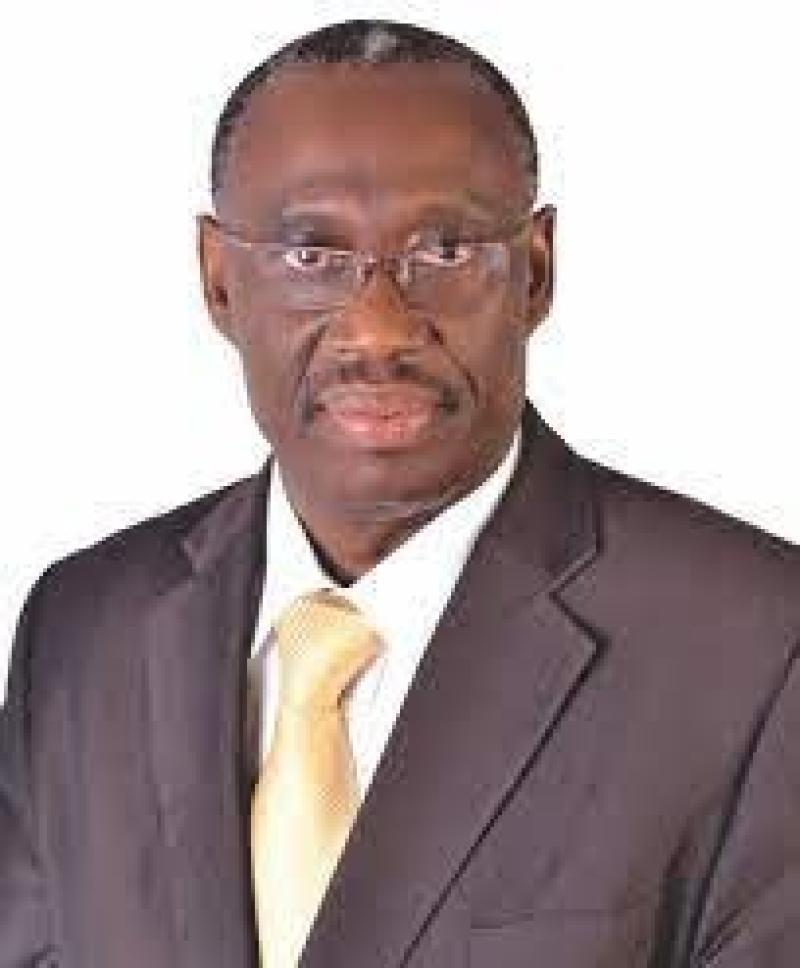
Businessman Gilbert Bafanabyo denied bail in Shs2b fraud case over weak sureties

Businessman, Gilbert Tumwebaze Bafanabyo.

The Anti-Corruption Division of the High Court in Kampala has denied bail to businessman Gilbert Tumwebaze Bafanabyo in a high-stakes case involving alleged fraud and money laundering of $546,860 (Shs2 billion), with the court finding that he failed to present sufficiently credible and financially capable sureties to justify his temporary release pending trial.

In a detailed ruling delivered on April 27, 2026, Justice Okuo Jane Kajuga examined the legal principles governing bail, the seriousness of the offences, the value of the alleged proceeds, and the credibility of the individuals presented to stand surety, ultimately concluding that the application could not succeed despite several factors that would ordinarily favour release.

ā€œThis bail application fails for lack of sufficient sureties, essentially for the applicant’s failure to prove their competence to pay bond sums that the court may impose. The court must be satisfied that those presented as sureties have the financial standing, independence and influence necessary to compel the accused to attend trial, especially in cases involving large sums of money and serious charges,ā€ the judge ruled.

Bafanabyo is facing two counts of obtaining money by pretense, two counts of money laundering, and one count of personation, with the prosecution alleging that between July 2022 and April 2023, he orchestrated a scheme that led to the fraudulent acquisition of more than half a million dollars from a foreign investor linked to Ascend Group.

According to court records, the accused allegedly obtained $240,000 after falsely representing himself as a manager of Skylink International, before securing an additional $286,910 through a law firm account at Exim Bank under the pretext that the funds were performance security for a government project involving the construction of six model technical schools. A further $19,950 is said to have been received through another advocate’s account under similar circumstances.

Prosecutors contend that the accused then facilitated the movement of these funds through different law firm accounts, knowing or having reason to believe that the money constituted proceeds of crime, in a deliberate effort to conceal its origin, forming the basis of the money laundering charges now before the court.

During the hearing, the defence urged court to grant bail, arguing that the applicant is a first time offender with no criminal record, has a fixed place of residence in Wakiso District, and suffers from health conditions that require attention. The defence also maintained that the accused is a family man who would not abscond and presented four individuals as sureties to guarantee his appearance in court.

The State, however, opposed the application, arguing that the gravity of the offences, the sophistication of the alleged scheme and the sheer volume of money involved created a real risk that the accused could abscond or interfere with the judicial process if released.

In her ruling, Justice Kajuga acknowledged that the applicant has no known criminal antecedents and that investigations into the case appear complete, noting that a related case involving a co accused is already at an advanced stage before the same division of the High Court. She also observed that there is no indication of inordinate delay that would justify release on bail purely on that ground.

ā€œThe applicant has no previous criminal record, and there is no evidence that he has ever failed to comply with bond terms in the past. The investigations appear complete, and the matter is likely to proceed to trial without undue delay. These are factors that would ordinarily weigh in favour of granting bail, as courts are enjoined to lean towards release where the ends of justice can still be met,ā€ she noted.

However, the court emphasised that in financial crimes of this magnitude, the availability of strong and reliable sureties becomes a central consideration, particularly where substantial bond sums are expected.

Court analysis of the four proposed sureties revealed that only one, a salaried public servant employed by the Uganda Registration Services Bureau, satisfied the legal requirements relating to residence, financial capacity and ability to influence the accused.

ā€œI am satisfied that the first surety, being a salaried public servant with a verifiable income and employment record, demonstrated the capacity to either pay or mobilise the funds required under any bond terms that may be imposed. His status and relationship with the applicant also place him in a position to influence compliance with court orders,ā€ the judge explained at length.

The remaining three sureties were rejected for failing to meet the same threshold. The court found that the businessman presented did not provide up to date financial records or proof of assets, raising doubts about his actual capacity. The applicant’s brother, a farmer, was faulted for presenting no financial profile at all, while the applicant’s wife was deemed unsuitable due to lack of independent financial standing and her dependence on the accused.

ā€œThe other proposed sureties lacked verifiable and current financial profiles, and in some instances failed entirely to demonstrate any measurable capacity to meet the bond obligations. In the case of the applicant’s wife, her financial dependence on the accused raises serious questions as to her ability to compel him to attend court, which is a fundamental requirement of a surety,ā€ the judge held.

On the issue of exceptional circumstances, which can be relevant in money laundering cases, the court found that the applicant did not meet the strict legal definition despite presenting medical documentation indicating ailments such as gout, arthritis and HIV.

ā€œThe medical evidence presented does not meet the strict threshold required to establish grave illness as an exceptional circumstance, particularly in the absence of certification by a medical officer from the place of detention. Similarly, the applicant’s age does not qualify as advanced age under the current legal framework. However, failure to prove exceptional circumstances is not in itself fatal to a bail application where other conditions are satisfied,ā€ Justice Kajuga clarified.

Significantly, the judge indicated that she would have been prepared to grant bail had the sureties met the required standard, underscoring that the application failed on a single but critical ground.

ā€œI am inclined to grant bail in this matter, given the absence of criminal antecedents and the stage of the proceedings, but the insufficiency of suitable sureties renders it impossible for the court to exercise its discretion in favour of the applicant at this stage. In cases of this nature, strong sureties and adequate security are indispensable,ā€ she stated.

The court also highlighted that given the value of the alleged fraud, any future grant of bail would come with stringent conditions, including substantial bond sums and possibly property security. Although the applicant offered to present a land title as part of the security, the court noted legal limitations surrounding family property.

ā€œConsidering the magnitude of the sums involved, the bond terms would necessarily be high and accompanied by strict safeguards, including security such as land. However, any such property offered must comply with legal requirements, including spousal consent where applicable, which has not been demonstrated in this instance,ā€ the judge added.

In its final orders, the court declined the application but left open a clear pathway for the accused to secure release if he meets the legal requirements.

ā€œThe applicant may, if he finds better sureties or secures the required evidence, present them before court without having to file a fresh application. The failure of this application is therefore not absolute, but contingent upon compliance with the legal standards governing bail,ā€ the ruling added.

Stories Continues after ad

Over Shs1bn raised at Muhoozi Birthday Run as tycoon Sudhir led with Shs100m

More than Shs1 billion has been raised from the 52nd birthday run of Chief of Defence Forces (CDF),Muhoozi Kainerugaba following a massive mobilisation that saw thousands of Ugandans converge at Kololo Ceremonial Grounds in Kampala for one of the high-profile charity events of the year.

The figure, announced shortly after the event, shows the financial weight and scale of participation generated by the ā€œRun for Hopeā€ initiative, which combined public mobilisation, elite backing and corporate contributions into a single large scale fundraising drive.

ā€œI’m happy to announce that we raised over 1 billion Uganda shillings during the birthday run. I shall soon announce the charities we shall support and handover cheques to them. Thank you all for your support,ā€ Muhoozi said in a post via X(formerly Twitter).

The run, held on April 26, attracted an expansive cross section of participants, with thousands turning up in the early hours for various race categories as Kololo and surrounding roads were filled with runners, supporters and organised groups. The turnout included youth, security personnel, corporate teams and political mobilisers, reflecting the growing reach of the annual birthday run beyond a personal celebration into a national level event.

The event drew a high political and institutional presence, with Deputy Speaker Thomas Tayebwa representing Muhoozi as chief guest, alongside senior government officials, ministers and former security chiefs. Among those seen at the run were former Inspector General of Police Kale Kayihura and State Minister Henry Okello Oryem, highlighting the level of state and political visibility attached to the gathering.

City businessman Sudhir Ruparelia emerged as one of the most prominent figures at the event after contributing Shs100 million towards the charity drive and physically participating in the run alongside thousands of Ugandans. His contribution, confirmed by organisers, stood out among the top individual donations and significantly boosted the fundraising effort.

Beyond the financial injection, Sudhir’s presence at Kololo in full running gear drew attention, with images of him running alongside participants and interacting with leaders dominating social media and public discourse in the aftermath of the event.

Muhoozi, in his message, singled out the businessman for praise, acknowledging both his personal attendance and financial support.

ā€œI thank our beloved elder Mr Sudhir Ruparelia for attending the birthday run. He is the richest and smartest businessman in Africa, and his support means a lot to this cause,ā€ he said.

The run was organised under the banner of the Patriotic League of Uganda and carried the theme ā€œRun for Charity, Run for Hope,ā€ with funds raised through kit sales, corporate sponsorships and direct contributions expected to support charitable interventions, particularly in Uganda’s health sector where gaps in access to treatment, medicines and services persist.

The mobilisation for the run extended beyond Kampala into other regions, with teams distributing running kits and rallying participants, days ahead of the event, contributing to the large turnout witnessed at Kololo.

The gathering also attracted a mix of business leaders, musicians and organised groups, with visible coordination from different networks that have in recent years aligned around Muhoozi’s public engagements. The presence of high profile-figures such as former Vice President Edward Ssekandi, who was seen interacting with Sudhir during the event, added to the stature of the occasion.

The scale of attendance, combined with strong financial backing from both private individuals and institutions, pushed the fundraising total past the Shs1 billion mark, positioning the 2026 edition of the birthday run among the most financially successful charity events staged in the country in recent years.

The event further reinforced the increasing use of large scale public gatherings as platforms for mobilising resources for social causes, with the Kololo run demonstrating the ability to bring together thousands of participants within a short period around a single initiative.

With the funds now secured, attention shifts to the beneficiaries, with Muhoozi indicating that details of the organisations to receive support will be announced soon, alongside the formal handover of funds.

ā€œI shall soon announce the charities we shall support and handover cheques to them,ā€ he said.

Therefore, the next phase of the initiative brings in transition from mobilisation to impact. 

Stories Continues after ad

Cabinet clears resumption of controversial trade order enforcement after brief suspension

Minister of Local Government, Raphael Magyezi.

The government has announced the resumption of nationwide enforcement of the controversial trade order, following a Cabinet resolution reached on Monday, April 27, 2026.

The Minister of Local Government, Raphael Magyezi confirmed the decision, saying Cabinet had reviewed the earlier suspension and agreed that implementation should proceed as initially planned.

ā€œI’m here to inform you that Cabinet, at its sitting yesterday, the 27th of April 2026, agreed and resolved that the implementation of the trade order should continue as earlier planned,ā€ Magyezi said.

He explained that the temporary halt had been necessitated by consultations with key stakeholders, including religious leaders and traders, who had raised concerns about the manner in which the directive was being enforced.

ā€œPreviously, in Parliament, we informed the House that we had suspended the trade order. That was because we had a meeting with some petitioners, including the leadership of Born Again and Pentecostal Churches in Uganda, as well as the Federation of Uganda Traders Association,ā€ he said.

According to the minister, one of the key outcomes of those engagements was a decision to temporarily suspend the demolition of places of worship to give affected institutions time to comply with regulatory requirements.

ā€œThey asked for a little more time, and we agreed that specifically the demolition of churches be suspended to allow them improve their structures and get their building plans approved,ā€ Magyezi added.

The latest development comes just days after the government had announced the suspension of the same enforcement exercise following widespread criticism from traders, religious leaders and civil society groups.

The State Minister for Trade, David Bahati had earlier last week said the pause was intended to pave the way for broader consultations and a more refined implementation strategy.

ā€œWe are going to continue the consultations to see how best the objective of this exercise can be achieved, and we’ll ensure that nobody is hurt, nobody is abused,ā€ Bahati said at the time.

He emphasised that the overarching goal of the policy is to restore order in urban trading spaces, but cautioned that enforcement must be handled carefully.

ā€œThe intention of this is to bring order, and order must be brought in an orderly manner without interfering with people’s lives and livelihoods,ā€ he noted.

Bahati also apologised to religious leaders over the conduct of some enforcement teams, acknowledging concerns about how the operation had been executed on the ground.

ā€œWe shall ensure that professional people are used to do any government work so that there is peace,ā€ he said.

The trade order is the government initiative aimed at reorganising urban commerce by relocating vendors from streets and informal settings into designated markets and gazetted trading areas. The policy is critical for decongesting cities, improving sanitation and enhancing safety.

However, its enforcement has sparked alarm across several urban centres, with small-scale traders reporting abrupt evictions, loss of merchandise and limited access to affordable trading spaces.

Members of Parliament also raised concerns over the impact of the operation, with some legislators questioning the lack of prior communication and the alleged heavy-handed approach by enforcement teams.

The government has since pledged continued engagement with stakeholders, including traders and religious institutions, as it moves forward with the resumed enforcement under a more structured and consultative framework.

Stories Continues after ad