Stanbic Bank
Stanbic Bank
24.5 C
Kampala
Stanbic Bank
Stanbic Bank
Home Blog Page 92

Besigye steps aside as Lukwago faces Museveni in 2026 presidential race

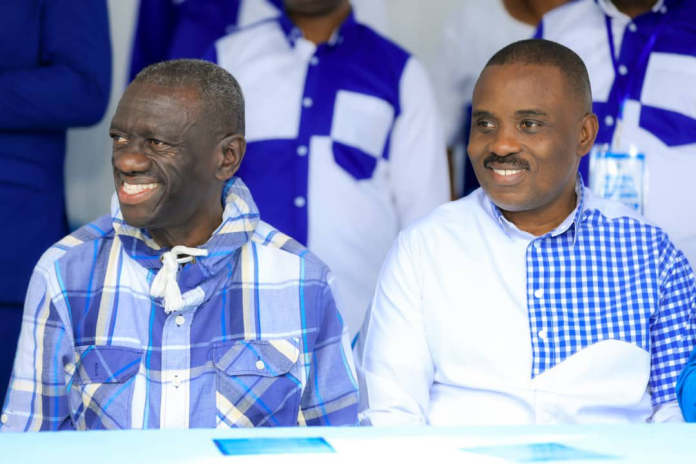
Retired Col. Dr. Kizza Besigye and Lord Mayor Erias Lukwago. Besigye is currently on remand at Luzira.

Retired Colonel Dr. Kizza Besigye, a veteran opposition figure and four-time presidential candidate will not contest for any elective position in the newly formed People’s Front for Freedom (PFF). Besigye, who is currently detained at Luzira Prison on treason charges has assumed a non-elective role as Chair of the Council of Eminent Persons, the party’s highest advisory organ.

The development was confirmed during the inaugural PFF Delegates Conference and official launch, where Besigye was recognized as the chief guest in absentia. Party officials clarified that his new role disqualifies him from running for any internal elective office, emphasizing the Council’s responsibility in offering strategic guidance and ideological oversight.

At the launch, Lord Mayor Erias Lukwago was elected Chairperson of the People’s Front for Freedom (PFF), with four deputies, including new member Dr. Lulume Bayiga from Democratic (DP) and former LoP Betty Aol Ochan. Ibrahim Ssemujju Nganda has taken the role of the Secretary General for the party.

Therefore, Erias Lukwago will take on the mantle to contest against President Museveni Kaguta of the National Resistance Movement and other opposition candidates.  

Besigye is currently facing serious treason charges over allegations that he and co-accused Haji Obed Lutale and Capt. Denis Oola conspired to overthrow the Ugandan government. The trio was formally charged on February 21, 2025, following their arrest a day earlier, and are alleged to have engaged in clandestine operations both within Uganda and internationally.

According to the charge sheet, the accused held covert physical and virtual meetings in Geneva, Athens, Nairobi, and Kampala between 2023 and November 2024, during which they reportedly coordinated plans to remove the Ugandan government through unconstitutional means. Authorities further claim that the group facilitated the movement of Ugandan citizens to Kisumu, Kenya, where recruits were allegedly trained in military tactics and intelligence-gathering.

Investigators allege the group also sought financial, military, and logistical support to advance their cause. In addition to treason, the government has filed an alternative charge of misprision of treason, a lesser offense involving failure to report knowledge of a treasonable act to authorities.

Despite his legal troubles, Besigye’s influence remains central to the direction of the PFF. His elevation to the Council of Eminent Persons cements his continued role as a key ideological figure in Uganda’s opposition landscape, albeit now from an advisory rather than a frontline political position.

The PFF leadership maintains that the party is committed to democratic change through peaceful means even as its top founder faces prosecution in one of the country’s most politically charged trials in recent years.

Stories Continues after ad

Equity Bank Uganda appoints Claver Serumaga as Executive Director

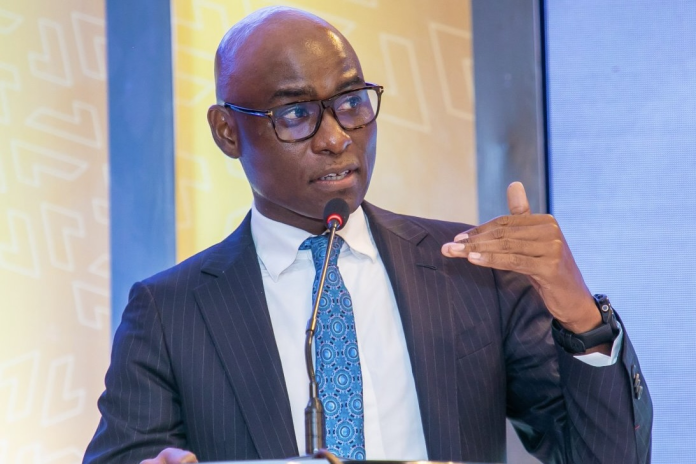
Claver Serumaga, new Executive Director, commercial banking Equity Bank.

Equity Bank Uganda has appointed Claver Serumaga as its new Executive Director, Commercial Banking, with an aim to strengthen the bank’s leadership and accelerate its commercial banking ambitions.

As a seasoned banker with more than 20 years of Pan-African experience, Serumaga brings a wealth of expertise in commercial banking, digital transformation, and business development. In his new role, he will be responsible for providing strategic leadership and driving growth within the bank’s Commercial Banking Division.

Prior to joining Equity Bank Uganda, Serumaga served as the Managing Director and CEO of NCBA Bank Tanzania, where he is credited with turning the bank around after a decade of financial losses. Under his leadership, the bank not only returned to profitability but also significantly improved its portfolio quality, reducing it from double-digit non-performing loans to single-digit levels.

Before that, Serumaga was Deputy Managing Director at Bank of Africa Kenya (BOAK), where he played a key role in steering the bank back to profitability. He also served as Chief Digital Officer for the Bank of Africa Group, leading the digital transformation agenda across 16 African countries. Earlier in his career, he was General Manager for Business Development at Bank of Africa Uganda, solidifying his experience in regional banking leadership.

Announcing his appointment, Marik Ocitti, Chairman of Equity Bank Uganda, revealed, “His deep understanding of commercial banking, digital transformation, and business development aligns seamlessly with our mission to deliver innovative, inclusive, and transformative financial solutions to our customers. We are confident that Mr. Serumaga’s extensive leadership expertise and proven track record of driving business growth will strengthen our leadership team and position Equity Bank Uganda to continue its growth trajectory.”

Serumaga is known for his transformational leadership, strategic foresight and ability to build diverse and inclusive teams that embrace forward-thinking methodologies. His reputation as an astute banker, unconventional marketer, brilliant coach, and team player has made him a standout figure in the regional banking industry.

He is a Fellow of the Chartered Institute of Marketing (CIM-UK) and holds an MBA in Executive Management from the Graduate School of Business, University of Cape Town.

With a clear track record of success across multiple markets and institutions, Claver Serumaga steps into his new role with high expectations and a mandate to further elevate Equity Bank Uganda’s footprint in the country’s dynamic banking sector.

With Serumaga at the helm as Executive Director, Equity Bank Uganda is poised for a period of accelerated innovation and expansion.

This appointment underscores the bank’s unwavering commitment to leveraging top-tier talent to deliver on its promise of inclusive growth and sustainable value creation, solidifying its position as a leader in Uganda’s vibrant financial services sector.

Stories Continues after ad

Financial sector resilient as deposits hit Shs38t— BoU review

Bank of Uganda.

Uganda’s financial sector continues to display remarkable resilience and steady growth, supported by rising customer deposits, enhanced liquidity buffers, and robust profitability among supervised financial institutions (SFIs), according to the Bank of Uganda’s Quarterly Financial Stability Review for March 2025.

The central bank notes that systemic risks have “moderated further over the year to March 2025, despite an uncertain global economic outlook.” This comes as the country benefits from accommodative monetary policy, low inflation and strong domestic growth, with GDP projected to grow between 6.0–6.5% in FY2024/25, potentially surpassing 7% in subsequent years.

“Domestically, growth remained strong, supported by low inflation and accommodative Bank of Uganda policies aimed at supporting stability across households, businesses, and financial institutions,” the report reads.

The financial sector’s total assets expanded significantly with customer deposits rising by 4% to Shs38 trillion, reversing a decline in the previous quarter. Liquidity conditions improved as liquid assets grew by 1.1% to Shs20.5 trillion, pushing the liquidity ratio to 51.8%, well above the regulatory minimum of 20%.

Foreign currency deposits grew by 6.6%, while Uganda shilling-denominated deposits increased by 2.7%, reflecting improved depositor confidence.

“Deposits remain the primary funding source for financial institutions, accounting for 83.4% of total liabilities,” BoU reported.

Meanwhile, loan disbursements increased by 6.8% year-on-year, reaching Shs22.9 trillion, supported by reduced lending rates and improved borrower repayment behavior. Notably, digital credit saw a surge, with disbursements doubling to Shs2.9 trillion, underscoring the sector’s digital transformation.

Asset quality also improved, with the non-performing loans (NPL) ratio easing to 4.2%, down from 4.6% a year earlier. Expected Credit Losses fell by 12.6%, and capitalized interest declined by 77.3%, signaling stronger repayment capacity.

Profitability surged across all SFIs. Net profit after tax rose by 13.8% to Shs1.7 trillion, while the return on assets improved to 3.2%. MDIs and credit institutions also saw strong earnings growth, positioning them to expand product offerings and support inclusive growth.

“Profitability supported improved capital adequacy, with most SFIs holding sufficient buffers,” BoU stated, adding that the core capital adequacy ratio for commercial banks stood at 25.4%, well above the 12.5% minimum.

Despite the overall positive trajectory, BoU flagged persistent vulnerabilities, including sub-trend credit growth and operational constraints in a few SFIs. Additionally, global headwinds, particularly US trade tensions, rising protectionism, and geopolitical shocks pose downside risks to Uganda’s macro-financial stability.

“The global economic outlook has weakened mainly due to rising uncertainty from recent trade tensions… global growth is projected at 2.8% in 2025,” the report references the IMF’s April 2025 World Economic Outlook.

Nevertheless, BoU assured the public of proactive risk management: “The Bank of Uganda remains proactive and will continue to leverage both monetary and macroprudential tools to enhance the resilience of the financial system as risks evolve.”

The payments ecosystem has shown robust growth, driven by digital adoption. Active mobile money accounts surged by 166% to reach 33.7 million, while transaction values grew 25.5% year-on-year. Over 92% of mobile transactions were low-value (below Shs50,000), indicating deepening financial inclusion.

Meanwhile, digital lending volumes doubled to over Shs2.9 trillion and agent banking expanded by 48.7%, although the number of active agents dropped slightly due to commission-related disputes.

However, BoU projects continued financial stability in the near term. Stress tests indicate the sector is resilient to extreme but plausible shocks, supported by healthy liquidity coverage ratios (494%) and net stable funding ratios (176.8%) as of May 2025.

Two SFIs are still below the new paid-up capital requirements, but have made “significant progress” in line with restoration plans.

Despite moderate systemic risks and improving asset quality, the Bank of Uganda has flagged rising global protectionism, trade fragmentation and geopolitical tensions as emerging threats to financial stability.

“Heightened global protectionism and geopolitical tensions present risks to trade and inflation,” BoU warned in its March 2025 Financial Stability Review, referencing recent escalations in global tariff rates and sluggish global growth.

The report points to the IMF’s April 2025 World Economic Outlook, which revised global GDP projections to 2.8% in 2025, down from 3.3% earlier this year, due to newly imposed U.S. tariffs and retaliatory measures.

Meanwhile, BOU revealed digital lending has surged, with disbursements more than doubling to Shs2.9 trillion, up from Shs1.04 trillion in March 2024.

“This underscores the increasing importance of digital credit,” BoU noted, adding that the rise is contributing significantly to financial inclusion and credit access, particularly among low-income populations.

In terms of profitability, Supervised Financial Institutions (SFIs) collectively posted a Shs1.7 trillion net profit after tax, up by 13.8% from a year earlier. Return on assets improved to 3.2 percent, with major gains in operational efficiency and reduced provisioning for bad debts.

“The growth in profitability positions SFIs to further diversify their products, invest in technological upgrades, expand lending activities, and ultimately contribute to economic growth and financial stability,” the Central Bank said.

Stories Continues after ad

NRM primaries: Police arrest 16 in Mubende, Isingiro and Rubanda clashes

The Uganda Police Force has launched a series of operations to address the growing wave of election-related violence that has marred the ongoing NRM primaries across several districts. At least 16 suspects have been arrested following incidents of physical assault, arson and vandalism in Mubende, Isingiro, and Rubanda districts.

In a statement released by the Uganda Police confirmed that investigations are underway to bring all perpetrators to justice.

“As the electoral process unfolds, we wish to inform the public that incidents of violence involving political actors have been observed. These acts include physical assaults, property destruction, vandalism of election materials and other electoral offences,” the statement read.

Mubende District – 7 July 2025

The most serious violence was recorded in Mubende District where two rival camps of NRM primary candidates clashed at Kyapa Kyeturege trading centre.

According to police, the confrontation broke out between supporters of Mr. Muhumuza Henry and Hon. Kabanda David.

“Gunfire was exchanged, resulting in injuries to one Gumisiriza Roger. Several individuals were also assaulted with sticks and bricks,” police confirmed.

Later the same day, another violent incident erupted at Nabingola Sub County Headquarters, where two vehicles (UBP 452K and UBP 788T) and a motorcycle (UFU 345X) were set ablaze.

Police swiftly responded to the scene, and the injured were taken to Mubende Regional Hospital. Three suspects have since been arrested.

“We have instituted investigations, and statements have been collected from witnesses,” police noted.

Isingiro District – 5 July 2025

In Isingiro, chaos erupted in Kyempisi Cell, Kikagate Subcounty, where two motorcycles and a vehicle were torched. Police confirmed the arrest of 10 suspects, while others remain at large.

“On 07 July 2025, we had a security meeting with all parties and NRM electoral officials to promote peaceful conduct during the primaries,” the statement added.

Rubanda District – 3 July 2025

Earlier incidents were also reported in Rubanda District, where Hon. Henry Musasizi’s convoy was attacked with stones at Hakashanje Playground in Nyakahanga Cell, Bushura Parish. His vehicle sustained damage. Additionally, campaign posters put up earlier in the day were torn down by unidentified individuals.

“Two suspects have been arrested in relation to this incident,” the statement said.

Across the three districts, a total of 16 suspects have been apprehended, with others reportedly on the run.

“We condemn all forms of violence and reassure the public that the perpetrators of violence will be held accountable,” police emphasized.

The Uganda Police Force reaffirmed its commitment to securing the election environment.

“Investigations and operations continue. UPF remains dedicated to maintaining peace to ensure a secure election,” the statement concluded.

The police have urged political actors and their supporters to refrain from acts of violence and respect the rule of law as Uganda continues its electoral processes.

Stories Continues after ad
African legislative leaders to convene for peace and security summit at Speke Resort Munyonyo

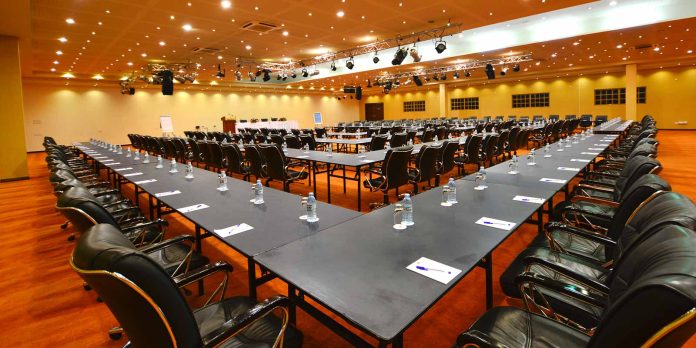
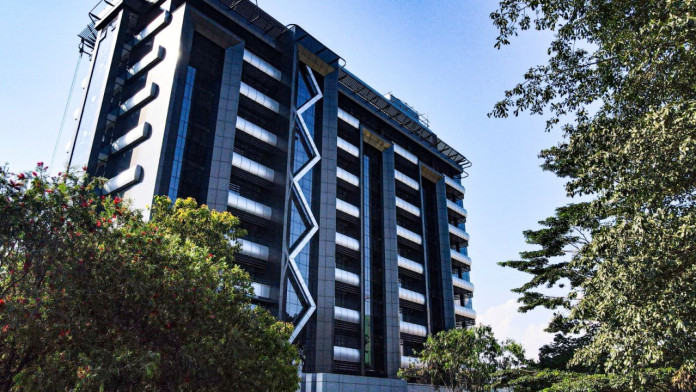
Speke Resort Munyonyo Convention Centre that will host the conference.

As Africa grapples with rising insecurity, unconstitutional transitions and protracted conflicts, legislative leaders from across the continent are preparing to converge in Uganda for a pivotal summit aimed at advancing peace and security through parliamentary action.

The Extraordinary General Assembly of the Conference of Speakers and Presidents of African Legislatures (CoSPAL) will be held from 19 to 20 July 2025 at Speke Resort Munyonyo in Kampala. The high-level gathering is expected to solidify efforts by parliaments to take a lead role in conflict resolution and security stabilization across Africa.

During a pre-conference diplomatic briefing held on Thursday, 3 July 2025 at the Parliament of Uganda, Geofrey Ekanya, MP for Tororo North County, delivered remarks on behalf of Speaker of Parliament Anita Among, outlining the importance of the upcoming summit.

“This is a crucial opportunity for African legislative leaders to come together and seek solutions to the myriad challenges affecting peace and security on the continent,” said Ekanya.

The summit builds upon recent efforts by the Forum of Parliaments of the International Conference on the Great Lakes Region (FP-ICGLR), including a fact-finding mission to the Democratic Republic of Congo (DRC) involving several Speakers, among them Uganda’s Anita Among and Zambia’s Rt. Hon. Nelly Mutti.

“To further enrich their understanding of the conflict,” Speaker Among said, “the team met H.E. the President of the Republic of Uganda, who shared with them the historical perspective of the conflict and possible opportunities to find a lasting solution.”

President Museveni also provided broader insights into the root causes of conflict across Africa and potential paths toward lasting peace.

Findings from the DRC mission were later adopted at the 15th Plenary Assembly of the FP-ICGLR in Angola in April 2025.

“In the final communiqué of this Assembly under Resolution Number 15, it was agreed to request the Conference of Speakers and Presidents of African Legislatures to convene an extraordinary meeting to consider the proposals by FP-ICGLR,” Speaker Among stated.

Uganda was selected as host for this landmark event, and the Government has committed to providing full logistical support, including VIP immigration services, airport transfers, and security for visiting delegations.

“This extraordinary conference provides a unique opportunity for Speakers and Presidents of African legislatures to convene, collaborate, and commit to actionable strategies for fostering peace and security on the continent,” Speaker Among added.

The two-day summit at Speke Resort will focus on key themes, including combating terrorism, electoral violence, organised crime, and unconstitutional changes of government. It will also address legislative oversight, inter-parliamentary cooperation, and the strengthening of parliamentary diplomacy.

  The CoSPAL 2025 pre-briefing in Parliament’s Conference Hall

“The theme is intended to bring African legislatures at the centre of conflict resolution because of their representative role,” Among emphasized.

Expected outcomes include a continental resolution advocating for ceasefires in war-torn regions, stronger support for regional peace initiatives led by the AU, ECOWAS, EAC, SADC, IGAD, ICGLR, and the Arab Maghreb Union, and the establishment of a permanent African Speakers Centre on Peace and Security, to be hosted in Uganda.

“The centre will serve as a permanent body for coordinating efforts of Speakers and Presidents of African Legislatures in promoting peace, conflict resolution, and legislative action,” she said.

With the summit now just days away, Uganda’s Parliament and foreign missions are mobilizing to ensure its success, positioning the country—and its legislative institutions—as a key player in shaping Africa’s future peace architecture.

Stories Continues after ad
Police investigate double murder of elderly couple in Entebbe

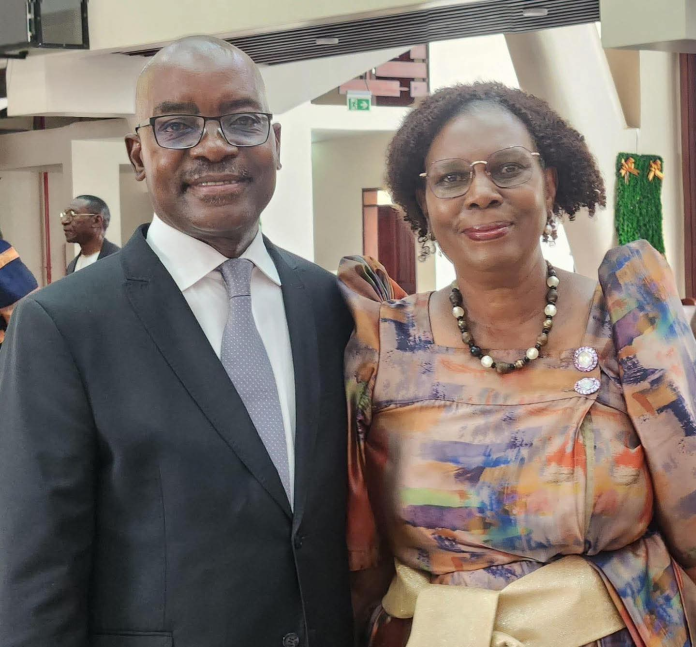
Mutaaga David, 69, and his wife, Mutaaga Deborah Florence, 62.

The Uganda Police Force has launched an investigation into a gruesome double murder and suspected aggravated robbery that occurred in Lugonjo Nakiwogo Cell, Entebbe Municipality.

According to Kampala Metropolitan Deputy Police Spokesperson Luke Owoyesigyire, the victims, identified as Mutaaga David, 69, and his wife, Mutaaga Deborah Florence, 62, were discovered dead inside their home on July 6, 2025. The two had reportedly sustained fatal stab wounds.

“The territorial police in Entebbe Division are actively investigating a tragic incident of double murder and suspected aggravated robbery that occurred at the residence of Mutaaga David and his wife, Mutaaga Deborah Florence,” said Owoyesigyire in an official statement.

He added that the police were notified of the suspected attack by a worker attached to the household.

“On 6th July 2025, police received information from a worker attached to the household reporting the suspected attack. A team of officers immediately responded to the scene,” Owoyesigyire said.

Upon arrival, officers found the lifeless bodies of the elderly couple inside the residence. Crime scene experts documented the scene and recovered several items believed to be of evidential value.

“Preliminary examination revealed that both victims had sustained fatal stab wounds. Crime scene documentation and evidence collection were conducted, and the bodies were conveyed to the City Mortuary Mulago for postmortem examination to aid the ongoing inquiries,” he noted.

Although investigators are yet to confirm the motive behind the killing, robbery is being treated as a possible lead.

“Several exhibits of evidential value have been recovered for forensic analysis. The motive behind this heinous crime is still under investigation and will be communicated in due course,” Owoyesigyire said.

He assured the public that law enforcement is working tirelessly to identify and apprehend those responsible.

“We condemn this act in the strongest terms and wish to reassure the public that we are committed to bringing the perpetrators to justice,” he emphasized.

Police say more details will be shared as investigations progress.

Stories Continues after ad
Museveni directs local committees to handle citizenship registration

President Museveni with some of the leaders of Banyarwanda community.

President Yoweri Kaguta Museveni has ordered an overhaul of Uganda’s citizenship verification system, directing that all future verifications be conducted by local community structures rather than centralized government bureaucrats.

Recalling from the meeting with the Bavandimwe—Ugandans of Banyarwanda descent on June 23 at State House, Entebbe, the President acknowledged that he had underestimated the seriousness of complaints raised by sections of immigrant communities.

“I was beginning to be irritated by claims that, especially our Banyarwanda immigrants, were being mistreated,” Museveni said.

He added, “I thought some people were making false allegations for evil ulterior motives. But after hearing them, I understood where the problem has been.”

Museveni described Uganda’s current citizenship verification process dominated by officials from the Ministry of Internal Affairs, Immigration and the National Identification and Registration Authority (NIRA) as inefficient and disconnected from local realities.

“The problem of citizenship is a mass, community issue,” Museveni stated. Noting, “It is best known to and best handled by communities—area by area. Bureaucrats should be guided by community structures like LCs and elders.”

Drawing from personal history, Museveni recalled how immigrant families had long been integrated into Uganda’s social fabric, including some he considered kin. He named individuals like Mzee Yoramu Kabuteembe—whose family came from Rwanda—and Indians like Budala and Haali in Ntungamo as natural Ugandan citizens by every logical standard.

“It cannot be fair that Kabuteembe or Budala should beg Immigration for their right as citizens,” Museveni argued. “They are citizens unless they choose not to be.”

Museveni unveiled a detailed decentralization plan to remove bottlenecks and restore fairness to the system. He directed that all citizenship registration now be conducted at the parish level by Local Verification Committees composed of LCI officials, ISO representatives, and a respected elder. NIRA will continue enrolling applicants and issuing National IDs, but must refer cases in doubt to the local committees.

If either NIRA or the applicant is dissatisfied with a local committee’s decision, the case will be escalated to a District Citizenship Verification Committee chaired by the RDC and including the District Chairperson, area councilor, and DISO. These district committees will serve as final arbiters in cases of dispute.

Applicants whose families were in Uganda before 1962 will not pay any registration fees. However, those who settled after independence will be required to pay for applicable immigration services.

“With this guidance, there is no reason whatsoever why an applicant should not tell the truth,” Museveni warned. “False declaration is an offence under the law.”

The President defended the legal framework that classifies citizenship based on when families settled in the country particularly the year 1926, when Uganda’s colonial borders were finalized.

“Some people want to deny these categories, but that we reject,” he said. “The facts are clear: when did your family come to Uganda? Was it before or after 1926? That’s what matters.”

He also stressed that dual citizenship should remain limited for now to Ugandans who fled abroad during past insecurity and their descendants.

Verification committees will ask applicants to answer 14 core questions related to ancestry, birth, language, marriage, and historical residence in Uganda. These questions aim to filter out fraudulent claims without excluding legitimate citizens.

“The fear of infiltration by non-citizens should not delay giving out IDs, passports or citizenship,” the President said. “Where fraud is discovered, documents can still be cancelled and culprits punished.”

The President’s position marks a philosophical shift in state administration from central technocracy to grassroots accountability.

“The locals are the ones who know who is who,” Museveni said. “I, for instance, can tell you the entire history of three parishes in Ntungamo—who came when, who belongs where.”

He emphasized that bureaucratic arrogance and disconnected processes have caused real harm and disenfranchised legitimate citizens.

While recognizing that many refugees have since returned home, Museveni said Uganda should prepare to integrate those who have stayed—through constitutional and legal amendments. He further hinted at a future where East Africans might enjoy shared regional citizenship under the East African Federation.

“We shall have the citizenship of East Africa,” he concluded. “But until then, we must sort ourselves out with truth, fairness and history as our guide.”

With this landmark directive, President Museveni is not only decentralizing the citizenship process but redefining how Uganda defines belonging—placing trust in communities over bureaucracies, and history over paperwork.

Stories Continues after ad

Uganda to host inaugural Development Finance Summit

Uganda Development Bank.

The Uganda Development Bank [UDB] will host the inaugural Uganda Development Finance Summit 2025, a transformative gathering aimed at redefining Africa’s economic trajectory through an innovative National Development Finance Architecture.

The summit, taking place from September 1–2, 2025 in Kampala, is expected to draw hundreds of high-level stakeholders from across the continent and beyond.

Under the theme “Transforming Africa Through National Development Finance Architecture”, the summit will serve as a powerful platform for dialogue, partnership-building, and strategic action.

It brings together a unique blend of public and private sector leaders—including Heads of State, Ministers of Finance, Central Bank Governors, and CEOs of National and Multilateral Development Banks—to chart a bold new course for sustainable and inclusive growth.

“This summit is not just a conference,” said a UDB official. “It is a catalyst for change—an opportunity for Africa to take ownership of its financial future and build systems that serve its people and potential.”

Sessions will tackle urgent issues such as debt sustainability, domestic resource mobilisation, and the role of National Development Banks [NDBs] in driving transformation.

Participants will learn from the successes of NDBs that are already shaping economic development across Africa, offering replicable models and actionable strategies.

Global Insights for African Contexts

Renowned thought leaders and economists will provide in-depth analyses of Africa’s evolving development landscape, focusing on the continent’s strengths and the shifts needed to unlock progress.

The summit will spotlight investment-ready sectors like agriculture, services, and technology—especially those aligned with Africa’s youthful and digitally-savvy population.

With a curated audience of top-tier decision-makers, the summit offers unmatched networking opportunities to forge impactful collaborations across borders and sectors.

Discussions will also center on creating robust frameworks to future-proof African economies against global disruptions, emphasising innovation and institutional synergy.

The Uganda Development Finance Summit 2025 comes at a crucial time, as the continent seeks scalable, homegrown solutions to long-standing development challenges. By focusing on finance architecture that prioritises resilience, inclusivity, and transformation, Uganda is positioning itself at the heart of Africa’s economic reawakening.

Stories Continues after ad

Reach A Hand uses expressive arts to break menstrual health stigma in schools

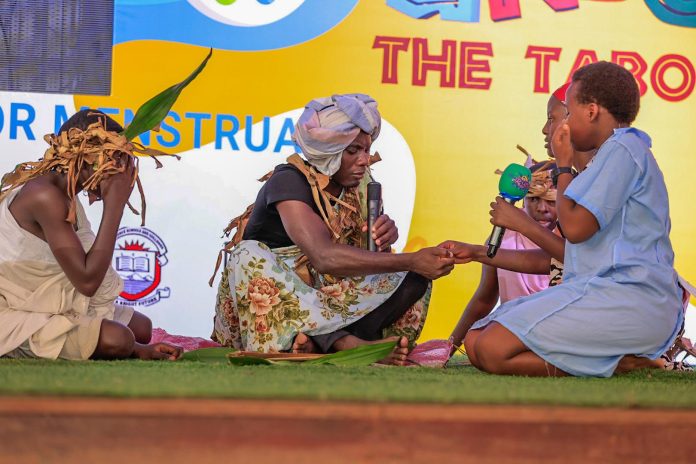
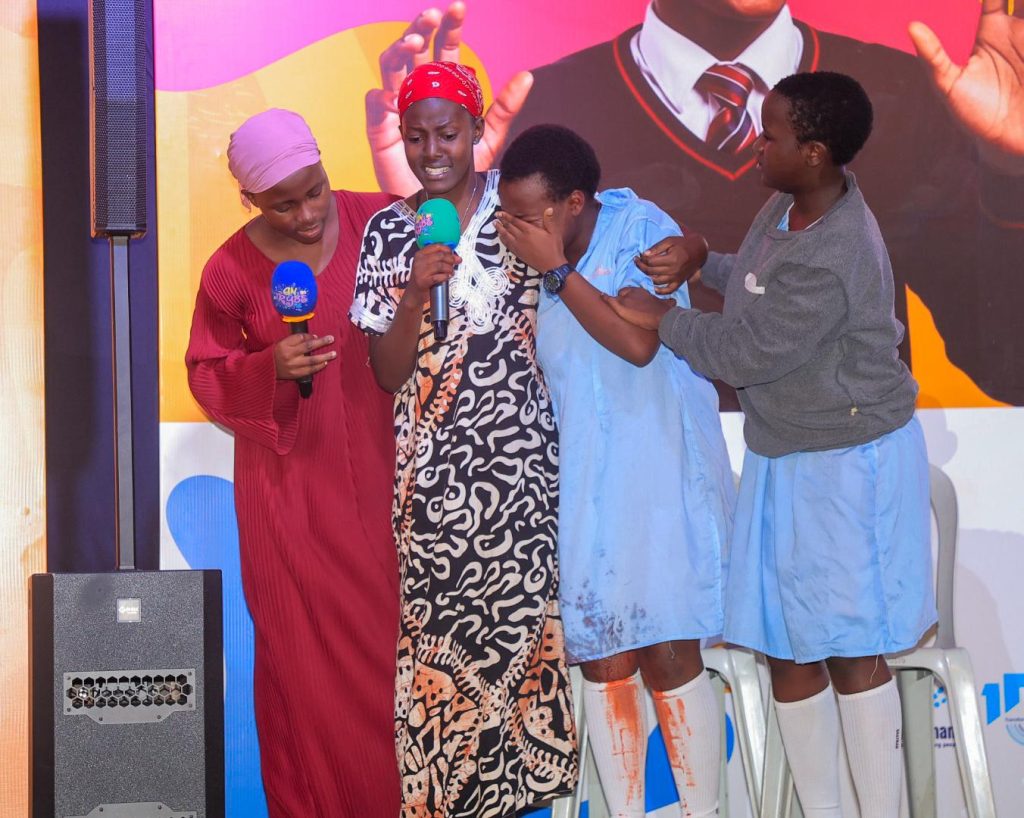
Students use drama to break menstrual stigma during the “Undo The Taboo” showcase by Reach A Hand Uganda. The performance depicted a girl facing period-related shame, highlighting the urgent need for open.

Kampala, Uganda – Reach A Hand Uganda, through its “Undo The Taboo” and “GN Trybe” initiatives, brought together over 1,000 students from more than 20 schools across the country to highlight the effectiveness of edutainment in menstrual hygiene management as well showcase innovative menstrual products and disposal mechanisms.

Held under the theme “Youth Innovations for Sustainable Menstrual Health and Hygiene,” the event took place at London College of St. Lawrence in Maya. It was attended by key stakeholders including officials from the Ministry of Health and Ministry of Education, teachers, civil society organizations, private sector representatives, and celebrated musicians Allan Toniks and Daxx Kartel, who delivered motivational “Power Talks” on menstrual hygiene.

Expressive arts—including poetry, visual art, dance, fashion, creative writing, debate, and drama—served as tools to challenge menstrual stigma and encourage open conversations on topics often considered taboo in formal or cultural settings. These artistic showcases were held in a competitive format, encouraging creativity and innovation.

Among the highlights were demonstrations of environmentally friendly menstrual management solutions.

Students presented incinerator prototypes made from biodegradable materials like cardboard, and reusable sanitary pads designed for both affordability and sustainability. A panel discussion also addressed the challenges surrounding menstrual health management in schools.

To recognize student efforts, certificates of participation were awarded, and the top three schools received trophies and cash prizes:

● Seeta High School, A-Level Campus – Shs3 million (Overall Winner)

● London College of St. Lawrence – Shs2 million (First Runner-Up)

● The Academy of St. Lawrence – Shs1 million (Second Runner-Up)

Humphrey Nabimanya, Chief Executive Officer of Reach A Hand Uganda, emphasized the role of edutainment in breaking stigma: “Edutainment helps overcome the silence and shame around menstruation. It creates a safe space where learners feel free to share, which addresses a major barrier to effective menstrual health education in Uganda,’’ he said while emphasizing Reach A Hand’s commitment to empower young people through Undo the Taboo and GN Trybe initiatives.

Agnes Ssebowa, Senior Technical Officer for Adolescent and School Health at the Ministry of Health, praised Reach A Hand’s innovative approach: “The Ministry is committed to making every school a safe and supportive environment for all learners. We integrate menstrual health into education because it is a matter of human rights and dignity.”

students engage in a debate.

Students expressed appreciation for the platform: “Talking about menstruation used to make us feel ashamed,” said Luke, a student from London College of St. Lawrence. “But today, it felt normal.”

According to the Auditor General’s report, 2023/24 financial year, 64% of female students miss school regularly due to a lack of menstrual materials and inadequate Water, Sanitation, and Hygiene (WASH) facilities.

The same report found that 46% of 48 schools visited did not provide emergency pads or any menstrual hygiene management (MHM) support, and many lacked access to clean water, proper sanitation, or disposal facilities.

About Reach A Hand Uganda Reach A Hand Uganda is a youth-led non-profit organization dedicated to empowering young people in Uganda through advocacy, awareness campaigns, and community engagement focusing on key issues affecting youth, including sexual and reproductive health and rights (SRHR), education, mental health, gender equality, and

About GN Trybe

GN Trybe, short for Generation Now Trybe, is a community for the Gen Z (1997–2012) and Gen Alpha (2013–2015). It is a youth-centered behavioral change communication initiative designed to respond to the evolving challenges young people face today. The initiative uses bold and innovative strategies to raise awareness and reduce sexual and reproductive health risks that often limit young people’s rights to quality education, mental well-being, and a healthy, empowered life.

Students use arts to break menstrual stigma during the “Undo The Taboo” showcase by Reach A Hand Uganda. The performance depicted a girl facing period-related shame, highlighting the urgent need for open.

About Undo The Taboo

Undo the Taboo is a campaign by Reach A Hand Uganda to address menstrual hygiene management among young people in Uganda. It aims to raise awareness and eliminate the stigma surrounding menstruation, promote sustainable and eco-friendly menstrual hygiene practices, and advocate for improved access to safe and sustainable sanitation facilities, access to education, and the realization of the right to health, especially SRHR of young women and girls.

Stories Continues after ad
Speaker Among nominated for NRM 2nd National Vice Chairperson 

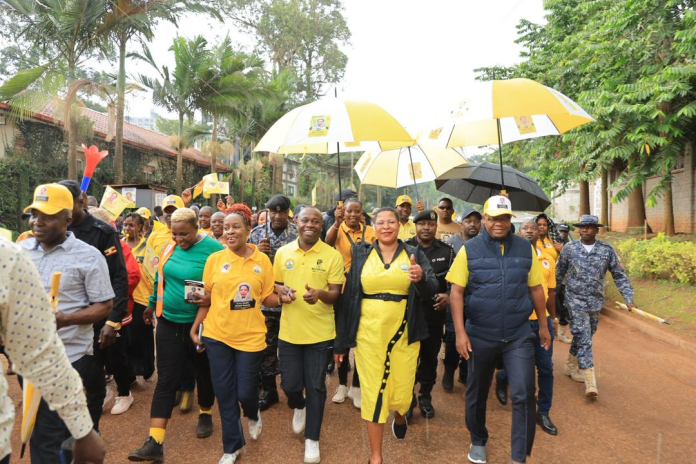
Speaker of Parliament, Anita Among escorted by her supporter soon after being nominated for the post of 2nd National Vice Chairperson of the National Resistance Movement (NRM) party.

The Speaker of Parliament, Annet Anita Among has officially joined the race for the position of Second National Vice Chairperson (Female) on the Central Executive Committee (CEC) of the ruling National Resistance Movement (NRM) party.

Among returned her nomination forms on Thursday amid pomp and excitement, accompanied by several senior party figures including the Government Chief Whip Hamson Obua, State Minister for Sports Peter Ogwang, and former Minister of Foreign Affairs Sam Kutesa.

She is set to face off with the incumbent, First Deputy Prime Minister Rebecca Kadaga, in what is expected to be one of the most closely watched contests within the NRM’s internal elections.

Addressing supporters shortly after her nomination, Speaker Among expressed deep appreciation for the overwhelming support she received from party delegates despite heavy rains in the morning.

“I want to express my gratitude to all the delegates from the NRM party who braved the early morning showers to accompany us during the nomination exercise,” she said.

She noted, “I pledge to demonstrate the same level of commitment in promoting the ideals and aspirations of our esteemed party when I am elected as the Second National Vice Chairperson (Female).”

She also extended her appreciation to Ugandans from across the country who have supported her political journey.

“I would like to extend a heartfelt thank you to all Ugandans from every background who have joined us on this journey,” Among noted.

She added, “I urge everyone to come out in large numbers to support the leader of our revolution, General Kaguta Museveni, as he is nominated tomorrow.”

President Museveni’s scheduled for Saturday, July 5, 2025, at the NRM Electoral Commission headquarters.

Stories Continues after ad