Stanbic Bank
Stanbic Bank
19 C
Kampala
Stanbic Bank
Stanbic Bank
Home Blog Page 96

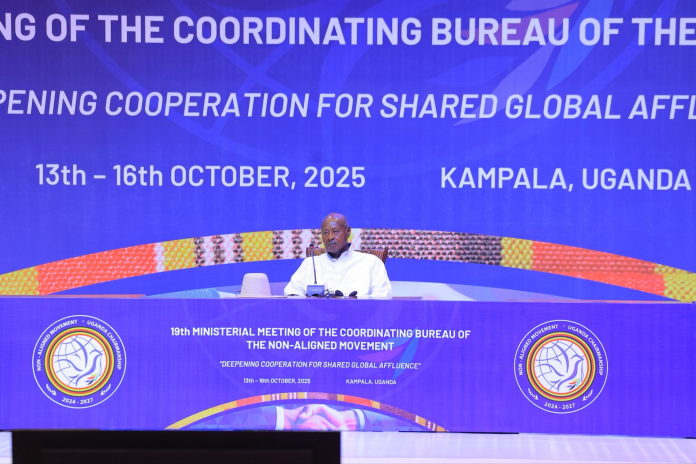
Museveni urges NAM states to champion industrialization and mutual growth at Speke Resort Munyonyo

President Yoweri Kaguta Museveni has called on member states of the Non-Aligned Movement (NAM) to unite around shared prosperity, industrialization and value addition and warned that the world is once again being intoxicated with wrong ideas.,

Delivering the keynote address during the 19th NAM Ministerial Meeting of the Coordinating Bureau at Speke Resort Munyonyo, President Museveni emphasized that understanding the balance between production and consumption is crucial for global economic stability.

“When China, India, and other Asian countries modernized, the price of steel rose from 200 to 900 dollars per ton. Why should you worry that another country is out of poverty? Why would you want to do business with a poor man? Business is both production and consumption,” Museveni remarked.

Held under the theme “For Global Solidarity and Sustainable Development,” the meeting brought together representatives from over 120 member states and observers to discuss how NAM can promote peace, cooperation, and equitable growth amid rising global tensions.

Museveni noted that Africa’s GDP remains small compared to its population and potential, urging countries to accelerate industrialization and value addition to transform livelihoods.

“Our continent must move beyond being a source of raw materials. Industrialization is not a choice; it is a necessity if we are to raise incomes and ensure global economic stability,” he said.

The Ugandan leader cautioned against new forms of ideological domination, calling on NAM countries to focus on “minimum common interests” such as trade, investment, tourism, and mutual support, while upholding each nation’s sovereignty and right to choose its own political system.

Museveni traced human progress to two struggles: the oppression of man by nature and the oppression of man by man, noting that science and technology have always been the key drivers of human advancement.

“The human race has been here for four and a half million years. Most of that time, people lived only in Africa. So I like to joke that all of you here are former Africans,” he added, drawing laughter from delegates.

He hailed the founding fathers of the NAM including Jawaharlal Nehru of India, Gamal Abdel Nasser of Egypt, Josip Broz Tito of Yugoslavia, and Sukarno of Indonesia — for steering neutrality during the Cold War, saying their vision is even more vital today as the world faces renewed geopolitical divisions.

“Our elders did us a great service. Now it is even more important because there’s a lot of intoxication with wrong ideas in the world,” he observed.

On international peace, President Museveni reaffirmed NAM’s commitment to the peaceful settlement of the question of Palestine, urging for the implementation of the Two-State Solution. He reiterated that during Uganda’s chairmanship, NAM has consistently advocated for the recognition of the State of Palestine and its admission as a full member of the United Nations.

“The Two-State Solution remains the only legitimate path to ending this long-protracted conflict,” Museveni said.

On the sidelines of the meeting, Uganda and Azerbaijan signed a Memorandum of Understanding (MoU) on visa waivers for Diplomatic and Service/Official Passport holders, aimed at easing the movement of officials between the two countries.

The MoU was signed by Hon. David Muhoozi, Minister of State for Internal Affairs of Uganda, and Hon. Samir Sharifov, Deputy Minister of Foreign Affairs of Azerbaijan, witnessed by Hon. Henry Okello Oryem, Minister of State for Foreign Affairs.

This follows earlier agreements on Political Consultations between Uganda’s Embassy in Tehran (accredited to Azerbaijan) and Azerbaijani authorities, designed to deepen and strengthen bilateral cooperation.

President Museveni concluded by describing himself as “a third-generation anti-colonial fighter from Africa,” urging the global south to remain united in pursuit of development and self-determination.

“If you think you are right, do good things in your own country and we shall see it but not through coercion. Each country should choose its own social system,” he said.

The 19th NAM Ministerial Meeting is a key platform for reviewing progress since the Kampala Summit of January 2024 where Uganda assumed the Chairmanship of NAM (2024–2027) reaffirming its leadership role in promoting dialogue, peace and South-South cooperation.

Stories Continues after ad

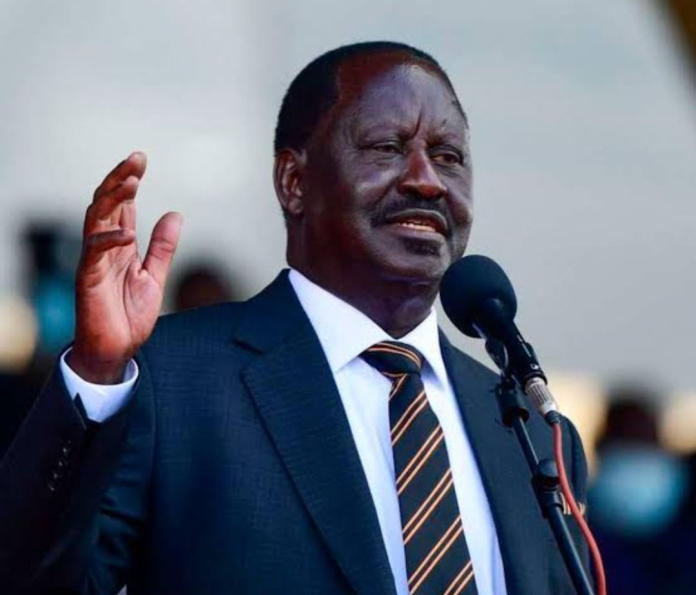
Speaker Among, Bobi Wine, Tayebwa mourn Kenya’s Raila Odinga

RIP: RIP Odinga.

Regional leaders and politicians have joined Kenyans in mourning the death of Raila Amolo Odinga the former Prime Minister of Kenya and leader of the Orange Democratic Movement (ODM) who has passed away after a long and storied political career.

Odinga, fondly known as Baba or Jakom was one of Kenya’s most prominent opposition figures and a tireless advocate for democracy and good governance. His political journey spanned over four decades, marked by both triumphs and trials from imprisonment during the Moi era to serving as Prime Minister in Kenya’s Grand Coalition Government between 2008 and 2013.

Born in 1945 to Kenya’s first Vice President, Jaramogi Oginga Odinga, Raila carried forward his father’s political legacy, becoming a key voice for reform, national unity, and Pan-Africanism. Over the years, he earned respect not only in Kenya but across the continent for his resilience and commitment to peaceful political change.

Following news of his death, several Ugandan leaders expressed deep sorrow and paid tribute to the fallen statesman.

Speaker of Parliament Anita Annet Among said Odinga’s influence went far beyond Kenya, describing him as an inspiration for the African continent.

“We stand in solidarity with our brothers and sisters in Kenya as we mourn the loss of a leader whose influence reached far beyond the country’s borders, inspiring the entire African continent. His passion for a united Kenya and his commitment to dialogue during times of political disagreement set a precedent for conflict resolution in the nation’s best interest,” Among said.

She added, “We extend our heartfelt condolences to Mama Idah, the Jaramogi family, and the people of Kenya during this difficult time. May Jakom’s soul find eternal rest.”

National Unity Platform (NUP) principal Robert Kyagulanyi Ssentamu, also known as Bobi Wine, described Odinga as a towering symbol of freedom and democracy.

“We have received the news of the passing of Rt. Hon. Raila Odinga with great sadness. He stood tall for freedom, liberty, and dignity,” Bobi Wine said.

He added, “In him, we have lost a great statesman, an African giant who did his best for humanity amidst great adversity. Deepest condolences to the great people of Kenya and all pro-democracy forces around the world. May his soul rest in peace.”

Deputy Speaker Thomas Tayebwa also mourned Odinga, describing him as a distinguished statesman and bridge-builder whose efforts transcended borders.

“I am saddened to learn of the demise of Raila Odinga, a distinguished statesman in our region. He was selfless in advancing the interests of Kenyans and the region at large; promoting peace, development, and good diplomatic relations,” Tayebwa said.

He added, “There are several instances when Raila quietly stepped in to help Uganda and Kenya maintain good relations. He has done that for many other countries.”

He further reflected on Odinga’s legacy, saying, “From his life dedicated to politics, we learn that there are moments when one must put the interests of their country first, something he did many times throughout his political career. I extend my sincere condolences to Raila’s family, friends, and the people of Kenya. May God strengthen you during this difficult time. Rest in peace, Baba.”

Stories Continues after ad

Kenya’s former Prime Minister Raila Odinga dies in India at 80

RIP: Ralia Odinga.

Kenya’s former Prime Minister and Orange Democratic Movement (ODM) party leader, Raila Amolo Odinga has died at the age of 80 while receiving treatment in India.

Sources close to his office on Wednesday confirmed that the veteran politician passed away in the southern Indian city of Kochi, where he had been recuperating after undergoing treatment for an undisclosed condition.

According to Indian media reports, “the 80-year-old leader suffered a cardiac arrest during a morning walk before being rushed to Devamatha Hospital in Koothattukulam, where he was pronounced dead.”

President William Ruto and the Odinga family, led by his elder brother Dr Oburu Oginga, are expected to address the nation on the tragic news later today.

Mr Odinga had travelled to India on October 3 for what his secretariat initially described as a “routine medical check-up.”

At the time, his office stated, “Raila travelled out of the country on Friday evening – one of the many trips he has made this year, and definitely not the last. He is not indisposed.”

Dr Oginga, who also serves as the Odinga family spokesperson, had later clarified that Mr Odinga had been unwell but was steadily recovering.

“Raila, just like any other human being, was indisposed a few days ago but at the moment he is doing fine. He went for a check-up in India and he is now recuperating,” he said.

Mr Odinga’s wife, Ida Odinga, had also dismissed reports about her husband’s deteriorating health.

“As someone who lives with him, I know his health better than anyone. How could someone who doesn’t reside with him claim to know more about his condition than I do? What I’ve shared with you is the truth,” she said.

Despite reassurances from his family, Mr Odinga’s prolonged absence from public events, including major ODM rallies in Kisii, Wajir, and Narok counties, had intensified speculation about his health.

He, however, made a brief public appearance last Friday after chairing a consultative meeting at Serena Hotel in Nairobi to prepare for the party’s 20th anniversary celebrations.

Mr Odinga’s political journey is deeply woven into Kenya’s history. He served as Prime Minister between 2008 and 2013, following a disputed presidential election that led to post-election violence and the formation of a grand coalition government brokered by the late UN Secretary-General Kofi Annan.

He contested the presidency five times in 1997, 2007, 2013, 2017, and 2022; coming close to power but never securing the top seat. His relentless push for democratic reforms and constitutional change made him one of Kenya’s most influential and resilient political figures.

Earlier in his career, he served as Minister for Energy under President Daniel arap Moi and played a key role in the political realignments that birthed the National Rainbow Coalition (NARC), which swept Mwai Kibaki to power in 2002.

In 2010, Mr Odinga underwent a head surgery to relieve pressure that had built up outside his brain a procedure that led to regular medical check-ups abroad in later years.

Known affectionately to his supporters as “Baba”, Mr Odinga was admired for his charismatic leadership and unyielding pursuit of social justice, multiparty democracy, and constitutional reform.

His death marks the end of an era in Kenya’s politics, one defined by resilience, reform, and a lifelong struggle for democracy.

A family statement is expected soon, followed by a national address from President Ruto and members of the Odinga family.

Stories Continues after ad

EU-funded DESIRED Project launched to enhance employability of accounting graduates in Uganda and Nigeria

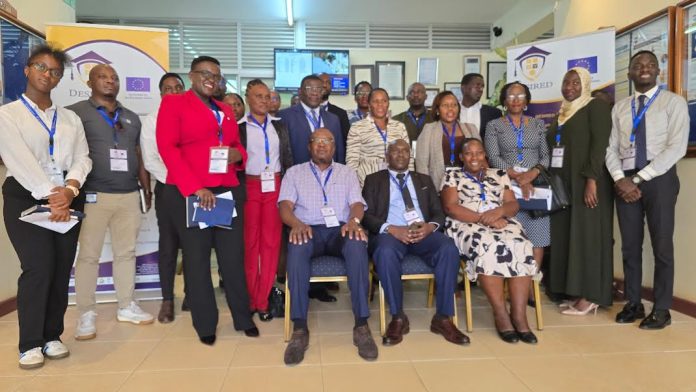
The MAT ABACUS Business School, in partnership with leading universities from Uganda, Nigeria, Portugal, and the Netherlands has officially launched the Developing Employability Skills in Accounting Education (DESIRED) Project; a European Union–funded initiative aimed at bridging the gap between academic learning and workplace demands for accounting graduates.

Valued at €400,000 (approximately Shs1.64 billion), the two-year project seeks to strengthen the employability of accounting students through work-integrated learning, experiential teaching, and closer collaboration between academia and industry.

Speaking at the launch, Mr. Samuel Ssekajja, Chairperson of the DESIRED Project, said the initiative aims to ensure that accounting graduates are equipped with both theoretical knowledge and practical experience needed in today’s competitive job market.

“The DESIRED Project is funded by the European Union to the tune of 400,000 euros and will take two years to implement in both Nigeria and Uganda. The intention is to improve the skill level of accountants we train so that they are work-ready and have some experience about what goes on in the workplace,” Mr. Ssekajja said.

He added that the project will employ practical methods such as internships, case studies, and experiential learning to simulate real-life business environments.

“We are creating work situations in which students are required to make decisions and act. That is what this project is about, and today marks its official kickoff,” he explained.

Mr. Ssekajja also addressed concerns about the cost of accounting services, noting that the focus should be on producing highly skilled professionals rather than reducing costs.

“We are not funding SMEs to pay employees, but we can have accountants who possess better skills to serve. When we train people who understand real workplace demands, both businesses and the economy benefit,” he said.

Delivering his remarks, Prof. Twaha Kigongo Kaawaasa, the First Deputy Prime Minister for Buganda Kingdom, commended the initiative, describing it as a vital collaboration between Africa and Europe to make accounting education more responsive to modern realities.

“This project brings together countries in Europe that are Portugal and the Netherlands and countries in Africa, namely Uganda and Nigeria to ensure that accountants coming out of universities are ready for employment. Employers have noted a gap where universities produce accountants who are not work-ready, and this project is developing new pedagogies and these are methods of training to close that gap,” Prof. Kaawaasa said.

He emphasized that the initiative comes at a time when the world is rapidly changing due to technological advancement.

“We are in a century where artificial intelligence is advancing rapidly, where machines are trying to replace human beings, but human beings remain irreplaceable. We must ensure that accountants are relevant in terms of accounting competence, communication, and other soft skills required by employers,” he noted.

Prof. Kaawaasa further highlighted that the DESIRED Project aligns with Uganda’s transition to competency-based training.

“Universities like MAT ABACUS and others must be ready to produce graduates who are competent and employable. The training must adapt to ensure that students coming out of our institutions meet the expectations of employers,” he said.

Ayeza Mutegeki, a student at MAT ABACUS and one of the beneficiaries of the DESIRED Project, expressed optimism that the initiative would transform the employability landscape for accounting graduates.

“Among students, one of the biggest challenges we face is the lack of jobs — not because they don’t exist, but because we often lack the expertise required,” Ayeza said.

She noted, “Yes, we have studied accounting, but the reality in the workplace is not exactly the same scenario. I believe this program will change the course of accounting education and enhance both our learning and work standards.”

She added that the project connects learners directly to employers through hands-on experiences.

“The project links us to employers through simulations, internships, and other practical engagements. We are learning how things are done in real organizations and how we can adapt those lessons to our future careers,” she explained.

Adding her voice, Associate Prof. Irene Nalukenge, the Deputy Dean of the Faculty of Commerce at Makerere University Business School (MUBS), said the project will be instrumental in addressing the long-standing employability gaps noted by employers.

“I believe that this project; Enhancing the Employability of Accounting Graduates is going to be very handy in improving the employability of our students. It will include practical elements such as internships and mentorships, where students will be placed with different employers to gain real-world experience,” Prof. Nalukenge said.

She noted that many employers have expressed concern over graduates’ lack of essential workplace skills.

“Employers have long been complaining about the readiness of our graduates,” she observed.

She added, “They lack soft skills and the ability to use certain accounting software — issues this project is going to address.”

Prof. Nalukenge added that one of the project’s most important deliverables will be a long-term academic framework for use across universities.

“At the end of this project, we shall have a framework that can be used by our university and other interested institutions to improve the employability of their graduates,” she said.

She added, “We believe this framework will form part of a curriculum that any university seeking to enhance the skills of its students will be able to adopt.”

The DESIRED Project is being implemented by MAT ABACUS Business School, Makerere University Business School (MUBS) and partner institutions in Nigeria, Portugal, and the Netherlands with funding from the European Union.

Its expected outcomes include graduates equipped with job-ready skills, reduced youth unemployment, stronger collaboration between academia and industry and a new generation of empowered professionals driving national growth. 

Stories Continues after ad

Housing Finance Bank secures ISO 2700:2022 certification, reinforcing commitment to customer data security

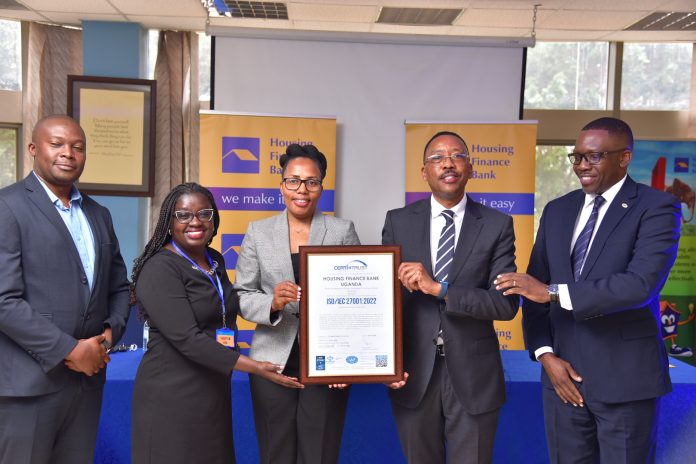
Top Housing Finance Bank and Certi-Trust executives pose for a group photo with the ISO certificate during the handover in Kololo.

KAMPALA, UGANDA – Housing Finance Bank has achieved the ISO 27001:2022 Certification, a globally recognized standard for information security. This certification confirms that the bank has robust systems in place to protect customer data, ensuring privacy, accuracy, and accessibility of information in an increasingly digital world.

For everyday customers, this means that Housing Finance Bank takes concrete steps to safeguard personal and financial information. From online banking to mobile transactions, the bank now meets international standards for managing risks, preventing cyberattacks, and keeping sensitive data secure. In simple terms, your money and information are safer than ever.

The certification follows a thorough independent audit, confirming that Housing Finance Bank has implemented a comprehensive framework for managing information security risks. This includes advanced processes to detect threats, protect data, and maintain the reliability of banking systems.

Earning the ISO 27001: 2022 certification is more than a recognition. It is proof that our customers’ information is treated with the highest level of security,” said Michael Mugabi, Managing Director of Housing Finance Bank. “At Housing Finance Bank, we don not just sell financial services, we sell trust. This milestone reflects our vision to be a trusted, customer-centric digital bank; one that is innovative, resilient, compliant, and ready for the future.”

This certification aligns the Bank’s systems with the best international practices, ensuring that customer information remains secure in an evolving digital landscape.

In an era where digital banking is becoming the norm, this certification is particularly important. It provides assurance that Housing Finance Bank’s systems are built to withstand cyber threats, operate efficiently, and comply with both international and Ugandan data protection regulations.

Aggrey Nkuyahaga, Head Information Security at Housing Finance Bank, added, “This certification reflects our ongoing investment in security and technology. It is a statement of our commitment to protecting our customers’ information, strengthening our internal processes, and building a resilient digital future.

Beyond protecting individual customers, the ISO 27001: 2022 certification positions Housing Finance Bank as a reliable partner for businesses and organizations that require strict data security measures. It also demonstrates the bank’s commitment to adopting global best practices in information security and governance.

As the banking sector continues to embrace digital transformation, Housing Finance Bank’s ISO 27001:2022 certification marks a major step in safeguarding Uganda’s financial data. It ensures that the bank’s services, from home loans to corporate banking, are not only reliable but also secure.

During the event, Mr. Mike Kamau, Managing Director of Certi Trust, the certifying body, remarked: “I am honored to recognize Housing Finance Bank for achieving its ISO 27001:2022 certification. This accomplishment is a testament to the bank’s robust security framework and underscores its commitment to protecting customer trust and strengthening operations in the digital landscape. Congratulations on this significant milestone.”

With this achievement, Housing Finance Bank continues to build trust with its customers and partners, strengthening its reputation as a financial institution committed to security, efficiency, and innovation.

-END-

About Housing Finance Bank Ltd

Housing Finance Bank is one of the 10 largest banks in Uganda with a purpose to finance a sustainable future for all through offering convenient, affordable, and relevant solutions for 58 years.

First incorporated as a private limited company in 1967 as Housing Finance Company Uganda Limited, carrying out business as a non-banking credit institution providing mortgage finance and accepting savings deposits from the public, the bank became licensed and regulated by Bank of Uganda as a Commercial Bank in 2007, to carry on the business of banking under the Financial Institutions Act and changed into a public limited liability company known as Housing Finance Bank Limited. Housing Finance Bank’s vision is to be the preferred business and consumer bank with a focus on Housing finance.

The Bank boasts of 18 branches spread out across Uganda. Find out more details about Housing Finance Bank at www.housingfinance.co.ug

Stories Continues after ad

Roads lead to Speke Resort Munyonyo this weekend as Indian Community celebrates Diwali Festival

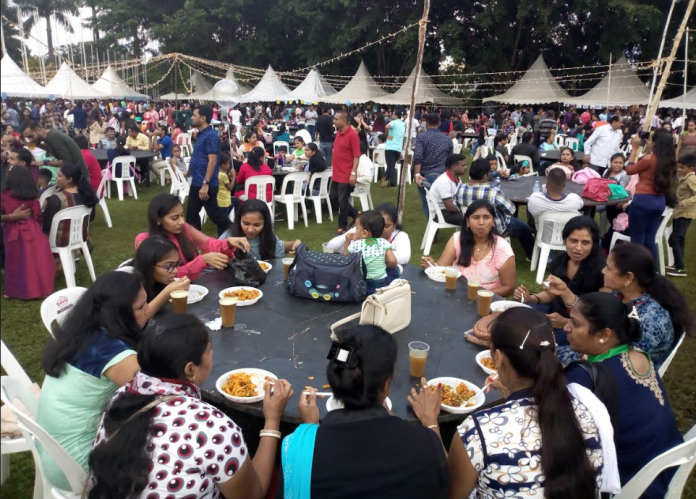
The Indian community in Uganda is set to host the annual Diwali Festival which will take place next Sunday at Speke Resort Munyonyo with thousands of participants from different backgrounds to celebrate culture, food and unity.

The celebration will feature a wide range of activities, including exhibitions of India’s regional delicacies, traditional dances, and cultural showcases. According to organisers, the festival is not only about festivity but also about strengthening ties between communities.

“Diwali represents the victory of good over evil, light over darkness, and knowledge over ignorance,” organisers said, describing it as a universal message that transcends religion and geography.

“It is a festival of hope and renewal and a reminder that light will always prevail even in the darkest of times. It also marks a time for new beginnings in business, personal growth, and spiritual enlightenment,” organizers described.

Over the years, the partnership between the Indian Association in Uganda, the Indian High Commission and the Ruparelia Group has expanded beyond cultural promotion to include charitable activities such as blood donation drives and free heart surgeries for Ugandan children.

“Our partnership has touched lives beyond the Indian community. These initiatives reflect the spirit of Diwali, giving back to society and spreading light to others,” one of the organisers noted.

The festival continues to grow in popularity and is now considered a flagship event for the Indian community in Uganda. More than 100 food stalls and over 15 cultural performances representing various Indian regions are already registered for this year’s edition.

“We inherited the culture of good behaviour and moral integrity, and we must pass it on to our children and future generations. Diwali encourages us to stay righteous, united, and proud of our shared heritage,” organisers added.

Ugandans and members of the international community have been invited to attend and experience one of the most vibrant cultural festivals in the country.

Stories Continues after ad

Works and Transport Ministry takes lion’s share as Treasury releases Shs18.4t for second quarter FY2025/26

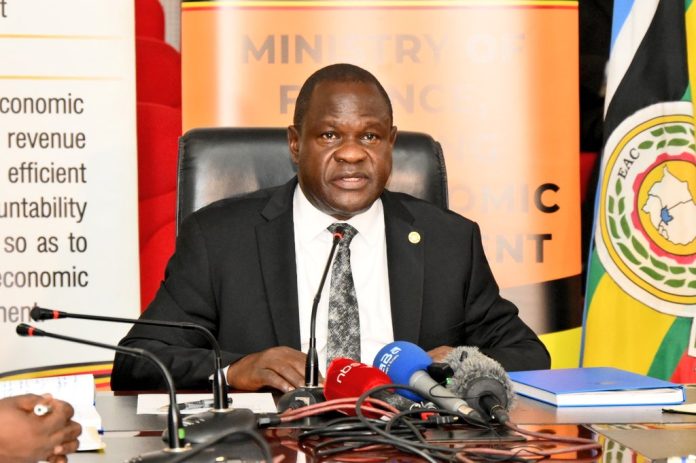
Patrick Ocailap, Acting PSST.

The Ministry of Finance, Planning and Economic Development has released Shs18.43 trillion to various government entities for the second quarter of the 2025/26 financial year, bringing total releases to Shs38.61 trillion, which represents 53.4% of the approved national budget of Shs72.38 trillion.

The announcement was made by the Acting Permanent Secretary and Secretary to the Treasury (PSST), Patrick Ocailap, during a press briefing at the Ministry headquarters on Tuesday.

Ocailap explained that the Q2 disbursement aims to support the implementation of ongoing government programmes, enhance service delivery, and sustain Uganda’s economic growth momentum.

“Out of the Shs72.38 trillion approved for FY 2025/26, the Ministry released Shs20.18 trillion in the first quarter and now Shs18.43 trillion in the second quarter, resulting in a cumulative release of Shs38.61 trillion, equivalent to 53.4% of the annual budget,” Ocailap stated.

He noted that the economy continues to perform strongly, despite the challenging global environment marked by tight financial conditions and supply chain disruptions.

“The economy has continued to expand despite global uncertainties. Growth was largely driven by a sustained recovery in aggregate demand, supported by government initiatives such as the Parish Development Model,”he said.

Uganda’s economy grew by 6.3% in FY 2024/25, up from 6.1% in the previous year, with the nominal GDP rising to Shs227.88 trillion, compared to Shs203.71 trillion in FY 2023/24. Ocailap projected real GDP growth at 7% for FY 2025/26 and above 7% in the medium term, driven by industrialization, infrastructure, and digital innovation.

Key Allocations

Under Statutory Obligations and Institutions, the government allocated Shs7.07 trillion for debt and treasury operations, Shs2.13 trillion for wages and salaries, and Shs339 billion for pensions and gratuities. Parliament received Shs223.64 billion, while the Judiciary was allocated Shs64.06 billion.

To stimulate production and growth under the ATMS Strategy (Agro-industrialization, Tourism, Mineral-based Industrialization, and Science & Technology), several critical sectors were funded:

Agro-industrialization: Shs320 billion for research, operations, and project development.

Tourism Development: Shs 53.65 billion for sector branding, marketing, and hospitality standards.

Mineral-based Industrial Development (including oil and gas): Shs16.64 billion under the Petroleum Authority of Uganda.

Science, Technology, and Innovation: Shs124.25 billion for digital innovation and ICT infrastructure.

Security and Governance

Security and governance institutions also received significant allocations; Ministry of Defence and Veteran Affairs: Shs642.85 billion. Uganda Police Force: Shs161.62 billion. State House: Shs83.97 billion. Uganda Prisons Service: Shs89.67 billion. Office of the President: Shs114.13 billion. ISO and ESO: Shs34.59 billion and Shs18.56 billion, respectively

Electoral Commission: Shs52.71 billion, completing the full funding of its Shs450 billion electoral roadmap for the 2026 general elections.

Infrastructure Development: Works Ministry tops Q2 Releases

The Ministry of Works and Transport received the largest share of the Q2 release of Shs1.703 trillion, with Shs878.68 billion from the Government of Uganda and Shs825 billion from external sources. These funds will support road construction, maintenance, and the completion of Entebbe International Airport.

The Ministry of Energy and Mineral Development got Shs361.55 billion to finance rural electrification, transmission line construction, and power generation projects such as Karuma Hydropower.

The Kampala Capital City Authority (KCCA) received Shs145.68 billion, while the Ministry of Kampala and Metropolitan Affairs was allocated Shs292 billion under the Greater Kampala Metropolitan Urban Development Project.

Human Capital and Local Governments

In the social sectors, the Ministry of Health received Shs471 billion, National Medical Stores (NMS) got Shs205.61 billion, and the National Council of Sports obtained Shs236.77 billion.

The Ministry of Education and Sports received Shs 172.21 billion, while Public Universities were allocated Shs 144.62 billion to support higher education and research.

Local Governments shared Shs390.78 billion, including Shs252.44 billion for capital development projects and Shs138.35 billion for conditional and non-conditional grants.

Domestic arrears and revenue mobilization

The Ministry released Shs187 billion to settle domestic arrears, including utilities, rent, and contributions to international organizations, pending validation by the Auditor General for the remaining balance.

Revenue-generating entities also received funding, with Uganda Revenue Authority (URA) allocated Shs114.9 billion, Uganda Registration Services Bureau (URSB) getting Shs8.45 billion, and National Citizenship and Immigration Control receiving Shs61.42 billion.

“These releases demonstrate government’s continued commitment to ensuring timely implementation of programs that enhance service delivery, infrastructure, and economic transformation,” Ocailap emphasized.

He reaffirmed that the Treasury would continue to monitor budget execution closely to ensure transparency, efficiency, and value for money in the utilization of public resources.

Stories Continues after ad

BrighterMonday Uganda, IUIU partner to host Eastern Region career fair in Mbale

BrighterMonday Uganda (BMU), one of the country’s leading online recruitment platforms, has joined hands with the Islamic University in Uganda (IUIU) to launch the BrighterMonday Uganda Career Fair: Eastern Edition to decentralise employment opportunities and empower young people.

The announcement was made during a joint press briefing held at IUIU’s Kampala Campus, with the event slated for October 17–18, 2025, at the university’s Main Campus in Mbale City. It will be the first large-scale career fair of its kind in Eastern Uganda this year.

Present at the unveiling were key officials including Dr. Taha Ahmad Kasule, Director of IUIU Kampala Campus; Dr. Yunus Walusimbi, Dean of the Faculty of Management Studies; Imma Audrey Grace, Head of Learning and Development at BrighterMonday Uganda; and Jeff Luboga, Head of Workforce Development.

Dr. Kasule reaffirmed the university’s dedication to producing graduates who are ready for the job market.

“At IUIU, we believe academic achievement must translate into employability. This partnership bridges classroom learning with real-world opportunities and prepares our graduates for dignified work,” he said.

He urged students to seize the opportunity, noting that IUIU’s career development initiatives are aligned with Uganda’s employment goals under Vision 2030.

Speaking on behalf of BrighterMonday Uganda, Imma Audrey Grace emphasised the significance of taking such initiatives beyond Kampala.

“We’re thrilled to collaborate with IUIU. The Eastern Region is rich with untapped talent, and this fair will connect over 40 top employers directly with young professionals eager to join the workforce,” she said.

Grace added that the event is not merely about job placements but also about long-term career empowerment.

“This isn’t just a job fair; it’s a comprehensive career development experience that blends recruitment, training, and professional networking to ensure young people are not only employed but sustainably employable,”Grace said.

Uganda’s youth aged 18 to 30 make up more than 22 percent of the population, and the fair aims to provide much-needed career pathways for this growing demographic.

More than 5,000 job seekers from across Eastern Uganda and neighbouring regions are expected to attend. Participants will engage with employers from key sectors such as agribusiness, manufacturing, trade, and telecommunications, as well as attend workshops on CV writing, interview preparation, communication, and entrepreneurship.

Stories Continues after ad

Ethiopia accuses Egypt of hostile ambitions over River Nile and reaffirms right to equitable water use

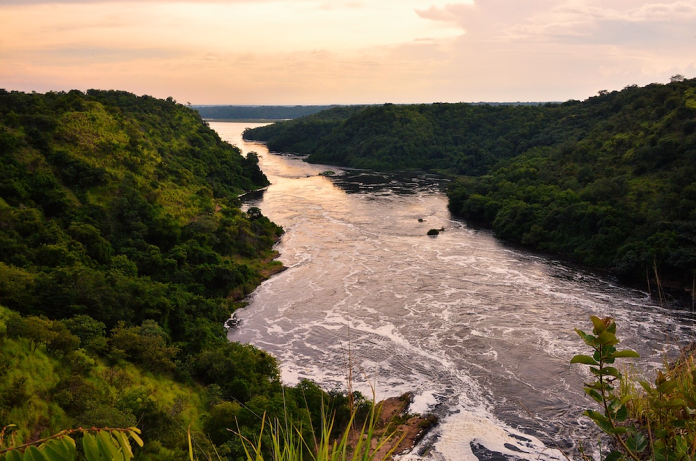
River Nile.

Ethiopia has condemned Egypt’s hostile rhetoric and hegemonic ambitions over the Nile River and the Grand Ethiopian Renaissance Dam (GERD) asserting that Cairo’s approach undermines regional cooperation and mutual benefit among Nile Basin countries.

In a statement released by Ethiopia’s Ministry of Water and Energy, Addis Ababa said Egypt continues to cling to colonial-era mindsets and unfounded claims of historic rights to the Nile waters while disregarding the sovereignty and needs of other riparian nations.

“Egypt has intensified its hostile rhetoric against Ethiopia over the Nile River and the Grand Ethiopian Renaissance Dam. This belligerent approach has been a gathering routinely used to advance Egypt’s unlawful and hegemonic ambitions over the Nile River Basin,” the statement reads.

The ministry criticized Egypt’s recent remarks portraying its development assistance to African nations as a gesture of solidarity, arguing that such statements misrepresent the spirit of true African cooperation.

“Egypt’s skewed interpretation of African solidarity is evident in such statements,” it added. 

The statement further reads,“In this limited view, Nile Basin countries are portrayed as recipients of symbolic Egyptian assistance; a well here, a solar panel there rather than equal partners in development.”

Ethiopia emphasized that genuine solidarity requires acknowledging “the right of all nations and peoples to development” and respecting each country’s fair share of the Nile’s resources.

“Genuine solidarity requires recognizing the legitimate right of all riparian countries to utilize the Nile fairly and equitably as a shared resource,” the ministry noted.

The statement accused Egypt of employing “proxy shenanigans” and “ill-conceived attempts” to pressure Ethiopia into abandoning its rightful use of the Nile’s waters. It reaffirmed that Ethiopia, as the source of 85 percent of the river’s flow, will not be deterred.

“Ethiopia’s rise is a reality that cannot be reversed despite all the machinations and misguided policies of its adversaries,” the statement declared.

The ministry also praised Ethiopia’s record of professionalism in dam management and environmental sustainability, pointing to the Green Legacy Initiative as a model Egypt could learn from.

“Ethiopia’s Green Legacy Initiative afforestation drive and its salutary effect on the GERD are lessons Egypt should draw from,” it stated.

Ethiopia reaffirmed its commitment to diplomacy and regional cooperation through the Nile Basin Cooperative Framework Agreement (CFA), the only inclusive basin-wide treaty in the region. The ministry reiterated that Ethiopia “has never initiated diplomatic spats or issued unwarranted belligerent statements” and remains open to dialogue based on equality and mutual respect.

“Water security can only mean equitable and reasonable utilization of the Nile River by all riparian states,” the ministry noted.

Stories Continues after ad

Driving In Kenya As A Tourist

Kenya, the pride of Africa is also one of the best countries you can visit, or do a self drive, road trip in Africa, after Uganda. It has very magnificent sceneries especially the Great Rift Valley and the coastal beauty of Mombasa and the bustling streets of Nairobi. This makes a self-drive adventure in Kenya worth experiencing.

Driving in Kenya is always made possible by car rental companies such as Your Drive Uganda, that makes your ideal road trip come to life. We provide the best cross border services at very affordable prices, for any car you desire.

However, before engaging in road trip in Kenya, there is a series of essential rules, practical tips and requirements one must know that make driving there both safe and enjoyable.

Driving Requirements for Driving as a Tourist in Kenya

Passport: It is incumbent of the visitor to move with their passport for customs and security purposes.

Insurance: Tourists must ensure their cars have comprehensive insurance, provided by their car rental companies that helps recover the vehicle in case it is stolen.

Car Rental Agreement: The tourist must have the car rental Kenya agreement of the agency to prove they are in legal possession of it. The car log book can be added to make it easy to cross the border.

Valid driver’s license: One must have a valid driver’s license so as to drive in the country legally. However, if one doesn’t have their home country’s license, they must possess an international driver’s license.

Minimum age: The legal driving age in Kenya is 18 years, as one is seen as an adult. However, most car hire companies prefer a person who is at least 23 years and with a driving experience of at least two years.

Road Rules and Regulations

Alcohol usage: As it is in Uganda, and most countries in the world, driving under the influence of alcohol is highly punishable by law. The Blood Alcohol Concentration (BAC) should be 0.08%, beyond this, one is considered to be drunk and therefore cannot drive.

Driving side: The driving side in Kenya is left.

Road blocks: These are always set by traffic police officers and the drivers must always be cooperative, polite and adhere to what the officers say at those stops.

Speed limits: Different roads in Kenya have different speed limits such as

Urban roads: 50km/h

Rural roads: 80km/h

Highways: 100km/h

Seat belts: This mandatory for all car users to prevent head injuries in cases of collision.

Mobile phone usage: It is against the law to drive while using a mobile phone as it can cause accidents.

Road Conditions

Not far from Uganda, the road conditions of Kenya are in good condition in general.

Navigation: GPS operates well in most parts of the country but in far remote areas, it doesn’t. Therefore, it is very wise to download offline maps for easy navigation.

Muram roads: These are very common in remote areas of the country, characterized by rugged terrain.

Tarmac roads: These are the commonest especially in urban areas such as in major cities, connecting to highways and are the easiest to navigate through.

There are different car rental options such as self drive Kenya suitable sole travellers who love flexibility.

Car hire with a driver: It is suitable for those tourists who want to freedom and relaxation during a road trip.

Safety Tips for Tourists to drive in Kenya

As a tourist, one should avoid driving at night since you are not well versed with the area and most areas don’t have adequate lights.

Fuel adequacy should always be checked because when driving in remote areas, it is hard to find filling stations.

Tourists should be ware of motor cycles, pedestrians and stray animals.

Places to visit while driving in Kenya

Nairobi National Park- to view white rhinos, elephants and hippos among others

Masai village- traditional pastoralist life style, vibrant attire, unique culture.

Lake Nakuru- to view flamingo populations

Mountain Kenya loop: It is a favourite place for hikers

Fort Jesus – a historic site because it is an example of the 16th century Portuguese military fortifications.

Best Times to Visit Kenya during a Self Drive in East Africa

It’s during the dry when one can enjoy Kenya- that is in the months of June- September and December- February.

March-May and October to December (wet season) are also interesting times to Kenya, as there is a lot of rainfall, so visitors can watch animals during their gestation period.

Stories Continues after ad