Stanbic Bank
Stanbic Bank
17.8 C
Kampala
Stanbic Bank
Stanbic Bank
Home Blog Page 97

Uganda overtakes Ethiopia to become Africa’s top coffee exporter

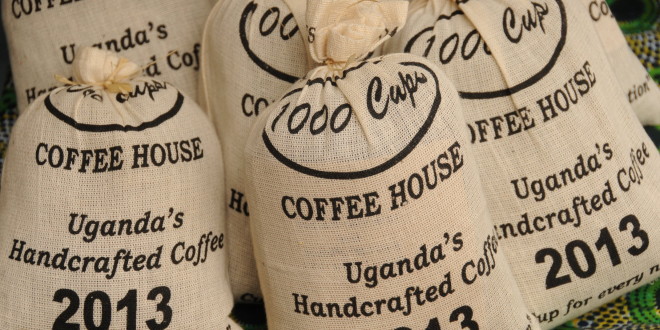
Coffee is Uganda's leading export.

Uganda has become Africa’s leading coffee exporter after overtaking Ethiopia for the first time in recent history, according to data released by the Ministry of Agriculture, Animal Industry and Fisheries.

In May 2025 alone, Uganda exported 793,445 60-kilogram bags of coffee, equivalent to 47,606.7 metric tons, earning approximately $243 million in revenue. This volume surpasses Ethiopia’s export tally of 43,481.02 tons for the same month, marking a significant turning point in the continent’s competitive coffee trade.

“Uganda’s coffee industry has reached a historic milestone,” the ministry said in a statement issued in Kampala.

The ministry added, “The country has now emerged as Africa’s leading coffee exporter, signaling a decisive shift in regional trade dynamics.”

While Ethiopia has long been regarded as the birthplace of Arabica coffee and a continental export leader, Uganda’s steady growth—driven by reforms, farmer education, and market expansion—has propelled the country into the spotlight.

The Ministry credited Uganda’s success to deliberate government interventions, including stricter quality control measures, intensive farmer training programs, and improved access to high-yielding seedlings and fertilizers. These measures, the statement said, have enhanced both the quantity and quality of Ugandan coffee, making it increasingly competitive in international markets.

“Ugandan coffee is now prized globally for its rich, diverse flavor profiles, particularly its Robusta and highland Arabica varieties,” the ministry added.

Industry analysts point to Uganda’s strategic focus on value addition and farmer empowerment—championed by agencies like the Uganda Coffee Development Authority (UCDA)—as key drivers behind the country’s upward trajectory in the global coffee value chain.

With the main coffee harvest season underway across major growing areas, including the Central, Eastern, and Western regions, officials anticipate even higher volumes in the coming months.

Uganda is currently the world’s largest exporter of Robusta coffee, and the second-largest coffee producer in Africa after Ethiopia, which grows mostly Arabica. However, in terms of export volumes, Uganda has now taken the lead—thanks to a strong logistical network and favorable export policies.

“This achievement is not just a statistical win, but a testament to the resilience and innovation of our farmers and traders,” said a senior ministry official.

Uganda exports coffee to more than 30 countries, with major destinations including: Italy, Germany, Spain, India, Sudan, Belgium, China, Algeria, United States and Morocco.

The broad global footprint reflects Uganda’s success in meeting the quality and certification standards of both traditional and emerging markets.

As global demand for specialty and sustainably produced coffee continues to rise, Uganda’s challenge will be to maintain its export momentum while also increasing domestic value addition and brand visibility.

Government officials say continued investment in processing infrastructure, farmer cooperatives, climate-smart practices, and digital tools for traceability will be essential for sustaining growth.

Stories Continues after ad

Museveni orders ban on Balaalo cattle movements, directs AG to criminalize land misuse

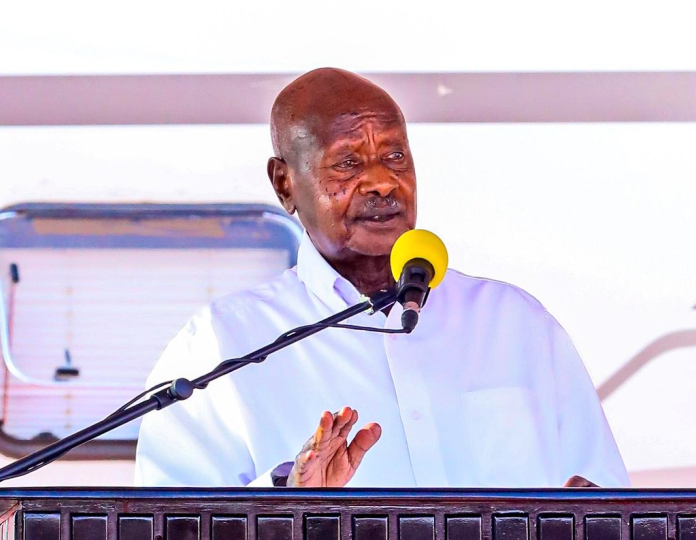
President Museveni.

President Yoweri Museveni has issued a new Executive Order banning the unregulated movement of Balaalo cattle herders into Northern, Eastern and North-western Uganda, citing escalating land conflicts, destruction of crops and public health risks.

In Executive Order No. 2 of 2025, issued on June 1, Museveni also directed the Attorney General to draft a law criminalizing the practice of free-ranging livestock in areas without fenced land and permanent water sources.

“It is now technically impossible to have a healthy, mutually beneficial, and conflict-free movement of unregulated cattle into these areas of our country,” the President said, pointing to land tenure disputes, blocked access to water and crop destruction by roaming animals.

The directive, which follows up on Executive Order No. 3 of 2023 comes amid growing tensions between local communities and incoming pastoralists, some of whom have been accused of forcefully settling on communal land, fencing off public resources and triggering violent conflicts.

“It is criminal and very unfair to the locals to introduce free-ranging cattle in these areas because they will inevitably trample and feed on people’s crops,” Museveni stated.

He added, “Even when you fence, but do not have a permanent water source, the cattle will stray during dry seasons in search of water and eat crops in the process.”

The President acknowledged that some herders had acquired land legally and established water sources but warned that these cases would still be audited. He announced the formation of a committee to vet land ownership claims and assess whether access to natural resources like the River Nile had been unfairly blocked.

“The logical answer is to remove all those cattle brought into these areas so that we achieve two long-term solutions: first, to ban completely any movement of free-ranging livestock into these areas; and second, to assess legitimate land claims without tension,” he directed.

He further condemned past incidents where herders, acting “blindly and indisciplined,” even crossed into Tanzanian national parks and triggered outbreaks of foot-and-mouth disease that affected Uganda’s dairy and beef industries.

Museveni emphasized that the National Resistance Movement (NRM) remains committed to patriotism, Pan-Africanism and social-economic transformation, but warned against “internal colonialism” where one group’s economic activities infringe on the rights of others.

“We must never frighten any of our communities with the fear of internal colonialism where some groups trample on the legitimate rights of others. There were such mistakes in the past they will not be permitted to happen under the NRM,” he declared.

The President’s remarks also addressed the broader East African integration agenda, making it clear that while Uganda supports the free movement of goods, services, labour and capital, rural-to-rural migration for agricultural purposes must be regulated to prevent tensions across the region.

“Whenever we are discussing the East African Federation, fears often arise about rural lands being invaded by land-hungry immigrants. It is, therefore, crucial to assure our partners that such migration can and will be regulated,” Museveni said.

He criticized what he described as “artificial overcrowding” narratives used by some herders to justify relocation, arguing that land scarcity is often the result of primitive agricultural methods. He called on displaced pastoralists to adopt modern, intensive farming on smaller plots or reinvest in trade and business in their home regions.

“Let them sell the cattle that have multiplied on account of the free pasture they have accessed in these unplanned actions and buy smaller pieces of land where they traditionally live or build shops in trading centres,” Museveni advised.

Museveni also reflected on historical land reforms, noting that Uganda’s 1995 Constitution deliberately decentralized land management to avoid politicized disputes.

“The Uganda Land Commission was removed from managing all land in the country. That power now rests with District Land Boards to avoid the distortion that outsiders are coming to take our land,” he said. Adding, “You can imagine the noise around this issue if the national commission was involved. But we foresaw that trap.”

He further noted that by not decisively acting, it encourages new influx. These colonial-style injustices should not and cannot happen under the NRM.

Stories Continues after ad

South Africa commended for leading HIV fight as UNAIDS pledges support

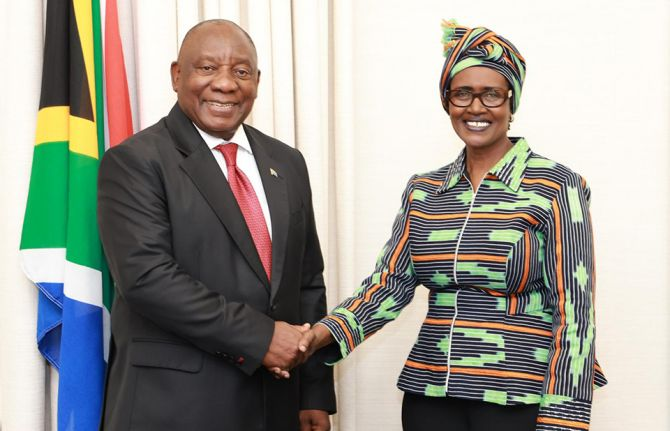
The Executive Director UNAIDS Winnie Byanyima with South Africa's President Cyril Ramaphosa after holding talks on the HIV/Aids fight.

The Executive Director of UNAIDS, Winnie Byanyima has concluded a four-day mission to South Africa with a powerful endorsement of the country’s commitment to fighting HIV, despite mounting pressure from global funding cuts that are threatening progress on the ground.

Her visit, which included high-level meetings with President Cyril Ramaphosa and Health Minister Dr. Aaron Motsoaledi, came at a time when South Africa—home to the world’s largest population of people living with HIV—is working to plug critical financial gaps in its national HIV response.

Ms Byanyima used the mission to spotlight both the urgency of the crisis and the resilience of the South African government and civil society.

“I came here to listen, to understand and to support South Africa, the country with the highest burden of HIV,” said Ms Byanyima.

She added, “Around 7.8 million people are living with HIV here. UNAIDS is supporting the government to ensure prevention is scaled up and that everyone in need gets access to treatment. The goal to end AIDS by 2030 is still within reach—if we act decisively.”

A key focus of her visit was the impact of global HIV funding cuts, particularly from the United States, which has significantly scaled back support for HIV services. Ms Byanyima visited the Itireleng Community Health Centre in Soweto where she met frontline health workers and community monitors who revealed how the loss of U.S. funding has led to the closure of 12 key population clinics, loss of over 8,000 health worker jobs, and disruptions in medicine supply chains and data systems.

“In Soweto, I saw firsthand what these disruptions mean,” said Ms Byanyima. “It’s being felt most by the vulnerable—especially adolescent girls and young women aged 15–24, who account for a third of all new HIV infections in the country. That’s 1,057 new infections each week. This is a gap we cannot afford.”

Despite these challenges, she praised South Africa’s determination to fill the gaps left by external donors. Seventy-six percent of the country’s HIV response is now funded domestically. She welcomed recent efforts to absorb patients from closed clinics into public health centres and initiatives like the new Hillbrow clinic providing targeted care for sex workers.

Ms Byanyima also revealed ongoing efforts by the South African government to secure additional resources for AIDS research, including talks with the Wellcome Trust and the Gates Foundation to address cuts that could stall vaccine development.

“Government leadership matters,” she said, adding, “The financial and political commitment South Africa continues to show—even in the face of international shortfalls—is inspiring. It proves that progress is possible with local ownership and determination.”

Her mission also aligned with the G20 Health Working Group meeting in Johannesburg, where South Africa is currently serving as G20 President. Ms Byanyima reaffirmed UNAIDS’ support for South Africa’s G20 leadership, particularly in efforts to expand access to medicines, support local pharmaceutical manufacturing, and advocate for financial reforms such as debt relief and fairer tax systems to unlock health spending in low- and middle-income countries.

She said, “The world must recognize that inequality is at the heart of the AIDS pandemic. Through the G20, South Africa is leading a global conversation to expand fiscal space and end the social and structural barriers holding back progress.”

Ms Byanyima also voiced her support for the Close the Gap campaign, recently launched to ensure 1.1 million more people in South Africa can access life-saving HIV treatment.

As South Africa prepares to co-host the Eighth Replenishment of the Global Fund to Fight AIDS, TB, and Malaria, UNAIDS has committed to working closely with the country to ensure global solidarity is restored and scaled up.

Stories Continues after ad

Uganda presents eight high-value investment cases in agriculture

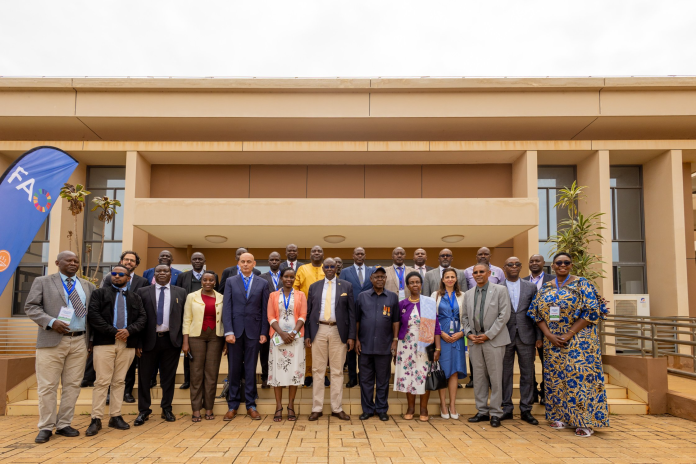
Participants at the ongoing Agrifood Systems Investment and Financing Conference.

Uganda has listed eight high value investments in agriculture as presented at the ongoing Agrifood Systems Investment and Financing Conference.

Samson Akankiza, Commissioner at Ministry of Agriculture, Animal Industry and Fisheries (MAAIF) has presented eight carefully analysed agricultural investment opportunities aimed at attracting both domestic and international investors.

Mr. Akankiza noted that Uganda’s economy, currently valued at $55 billion, continues to grow steadily at a rate of 5.3%, with agriculture contributing 24% to the GDP.

He emphasised that agriculture remains the backbone of Uganda’s economy and a key driver in the country’s ambition to grow its economy tenfold in line with Vision 2040.

He reported that Uganda’s strategic direction is focused on transitioning from subsistence farming to a middle-income status, while tackling poverty and unemployment.

This transformation, he explained, is aligned with the Hand-in-Hand Initiative of FAO and Uganda’s own commitments under the Sustainable Development Goals (SDGs).

Commissioner Akankiza emphasised that Uganda is among Africa’s most rewarding investment destinations, citing its location at the heart of regional trade blocs such as the East African Community (EAC), COMESA, and the African Continental Free Trade Area (AfCFTA), which collectively provide access to over 900 million consumers.

He added that investors benefit from a liberal economy, low labour costs, guaranteed profit repatriation, and generous tax incentives including income tax holidays and zero import duty on agricultural machinery.

He presented eight investment cases and expected returns:

Dairy Processing: Uganda currently produces 5.4 billion litres of milk annually, yet much of it remains unprocessed. Mr. Akankiza proposed establishing four modern milk processing plants across different regions, each with a capacity of 500,000 litres per day.

He reported an internal rate of return (IRR) of 25.8% and a payback period of four years for micro-scale investments starting at $1.2 million.

Animal Feeds and Pastures: He highlighted significant gaps in feed supply, including a 360,000-ton deficit for cattle and over 3 million tons for poultry. With a livestock population of over 122 million poultry, 16.4 million cattle, and 1.7 million pigs, the demand is clear.

The IRR stands at 26.7%, with investment options ranging between $2.3 million and $6.1 million.

Foot and Mouth Disease Vaccine Production: Uganda needs over 32 million doses annually. Mr. Akankiza revealed that government and private players could invest jointly in a $85.42 million facility, with an IRR of 6.8% and a payback period of four years.

Maize Processing : With annual maize production at 4.8 million tons, there is untapped potential in value-added products like maize oil, cornflakes and starch. Investors could expect returns as high as 29.4% IRR with micro-scale investments starting at just $100,000.

Beef Processing: The Commissioner reported that Uganda exports 125,000 metric tons of beef, valued at $1.53 billion. A modern abattoir capable of processing 100 cattle per day was proposed, with a projected IRR of 38.4% and a payback period of six years.

Hides and Skins (Leather) Processing: Uganda generates over 5 million hides annually. Mr. Akankiza said that value addition through wet blue, crust and finished leather processing could yield a 31.6% return and payback within four years.

One-Stop Input and Mechanization Centres: These centres would provide quality inputs, equipment, and advisory services to farmers. Investment starts at $140,000 for micro-level investors, with an IRR of 22.5%.

Banana Processing: As a major staple crop, bananas have great export potential. Investment in banana wine, juice and fibre could bring in returns of 30.4%, with payback in under five years.

He encouraged investors to take advantage of Uganda’s enabling environment, supportive government policies, and ready regional and global markets

Stories Continues after ad

Equity Bank Uganda donates Shs50m to support Benny Hinn Miracle Crusade

Equity Bank officials handover a dummy cheque to Miracle Centre lead Pastor Robert Kayanja.

Equity Bank Uganda has donated Shs50 million to Pastor Robert Kayanja of Miracle Centre Ministries in support of the highly anticipated three-day crusade featuring internationally renowned evangelist Benny Hinn.

The cheque was officially presented on Tuesday afternoon by Catherine Psomgen, Equity Bank Uganda’s Director of Public Sector and Social Investments. The gesture underscores the bank’s ongoing partnership with Pastor Kayanja’s ministry.

Over the years, Equity Bank has collaborated with Miracle Centre Ministries on various community development initiatives, including a transformational agriculture project launched in Karamoja in 2023. These initiatives align with the bank’s broader commitment to social impact and economic empowerment, particularly in vulnerable communities.

“This collaboration reflects our mission to transform lives and restore dignity within underserved communities,” said Psomgen. “It also supports our Africa Recovery and Resilience Plan, which prioritizes agricultural development—currently representing 30% of our total lending portfolio.”

The upcoming crusade will feature Toufik Benedictus “Benny” Hinn, a globally recognized televangelist of Israeli-Palestinian descent. Famous for his large-scale “Miracle Crusades” held in stadiums across the globe, Hinn’s healing and revival meetings are broadcast worldwide on his television program This Is Your Day.

The event is expected to draw thousands of worshippers and marks a major moment for Uganda’s faith community.

Stories Continues after ad

Parliament approves KCCA land leases amid council oversight dispute

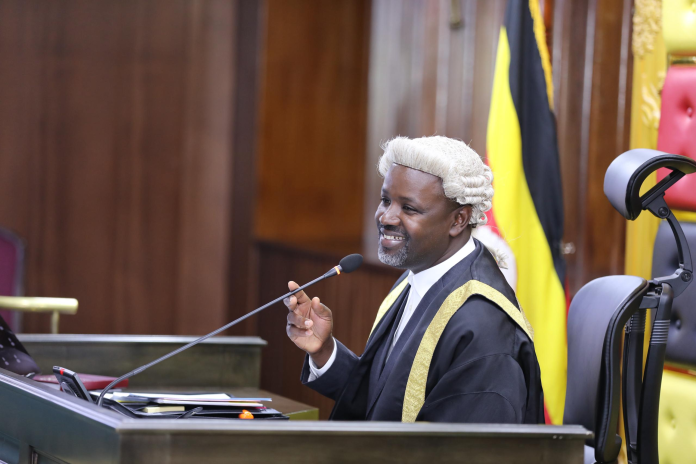
Deputy Speaker, Thomas Tayebwa.

Parliament has approved a proposal by the Kampala Capital City Authority (KCCA) to lease out prime land in Lugogo and Kamwokya to raise revenue for the Authority, despite objections from several Members of Parliament (MPs) who argued that the KCCA Council had not sanctioned the move.

The decision was made during Tuesday’s plenary sitting after Kabuye Kyofatogabye, Minister of State for Kampala Capital City and Metropolitan Affairs, tabled before the House valuation reports and clearances from the Ministry of Lands and the Ministry of Finance. These documents were among the requirements Parliament had earlier set before revisiting two previously rejected lease proposals.

However, the presentation drew resistance from Tororo Woman MP Sarah Opendi, who questioned the absence of a formal resolution from the KCCA Council—the statutory body mandated to initiate such transactions.

“I recall seeing a letter from the Speaker of the Council stating that the Council had not discussed the disposal of these properties,” Opendi said.

She added, “Would it not be proper and procedural for the Minister to also present a resolution by the Council before Parliament proceeds with approval? Otherwise, this House risks being used to rubber-stamp decisions driven by personal interests.”

Her concerns were echoed by Leader of the Opposition Joel Ssenyonyi, who emphasized the need for legal and procedural rigor in handling public assets.

“According to KCCA’s land use and management policy, Council must first authorise any lease or disposal by resolution,” Ssenyonyi argued. “There was no such resolution the last time this came up, and even now, one hasn’t been presented. Parliament must ensure that all properties under consideration—those already approved and the new ones—are backed by a proper Council resolution.”

Ssenyonyi referenced a letter, purportedly from the Council Speaker, confirming that no resolution had been passed authorising the Executive Director to proceed with the land leases.

Despite the objections, Deputy Speaker Thomas Tayebwa overruled the concerns, citing Section 34(6) of the Public Finance Management Act, which he said only requires parliamentary approval—not that of the local Council—for such leases.

“The law is clear: Parliament must pass the resolution. It does not require any institutional policy or Council resolution,” Tayebwa said. “If due process isn’t followed, the Solicitor General will reject it. But our legal mandate here is parliamentary approval.”

Tayebwa added that Parliament had previously debated the matter extensively and directed KCCA to provide the necessary valuation reports and clearances, which the Minister had now submitted. He then called a vote. Although the nays were louder, Tayebwa ruled that the ayes had carried the day.

Earlier in the day, before the plenary session, Monica Edemachu, Under Secretary at the Ministry of Kampala Capital City and Metropolitan Affairs, appeared before the Public Accounts Committee (PAC) and denied knowledge of KCCA seeking parliamentary approval to lease two key land parcels—one of which had been earmarked for youth development.

“The Ministry has no mandate to allocate land; that’s KCCA’s domain,” Edemachu said. “We only play an oversight role. The matter you’re raising is new to me, and I’ll need more information on the board that allocated the land.”

But Butambala County MP and PAC Chairperson Muwanga Kivumbi dismissed the response, accusing the Ministry of abdicating its oversight responsibility.

“You can’t say you’re unaware,” Kivumbi retorted. “The Ministry is charged with planning and development oversight. You were here in Parliament when you brought the lease approvals, including land meant for youth centres. Instead of implementing the Kampala Economic Development Strategy to set up youth empowerment centres, you’re giving away that land to furniture shops.”

Kivumbi further defended the need for parliamentary scrutiny, recalling that the law had been amended specifically to require parliamentary approval for local government land leases—to prevent the misuse and loss of public assets such as recreation grounds and youth centres.

Background on the land in question

On April 1, 2025, the Executive Director of KCCA wrote to Parliament seeking approval to lease not dispose of the following properties:

Plot 2, Kenneth Close in Kamwokya (Youth Alive)

Plot M731, Old Kira Road

Plot M880, off Spring Road

Plot 406, Namirembe

Plots M69 and M70 in Lugogo

KCCA justified the proposal as a revenue-generating measure through ground rent and property rentals, aimed at boosting the Authority’s budget for the next financial year.

Parliament had previously approved leases for Plot M880 (off Spring Road) and Plot 406 (Namirembe), but withheld approval for the Kamwokya and Lugogo plots. MPs directed KCCA to expedite valuation for Plot 2 (Kamwokya) and Plots M69 and M70 (Lugogo), and to obtain clearance from the Ministry of Finance for Plot M731 (Old Kira Road).

Despite lingering concerns over procedural gaps and alleged disregard for Council oversight, Parliament has now cleared all remaining plots—paving the way for KCCA to proceed with the leases.

Stories Continues after ad

Proposed energy conservation law likely to worsen energy poverty in Uganda

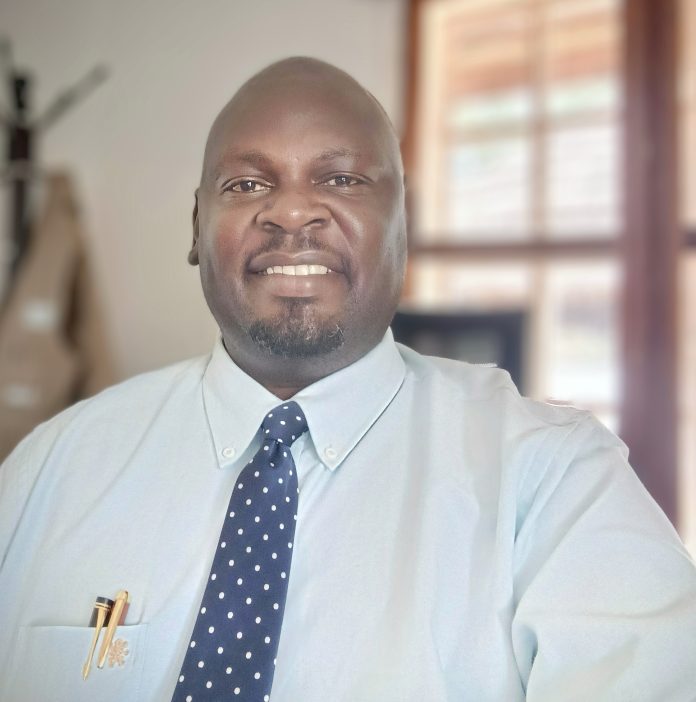
Mr. Deus Mukalazi

By Mukalazi Deus

Board Chair, UBUNTALISM GLOBAL LTD – A member of MUNGAANO INITIATIVE FOR CLIMATE JUSTICE).  mubirudeus22@gmail.com

In recent years, Uganda has taken important steps toward addressing the climate crisis and improving its energy sector. One of the latest developments is the proposed Energy Efficiency and Conservation Bill 2024, aimed at promoting efficient energy use and reducing environmental harm. While this proposed legislation is a step in the right direction in terms of sustainability, there is growing concern that it could unintentionally worsen energy poverty—particularly for Uganda’s most vulnerable populations.

The concept of energy poverty is about the inability of households to access adequate energy for essential services, including cooking, heating, cooling, and lighting. Energy poverty has several dimensions, including energy access, adequacy, convenience, reliability, and affordability.

Energy poverty remains a vexing issue in many countries, particularly low-income countries like Uganda. According to International Energy Agency (IEA)’s Energy Access Outlook of 2021, roughly 840 million people globally do not have access to electricity, and 2.9 billion people rely on traditional solid fuels such as charcoal and wood for cooking and heating. Multiple studies have documented that energy poverty is associated with severe physical and mental health consequences. Ensuring energy prices at affordable levels, raising investment in infrastructure, and widening redistributive government policies are only some potential ways to fight energy poverty. However, many developing countries struggle with balancing the burning needs of eradicating energy poverty and the priorities of meeting the climate change agenda. That trade-off may put many more under the energy poverty line if a just agenda is not made the focus of the current energy transitions.

Uganda currently faces a significant energy access gap. According to data from the Uganda Bureau of Statistics, over half of the population still lacks access to electricity. In rural areas, this figure is even higher. Many households rely on traditional energy sources such as firewood, charcoal, and kerosene, which are not only inefficient but also pose serious health and environmental risks. The proposed energy conservation and efficiency law seeks to phase out such sources and enforce efficiency standards for energy appliances, among other measures. This proposed law is part of the ambitious policies being implemented by countries globally to meet their Nationally Determined Contributions (NDCs).

The goals and aims of such laws and policies align with international climate commitments.  However, these policies have raised concerns about energy poverty, leading to rising energy prices worldwide, partly due to more stringent environmental regulations.  Implementing more stringent climate laws in Uganda without addressing affordability and energy infrastructure concerns will exacerbate the problem of energy poverty.

One of the key issues is that the law may place new financial burdens on households and small businesses that cannot afford to transition to energy-efficient alternatives. For example, many people still use low-cost, second-hand electrical appliances that do not meet modern efficiency standards. Under the proposed regulations, such appliances could be banned or heavily taxed, pushing people further into energy poverty. Similarly, small-scale businesses that depend on affordable but less-efficient machinery may face fines or increased operational costs, threatening livelihoods in an already fragile economy.

Moreover, the proposed law assumes a level of awareness, access, and purchasing power that many Ugandans do not have. Without targeted subsidies, phased implementation plans, and robust public education campaigns, the transition to energy efficiency risks becoming a top-down initiative that alienates the very communities it seeks to help. It is important to recognize that energy poverty is not just a matter of availability but also affordability and usability.

To avoid these negative consequences, the Ugandan government must take a more inclusive approach to energy conservation. This includes providing financial incentives for adopting efficient technologies, investing in rural electrification, and engaging communities in the law-making process. Public-private partnerships could also play a role in making renewable and efficient energy solutions more accessible and affordable.

In conclusion, while the proposed energy conservation law is a necessary step toward environmental sustainability, it must be carefully designed to avoid deepening existing inequalities. The effectiveness and feasibility of energy poverty reduction policies, which, according to available evidence, have delivered limited success even in developed countries, are expected to be weaker in the context of developing countries. Moreover, it is essential to carefully consider the particular context and challenges facing different communities and develop tailored solutions that consider the social, economic, and technical factors in each context. Energy justice requires that all Ugandans—not just the urban elite—benefit from clean and affordable energy. Conservation efforts must go hand in hand with expanded access, social equity, and long-term economic support. Without this balance, the law may solve one problem only to create another.

Stories Continues after ad

Tayebwa unveils Kayoola EVS 2025, hands over first unit to UCAA in boost for green mobility

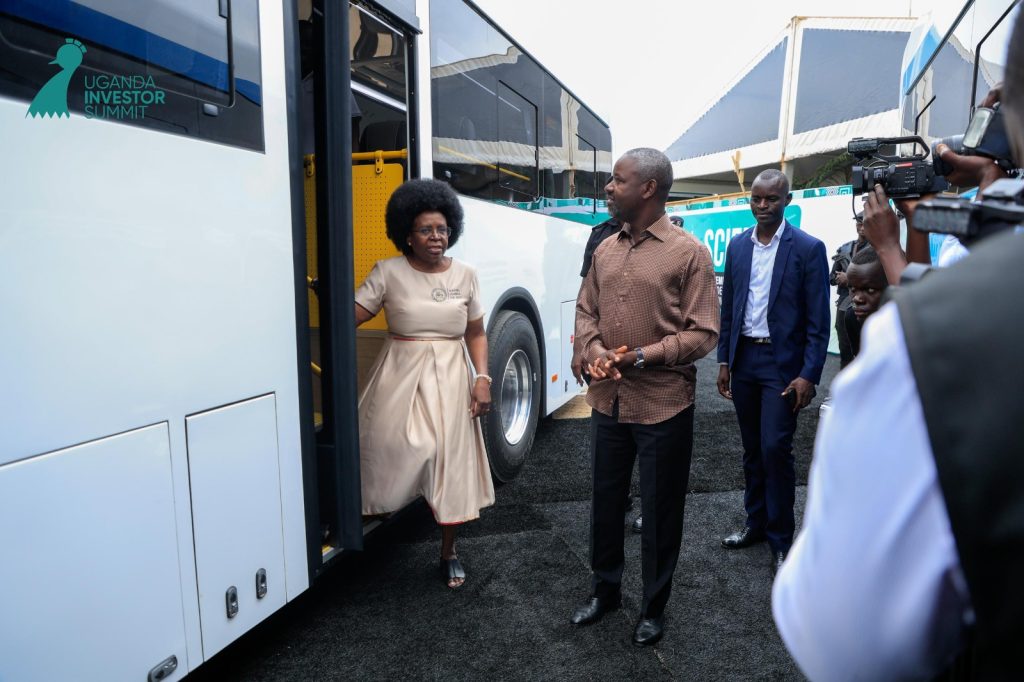
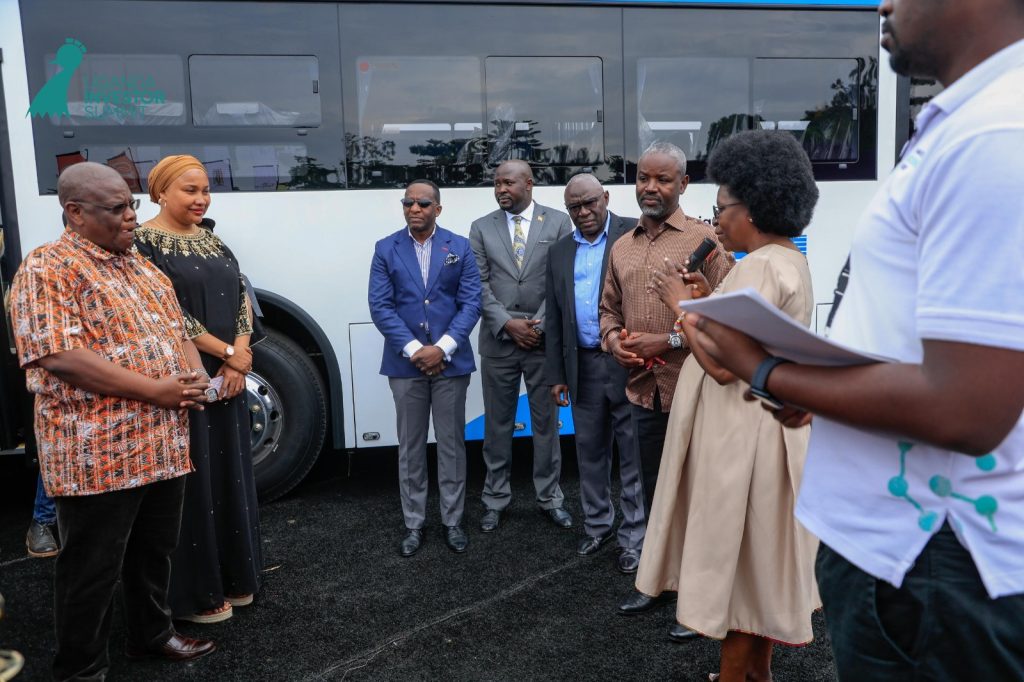
The Deputy Speaker of Parliament, Thomas Tayebwa has unveiled the Kayoola EVS 2025, Uganda’s newest electric bus model, and officially handed over the first unit to the Uganda Civil Aviation Authority (UCAA) signalling a new chapter in the country’s green mobility revolution.

The ceremony, held at the closing of National Science Week 2025, was attended by Minister of Science, Technology, and Innovation Dr. Monica Musenero and Kiira Motors Corporation (KMC) CEO Paul Isaac Musasizi.

Tayebwa commended the innovation as a powerful symbol of Uganda’s technological self-determination.

“It is time to believe in our own,” Tayebwa said, noting, “What we are importing from abroad is not even comparable. These are home-grown solutions, built by our own people, for our own needs.”

The Kayoola EVS 2025, manufactured by KMC, is a state-of-the-art electric bus designed for African urban environments. With a range of up to 350 kilometers, it boasts a 56-passenger capacity and modern features including Wi-Fi, HVAC, USB charging ports, ECAS, CCTV, and inclusive access for all passengers.

KMC CEO Paul Isaac Musasizi emphasized both the economic and environmental value of the vehicle.

“We are optimistic that the introduction of this new model will create significant opportunities not just for commuters, but also for transport entrepreneurs because the vehicle supports a more sustainable and profitable business model, thanks to its use of affordable energy,” he said.

He added, “Compared to fuel-powered vehicles, users save over 78% in energy costs and more than 46% in annual maintenance expenses. This electric bus is not only a smart mobility solution, but a smart economic one as well.”

The official handover of a Kayoola EVS 2025 unit to the Uganda Civil Aviation Authority signified a great achievement in integrating green technology into national infrastructure. The move highlights growing institutional trust in Uganda’s domestic innovations and a firm commitment to reducing carbon emissions while enhancing public service delivery.

The handover signified much more than a new fleet addition and symbolized institutional trust in local innovation and our readiness to embed clean technology in Uganda’s critical sectors.

The event was not just a celebration of a product launch; it was a declaration that Uganda is prepared to lead in high-tech industrialization and sustainability across Africa. The Kayoola EVS 2025 serves as a vivid testament that Uganda is not only consuming global technologies but producing transformative ones.

For the Global South, the unveiling echoed a broader narrative that Africa can be a generator of solutions not merely a recipient. The Kayoola EVS 2025 exemplifies a continent’s resolve to leapfrog into a cleaner, smarter, and more inclusive future.

“Let the Kayoola EVS 2025 be a living, breathing symbol of our journey — from a spark of an idea to a thriving market, from a bold vision to an undeniable reality,” Tayebwa declared.

The initiative is igniting under the visionary leadership of President Yoweri Kaguta Museveni whose deep commitment is to invest in science, technology and innovation to be core drivers of socio-economic transformation.

Government’s commitment to improve science, technology and innovation was recently reinforced in the 2025/26 national budget with allocation of Shs814.2 billion by the Finance Ministry. The funding is aimed at boosting industrialisation, job creation and the development of high-tech exports.

Among the notable investments is the operationalisation of the Kiira vehicle plant in Jinja, which now assembles both electric and diesel buses and has signed a letter of intent to export 3,700 electric buses to West Africa and is projected to create over 14,000 jobs both directly and indirectly. These efforts, alongside advancements in vaccine research, agro-industrial innovation, and digital technologies, affirm Uganda’s transition toward a knowledge-driven economy aligned with Vision 2040 and the Fourth National Development Plan (NDP IV).

Stories Continues after ad

Uganda rallies global partners to transform Agri-Food Systems through strategic investment, coordination and innovation

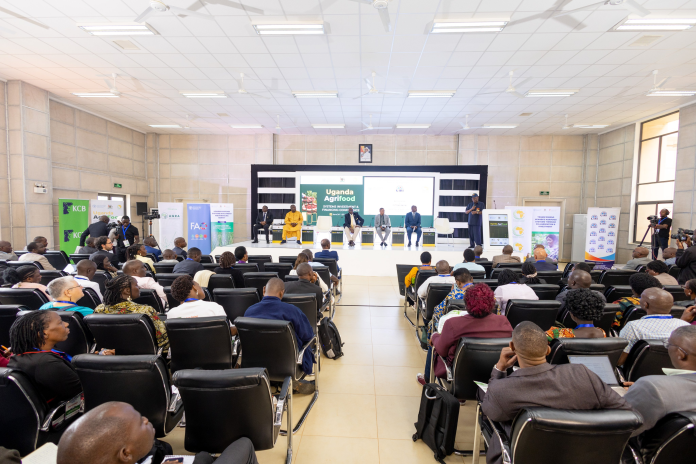
Participants attending Uganda Agri-Food Systems Investment and Financing Conference at the Uganda Industrial Research Institute Namanve.

The Government of Uganda has launched a national and international call to action to revolutionize its agriculture sector. As the Uganda Agri-Food Systems Investment and Financing Conference opened at the Uganda Industrial Research Institute (UIRI) Namanve Campus, the two-day event, running from June 24 to 25, 2025, is convened under the theme: “Catalysing Innovative Investments and Financing Partnerships,” aiming to mobilize public and private sector actors to drive food systems transformation.

With over 70% of Ugandans depending on agriculture for their livelihoods, the summit is spotlighting major investment opportunities while advancing dialogue on financing, coordination and public-private collaboration. Outcomes are expected to include a robust national investment strategy, improved stakeholder coordination, and clear interventions across critical agricultural value chains.

The Alliance for a Green Revolution in Africa (AGRA) is a key driver of this agenda. Since 2006, AGRA has invested over $69.8 million in Uganda’s agriculture sector, strengthening institutions, enhancing productivity and supporting crucial policy reforms. Its work is closely aligned with Uganda’s agro-industrialisation strategy, National Development Plans (NDP II, III, and IV) and the six Presidential directives on agriculture.

Opening the conference, Lt. Col (Rtd) Bright Rwamirama, Minister of State for Animal Industry emphasized the urgency of shifting Uganda’s food systems from subsistence-based to wealth-creating engines.

“Uganda’s agri-food system remains the anchor of our economy, contributing 24% of GDP, 33% of export earnings, and employing 70% of our population. Yet, over 12 million Ugandans still face food insecurity,” Rwamirama stated.

He called for better investment in value addition, agro-industrialisation, climate-smart agriculture and inclusive financing. Highlighting initiatives like Operation Wealth Creation and the Parish Development Model, he noted the need for coordinated, strategic investment between public and private actors, fully aligned with NDP IV.

Representing the Office of the Prime Minister (OPM), Mr. Edward Walugembe delivered a call to action grounded in constitutional mandate and practical implementation.

“We must work as one government, with one plan, aligned to one national development agenda,” he said.

He outlined the four “Cs” as key enablers: Coordination, Connectedness, Continuity, and Communication.

“These are essential for breaking silos and ensuring alignment across all stakeholders,” he added.

He noted, “Uganda’s food systems transformation is no longer in the planning stage but in the implementation phase. We have a plan. It is fit for purpose. Now we must implement it.”

Walugembe emphasized the role of OPM under Article 108 of the Constitution in leading coordinated delivery and promised continued efforts to identify and unblock bottlenecks.

“Let us do what we do, and do it well with efficiency,” he concluded.

Mr. Grace Bwengye, speaking on behalf of NPA Chairperson Pamela Mbabazi, reiterated the strategic alignment between food systems and NDP IV, which officially kicks off on July 1, 2025. He reminded stakeholders that Uganda’s ambitious 10-fold growth plan to grow GDP from $50 billion to $500 billion by 2040 relies on strong food systems.

“Food systems are central to Uganda’s economic transformation. But limited public resources under NDP IV must be channelled into high-impact, game-changing interventions,” he cautioned.

He noted that lessons from NDP III, including the impacts of #Covid-19 and the Russia-Ukraine war, highlighted the importance of focusing on implementable actions.

“It is not right to implement things that are not being planned for,” Bwengye warned. “Strategic plans must be fully aligned with the objectives of NDP IV and the food systems transformation agenda.”

He emphasized that food systems transformation demands coordinated financing, delivery, and reporting, and said that NPA will only approve plans that show this integration.

FAO Uganda Country Representative Mr. Yergalem Beraki echoed these sentiments, emphasizing the need to align food systems with Uganda’s development goals.

“Food systems are not just about feeding people—they are economic drivers for full monetisation, higher household incomes, and job creation,” Beraki said.

He noted that although the food systems agenda launched under NDP III, implementation was derailed by global disruptions. With NDP IV beginning in July, Uganda has a renewed opportunity to act.

“We cannot afford to spread our resources too thin,” he added. “Public funds must go to costed, high-impact game changers.”

Beraki urged MDAs, development partners, civil society, and the private sector to align their strategies with NDP IV. “Only strategic plans that reflect this alignment will be approved,” he emphasized.

Beyond the technical discussions, Uganda’s leadership role on the continent was affirmed. The country has been at the forefront of global agricultural initiatives, including the 2021 UN Food Systems Summit and the African Union’s Hand-in-Hand Initiative.

Uganda’s proactive approach led to hosting the AU Extraordinary CAADP Summit in January 2025, culminating in the Kampala Declaration a landmark commitment to resilient food systems in Africa.

In addition to growing food and enhancing nutrition, Uganda has achieved notable progress in reducing stunting from 29% in 2016 to 24% in 2022. Such gains, combined with a youthful population and strong political will, place Uganda in a unique position to transform agriculture into a cornerstone of inclusive development.

As the Agri-Food Systems Investment and Financing Conference is going on, Uganda is open for investment, ready for coordinated action and committed to turning strategy into real, measurable progress.

Stories Continues after ad

Bewitched our health system? The deadly cost of paperwork in maternal care

Dr. Bob Marley Achura.


By Dr. Bob Marley Achura (PhD)

In 2014, while conducting operational research on maternal and child health in Oyam District, Northern Uganda, I encountered a disturbing pattern, one so ordinary it risked being invisible. Health facilities required every expectant mother to carry an exercise book to record her antenatal and delivery information. A 48-page booklet, sold for less than 1,000 shillings, stood between life-saving care and denial.

It seemed like a harmless, even practical, requirement. But what I found was far more troubling: the “exercise book dilemma,” as it came to be known locally, was quietly sabotaging efforts to improve skilled deliveries and maternal outcomes. This simple paper booklet had become a gatekeeper, one that too often shut out the most vulnerable women.

A Walk of Pain and Shame.

Take Acen, a 28-year-old mother from Abela parish in Otwal sub-county. She walked three hours, under the punishing sun, to reach the nearest health centre, carrying her toddler on her back and her hopes in her heart. But when she arrived, the midwife frowned. “Where is your exercise book?” Acen had forgotten it. She was turned away. “Come back with your book,” they told her. The walk home was longer. Her body ached. Her spirit, too. That was her last antenatal visit during that pregnancy.

This is not an isolated story. From Alebtong to Amuru, women are carrying more than pregnancies; they’re carrying the burden of poverty, distance, stigma, and now, bureaucracy. Many mothers in Otwal confess they cannot afford even a single exercise book. Some tear out pages from their children’s schoolbooks. Others scribble health information on scraps of paper. A few have used old funeral programs, just to show something when they reach the clinic. In one heartbreaking case, a mother said her school-going child had taken her ANC book after being sent away for not having one. Another woman said her husband had used the pages to roll cigarettes.

What may sound absurd is, in reality, a quiet emergency. A paper book barely worth a coin has become the gatekeeper of life.

A Paper Barrier to Safe Motherhood

We often talk about Uganda’s maternal mortality challenge, about long distances to health centres, the lack of ambulances, and understaffed facilities. But rarely do we stop to examine these invisible, small barriers that tip the scales toward tragedy.

Let’s name them:

  • Accessibility and Storage: Most rural families lack safe, dry spaces to store documents. Exercise books are destroyed by rain, eaten by rats, or misplaced entirely.
  • Data Loss and Isolation: The information trapped inside these books is siloed. Health officers can’t analyze trends, track high-risk pregnancies, or make timely interventions.
  • Out-of-Pocket Burden: Each year, thousands of shillings are spent by households on these books, money that could buy soap, food, or school fees.
  • Stigma and Discrimination: Illiterate mothers are often humiliated or turned away when they present a “messy” book. Some stop returning out of shame.

These paper barriers are costing lives. They are reinforcing inequality. And yet, they persist, unchallenged and unfixed.

A Digital Ray of Hope: Then Bureaucracy Killed It!

In 2016, with support from Duke University postgraduate students and in partnership with the Oyam District Health Office, we piloted a simple but powerful solution: the Mothers Health Information Management System (MHIMS). It was a user-friendly mobile app tailored for frontline health workers. It worked offline, synced with the cloud when internet was available, and provided secure digital storage of maternal health records.

We deployed it at Agulurude Health Centre III. The impact was immediate and transformative:

  • Midwives could retrieve a mother’s ANC history in seconds.
  • Mothers no longer needed to carry paper books.
  • Communication between providers and patients improved.
  • Antenatal attendance increased.
  • Skilled deliveries rose by 29.3% within just one year.

Financially, the case was even stronger. We found that maintaining MHIMS was 47% cheaper than the paper-based exercise book system. The difference? Digital costs are absorbed institutionally. The paper cost is carried by the mother.

But despite the glowing data, the pilot was never scaled. No further funding. No rollout. Just silence. Bureaucracy. Budget inertia. Leadership turnover.

I call it a betrayal.

Lessons from Across Africa.

Uganda is not alone in facing these barriers, but other countries are responding more boldly. In Rwanda, the RapidSMS system has transformed maternal care across rural districts. By using simple mobile phones, community health workers send real-time updates about pregnant women to district hospitals, allowing timely referrals and interventions. Maternal deaths have dropped significantly in pilot districts, and the model is now expanding nationwide.

In Kenya, the Linda Mama program (meaning “Protect the Mother”) enables digital registration of pregnant women and links them with free maternity services across public and some private facilities. Through NHIF’s digital platform, women no longer need to carry paper records, just their ID numbers.

These are not expensive, high-tech dreams. They are African realities, our continent proving that bold ideas can work.

A Call to Action: Now, Not Later

The exercise book dilemma is not about stationery. It is about values. It is about the invisible wall we place between mothers and the care they deserve. It is about the indignity of asking a woman in labour to produce a receipt before being helped.

This is not a call for tablets in every village. It is a call for:

  • Immediate policy revisions to end the punitive rejection of mothers without exercise books.
  • Investment in scalable, digital maternal health record systems.
  • Training health workers to uphold compassion over compliance.
  • Empowering community health workers to serve as record-keepers for vulnerable households.

A mother’s womb should never be treated with less dignity than a book.

Who Bewitched This Country?

Who decides that a child should be born or die because their mother didn’t bring a 1,000-shilling book? Who lets proven digital innovations rot on shelves while our maternal mortality rates remain unacceptably high?

We have solutions. We have champions. We have evidence. What we lack is the courage to act.

Let us unshackle our health system from outdated paper chains. Let us centre dignity in maternal care. Let us dare to build a system where no woman is turned away for lack of a booklet. Let the exercise book dilemma not be Uganda’s legacy. Let it be the turning point.

Stories Continues after ad