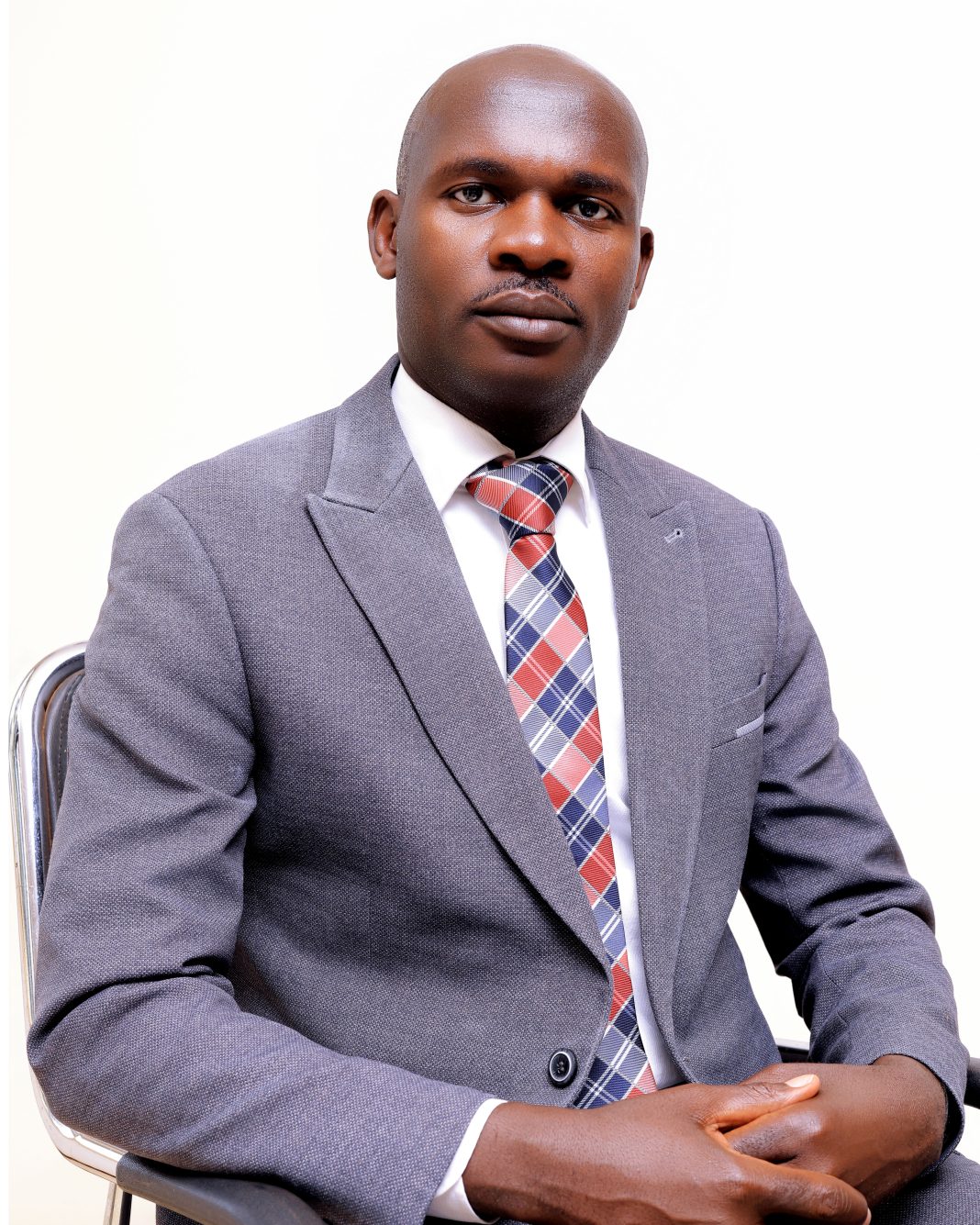
By Mukalazi Deus
Board Chair, UBUNTALISM GLOBAL

The World Bank’s commitment to protecting vulnerable people affected by development projects is being put to the test in Uganda, where the implementation of the Greater Kampala Metropolitan Area Urban Development Programme (GKMA-UDP) is raising serious concerns. In particular, the practice of soliciting “voluntary land donations” from affected persons—often under pressure—and the lack of compensation for business disruption expose troubling gaps in the application of the World Bank’s own Environmental and Social Framework (ESF), especially its standard on Land Acquisition, Restrictions on Land Use and Involuntary Resettlement.
While urban infrastructure development is a necessity for economic transformation, the process by which these developments occur should not come at the expense of the rights and livelihoods of the very people the projects are meant to benefit. Reports from communities affected by the GKMA-UDP indicate that residents and small business owners were “encouraged” to donate portions of their land for road expansion projects. The encouragement, however, was not always as voluntary as it sounds. In several cases, those who questioned the process or declined to “donate” were allegedly told that the project would bypass their area or that they risked losing future benefits. In other words, consent was conditional and coercive—a clear violation of the ethical and legal standards that should guide any development effort funded by a multilateral lender like the World Bank.
The World Bank clearly says that if people are forced to move or lose their land or way of earning a living, the harm should be kept as small as possible and they must be paid and helped to recover. Even in cases where land is donated, the standard requires that such donations be fully informed, completely voluntary, and well-documented. More importantly, the standards emphasize that economic displacement—such as loss of income from business closures or interruptions—must be adequately compensated. Unfortunately, in Kampala, businesses have been shut down or severely affected by ongoing road construction, without any form of support or compensation. Small traders, kiosk operators, and even formal businesses have been displaced with no clear path to recovery.

The issue here is not just about legal compliance—it’s about fairness, dignity, and the credibility of the World Bank’s social safeguards. The World Bank has long positioned itself as a champion of development that does no harm. Its Social and Environmental Safe guards is designed to ensure that projects it finances uphold international standards of social justice, particularly in fragile or lower-income countries. But when people are pushed to give up land without adequate alternatives, and when business livelihoods are disrupted without compensation, these safeguards are reduced to a paper promise.
The challenge is compounded by weak national enforcement mechanisms. Uganda lacks a clear and enforceable legal framework requiring compensation for economic displacement in urban development. In such a vacuum, it is incumbent upon international funders to ensure that their projects do not contribute to impoverishment or social conflict. Otherwise, the very projects meant to reduce inequality end up exacerbating it.
What is particularly concerning is that this is happening in Kampala—a city striving to modernize and become a beacon of urban growth in Africa. Urban transformation should not be pursued through shortcuts that ignore human impacts. Instead, it should be grounded in inclusive planning, meaningful consultation, and rights-based implementation. Any approach that relies on coercing citizens into land surrender or ignoring the economic shocks of displacement risks breeding long-term resentment and undermining public trust in both local authorities and international development partners.
It is also a wake-up call for the World Bank to strengthen its oversight mechanisms. It is not enough to have policies on paper. Effective monitoring, community grievance mechanisms, and independent third-party evaluations must be built into every stage of project implementation. Civil society actors, media, and local advocacy groups should be empowered to monitor compliance and report violations.
The Greater Kampala roads project should prompt the World Bank to reassess how “voluntary” donations are being used as a loophole to avoid compensation. In high-pressure environments where communities are desperate for services, or where political messaging creates fear of exclusion, the term “voluntary” becomes deeply problematic. The Bank must develop stricter definitions and clearer safeguards around land donations to prevent abuse.
For Uganda, this is an opportunity to build a more just and equitable approach to urban development. National institutions should take this moment to review existing laws and introduce robust provisions that require compensation for both physical and economic displacement, even when land is not formally titled. Informal economies are the backbone of urban livelihoods, and they deserve protection.
In conclusion, the ongoing road projects in Kampala are more than just an infrastructure story—they are a litmus test for how seriously the World Bank and national actors take the issue of social protection in development. Ignoring the pain and loss of affected persons not only contravenes global standards but also erodes the legitimacy of development itself. If the World Bank is to maintain its credibility as a pro-poor development partner, it must urgently intervene, investigate the implementation gaps in the GKMA-UDP, and ensure that all affected persons are treated with the fairness and respect they deserve.
No one should be made to choose between a better road and their livelihood. Development must not demand such trade-offs.