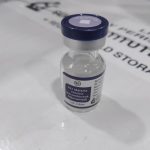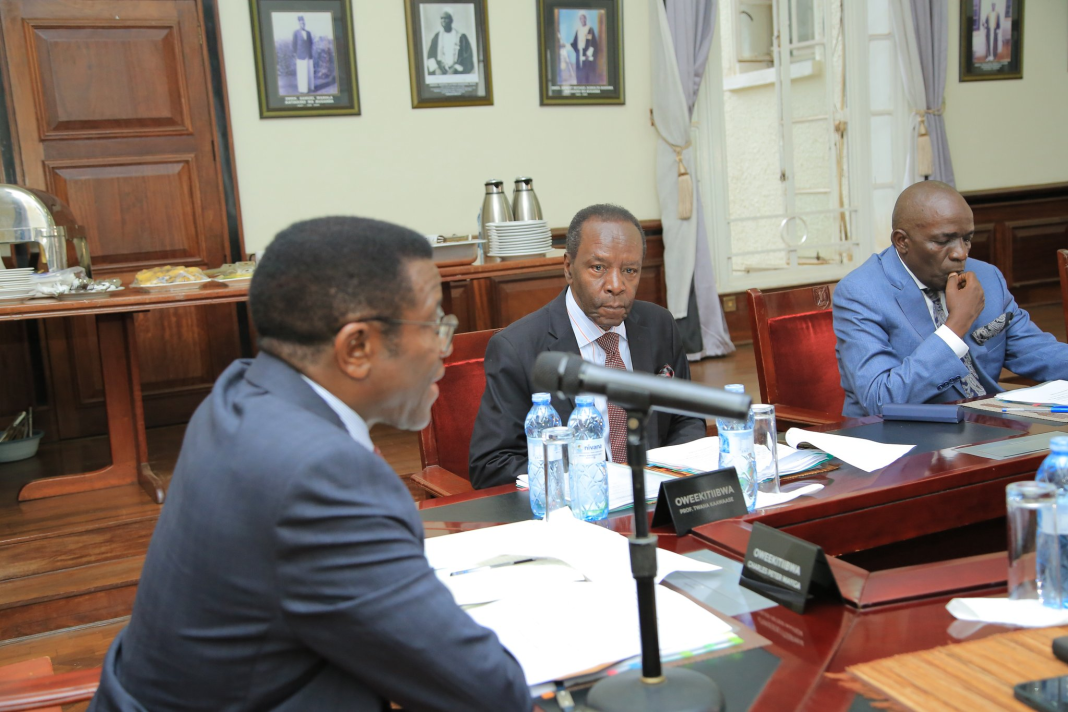
The Katikkiro (Prime Minister) of Buganda, Charles Peter Mayiga, has called on parents, leaders, and the media to intensify efforts in protecting children through routine immunisation and malaria vaccination, describing the exercise as both a lifesaving intervention and a fundamental right for every child.
Addressing the Cabinet and members of the press, Mayiga said the Kingdom found it necessary to inform the public about its responsibility in safeguarding children from preventable and deadly diseases.

“Child immunisation remains one of the most effective strategies for preventing diseases that cause death among our children,” he said. “As leaders, we have a duty to ensure that every child is protected.”
He stressed that immunisation should be prioritised because it shields children from life threatening illnesses while also reducing the financial burden on families.
“When a child falls sick, families incur heavy medical expenses. Immunisation minimises these costs and spares parents the pain of watching their children suffer from preventable diseases,” Mayiga noted.

The Katikkiro reminded parents and caregivers that immunisation services are offered free of charge at all government health facilities, which are staffed by trained and qualified health workers. He urged families to take note of scheduled immunisation days and ensure children complete all required vaccine doses.
“Let parents and guardians be vigilant. Know the immunisation schedule at your nearest health facility and ensure your child receives all the recommended doses,” he advised.
Mayiga also tasked cultural and local leaders with mobilising communities and discouraging resistance to vaccination programmes. He dismissed claims linking immunisation to infertility or other harmful effects.
“There is no scientific evidence that immunisation causes infertility or any form of harm as is often alleged. I urge our people to listen to health professionals and trust experts on matters concerning vaccines,” he said.
He emphasised the critical role of the media in disseminating accurate information and countering myths and misconceptions surrounding vaccines.
“The media has a responsibility to provide factual information and help eliminate falsehoods that put our children at risk,” he added.
Mayiga underscored that child immunisation goes beyond being a health service.
“It is a fundamental right for every child and a shared responsibility for all of us,” he said.
Currently, children are immunised against 14 diseases, including tuberculosis, poliomyelitis, whooping cough, diphtheria, measles, maternal and neonatal tetanus, hepatitis B-related liver disease, cancer of the cervix, pneumococcal infections such as pneumonia and meningitis, yellow fever, haemophilus influenza type B, rotavirus-related diarrhoea, malaria, and rubella.