Stanbic Bank
Stanbic Bank
23.9 C
Kampala
Stanbic Bank
Stanbic Bank
Home Blog Page 148

Proposed energy conservation law likely to worsen energy poverty in Uganda

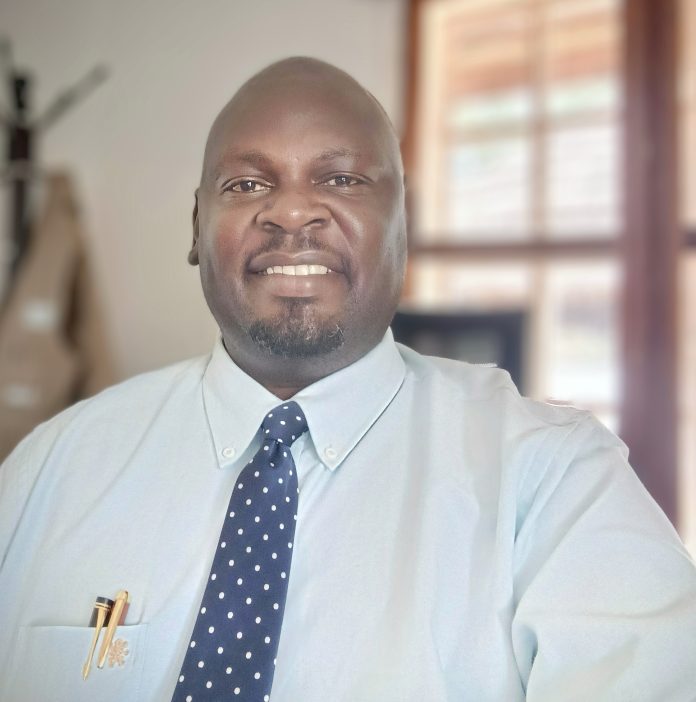
Mr. Deus Mukalazi

By Mukalazi Deus

Board Chair, UBUNTALISM GLOBAL LTD – A member of MUNGAANO INITIATIVE FOR CLIMATE JUSTICE).  mubirudeus22@gmail.com

In recent years, Uganda has taken important steps toward addressing the climate crisis and improving its energy sector. One of the latest developments is the proposed Energy Efficiency and Conservation Bill 2024, aimed at promoting efficient energy use and reducing environmental harm. While this proposed legislation is a step in the right direction in terms of sustainability, there is growing concern that it could unintentionally worsen energy poverty—particularly for Uganda’s most vulnerable populations.

The concept of energy poverty is about the inability of households to access adequate energy for essential services, including cooking, heating, cooling, and lighting. Energy poverty has several dimensions, including energy access, adequacy, convenience, reliability, and affordability.

Energy poverty remains a vexing issue in many countries, particularly low-income countries like Uganda. According to International Energy Agency (IEA)’s Energy Access Outlook of 2021, roughly 840 million people globally do not have access to electricity, and 2.9 billion people rely on traditional solid fuels such as charcoal and wood for cooking and heating. Multiple studies have documented that energy poverty is associated with severe physical and mental health consequences. Ensuring energy prices at affordable levels, raising investment in infrastructure, and widening redistributive government policies are only some potential ways to fight energy poverty. However, many developing countries struggle with balancing the burning needs of eradicating energy poverty and the priorities of meeting the climate change agenda. That trade-off may put many more under the energy poverty line if a just agenda is not made the focus of the current energy transitions.

Uganda currently faces a significant energy access gap. According to data from the Uganda Bureau of Statistics, over half of the population still lacks access to electricity. In rural areas, this figure is even higher. Many households rely on traditional energy sources such as firewood, charcoal, and kerosene, which are not only inefficient but also pose serious health and environmental risks. The proposed energy conservation and efficiency law seeks to phase out such sources and enforce efficiency standards for energy appliances, among other measures. This proposed law is part of the ambitious policies being implemented by countries globally to meet their Nationally Determined Contributions (NDCs).

The goals and aims of such laws and policies align with international climate commitments.  However, these policies have raised concerns about energy poverty, leading to rising energy prices worldwide, partly due to more stringent environmental regulations.  Implementing more stringent climate laws in Uganda without addressing affordability and energy infrastructure concerns will exacerbate the problem of energy poverty.

One of the key issues is that the law may place new financial burdens on households and small businesses that cannot afford to transition to energy-efficient alternatives. For example, many people still use low-cost, second-hand electrical appliances that do not meet modern efficiency standards. Under the proposed regulations, such appliances could be banned or heavily taxed, pushing people further into energy poverty. Similarly, small-scale businesses that depend on affordable but less-efficient machinery may face fines or increased operational costs, threatening livelihoods in an already fragile economy.

Moreover, the proposed law assumes a level of awareness, access, and purchasing power that many Ugandans do not have. Without targeted subsidies, phased implementation plans, and robust public education campaigns, the transition to energy efficiency risks becoming a top-down initiative that alienates the very communities it seeks to help. It is important to recognize that energy poverty is not just a matter of availability but also affordability and usability.

To avoid these negative consequences, the Ugandan government must take a more inclusive approach to energy conservation. This includes providing financial incentives for adopting efficient technologies, investing in rural electrification, and engaging communities in the law-making process. Public-private partnerships could also play a role in making renewable and efficient energy solutions more accessible and affordable.

In conclusion, while the proposed energy conservation law is a necessary step toward environmental sustainability, it must be carefully designed to avoid deepening existing inequalities. The effectiveness and feasibility of energy poverty reduction policies, which, according to available evidence, have delivered limited success even in developed countries, are expected to be weaker in the context of developing countries. Moreover, it is essential to carefully consider the particular context and challenges facing different communities and develop tailored solutions that consider the social, economic, and technical factors in each context. Energy justice requires that all Ugandans—not just the urban elite—benefit from clean and affordable energy. Conservation efforts must go hand in hand with expanded access, social equity, and long-term economic support. Without this balance, the law may solve one problem only to create another.

Stories Continues after ad

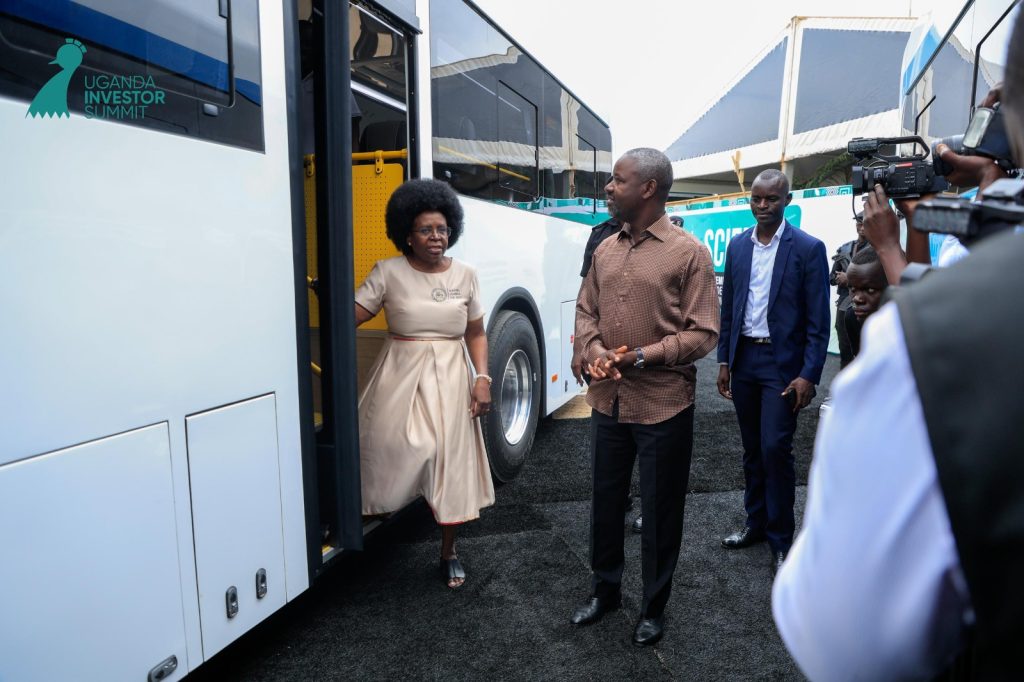
Tayebwa unveils Kayoola EVS 2025, hands over first unit to UCAA in boost for green mobility

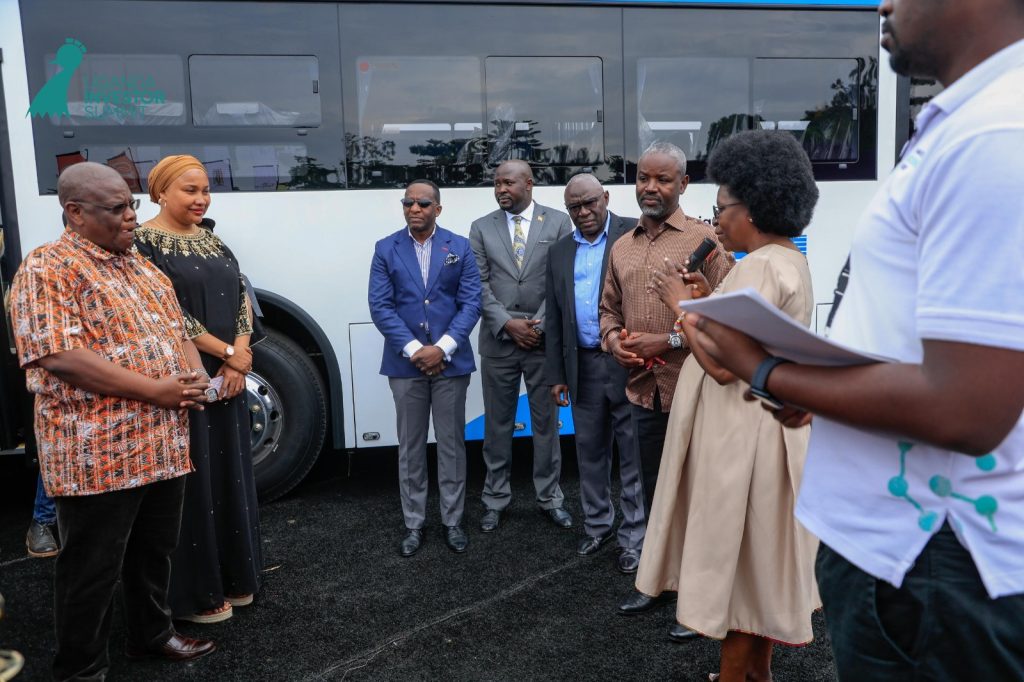
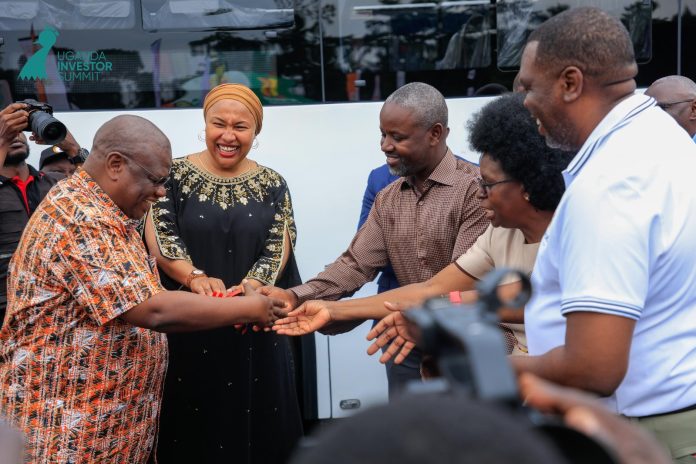
The Deputy Speaker of Parliament, Thomas Tayebwa has unveiled the Kayoola EVS 2025, Uganda’s newest electric bus model, and officially handed over the first unit to the Uganda Civil Aviation Authority (UCAA) signalling a new chapter in the country’s green mobility revolution.

The ceremony, held at the closing of National Science Week 2025, was attended by Minister of Science, Technology, and Innovation Dr. Monica Musenero and Kiira Motors Corporation (KMC) CEO Paul Isaac Musasizi.

Tayebwa commended the innovation as a powerful symbol of Uganda’s technological self-determination.

“It is time to believe in our own,” Tayebwa said, noting, “What we are importing from abroad is not even comparable. These are home-grown solutions, built by our own people, for our own needs.”

The Kayoola EVS 2025, manufactured by KMC, is a state-of-the-art electric bus designed for African urban environments. With a range of up to 350 kilometers, it boasts a 56-passenger capacity and modern features including Wi-Fi, HVAC, USB charging ports, ECAS, CCTV, and inclusive access for all passengers.

KMC CEO Paul Isaac Musasizi emphasized both the economic and environmental value of the vehicle.

“We are optimistic that the introduction of this new model will create significant opportunities not just for commuters, but also for transport entrepreneurs because the vehicle supports a more sustainable and profitable business model, thanks to its use of affordable energy,” he said.

He added, “Compared to fuel-powered vehicles, users save over 78% in energy costs and more than 46% in annual maintenance expenses. This electric bus is not only a smart mobility solution, but a smart economic one as well.”

The official handover of a Kayoola EVS 2025 unit to the Uganda Civil Aviation Authority signified a great achievement in integrating green technology into national infrastructure. The move highlights growing institutional trust in Uganda’s domestic innovations and a firm commitment to reducing carbon emissions while enhancing public service delivery.

The handover signified much more than a new fleet addition and symbolized institutional trust in local innovation and our readiness to embed clean technology in Uganda’s critical sectors.

The event was not just a celebration of a product launch; it was a declaration that Uganda is prepared to lead in high-tech industrialization and sustainability across Africa. The Kayoola EVS 2025 serves as a vivid testament that Uganda is not only consuming global technologies but producing transformative ones.

For the Global South, the unveiling echoed a broader narrative that Africa can be a generator of solutions not merely a recipient. The Kayoola EVS 2025 exemplifies a continent’s resolve to leapfrog into a cleaner, smarter, and more inclusive future.

“Let the Kayoola EVS 2025 be a living, breathing symbol of our journey — from a spark of an idea to a thriving market, from a bold vision to an undeniable reality,” Tayebwa declared.

The initiative is igniting under the visionary leadership of President Yoweri Kaguta Museveni whose deep commitment is to invest in science, technology and innovation to be core drivers of socio-economic transformation.

Government’s commitment to improve science, technology and innovation was recently reinforced in the 2025/26 national budget with allocation of Shs814.2 billion by the Finance Ministry. The funding is aimed at boosting industrialisation, job creation and the development of high-tech exports.

Among the notable investments is the operationalisation of the Kiira vehicle plant in Jinja, which now assembles both electric and diesel buses and has signed a letter of intent to export 3,700 electric buses to West Africa and is projected to create over 14,000 jobs both directly and indirectly. These efforts, alongside advancements in vaccine research, agro-industrial innovation, and digital technologies, affirm Uganda’s transition toward a knowledge-driven economy aligned with Vision 2040 and the Fourth National Development Plan (NDP IV).

Stories Continues after ad

Uganda rallies global partners to transform Agri-Food Systems through strategic investment, coordination and innovation

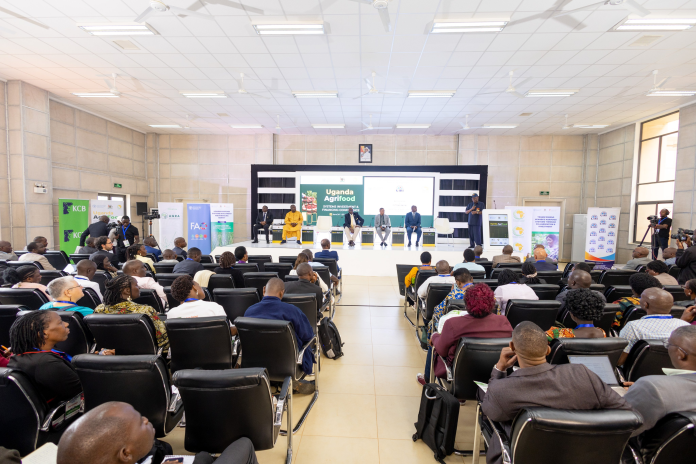
Participants attending Uganda Agri-Food Systems Investment and Financing Conference at the Uganda Industrial Research Institute Namanve.

The Government of Uganda has launched a national and international call to action to revolutionize its agriculture sector. As the Uganda Agri-Food Systems Investment and Financing Conference opened at the Uganda Industrial Research Institute (UIRI) Namanve Campus, the two-day event, running from June 24 to 25, 2025, is convened under the theme: “Catalysing Innovative Investments and Financing Partnerships,” aiming to mobilize public and private sector actors to drive food systems transformation.

With over 70% of Ugandans depending on agriculture for their livelihoods, the summit is spotlighting major investment opportunities while advancing dialogue on financing, coordination and public-private collaboration. Outcomes are expected to include a robust national investment strategy, improved stakeholder coordination, and clear interventions across critical agricultural value chains.

The Alliance for a Green Revolution in Africa (AGRA) is a key driver of this agenda. Since 2006, AGRA has invested over $69.8 million in Uganda’s agriculture sector, strengthening institutions, enhancing productivity and supporting crucial policy reforms. Its work is closely aligned with Uganda’s agro-industrialisation strategy, National Development Plans (NDP II, III, and IV) and the six Presidential directives on agriculture.

Opening the conference, Lt. Col (Rtd) Bright Rwamirama, Minister of State for Animal Industry emphasized the urgency of shifting Uganda’s food systems from subsistence-based to wealth-creating engines.

“Uganda’s agri-food system remains the anchor of our economy, contributing 24% of GDP, 33% of export earnings, and employing 70% of our population. Yet, over 12 million Ugandans still face food insecurity,” Rwamirama stated.

He called for better investment in value addition, agro-industrialisation, climate-smart agriculture and inclusive financing. Highlighting initiatives like Operation Wealth Creation and the Parish Development Model, he noted the need for coordinated, strategic investment between public and private actors, fully aligned with NDP IV.

Representing the Office of the Prime Minister (OPM), Mr. Edward Walugembe delivered a call to action grounded in constitutional mandate and practical implementation.

“We must work as one government, with one plan, aligned to one national development agenda,” he said.

He outlined the four “Cs” as key enablers: Coordination, Connectedness, Continuity, and Communication.

“These are essential for breaking silos and ensuring alignment across all stakeholders,” he added.

He noted, “Uganda’s food systems transformation is no longer in the planning stage but in the implementation phase. We have a plan. It is fit for purpose. Now we must implement it.”

Walugembe emphasized the role of OPM under Article 108 of the Constitution in leading coordinated delivery and promised continued efforts to identify and unblock bottlenecks.

“Let us do what we do, and do it well with efficiency,” he concluded.

Mr. Grace Bwengye, speaking on behalf of NPA Chairperson Pamela Mbabazi, reiterated the strategic alignment between food systems and NDP IV, which officially kicks off on July 1, 2025. He reminded stakeholders that Uganda’s ambitious 10-fold growth plan to grow GDP from $50 billion to $500 billion by 2040 relies on strong food systems.

“Food systems are central to Uganda’s economic transformation. But limited public resources under NDP IV must be channelled into high-impact, game-changing interventions,” he cautioned.

He noted that lessons from NDP III, including the impacts of #Covid-19 and the Russia-Ukraine war, highlighted the importance of focusing on implementable actions.

“It is not right to implement things that are not being planned for,” Bwengye warned. “Strategic plans must be fully aligned with the objectives of NDP IV and the food systems transformation agenda.”

He emphasized that food systems transformation demands coordinated financing, delivery, and reporting, and said that NPA will only approve plans that show this integration.

FAO Uganda Country Representative Mr. Yergalem Beraki echoed these sentiments, emphasizing the need to align food systems with Uganda’s development goals.

“Food systems are not just about feeding people—they are economic drivers for full monetisation, higher household incomes, and job creation,” Beraki said.

He noted that although the food systems agenda launched under NDP III, implementation was derailed by global disruptions. With NDP IV beginning in July, Uganda has a renewed opportunity to act.

“We cannot afford to spread our resources too thin,” he added. “Public funds must go to costed, high-impact game changers.”

Beraki urged MDAs, development partners, civil society, and the private sector to align their strategies with NDP IV. “Only strategic plans that reflect this alignment will be approved,” he emphasized.

Beyond the technical discussions, Uganda’s leadership role on the continent was affirmed. The country has been at the forefront of global agricultural initiatives, including the 2021 UN Food Systems Summit and the African Union’s Hand-in-Hand Initiative.

Uganda’s proactive approach led to hosting the AU Extraordinary CAADP Summit in January 2025, culminating in the Kampala Declaration a landmark commitment to resilient food systems in Africa.

In addition to growing food and enhancing nutrition, Uganda has achieved notable progress in reducing stunting from 29% in 2016 to 24% in 2022. Such gains, combined with a youthful population and strong political will, place Uganda in a unique position to transform agriculture into a cornerstone of inclusive development.

As the Agri-Food Systems Investment and Financing Conference is going on, Uganda is open for investment, ready for coordinated action and committed to turning strategy into real, measurable progress.

Stories Continues after ad

Bewitched our health system? The deadly cost of paperwork in maternal care

Dr. Bob Marley Achura.


By Dr. Bob Marley Achura (PhD)

In 2014, while conducting operational research on maternal and child health in Oyam District, Northern Uganda, I encountered a disturbing pattern, one so ordinary it risked being invisible. Health facilities required every expectant mother to carry an exercise book to record her antenatal and delivery information. A 48-page booklet, sold for less than 1,000 shillings, stood between life-saving care and denial.

It seemed like a harmless, even practical, requirement. But what I found was far more troubling: the “exercise book dilemma,” as it came to be known locally, was quietly sabotaging efforts to improve skilled deliveries and maternal outcomes. This simple paper booklet had become a gatekeeper, one that too often shut out the most vulnerable women.

A Walk of Pain and Shame.

Take Acen, a 28-year-old mother from Abela parish in Otwal sub-county. She walked three hours, under the punishing sun, to reach the nearest health centre, carrying her toddler on her back and her hopes in her heart. But when she arrived, the midwife frowned. “Where is your exercise book?” Acen had forgotten it. She was turned away. “Come back with your book,” they told her. The walk home was longer. Her body ached. Her spirit, too. That was her last antenatal visit during that pregnancy.

This is not an isolated story. From Alebtong to Amuru, women are carrying more than pregnancies; they’re carrying the burden of poverty, distance, stigma, and now, bureaucracy. Many mothers in Otwal confess they cannot afford even a single exercise book. Some tear out pages from their children’s schoolbooks. Others scribble health information on scraps of paper. A few have used old funeral programs, just to show something when they reach the clinic. In one heartbreaking case, a mother said her school-going child had taken her ANC book after being sent away for not having one. Another woman said her husband had used the pages to roll cigarettes.

What may sound absurd is, in reality, a quiet emergency. A paper book barely worth a coin has become the gatekeeper of life.

A Paper Barrier to Safe Motherhood

We often talk about Uganda’s maternal mortality challenge, about long distances to health centres, the lack of ambulances, and understaffed facilities. But rarely do we stop to examine these invisible, small barriers that tip the scales toward tragedy.

Let’s name them:

  • Accessibility and Storage: Most rural families lack safe, dry spaces to store documents. Exercise books are destroyed by rain, eaten by rats, or misplaced entirely.
  • Data Loss and Isolation: The information trapped inside these books is siloed. Health officers can’t analyze trends, track high-risk pregnancies, or make timely interventions.
  • Out-of-Pocket Burden: Each year, thousands of shillings are spent by households on these books, money that could buy soap, food, or school fees.
  • Stigma and Discrimination: Illiterate mothers are often humiliated or turned away when they present a “messy” book. Some stop returning out of shame.

These paper barriers are costing lives. They are reinforcing inequality. And yet, they persist, unchallenged and unfixed.

A Digital Ray of Hope: Then Bureaucracy Killed It!

In 2016, with support from Duke University postgraduate students and in partnership with the Oyam District Health Office, we piloted a simple but powerful solution: the Mothers Health Information Management System (MHIMS). It was a user-friendly mobile app tailored for frontline health workers. It worked offline, synced with the cloud when internet was available, and provided secure digital storage of maternal health records.

We deployed it at Agulurude Health Centre III. The impact was immediate and transformative:

  • Midwives could retrieve a mother’s ANC history in seconds.
  • Mothers no longer needed to carry paper books.
  • Communication between providers and patients improved.
  • Antenatal attendance increased.
  • Skilled deliveries rose by 29.3% within just one year.

Financially, the case was even stronger. We found that maintaining MHIMS was 47% cheaper than the paper-based exercise book system. The difference? Digital costs are absorbed institutionally. The paper cost is carried by the mother.

But despite the glowing data, the pilot was never scaled. No further funding. No rollout. Just silence. Bureaucracy. Budget inertia. Leadership turnover.

I call it a betrayal.

Lessons from Across Africa.

Uganda is not alone in facing these barriers, but other countries are responding more boldly. In Rwanda, the RapidSMS system has transformed maternal care across rural districts. By using simple mobile phones, community health workers send real-time updates about pregnant women to district hospitals, allowing timely referrals and interventions. Maternal deaths have dropped significantly in pilot districts, and the model is now expanding nationwide.

In Kenya, the Linda Mama program (meaning “Protect the Mother”) enables digital registration of pregnant women and links them with free maternity services across public and some private facilities. Through NHIF’s digital platform, women no longer need to carry paper records, just their ID numbers.

These are not expensive, high-tech dreams. They are African realities, our continent proving that bold ideas can work.

A Call to Action: Now, Not Later

The exercise book dilemma is not about stationery. It is about values. It is about the invisible wall we place between mothers and the care they deserve. It is about the indignity of asking a woman in labour to produce a receipt before being helped.

This is not a call for tablets in every village. It is a call for:

  • Immediate policy revisions to end the punitive rejection of mothers without exercise books.
  • Investment in scalable, digital maternal health record systems.
  • Training health workers to uphold compassion over compliance.
  • Empowering community health workers to serve as record-keepers for vulnerable households.

A mother’s womb should never be treated with less dignity than a book.

Who Bewitched This Country?

Who decides that a child should be born or die because their mother didn’t bring a 1,000-shilling book? Who lets proven digital innovations rot on shelves while our maternal mortality rates remain unacceptably high?

We have solutions. We have champions. We have evidence. What we lack is the courage to act.

Let us unshackle our health system from outdated paper chains. Let us centre dignity in maternal care. Let us dare to build a system where no woman is turned away for lack of a booklet. Let the exercise book dilemma not be Uganda’s legacy. Let it be the turning point.

Stories Continues after ad

Iran-Israel War: Museveni condemns Iranian Islamists, Israeli government and western imperialists

Gen. Museveni.

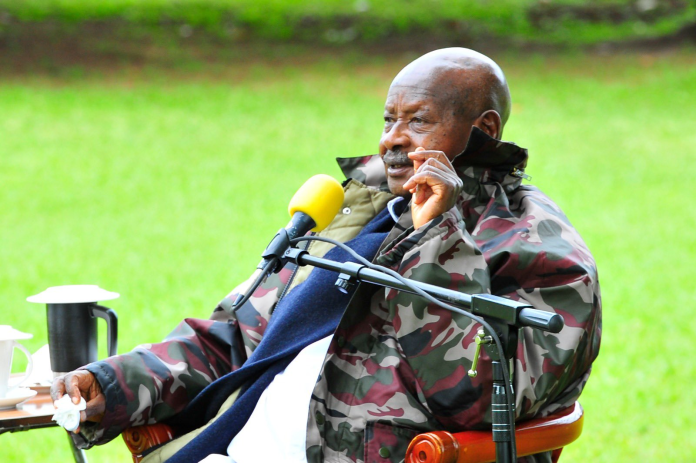
Uganda’s President Yoweri Kaguta Museveni who doubles as the Chair of the Non-Aligned Movement (NAM) has condemned Iranian Islamists, the Israeli government and Western imperialists for perpetuating cycles of violence and injustice in the region.

Museveni’s statement comes in response to a complaint from the Iranian Ambassador to Uganda about Uganda’s delayed comment on the crisis.

“Citizens of the World, my names are: General (Rtd) Yoweri Museveni of the Resistance Movement of Uganda and President of Uganda. I am also Chairman of the NAM until 2027,” he began.

He said, “The other day, I saw a Complaint by the Iranian Ambassador to Uganda as to why we have not commented on the tragic situation in the Middle East. It is true that we have not yet externalized our long-held views on that situation.”

Museveni said Uganda maintains “good relations with both Israel and Iran,” as well as with the United States and others and that his country’s resistance legacy shapes its principled stance.

“In our long history of resistance, we abhor chauvinism of identity (race, tribe, religion, etc.) or gender (looking down upon women). We always stand for the politics of interests—legitimate interests of the stakeholders.”

He then laid out a four-pronged critique of those he called the “mistake makers” in the Middle East crisis.

  1. Iranian Islamists Denying Israel’s Legitimacy
  2.  

Museveni recounted frank conversations with past Iranian leaders, criticizing their refusal to accept Israel’s right to exist.

“Whenever I visit Iran, like when His Excellency Mahmoud Ahmadinejad was President, I told them that their stand that Israel is a ‘transplant’ in the Middle East and does not belong there legitimately, is a mistake.”

He referred to biblical history to defend Israel’s place in the region: “According to the Bible, Israel is part of that area. The Romans dispersed the Jews after Masada, who continued to suffer wherever they went… until they tried to go back to their homeland with the Zionist Movement.”

He noted, “The habitual mistake makers, the British imperialists… offered the Jews Uganda as a homeland! Imagine the absurdity. The Jews wisely refused the ridiculous offer and insisted on Palestine where they had a historical, legitimate claim.”

He added that it was wrong for “some of the Arabs and Iranian Islamists” to reject the UN partition of Palestine between two peoples.

  • Israeli Rejection of a Two-State Solution

Turning to Israel, Museveni criticized its refusal to implement a two-state solution:

“Why have they refused the implementation of the two States solution? It is not correct for them to say that the Palestinians do not belong there.”

He challenged the erasure of Palestinian presence with a biblical reference:

“Whenever I would meet Mzee Benzion Netanyahu… I would ask him about the 7 tribes of Canaan… the Jebusites, etc. What happened to them? How about the Philistines of Gaza?”

Museveni drew a global comparison: “If you say [Palestinians] do not belong there, then what would you say about the Europeans who migrated to the Americas, Australia, South Africa, etc., in just the last 400 years?”

He likened this mindset to Idi Amin’s expulsion of Asians from Uganda in the 1970s—a policy Museveni’s movement opposed.

3. Western Imperialism and the Rise of Iranian Extremism

Museveni blamed Western interventionism particularly the CIA for destabilizing Iran and provoking radicalism:

“The third mistake-makers… are the Western imperialists, led by the CIA, who, in 1953, overthrew the democratically elected leader of Iran, Mohammad Mosaddegh, because they wanted to steal the oil of Iran.”

“It is them that created that huge resentment that produced these clerics who have their own mistaken positions.”

He expressed surprise at the Iranian leadership’s ignorance of their own ancient history:

“Imagine, me Yoweri Museveni of the Great Lakes of Africa… I had heard repeated references to the ‘Persians and Medians.’ When I visited Iran, I asked Ahmadinejad: ‘What happened and who were the Medians?’ Neither Ahmadinejad nor anybody around knew.”

4. Force as a Failed Solution

Museveni denounced military interventions in internal conflicts:

“Mistake number four is to believe that the use of especially force from outside the concerned country is a solution. It not and always invites reactions that may even affect the interventionists.”

He listed failed historical examples of foreign intervention:

“The Papacy trying to maintain Catholic hegemony in Europe… the 14 intervention powers that intervened in the Soviet Union… Where is the Austro-Hungarian Empire?”

“Force should be for legitimate defence and not for aggression.”

Museveni concluded with a spiritual plea, calling on all faiths to pray for wisdom and peace: “As I conclude, I would like to use this opportunity to remind all of us that we are all praying People. Perhaps it’s time that we all agree to pray together and consult that Creator that cares for all of us without preference.”

He prayed, “May we have the willingness to humble ourselves and pray and ask for God’s wisdom, that we may do what is right in His eyes… Maybe that time has come and only He has the power, the right and the Justice to decide what is the way forward for all of us.”

Stories Continues after ad

IG orders suspension of top NTC-Kaliro officials over Shs120m corruption scandal

Kaliro NTC

The Inspectorate of Government (IG) has ordered for the interdiction of two senior officials from the National Teachers’ College in Kaliro following serious corruption charges, including abuse of office and causing financial loss amounting to more than Shs120 million.

The IG has instructed the Permanent Secretary at the Ministry of Education and Sports, Dr. Kedrace Turyagyenda, to suspend the implicated officials—Principal Evelyn Grace Lanyero and Accountant Clement Epalat—until their prosecution is concluded.

“The directive was signed by the Deputy Inspector General of Government, Dr. Patricia Achan Okiria,” reads part of the IG’s statement. “Ms. Lanyero Evelyn Grace and Mr. Okiria Clement Epalat were charged by the IG with abuse of office and causing financial loss of more than Shs120M on May 23, 2025.”

According to the IG, Ms. Lanyero has already been arrested and arraigned before the Anti-Corruption Court, where Her Worship Esther Asiimwe granted her bail. She is expected to return to court on June 27, 2025 for mention of her case. Her co-accused, Mr. Epalat, remains at large, and a criminal summons has been issued for him to appear on the same date.

Citing the Constitution and the IG Act, the statement emphasized that: “The Inspector General may, during the course of his or her duties or as a consequence of his or her findings, make such orders and give such directions as are necessary and appropriate in the circumstances.”

“In the instant case, public interest demands that while the case against the above public officials is still ongoing in court, they should be suspended from exercising the powers and functions of their office.”

The officials face three counts, including two of causing financial loss and one of abuse of office.

In Count I, the duo is accused of irregularly authorizing payment of Shs120,904,000 to Nissi Restaurant and Take Away for meals during a technology retooling workshop, despite knowing the action would cause financial loss to the government.

In Count II, Mr. Epalat allegedly processed an improper payment of Shs12,412,698 as Withholding Tax to Uganda Revenue Authority, which also led to a confirmed financial loss to the government.

In Count III, both Lanyero and Epalat are accused of arbitrarily authorizing a loan of Shs45,000,000 from Stanbic Bank on behalf of the college, in contravention of government procedures.

The IG has urged the public to treat the matter seriously and affirmed its commitment to rooting out corruption in all public institutions.

Stories Continues after ad

NRM Secretary General warns against favoritism in party primaries

NRM party SG, Richard Todwong.

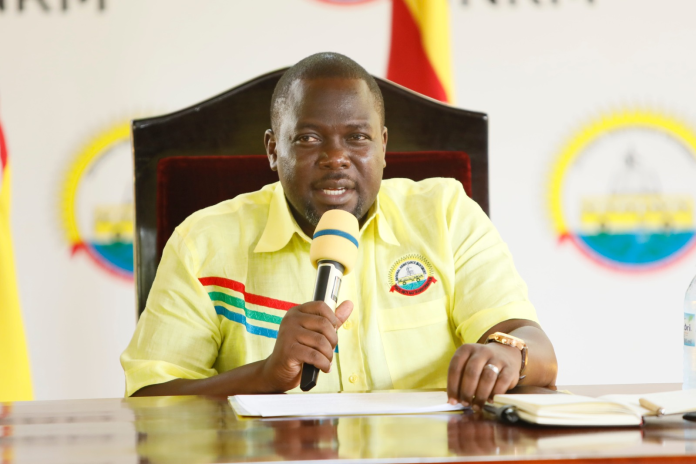
The Secretary General of the National Resistance Movement (NRM), Todwong Richard Awany has issued a directive to all nominated candidates participating in the upcoming party primaries, warning against any form of favoritism or endorsement of “state candidates.”

In a letter dated June 17, 2025, addressed to all NRM candidates, Todwong emphasized that all aspirants have equal rights and opportunities in the party’s internal elections and no individual should claim preference or unfair support.

“This is therefore to clarify that there are no preferred candidates or ‘state candidates’ as I have heard that some supporters refer to certain candidates. Every nominated candidate has the same equal rights to campaign,” the letter read in part.

He congratulated all the nominees on their successful nomination to contest for various positions in the party’s internal elections and encouraged them to uphold democratic principles throughout the campaign period.

“I congratulate you all on your successful nomination as candidates for the various positions in the Party’s internal elections. I appreciate your support for the NRM and your decision to contest in the NRM primaries,” Todwong stated.

Referring to Article 6 of the NRM Party Constitution, Todwong reminded candidates and party supporters that all campaigns for Members of Parliament (MPs) and Local Council (LCV) Chairpersons must be conducted jointly in accordance with party guidelines. And the polling will take place on July 16, 2025.

“It is recognized that the villages will always act as our polling stations, where members will vote by lining up behind the candidates or portraits of candidates of their choice,” he explained.

The Secretary General also warned against interference from NRM officials or staff members during the campaign process, noting that any such actions would attract disciplinary consequences.

“Any Party official or staff member found interfering in the internal democratic processes of the Party will be subjected to the appropriate disciplinary committee and shall also be handed over to law enforcement for necessary further action,” Todwong warned. “Please take this matter seriously, as there will be no compromise on this issue.”

He further called for peaceful and respectful campaigns across the country as the NRM prepares for its primary elections. “I wish you all peaceful campaigns,” Todwong noted.

Stories Continues after ad

Uganda’s EAC trade deficit drops in April but widens year-on-year

Uganda’s trade deficit with East African Community (EAC) partner states eased in April 2025, according to the latest Performance of the Economy report from the Ministry of Finance.

The country recorded a trade deficit of $127.05 million with the region, down from $152.97 million in March. The improvement was mainly driven by a nearly 50 percent surge in exports to the EAC, which rose to $270.40 million from $180.78 million. This growth outpaced a 19.1 percent rise in imports, which climbed to $397.46 million from $333.75 million.

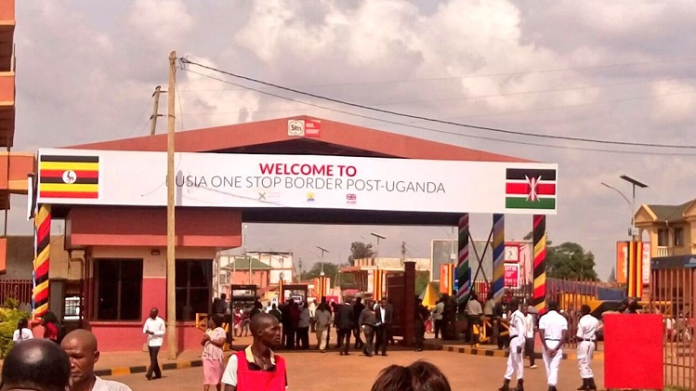
Uganda maintained trade surpluses with several EAC partners: USD 76.80 million with the Democratic Republic of Congo (DRC), $55.71 million with South Sudan, $35.45 million with Rwanda, and $5.44 million with Burundi. However, deficits persisted with the region’s largest economies—Tanzania ( $231.91 million) and Kenya ($68.54 million).

Despite the monthly improvement, Uganda’s annual trade deficit with the EAC widened compared to April 2024. The gap grew from $53.43 million to $127.05 million due to a 52 percent rise in imports, outpacing a 30 percent increase in exports.

The Ministry noted that while Uganda’s integration within the EAC is progressing, greater focus on export diversification and competitiveness is needed to reduce reliance on imports and strengthen trade balance.

Stories Continues after ad

Uganda condemns unproved attack on Iran, calls for dialogue and respect for international law

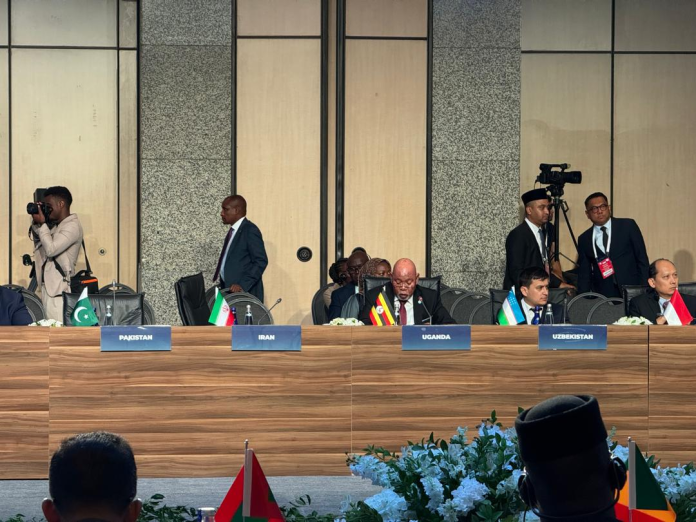
Uganda's Foreign Affairs Minister, Gen. Jejej Odong addressing the 51st Session of the Organization of Islamic Cooperation (OIC) Council of Foreign Ministers held in Istanbul, Turkey.

Uganda’s Minister of Foreign Affairs, Gen. Jeje Odongo has urged Muslim nations to strengthen unity in the face of rising global hostility, armed conflicts, and attacks on Muslim communities.

He made the call while addressing the 51st Session of the Organization of Islamic Cooperation (OIC) Council of Foreign Ministers held in Istanbul, Turkey.

Speaking to representatives of OIC member states, Gen. Odongo strongly condemned the recent unprovoked aggression against the Islamic Republic of Iran by Israel.

“This attack is not only unjustified but represents a broader pattern of hostility towards the Muslim world and a clear violation of international law,” Odongo said.

“Uganda stands with the people of Iran and supports their right to defend themselves.”

He also reaffirmed Uganda’s unwavering support for the Palestinian cause, stressing the need for justice, self-determination, and an end to occupation.

“The plight of the Palestinian people continues to reflect a failure of the international system to protect the vulnerable and uphold basic human rights,” he said.

The strikes came amidst escalating hostilities between Iran and Israel, following years of proxy conflicts, cyberattacks and direct military engagements. In April 2025, Israeli warplanes reportedly targeted Iranian military infrastructure in retaliation for Tehran’s increasing support to militant groups in the region, particularly in Syria and Lebanon.

On regional issues, the minister called for diplomatic and peaceful solutions to the crises in Sudan and Somalia. He emphasized that only unity, dialogue, and adherence to international norms can bring about lasting peace in the Muslim world and beyond.

Gen. Odongo further expressed Uganda’s ongoing commitment to the global fight against terrorism and highlighted the important role of education in driving change. He thanked the OIC for its continued support to the Islamic University in Uganda.

“The Islamic University in Uganda has become a centre of excellence in science, innovation, and women’s education. We are grateful for the OIC’s partnership in this effort,” he noted.

The minister assured the gathering that Uganda remains a steadfast partner for peace, dialogue, and development, both within the Islamic world and on the global stage.

Stories Continues after ad

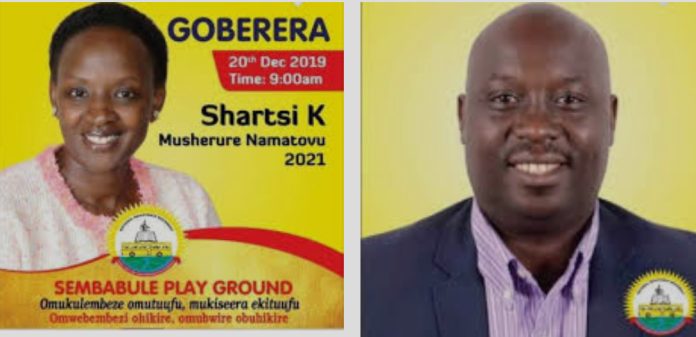
Sharitsi Kutesa quits as Soda Kaguta enters Mawogola North race

Campaign posters of Ms Sharitsi Kutesa and Mr Godfrey Aine Kaguta aka Sodo.

Mawogola North Member of Parliament Sharitsi Kutesa Musherure has quit the 2026 race.

Ms Kutesa cited the unfortunate of incidents in the 2021 race as to why she is vacating the same race. She says incidents like brutality and insecurity have made her step down.

“After a meeting with H. E The President and chairman of the NRM party, my elder and leader and my high regard for his guidance, and not subject our supporters to the theatres, brutality and insecurity that they endured in the previous Ssembabule NRM  primary elections and safe guard the unity of our people, to maintain the unity of the NRM party, I  take this opportunity to thank H.E the President, the people of Mawogola North, especially my supporters for the opportunity to serve them as their leader, servant and Member of Parliament from 2021 to date. I have tendered selfless service to the people because it is my duty and calling to do so” Ms Kutesa wrote.

Ms Kutesa’s exit leaves Mr Godfrey Aine Kaguta Sodo as the favorite replacement given his previous upper hand in the same race. Supporters of the two contestants have clashed before leaving many brutalised.

Below is Ms Kutesa’s letter in full

As we prepare for the upcoming part primaries that will be held on July 16, we are down back to the unfortunate events that took place during the same exercise of 2021. The people of Mawogola North were not able to exercise their constitutional right to choose their leader freely. Which is the very essence of elections. It is therefore, against this background that interventions to avert a similar situation have been considered.

After a meeting with H. E The President and chairman of the NRM party, my elder and leader and my high regard for his guidance, and not subject our supporters to the theatres, brutality and insecurity that they endured in the previous Ssembabule NRM  primary elections and safe guard the unity of our people, to maintain the unity of the NRM party, I  take this opportunity to thank H.E the President, the people of Mawogola North, especially my supporters for the opportunity to serve them as their leader, servant and Member of Parliament from 2021 to date. I have tendered selfless service to the people because it is my duty and calling to do so.

My supporters, I owe you a debt of gratitude for your love, sacrifice and dedication. Together, we have made tremendous progress in uplifting the living conditions of our people, repaired and built roads, education and health infrastructure. But above all, we have ensured unity and tranquillity in our area.

Special thanks to my Goberera Initiative team and its leadership. Your sterling performance in following up on government programmes has set an example of how we can achieve with dedication. It remains both a challenge and an inspiration to us all and future leaders.

I have taken this decision with a heavy heart, knowing fully well how much disappointment you will all endure, but I take comfort in the knowledge and belief that it is in the ashes of such setbacks that the seed of future germinates.

I remain ready to serve you.

God bless you.

Sharitsi Kutesa Musherure, MP

Stories Continues after ad