Stanbic Bank
Stanbic Bank
28.7 C
Kampala
Stanbic Bank
Stanbic Bank
Home Blog Page 161

BoU recovers Shs30b stolen money, denies hacking its IT system

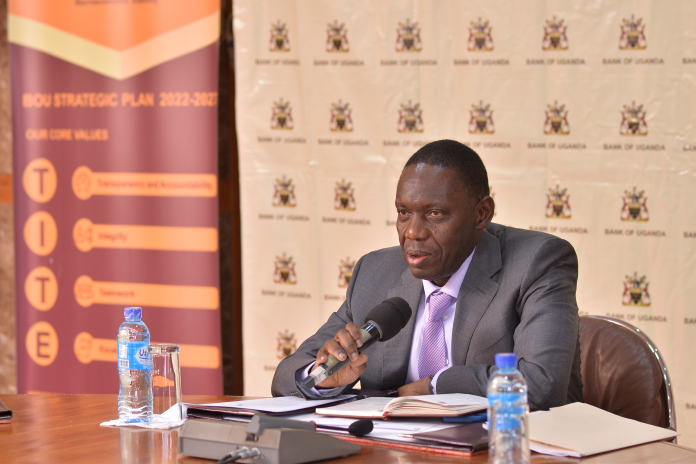
Deputy Governor Michael Atingi-Ego.

The Bank of Uganda Deputy Governor Michael Atingi-Ego has revealed that they have so far recovered half of the money ($8.205 million or about Shs30 billion) and they are still investigating the balance.

Addressing a press conference on Thursday, Michael Atingi-Ego said that over Shs60 billion fraud originated from an external directive where they were instructed to pay the wrong beneficiaries and dismissed allegations that Central Bank staff were involved.

“Our systems are uncompromised and secure. The BoU systems were never hacked. Two incidents of fraud were initiated outside the BoU IT systems. Instructions were received by BoU to pay the wrong beneficiaries, leading to the diversion of funds,” he said.

“Nevertheless, we have since recovered $8.205 million of these funds and we are pursuing the balance. The ongoing investigation will support recovery efforts,” he added.

Dr Atingi-Ego said that the money in question was from two transactions, which were related to debt-service payments.

He said the payment transactions included a payment to the World Bank of $6.134 million, which was instead paid to a company called Roadway Company Limited through a bank in Japan called MUFG. And that was on the of September 12, 2024.

The second transaction was meant to be a payment to the African Development Fund of $8.596 million. It was instead paid to MJS International London in the UK on the September 28, 2024.

Bank of Uganda, he said, upon discovering that the payments had not reached the intended beneficiaries, that is, the World Bank and the African Development Fund, they commenced internal investigations and reported the matter to the relevant government agency.

“And that was the police, the criminal investigations directorate, and also the Financial Intelligence Authority,” he said.

“But beyond that, the Bank of Uganda took the necessary steps to recover these funds. That was really our key priority. So, we instructed our correspondent bank, that is Citibank, and the banks where the funds had been credited to the accounts of the fraudsters, instructing them to freeze the said funds due to the suspected fraud that is taking place. We have since recovered $8.205 million of the funds that had been sent to M.J.S. International London UK,” he said

The Deputy Governor said these funds have been credited back to the Uganda government consolidated fund account in Bank of Uganda.

“It’s not frozen like the media is speculating. And we are pursuing the balance of $391,000 that went to this bank in London through our correspondent bank, Citibank,” he said.

However, he said Bank of Uganda has not recovered the amount paid to Roadway Company through the MUFG Bank of Japan.

“This bank has not been very cooperative, that’s why we haven’t recovered this money. So, while they haven’t been cooperative, we are working hard with our domestic and international partners, particularly through their financial intelligence authority to pursue the recovery of these funds,” he explained.

“And we also expect the ongoing investigations to support our recovery efforts and help us understand the full extent of these fraudulent transactions. But more importantly, we are also cooperating with the Office of the Auditor General who are conducting their independent investigations,” he added.

Stories Continues after ad

Prof Badru Kateregga’s allegations against wife debunked as investigations reveal truth

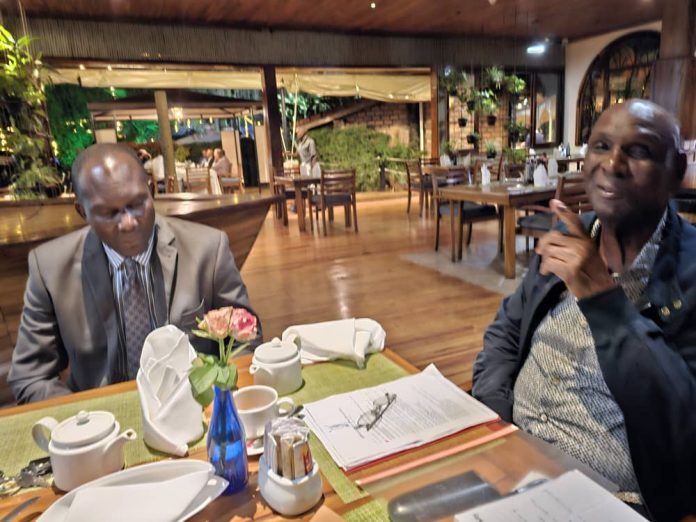
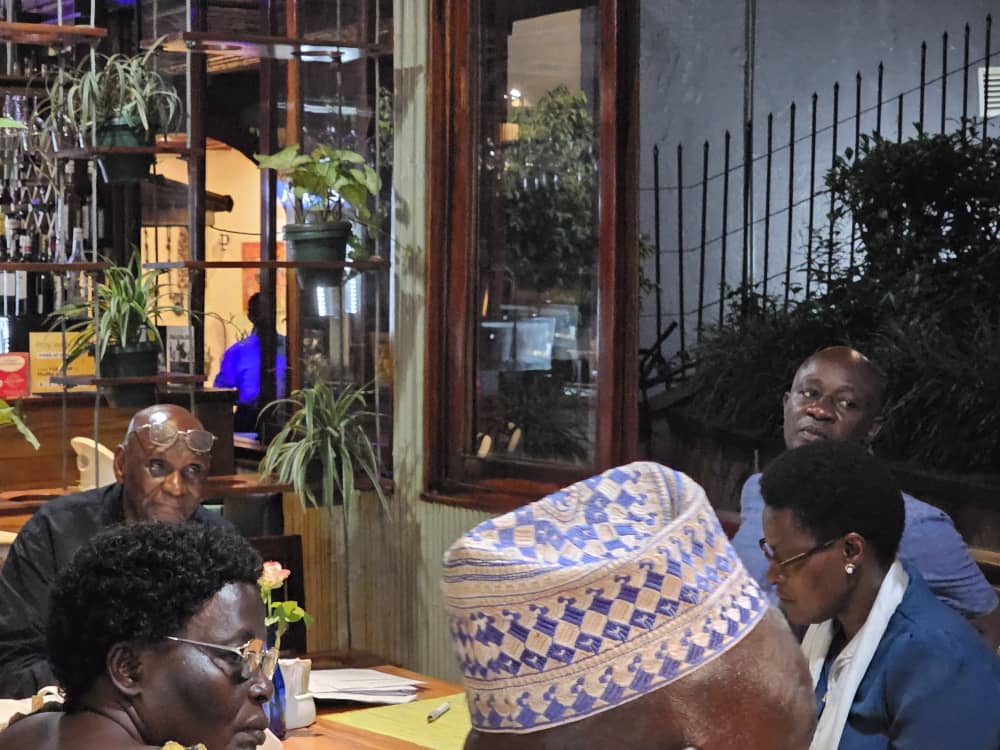
Prof Kateregga gesturing with another gentleman having coffee in one of the city restaurants.

Kampala University founder, Professor Badru Kateregga, has found himself at the center of controversy after a pre-recorded video surfaced in which he accused his wife of holding him incommunicado for a week at their home. However, investigations have revealed these claims to be unfounded, further deepening the turmoil surrounding the embattled academic leader.

Allegations proven false

The video, which quickly made rounds on social media, painted a picture of domestic strife, with Prof. Kateregga alleging that he had been confined against his will. However, multiple sources close to the family and independent investigations revealed that the professor was, in fact, unwell and undergoing medical treatment at home during the alleged period of confinement.

Contrary to his claims, it was established that his children arrived at the home under the pretext of taking him to the hospital but had ulterior motives. Despite their intervention, medical findings confirmed that Prof. Kateregga was suffering from a clot—a condition he has dealt with previously. He subsequently underwent surgery at the International Hospital Kampala (IHK).

Misleading reports about assault

Reports suggesting that Prof. Kateregga was assaulted by his wife, leading to his near-death experience, have also been dismissed as baseless. Witnesses confirmed that the professor was seen walking normally and freely leaving his residence at the time he was taken to the hospital. These revelations have cast doubts on the motivations behind the allegations and the individuals who perpetuated them.

Opportunists and self-seekers

Insiders suggest that Prof. Kateregga is increasingly surrounded by opportunists and self-seekers who may be exploiting his vulnerabilities for personal gain. This influence has reportedly contributed to a series of controversial decisions and public missteps that have tarnished his reputation and threatened the stability of Kampala University.

A tarnished legacy

This latest incident adds to the growing list of challenges facing Prof. Kateregga, who has been criticized for his management of Kampala University amidst allegations of family disputes, questionable leadership decisions, and declining institutional standards.

Observers are calling for a reassessment of the professor’s inner circle and decision-making processes, emphasizing the need for transparency and accountability. Without decisive action, the legacy of Prof. Kateregga and the future of Kampala University may continue to face significant challenges.

As the saga unfolds, stakeholders and the public remain eager to see whether lessons will be learned from this episode or if further controversies will arise.

Key findings:

1. Meeting at Mengo (27th August 2024):

Prof Kateregga attended a meeting involving the Mpologoma Clan and the Buganda Attorney General.

2. Burial Planning (August 28 – 31, 2024):

He participated in organizing the burial of Namugguzi, the Head of the Mpologoma Clan.

3. Official Engagements (August 30, 2024):

The professor was seen at Busabala, Kazi Scouts site, where he received the Vice President.

4. Brother’s Burial (September 3, 2024):

Prof Kateregga attended the burial of his brother, Jjuko, in Butambala.

5. Medical Visits (September 4 – 7, 2024):

He visited his physician, Dr. Silver Bahendeka, at Doctor’s Plaza, Nsambya, on two occasions. Additionally, he was seen at Georgina’s Eye Clinic with his wife.

6. Hospital Stay (September 8, 2024):

Accompanied by his family, Kateregga checked into IHK, where he underwent surgery for blood clots, a condition he has dealt with previously. His neurologist, Dr. Joel Kiryabwire, confirmed the treatment.

Communication and activities

Evidence shows that Prof Kateregga maintained regular communication via phone during the period he alleged detention. This further undermines his claims of being isolated.

Family disputes and allegations

Sources close to the professor have linked the claims to ongoing family conflicts involving his older children and individuals opposed to his current wife. These disputes have reportedly caused significant tension and changes at Kampala University, an institution associated with Prof Kateregga.

Emerging controversies

Reports have surfaced that Prof Kateregga is cohabiting with a 24-year-old woman, adding another layer of complexity to the unfolding narrative. The motive behind the false detention claims remains unclear.

Our investigative team continues to dig deeper into these allegations and their implications. Stay tuned for updates as more details emerge.

Stories Continues after ad

Ham excited after close friend Dr. Ndaitwah wins presidential election

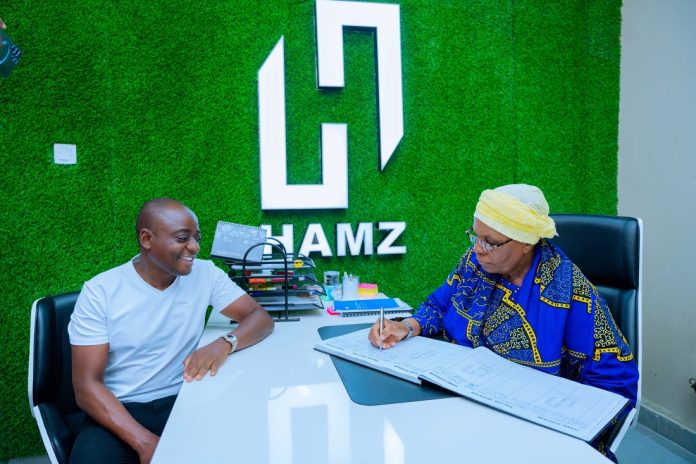
Businessman Ham and Namibia elected president, Dr. Nandi Ndaitwah Netumbo at Hamz stadium on her last visit to uganda earlier this year.

Ugandan entrepreneur Hamis Kiggundu alias Ham is happy after his close ally, Dr. Nandi Ndaitwah Netumbo was declared as Namibia’s President.

Dr. Ndaitwah’s victory marks a historic move for Namibia as her progressive leadership style and bold vision for national development resonate with investors and global leaders alike. Among them is Kiggundu.

Namibia’s new leadership has sparked Kiggundu’s interest in expanding his investments into the country with the initial focus on infrastructure development with plans to build a world-class modern stadium that could position Namibia as a regional hub for sports, entertainment and international events.

Kiggundu expressed his confidence in Namibia’s future under President Ndaitwah.

Kiggundu’s close relationship with President Ndaitwah is expected to strengthen ties between Uganda and Namibia fostering bilateral trade and investment opportunities.

Dr. Ndaitwah’s presidency is rooted in a vision of economic diversification, job creation, and infrastructure modernization.

In addition to the stadium, Kiggundu has ventured in real estate, agriculture, and technology.

Dr. Nandi Ndaitwah’s historic election is not just a triumph for Namibia but a beacon of hope for a brighter, globally connected tomorrow. 

Stories Continues after ad

Victoria University launches unique national certificate in cosmetology & body therapy

Victoria University is offering a first-of-its-kind program; the National Certificate in Cosmetology & Body Therapy.

This innovative course is designed for individuals passionate about beauty, wellness and self-care aiming to transform their interests into fulfilling careers in the booming beauty industry.

Victoria University is setting a new benchmark with this specialized certificate combining theory with practical experience to ensure students gain hands-on expertise.

The course covers a wide range of topics, including professional beauty treatments, skincare and makeup artistry, body therapy techniques, and client management and customer care.

Students will have access to state-of-the-art facilities and expert trainers who guide them every step of the way. Additionally, the curriculum is industry-driven, providing work-integrated learning opportunities that bridge the gap between classroom knowledge and real-world demands.

Graduates of this program will be well-prepared to thrive in various roles within the beauty and wellness industry. Potential career paths include becoming a beauty therapist, skincare specialist, spa consultant or even starting a personal beauty business.

The program is accessible through two entry schemes: Ordinary Level Entry: Uganda Certificate of Education (UCE) or its equivalent, with no restrictions on passes or the year of sitting and Certificate Entry: Junior Vocational Certificate (JVC) from any recognized institution.

Stories Continues after ad

Church of Uganda commends parliament for its efforts to reform the legal framework governing marriage 

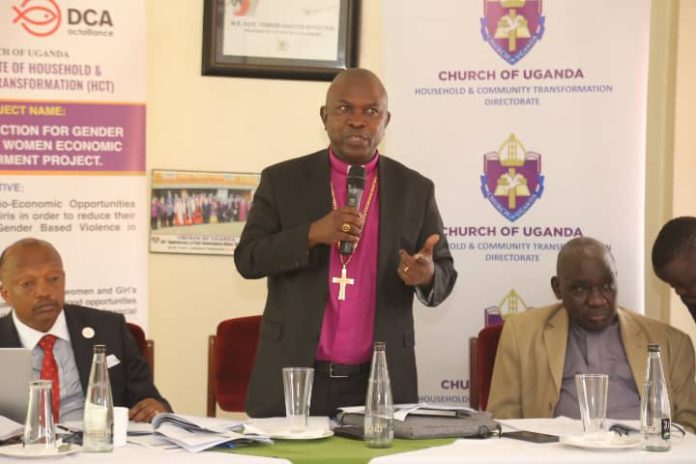
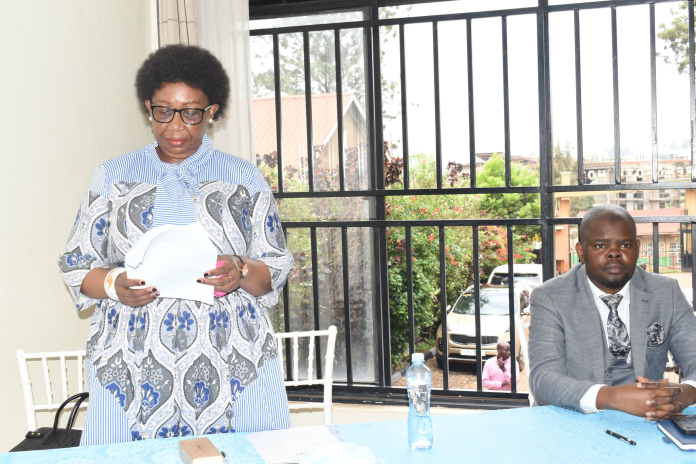
Bishop Jackson Frederick Baalwa, Assistant Bishop of the Diocese of Kampala (standing), Naboth Muhairwe, Chancellor Church of Uganda andProvincial Secretary of the Church of Uganda, Rev. Canon William Ongeng (left).


The Church of Uganda has commended Parliament for its efforts to review, reform, and consolidate the legal framework governing marriage in Uganda.

The Church of Uganda held a dialogue meeting to discuss the proposed Marriage Bill 2024, recently tabled before the Parliament of Uganda by Sarah Achieng Opendi, Woman Member of Parliament for Tororo District.

According to the Provincial Secretary of the Church of Uganda, Rev. Canon William Ongeng, the proposed bill recognizes progressive trends and case law precedents intended to rectify deficiencies in existing legislation, such as prohibiting marriage for individuals under eighteen, banning same-sex marriages, and outlining penalties for bigamy.

However, Canon Ongeng noted that during the dialogue meeting, the Church raised concerns over several provisions.

“Section 39’s allowance for converting monogamous Christian marriages to polygamous ones contradicts the Christian doctrine of marriage as a lifelong union between one man and one woman,” Canon Ongeng said.

He added, “Section 47’s prenuptial and postnuptial agreements could undermine trust and unity foundational to marriage. Clause 61’s presumption of marriage grants courts excessive latitude in defining marriage, while Section 74’s irretrievable breakdown of marriage as a sole ground for divorce could facilitate higher divorce rates.”

He expressed the Church of Uganda’s commitment to working collaboratively with the government to ensure the sanctity of marriage is preserved, and a detailed report outlining the Church’s official position on the Bill will be presented to the Legal Committee of Parliament.

Sarah Opendi Achieng, who led the parliamentary team, emphasized that the proposed Marriage Bill 2024 is designed to address and reduce excesses within the institution of marriage. 

She noted that the bill aims to safeguard the rights of individuals, promote equality, and strengthen the legal framework governing marital relations. 

“By addressing issues such as underage marriage, same-sex unions, and bigamy, the bill seeks to uphold the integrity and sanctity of marriage while ensuring that the legal provisions align with contemporary societal values and international human rights standards.” Opendi said.

During the same meeting, the Archbishop of the Church of Uganda, The Most Rev. Dr. Stephen Samuel Kaziimba Mugalu, represented by Bishop Jackson Frederick Baalwa, Assistant Bishop of the Diocese of Kampala, made a statement on the 16 Days of Activism Campaign against Gender-Based Violence (GBV).

According to Archbishop Kaziimba, while Uganda has made strides in addressing GBV, significant gaps remain in the prevention, response, and management of GBV in various settings.

He called for attention to new forms of violence, such as technology-facilitated gender-based violence (TFGBV), and the need for comprehensive policies and investment in solutions to combat these issues.

The Archbishop commended Parliament and the government for reintroducing “The Sexual Offences Bill, 2024,” which seeks to enhance the punishment of sex offenders and protect victims during trials.

He noted that the Church continues to invest in initiatives promoting women’s economic empowerment and advocating for gender equality through its Directorate of Household and Community Transformation (HCT).

According to Rev. Andrew Agaba, the Director HCT, as part of the 16 Days of Activism, the Church of Uganda commits to collaborating with the government to empower women, promote human rights, and end violence against women and girls.

“The Church will use faith spaces to respond to and prevent gender injustices, encourage survivors to report GBV, and provide support. Additionally, mentorship programs teaching positive masculinity and conflict resolution grounded in biblical principles will be sustained,” Rev. Agaba said.

He called upon the government, civil society, and private individuals to partner with the Church in implementing empowerment programs tailored to diverse groups, especially marginalized and rural communities, to create a safer Uganda free from GBV.

Stories Continues after ad

Museveni hails late Simon Peter Aleper’s contributions to Karamoja 

President Yoweri Kaguta Museveni has paid tribute to the late Simon Peter Aleper, the former National Resistance Movement (NRM) Vice Chairman for Karamoja and acknowledged his pivotal role in transforming the region.

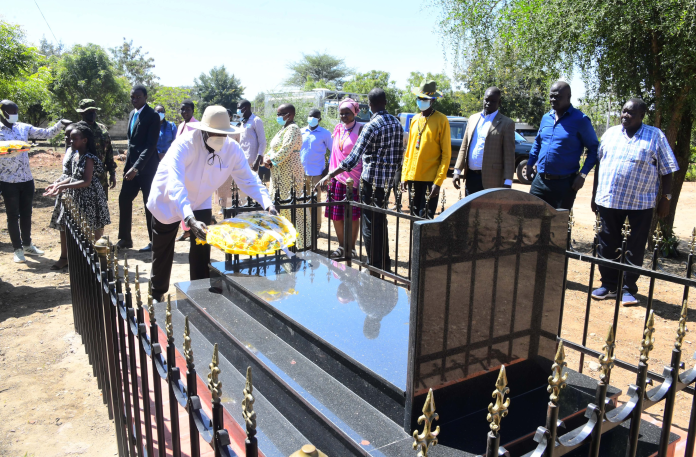
While en route to Kotido on Wednesday morning, Museveni made a stop at Aleper’s home in Napak District to honor his memory. Aleper tragically lost his life in a car accident in July this year leaving behind a legacy of dedication and service to Karamoja.

“Honourable Aleper’s dedicated efforts have significantly elevated the Karamoja region to a critical level of development,” Museveni remarked.

Museveni noted, “With the success of the Parish Development Model (PDM), the establishment of skilling hubs, and ongoing industrialization, his life served as a beacon of inspiration for young people in Karamoja as he utilized government programs in education to lift himself out of poverty.”

Aleper’s commitment to the development of Karamoja was unwavering. His efforts in mobilizing communities and advocating for government programs contributed to notable improvements in education, economic empowerment and infrastructure within the region.

“Hon. Aleper dedicated valuable years to mobilizing efforts for the transformation of his region. Karamoja is now on the path to becoming a powerhouse,” Museveni added.

Aleper was instrumental in promoting the Parish Development Model, a government initiative aimed at improving household incomes, reducing poverty and fostering self-sustainability. His leadership also played a key role in establishing skilling hubs that provided vocational training to the youth, equipping them with skills to secure employment and improve their livelihoods.

Aleper’s legacy continues to inspire the people of Karamoja. His work laid a foundation for ongoing development, with many in the region now benefiting from the programs he championed.

As the Karamoja region advances toward becoming a hub of industrialization and economic growth, Aleper’s contributions will remain a guiding force.

Musevni is currently in Karamoja region carrying out Zonal PDM assessment tours as he emphasizes people to adopt commercial agriculture, industrialization and other sectors of the economy to uplift themselves from poverty and create wealth.

Museveni’s message is based on four key sectors for wealth creation as commercial agriculture for food security and income generation, manufacturing/industries (both large- and small-scale), services such as education, healthcare, and hospitality, and the growing field of Information and Communication Technology (ICT).

Stories Continues after ad

Why Pan African Forum Ltd and David Nyekorach Matsanga have called on the ICC to investigate Sarkozy’s role in the Libyan situation

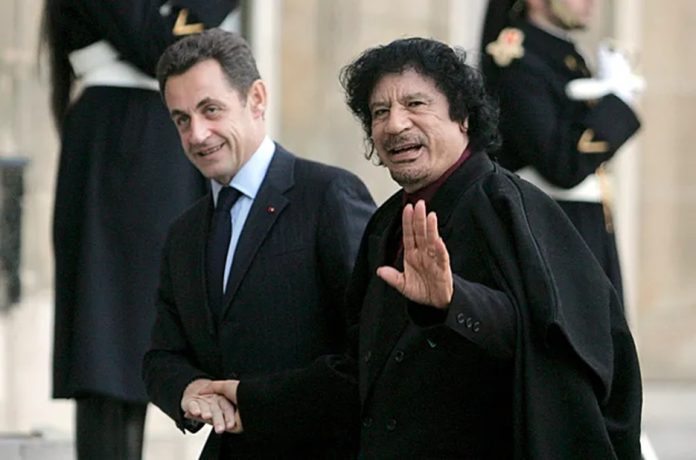
Former French President Nicolas Sarkozy and former Libyan leader late Gaddafi. Sarkozy has been convicted of corruption and campaign finance violation.

The decision to urge the International Criminal Court (ICC) to undertake a preliminary investigation into former French President Nicolas Sarkozy’s role in the Libyan crisis stems from a combination of legal, moral, and geopolitical concerns.

This analysis lays out my reasons for taking this stance, particularly in light of his actions during the NATO-led intervention in Libya following UN Security Council Resolution 1973 and his recent conviction in France for corruption and campaign finance violations.

My first task as the voice of the voiceless is to see Sarkozy’s role personally investigated in the Libyan crisis. The Manipulation of UN Resolution 1973 has never been investigated by a competent court. UN Security Council Resolution 1973 authorized the use of “all necessary measures” to protect civilians during Libya’s 2011 civil war.

However, Sarkozy’s government, in collaboration with NATO allies and AUC officials then, went beyond this mandate. The intervention resulted in regime change, the killing of Muammar Gaddafi, and the destabilization of Libya, leading to widespread chaos.

Sarkozy’s aggressive push for military action raises questions about ulterior motives, including economic interests and personal vendettas, rather than genuine concern for civilian protection.

There are consequences of the Intervention. The NATO-led invasion dismantled Libyan state structures, creating a power vacuum that allowed extremist groups like ISIS to gain a foothold.

The ripple effects included regional instability, human trafficking, and the suffering of Libyan civilians—outcomes starkly at odds with the resolution’s stated objectives.

I believe Sarkozy should be held accountable for these outcomes, as his government played a leading role in the intervention.

There are serious allegations of Personal Interests in Libya. The evidence that has surfaced suggest that Sarkozy had personal financial ties to Gaddafi, including allegations that his 2007 presidential campaign received illicit funding from the Libyan leader. Which later the court found him guilty

This creates a plausible conflict of interest, further undermining the legitimacy of his actions in 2011.

Violation of International Law and the overreach plus the abuse of UNSC mandate by Sarkozy personally.

NATO’s actions, under Sarkozy’s leadership, violated the principles of proportionality and necessity enshrined in international law which I want the court.

The use of military force for regime change was neither authorized by the UN resolution nor justified by the situation on the ground.

Such actions set a dangerous precedent for abusing international mandates to advance geopolitical agendas. I will therefore, in the nearby future move to ICJ for interpretation of the principles of proportionality and necessity in International law.

It is now apparent that War Crimes and Civilian Harm took place in Libya and they continue to take place today. The indiscriminate bombing campaigns and failure to protect civilians post-Gaddafi regime change may constitute violations of international humanitarian law.

As one of the architects of the intervention, Sarkozy should be investigated for complicity in these actions.

It is again on record that Sarkozy’s Legal Troubles in France open up a huge Pandora box that we need to bring to international scrutiny. The Convictions for Corruption brought him to limelight.

Sarkozy’s conviction in France for corruption and illegal campaign financing casts a shadow over his integrity and decision-making during the Libyan crisis.

If Sarkozy engaged in corrupt practices domestically, it is reasonable to question whether his international decisions were similarly influenced by personal gain or hidden motives.

The conviction underscores the need for a thorough investigation into human rights record of Sarkozy’s dealings with Gaddafi and his role in orchestrating Libya’s downfall.

How did he obtain the excess $4 billion dollars which was not accounted for? The court was not convinced with his explanation and it convicted Sarkozy. So why has Africa remained silent when a court gave us a lead?

The ICC has the responsibility to find out and remove the doubts. The new Chief Prosecutor Karim Khan KC was not at the head of OTP when Luis Moreno Ocampo and Fatou Bensuda glossed of Human Right abuses committed before, during and after the fall of Gaddafi and collapse of Libya.

The ICC must be seen enforcing Accountability for Leaders. The ICC was established to hold powerful leaders accountable for actions that lead to crimes against humanity, war crimes, and violations of international law.

Sarkozy’s role in the Libyan crisis aligns with the court’s mandate, particularly given the widespread suffering and instability resulting from the intervention he championed so much.

Investigating Sarkozy would demonstrate the ICC’s commitment to impartiality and its willingness to scrutinize Western leaders, not just African or weaker nations.

In addressing Injustice in Libya, the ICC under the previous Chief Prosecutors opened cases against individuals involved in Libya’s post-2011 chaos, but it failed to examine the root causes, including the actions of global powers that destabilized the country.

An investigation into Sarkozy’s role would provide a more comprehensive understanding of the Libyan tragedy and ensure justice for the millions affected.

I believe that moral responsibility must be enforced. I speak for the voiceless across the globe. Each day I endeavor to do something for humanity.

As an advocate for justice and a defender of African sovereignty, I believe it is my duty to expose the injustices perpetrated against Libya by global powers.

Sarkozy’s actions not only violated Libya’s sovereignty but also contributed to the suffering of its people and the broader destabilization of Africa and the entire Mediterranean Sea. Therefore, preventing future abuses one must hold Sarkozy accountable.

Holding him accountable is essential to deterring future abuses of international mandates by powerful nations and leaders like Sarkozy. Without accountability, global powers will continue to manipulate international institutions like UNSC or ICC for their own ends, to the detriment of smaller nations.

In conclusion I want to state that my call for the ICC to investigate Nicolas Sarkozy’s role in the Libyan crisis is grounded in a commitment to justice and accountability.

His actions during the NATO-led intervention, combined with his corruption conviction, raises serious questions of human rights abuses about his motives and the legality of his decisions during the Libyan crisis.

It is imperative that the ICC conducts a preliminary investigation to uncover the truth, provide justice for the Libyan people, and reaffirm the principle that no leader is above the law in the World.

Submitted by: Dr. David Nyekorach Matsanga
PAN AFRICAN FORUM LTD
INTERNATIONAL RELATIONS EXPERTS
INTERNATIONAL LEGAL EXPERTS
CONFLICT RESOLUTION EXPERTS
africastrategy@hotmail.com
www.panafricanforumltd.com

Stories Continues after ad

UHRC Chairperson calls for empowerment and sensitivity in sexual and reproductive health rights

UHRC chairperson Mariam Wangadya (standing).

Chairperson of the Uganda Human Rights Commission (UHRC), Ms. Mariam Wangadya has emphasized the importance of empowering citizens with knowledge about sexual and reproductive health rights (SRHR).

Speaking at the opening of a training session for Directors, Principal Human Rights Officers and other staff, she highlighted the need for culturally sensitive and empathetic service delivery in this critical area of human rights.

The training, held at Rehoboth Hotel and Suites in Kajjansi Town Council, is supported by the United Nations Population Fund (UNFPA Uganda) and aimed at equipping UHRC officers with the necessary skills and knowledge to address sexual and reproductive health issues in their communities.

In her address, Wangadya underscores the legal foundations of sexual and reproductive health rights.

“Sexual and reproductive health rights are enshrined under the Universal Declaration of Human Rights (UDHR), the International Covenant on Economic, Social and Cultural Rights (ICESCR) and the Convention on the Elimination of All Forms of Discrimination against Women (CEDAW),” she stated.

She added, “They are also protected under our own Constitution of Uganda, particularly under Article 33, which affirms the rights of women, and Article 34, which protects the rights of children.”

By referencing these legal instruments, Wangadya highlighted the Commission’s obligation to ensure these rights are respected, protected and fulfilled across Uganda.

Wangadya also emphasized the importance of understanding the diverse needs of individuals when addressing sexual and reproductive health.

“One key aspect of our work understands the diverse needs of the individuals we serve,” she remarked.

She added, “Every person’s situation is unique, and cultural sensitivity, empathy and respect for personal choices are paramount. We must always create a space where individuals feel safe to ask questions and seek the information or services they need.”

She urged human rights officers to approach their work with a deep sense of empathy and cultural awareness, ensuring that no one feels excluded or marginalized.

Wangadya challenged the UHRC staff to broaden their understanding of SRHR beyond traditional concepts like contraception and pregnancy.

“When we talk about sexual and reproductive health, we’re not just talking about contraception or pregnancy,” she explained.

She added, “We’re addressing a wide range of topics: sexual rights, family planning, sexually transmitted infections (STIs), maternal health, gender equality, sexual orientation, consent, and much more. The more we understand the breadth and complexity of this topic, the better equipped we will be to serve our communities.”

By expanding their knowledge, Wangadya believes UHRC officers will be better positioned to advocate for and protect the sexual and reproductive health rights of all Ugandans.

Wangadya called for the need to empower citizens with accurate and reliable information about their rights.

“When people are informed, they can make independent, informed decisions about their health and well-being. Our role is to ensure they have access to this information and the services they need to exercise their rights fully,” she noted.

The training is expected to enhance the capacity of UHRC officers to address sexual and reproductive health challenges and contribute to the broader goal of promoting human rights and gender equality in Uganda.

As the session progresses, the UHRC commits to work collaboratively with partners like UNFPA Uganda to create a society where every individual can exercise their sexual and reproductive health rights with dignity and respect.

Stories Continues after ad
Activists call for continued awareness and action amid rising HIV infections among youth

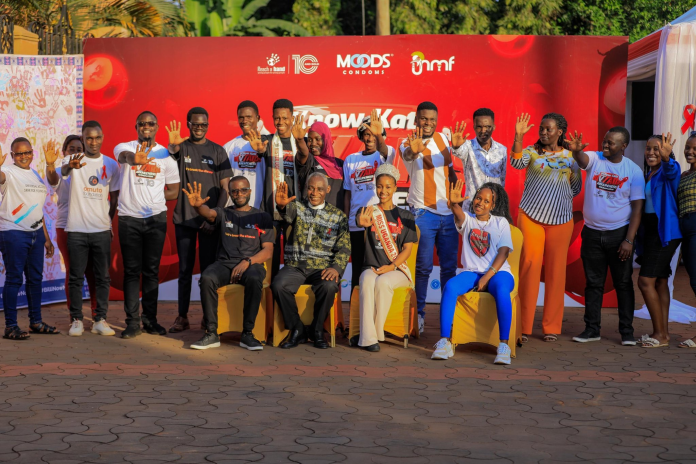
HIV/Aids activists have called for continued education and awareness, particularly among young people in the fight against the virus. The clarion call was made during ‘I Know Kati HIV/AIDS awareness jam session’ which was held at A’lure Suites in Mutundwe.

According to Uganda Aids Commission (UAC) there are 1.49 million people live with HIV in Uganda, of whom 92% know their positive HIV status, and over 90% of these are on antiretroviral drugs (ARVs).

UAC indicates that at least 38,000 people contract HIV/AIDS every year of which 22,000 occurred among women, especially adolescents and young women aged 15-24 years. The shooting cases of HIV infection hinders governments the 2025 target of 18,000 new HIV infections annually.

The 2024 Aids at a Crossroads report by the United Nations Program on HIV/AIDS (UNAIDS) indicates that 1.3 million people acquired HIV in 2023.

The report indicates that HIV among adolescent girls and young women aged 15–24 years is extraordinarily high in parts of sub-Saharan Africa. 120,000 adolescent girls and young women acquired HIV in 2023, bringing the total number of children living with HIV globally to 1.4 million, 86% of whom are in sub-Saharan Africa.

Canon Professor Gideon Baguma Byamugisha who has lived with HIV for 32 years emphasized the importance of ensuring zero transmission of HIV and reducing stigma and death by adhering to proper medication.

He urged those in positions of power to use their influence responsibly, ensuring that they do not sexually abuse others.

“You should not defile or rape anyone, nor should you force someone into sex when they do not consent. Men and boys, who are often granted significant power by culture and religion, must be held accountable,” he said.

As we observe the 16 days of activism against gender-based violence, it is crucial for those with power both personally and at the family level to use it responsibly. At the local level, we must ensure that everyone has access to safe behaviors, treatment, testing, and empowerment. At the national level, supportive HIV prevention policies must be put in place.

He attributed the increasing number of cases in sub Saharan Africa to a lack of knowledge and resources.

“60% of new infections occur in Africa south of the Sahara due to issues such as poor community leadership, governance, and widespread poverty. These are all forms of deprivation. People are deprived of love, justice, equity, and means of subsistence. AIDS is an opportunistic infection that takes advantage of societal weaknesses,” he said.

He emphasized that AIDS should not be portrayed solely as a behavioral disease but as a consequence of socio-economic challenges. “Let’s stop blaming and pointing fingers, and instead focus on supporting and listening to those affected.”

Benson Muhindo, Acting Country Director of Reach a Hand Uganda said shared insights from their activities during the 16 days of activism against gender-based violence.

He said they had carried out a series of outreach events, marches, and collaborations with musicians. They have a platform that we do not have. They have a large following, particularly among young people who admire them and want to be close to them. We bring musicians into communities to interact with young people and share their personal experiences around gender-based violence and HIV.

Muhindo praised the musicians who have openly shared their status and experiences. Many of them are living with the virus, and they have come out to support their peers. For this movement to gain momentum, it’s crucial that influential figures like musicians publicly join the cause.

He also expressed concern about Uganda’s progress toward the UNAIDS 95-95-95 targets by 2025. “If things stay the same, we might not meet our targets due to the rise of new HIV infections, particularly among young people. He attributed the rising cases to complacency with prevention messages and the prevalence of new high-risk environments, such as massage parlors, where people are vulnerable.

“We need to keep reminding them that, while it is possible to live with the virus, it comes with significant consequences. You must take medication every day, eat well, and make major lifestyle changes things that many young people take for granted,” he said.

“We want to ensure that that there are fewer people contracting HIV/ Aids. We want people to normalize testing for HIV/ Aid before they indulge in sexual acts or any relationships,” musician Eddy Kenzo said.

He said they have set up a desk at the secretariat to handle cases of musicians battling HIV/Aids.

Stories Continues after ad
Biribonwa appointed Victoria University council chairman

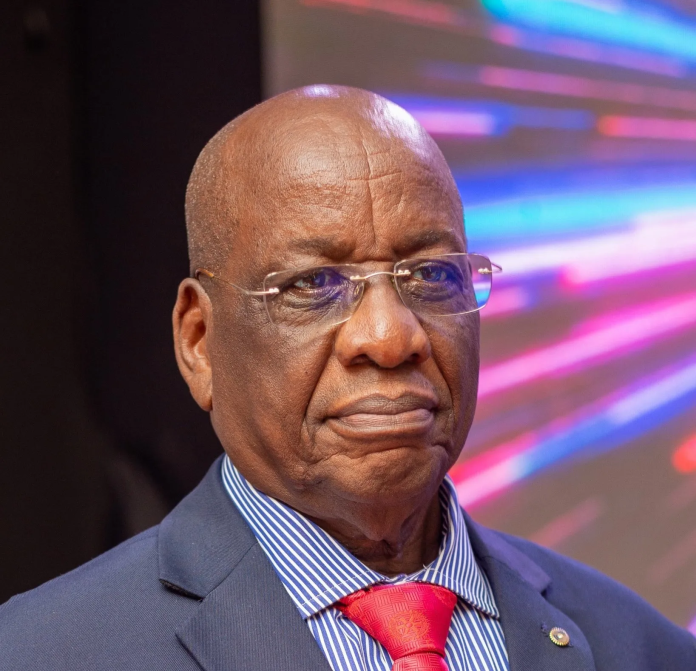
Mr Joseph Birbonwa.

Victoria University has appointed Joseph Biribonwa as the new Chairman of the University Council, effective December 1, 2024.

Biribonwa, who previously served as Vice Chairman of the council has succeeded the late Mr. Joram Kahenano.

Biribonwa brings to the position over 40 years of professional experience in democracy and governance, management, administration, finance, and corporate governance. His distinguished career has been marked by significant contributions to the enhancement of transparency and efficiency in Uganda’s electoral processes.

The University Council, the highest governing body of Victoria University, is responsible for directing administrative, financial, and academic affairs. As Chairman, Biribonwa will provide strategic leadership and guidance to the council, ensuring the university’s continued growth and development.

The council of Victoria University comprises esteemed professionals from diverse fields, each bringing invaluable expertise to the institution. Among them is Dr. Consolata Kabonesa, an Associate Professor at the School of Women and Gender Studies, Makerere University, with over 25 years of experience in gender analysis, research, and training. Joining her is Andrew Mwenda, a renowned Ugandan journalist and founder of The Independent magazine, recognized as a Young Global Leader by the World Economic Forum.

Mr. Rajiv Ruparelia, a distinguished graduate of Regents College London with expertise in business management and marketing, also serves on the council, alongside Mr. James Kalebbo, whose 32-year tenure at the Uganda Management Institute (UMI) reflects a dedication to meritocracy and quality education. The council further benefits from the expertise of Mr. Jay Sakaria, an Actuary with the UK’s Institute and Faculty of Actuaries, specializing in reserving, capital modeling, and business planning.

Dr. Kanyiginya Mary Tizikara, a seasoned expert in Human Resource Management and Development with over 20 years of administrative experience in higher education, also lends her expertise to the council. Other notable members include Mr. Sameer Thakkar, finance and audit professional committed to continuous improvement, and Mr. Ssemambo Rashid, an advocate with 13 years of experience in private legal practice, financial management, and international transactions.

The visionary Vice Chancellor of Victoria University, Dr. Lawrence Muganga, with a Ph.D. in Educational Administration and Leadership from the University of Alberta, Canada, is also a key member of the council. Supporting the council’s operations is Mrs. M.G. Katusabe-Ssemwezi, the University Secretary with over 30 years of experience in higher education governance and management.

Representing the student body is Emmanuel Kintu, the 7th Guild President of Victoria University, who is pursuing a Bachelor’s degree in Nursing Science and is committed to providing affordable, high-quality healthcare. Completing the council is Ms. Amanya Barbara Lynne, a distinguished academic with a Bachelor’s degree in Industrial and Organizational Psychology, an MBA in International Business, and a Ph.D. in Management.

Since its establishment in 2013, Victoria University has rapidly grown into a leading institution of higher learning in Uganda. Its commitment to providing high-quality education, coupled with a focus on practical and hands-on learning experiences, has solidified its reputation as a center of academic excellence in the region.

Stories Continues after ad