President Museveni laying a wreath on the grave of late Aleper.
The United States government has handed over a $1.5 million (Ushs5.5 billion) vehicle maintenance facility to the Uganda People’s Defence Force (UPDF), significantly boosting the capabilities of the Uganda Rapid Deployment Capabilities Center (URDC) to support peacekeeping efforts and humanitarian crises.
This advanced facility includes maintenance bays, a fueling station and storage, a vehicle inspection pit, administration buildings, and a security fence – critical resources to support Uganda’s rapid response to crises.
This handover builds on the delivery of a second United Nations Level 2 Hospital in October 2024. The mobile hospital is designed for rapid deployment and will play a key role in providing medical care during regional peacekeeping and emergency operations, while also supporting the health needs of Ugandan citizens.
Both of these developments reinforce the U.S. commitment to regional peacekeeping and humanitarian support. With ongoing partnerships like these, the U.S. continues to support Uganda’s efforts in peacekeeping and humanitarian aid, ensuring a more secure future for the region.
The African Peacekeeping Rapid Response Partnership (APPRP) and Global Peace Operations Initiative (GPOI) have been cornerstone programs in the United States’ historical investment in African peacekeeping.
Through these initiatives, the U.S. has strengthened the capacity of African nations, including Uganda, to maintain readiness for rapid peacekeeping deployment, while enhancing the effectiveness of both UN and regional peace operations.
Nearly two-thirds of all U.S. security cooperation funds in Uganda go to health programs that provide a direct impact for Ugandan citizens, with the rest supporting human rights and legal training as well as humanitarian and peacekeeping efforts.
The Forex market, short for Foreign Exchange, is one of the largest financial markets in the world, with a daily turnover of over $6 trillion. It provides immense opportunities for traders to profit by buying and selling currencies based on price fluctuations. In Kenya, Forex trading has seen a surge in popularity as more individuals and institutions look to capitalize on this global market.
However, the success of your Forex trading is not solely dependent on market knowledge, strategies, or timing. One of the most critical decisions you will make is choosing the best Forex broker in Kenya. A good broker provides the necessary tools, support, and trading conditions to help you achieve success in the Forex market. A poor choice can lead to unexpected risks, losses, or even fraud.
This article will guide you through the essential factors to consider when selecting the best Forex broker for trading in Kenya. We will look at licensing, regulation, platform choices, trading conditions, fees, customer support, and other vital aspects to help you make an informed decision.
Comparison of Top Forex Brokers in Kenya: Analyzing the Best Options
Choosing the best Forex broker in Kenya can be a daunting task, especially with so many options available. To help you navigate the market, let’s look at a comparison of some of the top brokers operating in Kenya. We will highlight their key features, strengths, and what makes them stand out for local traders.
1. Exness
Exness is one of the most popular Forex brokers in Kenya and around the world, known for its user-friendly platform and strong regulatory credentials. Here’s why it stands out:
Regulation: Exness is regulated by top-tier bodies such as the Financial Conduct Authority (FCA) and Cyprus Securities and Exchange Commission (CySEC), providing traders with a high level of security.
Spreads and Fees: Exness offers competitive spreads starting as low as 0.1 pips on major currency pairs. It also provides commission-free accounts, which is attractive for traders looking for low-cost options.
Customer Support: Exness offers 24/7 customer support via live chat, email, and phone, ensuring that traders can get assistance whenever needed. Their support team is highly rated by Kenyan traders for being responsive and knowledgeable.
Trading Platforms: Exness supports both MetaTrader 4 (MT4) and MetaTrader 5 (MT5), along with mobile apps for trading on the go.
Strengths:
Highly regulated and trustworthy.
Tight spreads and low commission options.
Excellent customer support in multiple languages.
Considerations:
Higher minimum deposit requirements on some accounts.
Limited range of educational resources compared to some competitors.
2. FBS
FBS is a widely known Forex broker that has been popular in Kenya for its variety of account types and flexible trading conditions. FBS has managed to carve out a niche by providing excellent services to both new traders and experienced investors.
Regulation: FBS is regulated by the International Financial Services Commission (IFSC) of Belize and offers an additional layer of trust through its membership in the Investor Compensation Fund. While not as highly regulated as brokers like Exness or IC Markets, FBS still provides a secure trading environment.
Spreads and Fees: FBS offers competitive spreads that start from 0.0 pips on ECN accounts. Traders can choose from commission-free accounts or accounts with small commission fees, depending on their needs.
Trading Platforms: FBS provides the popular MetaTrader 4 (MT4) and MetaTrader 5 (MT5) platforms, both of which are compatible with desktop and mobile devices.
Customer Support: FBS offers 24/7 customer support through phone, email, and live chat. They are known for their prompt responses and multilingual support services, making them a preferred choice for Kenyan traders.
Education and Resources: FBS offers a solid selection of educational resources, including webinars, trading tips, and video tutorials aimed at both beginner and intermediate traders. These resources also cover advanced concepts, such as identifying patterns like the diamond pattern, which can help traders predict potential market reversals and refine their trading strategies.
Strengths:
Offers a variety of account types catering to different traders.
Highly flexible trading conditions with low spreads.
Great educational resources and trading tools for beginners.
Considerations:
Limited regulatory oversight compared to some larger brokers.
May not be suitable for advanced traders who need more complex tools.
3. IC Markets
IC Markets is another globally recognized broker offering a range of services for Forex traders in Kenya. Known for its advanced technology and transparent pricing, IC Markets is an excellent choice for both beginner and experienced traders.
Regulation: IC Markets is regulated by ASIC (Australia) and CySEC (Cyprus), ensuring that they meet strict financial standards and provide a safe trading environment.
Spreads and Fees: IC Markets offers some of the lowest spreads in the industry, with spreads starting at 0.0 pips for ECN accounts. However, it charges a small commission on trades, which is typical for ECN brokers.
Trading Platforms: IC Markets supports MetaTrader 4 (MT4), MetaTrader 5 (MT5), and cTrader, providing traders with flexibility and advanced trading tools.
Education and Resources: IC Markets provides a variety of educational resources, including video tutorials, webinars, and a comprehensive FAQ section. However, their educational materials may not be as extensive as some brokers.
Strengths:
Extremely low spreads and transparent pricing.
A wide range of platforms and advanced trading tools.
Regulated by top-tier authorities.
Considerations:
Commission fees can add up for frequent traders.
Some traders report that customer service response times could be faster.
4. AvaTrade
AvaTrade is a globally recognized Forex broker with a solid reputation for providing comprehensive trading services and a wide range of financial instruments. It’s a great choice for Kenyan traders who want to trade beyond just currency pairs.
Regulation: AvaTrade is regulated by several authorities worldwide, including the Central Bank of Ireland, ASIC in Australia, and FSA in Japan. This makes AvaTrade a safe and reliable option for Kenyan traders.
Spreads and Fees: AvaTrade offers competitive spreads, starting from 0.9 pips for major currency pairs. They offer both fixed and floating spreads, allowing you to choose based on your trading preferences.
Trading Platforms: AvaTrade offers MetaTrader 4 (MT4), MetaTrader 5 (MT5), and their proprietary AvaTradeGo app, which is designed for mobile trading. AvaTradeGo is praised for its simple interface and ease of use.
Education and Resources: AvaTrade provides a range of educational resources, including online courses, webinars, and an educational blog. They also offer trading guides and eBooks suitable for both beginners and advanced traders.
Strengths:
Wide range of financial instruments, including Forex, stocks, indices, and commodities.
Excellent regulatory framework with global coverage.
Comprehensive educational materials.
Considerations:
Spread may be higher compared to ECN brokers.
AvaTrade’s trading platforms might be less flexible than those of some competitors.
5. HotForex
HotForex is a well-established Forex broker that offers a wide range of trading accounts, competitive spreads, and a solid platform for both new and experienced traders in Kenya.
Regulation: HotForex is regulated by top-tier authorities such as the Financial Services Commission (FSC) in Mauritius and CySEC in Cyprus. It also offers Investor Compensation Fund (ICF) protection for its European clients.
Spreads and Fees: HotForex offers competitive spreads with fixed spreads starting from 1.2 pips on major currency pairs. While its spreads are higher than those of ECN brokers, they are still reasonable for retail traders.
Trading Platforms: HotForex provides MetaTrader 4 (MT4) and MetaTrader 5 (MT5), with the option to use them via desktop or mobile devices. It also offers an integrated WebTrader for trading directly from your browser.
Education and Resources: HotForex offers a variety of educational materials, including webinars, trading guides, and video tutorials. However, their educational content is primarily focused on beginner and intermediate traders.
Strengths:
Excellent regulatory oversight with protection for investors.
Multiple account types tailored to different trading styles.
Strong educational offerings for beginners.
Considerations:
Higher spreads compared to ECN brokers.
Limited advanced tools and resources for professional traders.
Licensing and Regulation: Why It Matters
The Importance of Regulation
One of the most important aspects of choosing the best forex brokers in Kenya is whether or not they are regulated. Regulatory bodies exist to ensure that brokers follow strict guidelines to protect traders from fraud and other illegal activities. They enforce standards on transparency, fairness, and the treatment of clients’ funds. A regulated broker is more likely to be trustworthy, as they are required to operate with a high level of accountability.
Local Regulations in Kenya
In Kenya, the Capital Markets Authority (CMA) is the main regulator overseeing the activities of Forex brokers. The CMA ensures that brokers operating in Kenya comply with local laws and regulations. The authority’s role is to protect Kenyan traders from fraud and unethical practices. Some key regulations that brokers must adhere to include:
Segregation of client funds: Brokers must keep client funds in separate accounts from their operational funds, ensuring that your money is safe in case the broker faces financial difficulties.
Transparency: Brokers are required to provide clear information on their trading conditions, including spreads, fees, and order execution processes.
Fair advertising: The CMA ensures that brokers do not engage in misleading advertising or promises of unrealistic returns.
International Regulation: Additional Layers of Protection
While regulation by the CMA is important for Kenyan traders, selecting a broker that is also licensed by international regulatory bodies can add an additional layer of protection. Notable regulators include:
Financial Conduct Authority (FCA) in the UK
Australian Securities and Investments Commission (ASIC)
Cyprus Securities and Exchange Commission (CySEC) These regulatory bodies are known for their stringent rules that ensure fair and transparent trading conditions. Choosing a broker regulated by one of these authorities can provide more security, especially if the broker has a global client base.
Why Does Regulation Matter?
When you choose a regulated broker, you are assured of:
Client fund protection: Your funds are kept in segregated accounts and may be insured up to a certain amount.
Transparency: Regulated brokers are required to display accurate information regarding their services, costs, and risks.
Accountability: If a regulated broker engages in fraud or unethical practices, they can face penalties, suspension, or even revocation of their license.
Choosing a licensed and regulated broker is the first step in ensuring a safe and secure trading experience in the Forex market.
Types of Forex Brokers: Choosing the Right Fit
Forex brokers can be categorized into different types based on how they execute and process trades. Understanding these types will help you select the right broker for your trading style and strategy.
Market Makers
Market Makers are brokers that create their own bid (buy) and ask (sell) prices, which means they act as the counterparty to your trades. These brokers provide liquidity to the market by setting the prices themselves, rather than relying on the interbank market or other liquidity providers.
Advantages:
Fixed spreads: Market makers often offer fixed spreads, which can make it easier to calculate trading costs. This is particularly useful for beginners.
Predictable trading conditions: Because market makers set their prices, traders know exactly what to expect regarding costs and order execution.
Lower minimum deposit requirements: Market makers typically have lower deposit requirements, which is attractive to new traders with limited capital.
Disadvantages:
Potential conflicts of interest: Because market makers take the opposite side of your trades, there could be a conflict of interest. This means that, in some cases, they might benefit when you lose, leading to concerns over transparency.
Less liquidity: The liquidity provided by market makers can sometimes be lower than that of other brokers, especially during high volatility.
Less flexibility: Market makers may not offer as many trading options or as wide a range of currency pairs as ECN or STP brokers.
ECN Brokers
ECN (Electronic Communication Network) brokers provide direct access to the interbank market and connect you with liquidity providers. Unlike market makers, ECN brokers do not set the buy and sell prices, but rather pass on the prices they receive from liquidity providers.
Advantages:
Lower spreads: ECN brokers typically offer much lower spreads, especially on major currency pairs, because they don’t mark up the prices themselves.
No interference: ECN brokers don’t take the opposite side of your trade, so there is no conflict of interest. Your order is sent directly to the market.
Greater liquidity: Because ECN brokers aggregate liquidity from multiple providers, they offer more depth and better execution speeds, which can be crucial for active traders.
Disadvantages:
Commission fees: ECN brokers often charge a commission on each trade, which can make trading more expensive for those who execute many trades.
Higher minimum deposit: ECN brokers typically require a larger initial deposit compared to market makers, making them less accessible to beginner traders.
Complexity: ECN brokers are often preferred by advanced traders due to their sophisticated execution models and lower spreads.
STP Brokers
STP (Straight Through Processing) brokers transmit orders directly to liquidity providers, similar to ECN brokers. However, STP brokers typically operate on a simpler model, and they may charge either a commission or mark up the spread slightly.
Advantages:
Faster execution: STP brokers offer quicker execution times compared to market makers, making them ideal for traders who rely on fast market movements.
No conflict of interest: Like ECN brokers, STP brokers don’t take the opposite side of your trades.
Transparent pricing: STP brokers generally offer transparent pricing and provide direct access to the market.
Disadvantages:
Variable spreads: STP brokers may offer variable spreads, which can widen during periods of high market volatility.
Higher costs: Depending on the broker, spreads can be higher than those of market makers, and commissions may apply.
Which Broker is Best for You?
The choice of broker depends on your experience level and trading style:
For Beginners: A market maker broker is often the best option due to their user-friendly platforms, lower minimum deposit requirements, and fixed spreads.
For Active or Professional Traders: An ECN or STP broker is better suited to traders who are looking for tighter spreads, faster execution, and direct market access.
Key Takeaways:
Market makers offer fixed spreads and are best for beginners.
ECN brokers offer low spreads and direct market access, making them ideal for advanced traders.
STP brokers offer faster execution and transparent pricing but may have higher spreads.
Trading Platforms and Technology: The Foundation of Your Trading Experience
Your trading platform is the primary tool you will use to execute trades, analyze the market, and monitor your portfolio. Therefore, it’s essential to choose a broker that provides a reliable and robust trading platform. Here’s what to look for when evaluating a broker’s platform:
Popular Trading Platforms
MetaTrader 4 (MT4): MT4 is one of the most popular and widely used trading platforms in the Forex market. It offers a simple, user-friendly interface, excellent charting tools, and robust automation features through Expert Advisors (EAs). MT4 is ideal for both beginners and experienced traders.
MetaTrader 5 (MT5): MT5 is the successor to MT4 and includes additional features like more timeframes, more order types, and an integrated economic calendar. MT5 is great for traders who need more advanced tools and want to trade a wider range of assets such as commodities, stocks, and indices.
cTrader: Another popular platform, cTrader offers advanced charting capabilities, faster execution, and a streamlined interface. It is especially favored by traders who prefer using ECN brokers.
Key Platform Features
User Interface: The platform should be easy to navigate. A clean, well-organized interface helps you focus on trading rather than struggling with complex navigation.
Mobile Trading: Look for brokers offering mobile apps for trading on the go. The mobile platform should have the same functionality as the desktop version.
Charting and Technical Analysis Tools: Advanced charting tools, technical indicators, and drawing tools are essential for analyzing market trends. Platforms like MT4 and MT5 offer extensive charting options, including multiple timeframes and customizable indicators.
Order Execution Speed: The platform should allow for fast and reliable order execution, especially if you are involved in high-frequency trading or scalping. Slow execution can result in slippage and losses.
Choosing the Best Forex Broker in Kenya for Your Needs
Choosing the best Forex broker in Kenya involves more than just finding a broker with low fees and tight spreads. It requires evaluating factors such as regulation, customer support, educational resources, trading platforms, and overall reputation. Each trader has different needs and preferences, and the right broker will depend on your individual trading style, experience, and risk tolerance.
Beginners might prioritize brokers with lower minimum deposits, educational resources, and user-friendly platforms like Exness or HotForex.
Experienced traders may prefer IC Markets or FBS, which offer advanced tools, low spreads, and direct market access.
Those seeking a broader range of financial instruments might find AvaTrade appealing, as it offers not just Forex but also indices, commodities, and even stocks.
Ultimately, the right broker is one that aligns with your trading goals, provides a secure environment, and offers reliable support and resources. By carefully considering the factors discussed in this guide, you can make an informed decision and start your Forex trading journey on the right foot.
Remember, while the Forex market offers significant profit potential, it also carries risks. Always take the time to understand your broker’s trading conditions and conduct thorough research before opening a trading account.
Police in Nakasongola District have launched an investigation into the vandalism and theft of high-voltage electricity poles and wires belonging to Umeme Ltd.
The incident which occurred late on Tuesday night left multiple communities along the Kampala-Gulu highway without power.
Preliminary findings indicate that the vandals struck at around 11:00 PM on December 3, 2024, at Lubenge Swamp in Kakooge Town Council. Two high-voltage electricity poles were cut down and approximately 600 meters of electric wire valued at Shs20 million were stolen.
The discovery was made by Umeme technical officer, Edward Kwolekwa, who was dispatched to investigate a power outage affecting Kakooge, Katugo, Wabigalo, and other nearby stations.
Kwolekwa began inspecting power lines immediately after the blackout. His investigation continued into the morning of December 4, when a colleague on leave alerted him to the damaged poles at Lubenge Swamp.
Upon confirming the theft and damage, Kwolekwa reported the incident to Kakooge Police Station.
The territorial police in Nakasongola quickly responded to the report and registered a case of vandalism and malicious damage.
ASP Sam Twiineamazima, the Savannah Region Police Spokesperson, confirmed the incident and outlined the police’s response.
“The scene was visited by our Scene of Crime Officers (SOCO), and relevant statements were recorded from both the complainant and Umeme supervisors,” ASP Twiineamazima said.
He added, “We are now actively hunting for the culprits to ensure they are apprehended and brought to justice.”
He assured the public that efforts are underway to recover the stolen wires and prevent future incidents of vandalism.
“These acts of sabotage not only disrupt essential services but also pose a significant danger to the public. We urge anyone with information about the perpetrators to come forward and assist with our investigations.”
The vandalism has caused widespread disruption to electricity supply in the affected areas Umeme Ltd. is working to restore power.
“More details will be availed in due course as the investigation progresses,” ASP Twiineamazima added.
Police at Old Kampala have apprehended a 40-year-old suspect, identified as David Tumwine, also known as Busoni for unlawful possession of firearms and rounds of ammunition.
Tumwine, a resident of Mubuteraniro Village in Mubende District was intercepted on the morning of December 4, 2024 at the bustling Kisenyi Bus Terminal in Kampala Central Division.
During routine security checks at the terminal around 9:00 AM, Tumwine, who was carrying two suspicious bags, was asked to submit to inspection. Instead, he attempted to flee, abandoning his belongings in the process.
ASP Luke Owoyesigyire, Deputy Public Relations Officer for Kampala Metropolitan Police said that the terminal’s security team acted swiftly pursuing and apprehended him before he could escape.
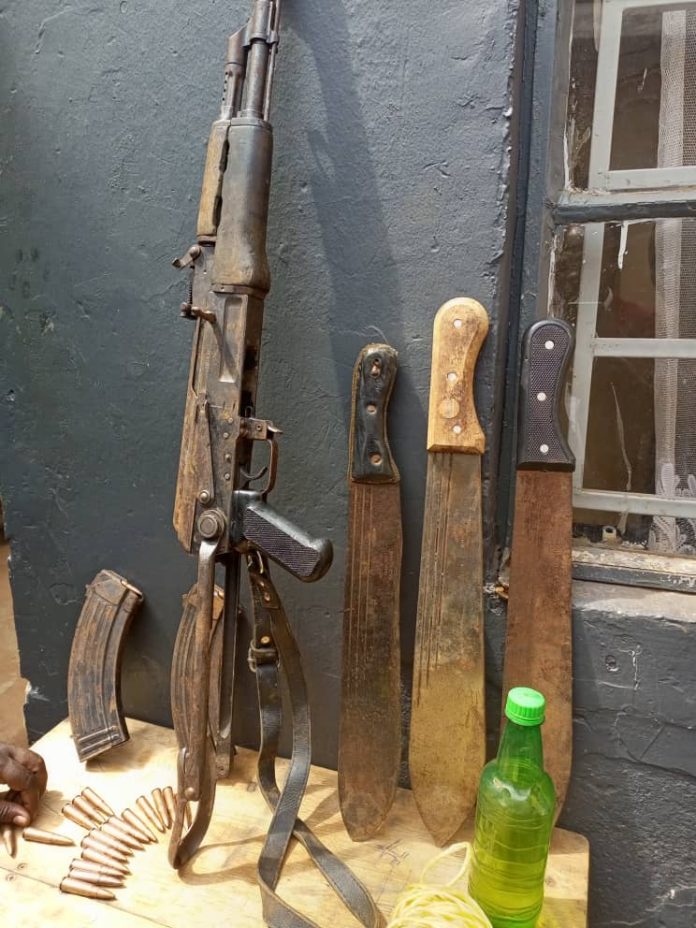
Owoyesigire revealed, “Upon inspection of the suspect’s bags, a sub-machine gun (SMG), 24 live rounds of ammunition, 2 magazines, 3 pangas, a 1-liter bottle of petrol and ropes.”
The Police were immediately notified and Tumwine was taken into custody at Old Kampala Police Station.
Preliminary investigations indicate that Tumwine was traveling from Kyotera District and was heading to Busia. Authorities are now working to determine the source of the firearm and the suspect’s potential motives.
“We are committed to uncovering the full extent of this case, including where the firearm came from and what the suspect intended to do with it,” Owoyesigyire added.
The police have commended the vigilance and professionalism of the security personnel at Kisenyi Bus Terminal whose diligence may have averted a serious crime.
“This incident highlights the importance of maintaining robust security measures to protect public safety,” Owoyesigyire said.
The public has been urged to remain vigilant and report any suspicious activities to the nearest authorities as investigations into the matter continue.
Owoyesigire said that further updates will be provided as more information emerges.
Minister Kasaija and Uganda Retirement Benefit Regulatory Authority members.
The Minister for Finance Planning and Economic Development Matia Kasaija has revealed that funds saved under retirement benefits schemes have reached Shs25.40 trillion,
The latest figures are indicated in the Uganda Retirement Benefit Regulatory Authority (URBRA) which marks an 18.6% increment from Shs21.4 trillion in 2023.
Speaking at the release of the 2024 URBRA report in Kampala Matia Kasaija said the growth of the schemes was driven by a combination of net income amounting to Shs3.10 trillion and net member contributions of Shs989.94 billion.
He said income from fixed-income securities accounted for over 90 percent of the total income, enabling retirement benefits schemes to declare an average interest rate of 10.99 percent.
In the financial year under review, Shs1.3 trillion was paid out in retirement benefits, ensuring that retirees could live with dignity and financial security.
Meanwhile, unremitted contributions collected during the period amounted to Shs15.75 billion, further strengthening the sector’s financial base.
“URBRA’s supervisory approach ensures that the funds collected are invested prudently, focusing on security and better returns for members,” Kasaija explained.
Rita Nansasi Wasswa, URBRA’s Acting CEO, said “Our risk-based supervision system played a crucial role in recovering Shs23.3 billion for members, emphasizing transparency and risk management,” said Mrs.
She underscored the need for members of retirement benefits schemes to actively oversee their savings and hold trustees accountable for managing schemes effectively and transparently.
“Trustees are pivotal in ensuring prudent investment decisions and transparent communication with members,” she noted, emphasizing the importance of empowering members to take an active role in their financial futures.
Nansasi also highlighted the importance of sustainability, particularly for schemes operating on a defined contribution model.
“Deficits can lead to over payments to existing members at the expense of those who remain in the scheme,” she explained.
She said URBRA is closely monitoring interest declarations and advocating for balanced financial management to protect all members equitably.
According to the report, membership in retirement benefits schemes grew by 7%, totaling 3.37 million accounts. Contributions increased by 8.3% to Shs2.39 trillion, driven by enhanced employer compliance, new registrations, and salary increments.
Average member balances rose to Shs10.22 million, reflecting improved member confidence. Despite significant achievements, URBRA remains committed to addressing low coverage in Uganda’s informal sector, which comprises 85% of the workforce.
The Authority is spearheading the National Long-term Savings Scheme (NLTSS) to enable informal workers to save for retirement, leveraging digital platforms for accessibility.
URBRA Chairman Board of Directors Julius Junjura Bigirwa said they are aiming at bridging the gap by tailoring solutions for the informal sector, ensuring every Ugandan has a pathway to financial security post-retirement.
One of the key highlights of the year was the deployment of the “URBRA Bridge,” a Risk-Based Supervision System designed to enhance oversight and operational efficiency.
This technological advancement enables licensed schemes and service providers to submit statutory returns efficiently while allowing URBRA to conduct real-time analysis of the information provided. “The URBRA Bridge marks a significant milestone in our supervisory efforts, enabling a more focused risk-based approach,” Kasaijja said.
Looking ahead, URBRA is prioritizing efforts to expand retirement benefits coverage to informal sector workers, a group that constitutes a significant portion of Uganda’s workforce but remains largely uncovered by traditional retirement schemes.
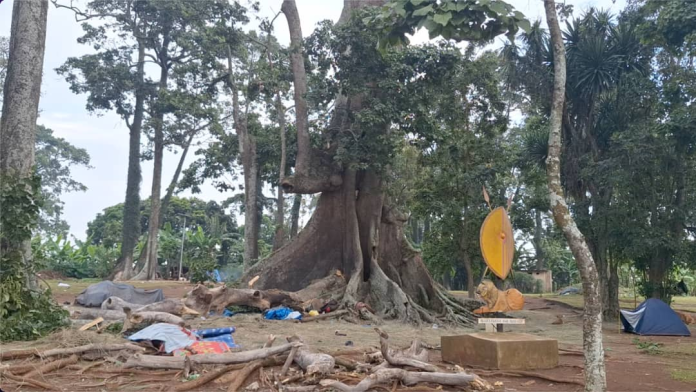
A tragic incident at the collapsed Nakayima tree branch on Booma Hill in Mubende Municipality has left four dead and several critically injured.
The tree, a significant cultural landmark in Buganda, is a gathering point for traditional ceremonies and thanksgiving rituals.
The accident occurred around 5 a.m during preparations for an annual end-of-year celebration attended by over 200 people. A large branch suddenly broke off, killing three on the spot and injuring seven others.
A fourth victim succumbed to injuries at Mubende Regional Referral Hospital, according to police reports.
The deceased have been identified as: Anet Nakabuye, 45, a businesswoman from Masaka, Evelyn Twebaze, 39, from Bukomansimbi and One unidentified victim.
Mubende Deputy RDC, Abubaker Birungi, announced a temporary closure of the site.
“In Buganda, all activities must halt after a death. Therefore, tomorrow’s feast is canceled,” Birungi said, urging local leaders to secure the victims’ belongings left at the scene.
Locals suspect the accident might be tied to a breach of the tree’s spiritual customs.
James Wabuli, a tour guide at the site, revealed that rituals had been conducted earlier.
“Attendees started arriving last night, with the main event set for December 5. Many slept under the tree, but around 5 a.m, a branch fell, causing this tragedy,” Wabuli explained.
Wamala Region Police spokesperson Rachel Kawala confirmed a death inquiry file has been opened, with initial findings pointing to a dry branch as the cause.
The injured include: Rose Namatovu, 48, from Gomba, Victoria Nalubiri, 13, a pupil from Mubende, Teddy Nanono, 37, from Mubende, Mariah Nabukeera, 46, from Masaka, Josephine Namatovu, 35, from Sembabule, Caroline Natukunda, 35, from Kampala and Ronald Kimbugwe Reagan, 13, a pupil from Sembabule
All injured were taken to Mubende Regional Referral Hospital for treatment, while the deceased were transported for postmortem examinations.
Members of the Money Lenders Association of Uganda (MLAU) pose for a picture. These are part of the 400 members that attended the meeting today. Entire membership is 60,000 entities.
Legitimate money Lenders urge the government to closely monitor economic activity during the Christmas season while re-opening dialogue on lending rates.
Through the Money Lenders Association of Uganda (MLAU), comprising legitimate, ethical money lenders registered with the Uganda Microfinance Regulatory Authority (UMRA), the money lenders have called for the Government and economists to reconsider the policy capping lending rates.
Legal Notice No. 21 of 2024 under the Tier 4 Microfinance Institutions and Money Lenders Act, Cap 61 issued by Finance, Planning and Economic Development Minister Matia Kasaija, recently capped the maximum interest money lenders can charge at 2.8% per month or 33.6%.
Economists and the business community have all warned that the capped rates will discourage money lenders from conducting their regular business activities as they secure long-term capital basing on prevailing free-market rates.
Various economists further raised concerns that some money lending activities could go underground, creating higher risks for borrowers – the opposite of what the Government intended to achieve.
“MLAU involves ethical money lenders who have an interesting in safeguarding Uganda’s financial systems through ethical credit services to borrowers. During this Christmas season and into the new year when school fees are due, we normally see a surge in borrowing activities,” said Mr. Jonan Kandwanaho, Chair of the Money Lenders Association of Uganda.
“This time around, especially as a direct result of this new policy capping rates being introduced at such short notice, the economy is going to tell a different story. The effect will also be felt by the Government, because the constricted activity will lead to fewer taxes being paid,” Mr. Kandwanaho added.
The Money Lenders Association of Uganda (MLAU) plays a crucial role in lubricating the gears of Uganda’s economy, particularly in sectors where traditional banking services may be limited or inaccessible.
MLAU members serve as a vital lifeline for small businesses, market vendors, and entrepreneurs who rely on short-term loans to purchase inventory, bridge cash flow gaps, or seize time-sensitive business opportunities.
The Uganda Microfinance Regulatory Authority (UMRA) reports that by September 2023, 1,302 licensed money lenders had extended loans to about 2.5 Million customers, with an outstanding portfolio of Shs1.2 Trillion. This substantial figure underscores our sector’s significant contribution to economic activity. Money lenders often provide the necessary capital for farmers to buy seeds and fertilizers, for shopkeepers to stock their shelves, and for transport operators to maintain their vehicles – all essential activities that keep the wheels of commerce turning. Moreover, by offering financial services to those who might otherwise be excluded from the formal banking sector, MLAU members contribute to financial inclusion, which is a key driver of economic growth and poverty reduction. Our ability to process loans quickly and with flexible terms means that we can respond rapidly to the dynamic needs of Uganda’s vibrant informal sector, which forms the backbone of our economy.
“As we hold these discussions we should also recognise the concerns that led us to this point, and we are willing to work with the regulators to address this. We know that there are individuals within our sector whose practices may not align with the highest standards of ethical lending. We are committed to improving the overall integrity of our industry, working with all stakeholders,” Mr. Jonan Kandwanaho said.
The Money Lenders Association of Uganda believes that through constructive dialogue and cooperation with regulatory bodies and the government, we can address all concerns, improve industry standards, and continue to serve Ugandans responsibly to safeguard the country’s financial future.
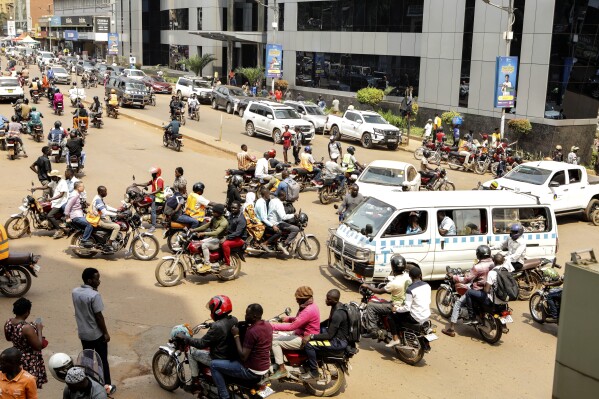
Uncontrolled boda boda at one of the traffic lights in Kampala.
By Ambassador Henry Mayiga
The Yoweri Museveni administration has, since 1986, commendably changed the trajectory of many sectors in the country; one of them is the transport sector. Before that, public transport dominated the sector leaving less room for the privateers. In order to reduce public expenditure and to simultaneously remove government from expensively running businesses, the administration repudiated the earlier its earlier involvement in transportation.
The rise and rise of the boda-boda industry, initially started as a means of transport on the Uganda-Kenya border during the insecurities of the 1970s and 1080s. Dubbed “boda-boda,” the industry is traced back to riders who would shout “border-border” at potential customers. Astoundingly, the term boda-boda has made it into the Oxford Advanced Learners’ Dictionary.
This industry’s boda-bodas, thanks to the liberal and unbigoted economic policies of this administration, have burgeoned to over 350,000 in Kampala alone according to the 2024 statistics; the unknown numbers in the entire country notwithstanding.
And in many ways boda-bodas are vitally critical in Uganda; and if the industry is regulated, that could further buttress it’s usage as follows:
First, they would foster affordability, movement speed, convenience and greatly be a supplemental means of transportation to get around throughout the country. This would be true most especially in rural areas where other options are particularly and grossly limited thereby stymieing communication between localities.
They are, for instance, critical to brisk transportation of the sick and expectant mothers to medical facilities whence urgent attention is to be obtained.
Secondly, once regulated, the service would become a more formidable source of income to many young folks and resultantly a vital source of employment to would be idlers; which would forbear the ramifications of the saying that “idle hands are the devil’s workshop.” The country would, relatedly, avoid lawlessness stemming from the idle.
Thirdly, they are a good source of social capital hence they robustly compare with others that are harder to mobilize in the short term. The better angels in boda-boda riders would propitiously prevail with a robust regulatory regime that ensures that they work together in a group to effectively achieve their common goals and objectives.
Fourthly, boda-boda operators would more responsibly pay taxes hence their incremental additions to national revenue would be a much desired plus since the industry is ever burgeoning; which bloom and prospect would feed into the wider economic national goals and objectives.
Fifthly, boda-bodas easily navigate traffic jams, access remote locations where other transportation options can’t easily reach thus, once regulated, they would enhance connectivity with hard-to-reach localities as well as emphasizing the aspect of timeliness.
Those pluses notwithstanding, the unregulated industry has borne the below minuses which in a sense stymie social-economic progress.
Arguably the below minuses retard progress:
First, there’s need for the traffic police to strictly enforce traffic rules and regulations to the letter; there are many instances, most especially at traffic lights, where the traffic police just watch riders breaking the law and yet they are quick to penalize non boda-boda motorists. When engaged, the traffic police personnel will tell you that bodas belong to “big people!” Elsewhere, many riders are clueless about the “one-way road” provision; that’s violated with impunity.
Their disposition is many times punctuated by use of foul language or violent kicking of people’s cars where they want to illegally force right of way. They have sometimes, as mobilized groups, burnt cars that are involved in accidents with riders.
Secondly, as earlier mooted by several voices, riders should never be allowed into the central business districts; they ought to be confined in the suburbs of cities most especially in Kampala. They have always added to the endemic problem of congestion in Kampala’s central city business district.
Thirdly boda-bodas should be registered in those suburbs or divisions and they should never crisscross them because doing so just insults the already festering wound of traffic jams and criminality which duo is ever on the rise.
Boda-boda stages should be clearly marked, riders should have name tags and numbers displayed for identification purposes.
Fourthly, Impromptu boda-boda stages should never be tolerated anywhere. All stages should be known to all layers of local authority namely, LCs, security and others to nip criminality in the bud.
Lastly, many of the brutal crimes throughout the country have been carried out by either boda-boda riders or those they carry; from murders, robberies to pickpockets; riders have been accomplices in recent times.
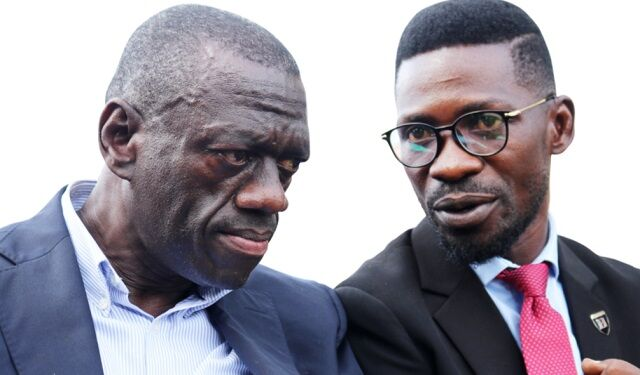
The National Unity Platform Principal, Robert Kyagulanyi Ssentamu alias Bobi Wine has condemned the ongoing trial of Dr. Kizza Besigye and his colleague Obed Lutale in military courts.
Bobi Wine described the process as a blatant abuse of justice emphasizing the continued persecution of political opponents by President Yoweri Museveni’s government.
“I join all citizens of good will to once again condemn the trial of Dr. Kizza Besigye and his colleague Obed Lutale in the military court,” Bobi Wine stated.
He added, “The criminal regime continues to persecute its opponents in these kangaroo courts despite two Constitutional Court rulings barring the trial of civilians by the military.”
Bobi Wine criticized President Museveni for allegedly exploiting the military courts to silence dissent and maintain control over Uganda’s political landscape.
“Mr. Museveni takes great delight in military courts because they are under his direct command and control,” he explained.
He added, “Those who chair them are not even required to be lawyers at the bare minimum. He chooses when they should remand, prosecute, deny or grant bail.”
Bobi Wine recalled the plight of over 2,000 supporters who were abducted and subjected to trial in military courts in the period surrounding the 2021 general election. Many of these individuals, he said, faced unjust prosecution in various military courts across the country.
“In the period leading to and after the 2021 election, over 2,000 NUP supporters who were abducted went through these ‘courts’ across the country,” Bobi Wine revealed.
He added, “The comrades were charged before the General Court Martial, Division Courts Martial, and Unit Disciplinary Committees.”
While some were eventually released after President Museveni’s re-election, many remain imprisoned and continue to face trial by military tribunals.
“Although most of them were released after Mr. Museveni had successfully rigged the election and swore himself in, we still have many stuck in different prisons, being tried by the military,” he lamented.
Bobi Wine also expressed frustration with Uganda’s judiciary, particularly Chief Justice Alfonse Owiny-Dollo, for failing to address the issue of civilians being tried in military courts.
“It is the greatest travesty of justice that Mr. Owiny Dollo has refused to have the Supreme Court deliver judgment to put a final end to this grave injustice!” he asserted.
The opposition leader called upon all Ugandans to unite and raise their voices against what he described as a systematic erosion of justice and civil rights.
“We must all raise voices against this injustice which every Ugandan is a potential victim of!” Bobi Wine urged.
Currently, Besigye and Obeid Lutale are remanded in Luzira Prison over charges of possession of firearms at Riverside Apartments in Nairobi, Kenya, and holding meetings in Greece and Switzerland with the aim to interfere with the security of the Ugandan army.
Dr Besigye, a four-time presidential candidate and prominent critic of President Yoweri Museveni, is known for his political activism and has been arrested and detained numerous times over the years.
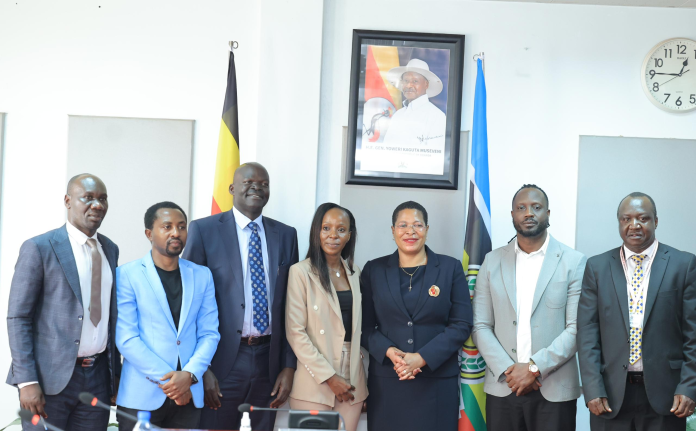
members of the Board of Trustees of Uganda National Cultural Centre led by their Chairperson, Prof. Okaka Opio Dokotum after meeting the Speaker of Parliament Anitah Among.
The leadership of the Uganda National Cultural Centre (UNCC) has petitioned Speaker Anita Among over the deteriorating state of Uganda’s National Theatre.
The members of the Board of Trustees led by their Chairperson, Prof. Okaka Opio Dokotum delivered a petition to the Speaker, highlighting key challenges that the centre is grappling with, including limited financing and inadequate infrastructure.
“UNCC is a huge institution that is not functioning at the level it should be because of structural and funding problems. It is the central nervous system of the nation and should be shaping philosophy, values, aspirations and dreams of the nation which culminates into national transformation,” Okaka said.
According to Okaka, aging theatres, galleries, and office spaces continue to hinder the Centre’s ability to host high-quality events and thus, appealed to Parliament to increase UNCC’s funding in this coming Financial Year.
“The National Theatre building was partially renovated about 10 years ago. The facility has overtime worn out necessitating an urgent renovation to improve its face and facilities including the stage. The sitting capacity of the theatre stage is 377 people which is grossly inadequate considering that the current population is close to 44 million people and yet at the time the theatre was built, Uganda’s population was just about four million people,” Okaka said.
UNCC leadership also appealed to the Speaker to push for the amendment of the UNCC Act, 1959 which they say is obsolete and limiting in addressing the current challenges.
“The main problem with the Act is that it does not give the minister the authority to develop regulations for the sector. It does not also capture all the nine domains of culture. We, therefore, seek your support in ensuring that the UNCC Act is amended,” he said.
Among pledged full support to UNCC to ensure that Uganda’s identity is not lost.
“UNCC has an obsolete act which needs to be amended. That amendment can be done because you can’t have an act which is older than the country,” she said.