Stanbic Bank
Stanbic Bank
27.3 C
Kampala
Stanbic Bank
Stanbic Bank
Home Blog Page 164

UNICEF, EU launch ‘Cashplus Programme’ to support girls’ secondary education in Northern Uganda

UNICEF has launched a comprehensive assistance programme designed to support vulnerable girls’ secondary education in the West Nile, Lango and the Acholi sub regions of Uganda.

The contribution, which will see 5,000 vulnerable girls in secondary schools supported to complete their education through a Cashplus Programme for Girls in Secondary School, is funded by the European Union (EU) and implemented by UNICEF.

The Cashplus is part of the wider Gender for Development Uganda (G4DU) programme. The G4DU programme aims to provide education opportunities for girls who face significant economic and social barriers that hinder their completion of education.

The beneficiaries of the Cashplus programme are from the districts of Adjumani, Yumbe, Lamwo, Nebbi, Oyam, Madi-Okollo, and Kitgum. These girls will attend government-supported Universal Secondary Education (USE) schools and will also receive critical financial assistance to complete their education.

The G4DU programme is the largest European Union and Team Europe flagship initiative in Uganda, with a total budget of Euros 85 million disbursed to different partners in Uganda. The G4DU programme encompasses multiple strategies to enhance girls’ educational opportunities (Water, Sanitation and Hygiene and school infrastructures, training of teachers, school management and governance) and UNICEF is one out of four implementing partners of the programme. The other three are Enabel, KfW and the Spotlight Initiative.

“This is a concrete expression of our commitment to gender equality and inclusive development. It is an opportunity to invest in the potential of Ugandan girls, support their education and empowerment, and contribute to more resilient and equitable communities,” said EU Ambassador to Uganda, Jan Sadek.

” We aim to support the government to ensure that girls continue and complete their education and thereby empower them to break cycles of poverty, and prevailing gender inequality. It is critical in preventing the risk of teenage pregnancies, a major risk to young girls in Uganda, and in realising their full potential, and becoming agents of change in their communities,” said Dr. Robin Nandy, UNICEF Representative to Uganda.

The programme is strategically designed to address multiple barriers to education. Each household will receive support every school-term with additional support for girls with disabilities. This financial support covers various educational needs, including school fees, scholastic materials, and other essential expenses.

Beneficiary selection involved a rigorous six-month assessment process, targeting both national and refugee girls who completed Primary 7 and passed the 2024 Primary Leaving Exams. The programme will provide continuous support from 2025 to 2028, ensuring girls can complete their secondary education without interruption.

Beyond financial aid, the assistance programme for girls in secondary school offers comprehensive support including: Personalised mentorship for girls and their families, Guidance on the importance of education and Community engagement to create a supportive learning environment.
In this G4DU partnership, UNICEF will leverage EU’s contribution of Euros 23 million and provide: Performance-based school grants, Support for children with disabilities and child mothers, Accelerated education programmes, 21st Century skills training, Early childhood care and development services and Social behavioural change interventions.

By addressing financial barriers and providing holistic support, this programme represents a critical investment in Uganda’s future, ensuring that vulnerable girls can complete their education and pursue their dreams.

Stories Continues after ad

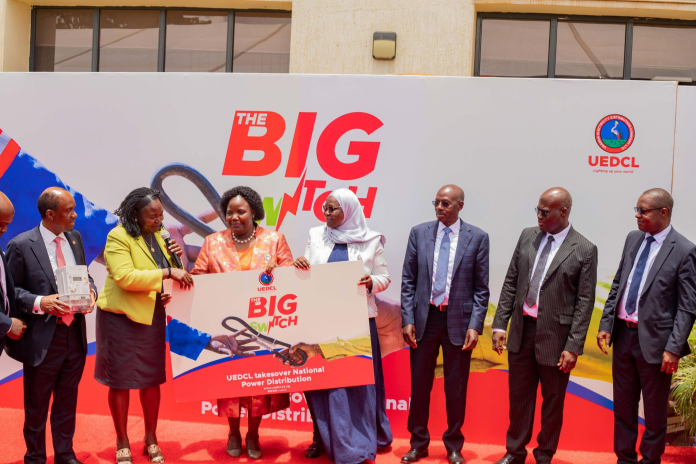
Umeme Out: UEDCL takes over power distribution in Uganda

Uganda has entered a new era in its power sector as the Uganda Electricity Distribution Company Limited (UEDCL) officially takes over electricity distribution from Umeme Limited.

This transition marks the end of Umeme’s 20-year concession, which began on February 1, 2005, and concludes with the government’s USD 118,385,603 buyout of Umeme’s assets.

The Minister for Energy and Mineral Development, Hon. Dr. Canon Ruth Nankabirwa Ssentamu, officially announced the handover of Umeme’s assets to UEDCL, emphasizing that the transition would be seamless for electricity consumers.

She urged customers to take note of changes in service delivery, including the rebranding of prepaid electricity services.

“Former Umeme customers should now look for ‘UEDCL Light’ on telecom menus, as ‘Yaka’ has been replaced. Consumers are advised to follow the updated procedures to access electricity services without disruption,” Nankabirwa stated.

She reaffirmed the government’s commitment to ensuring efficient service delivery, promising uninterrupted electricity access for all Ugandans.

Paul Mwesigwa, the Managing Director of UEDCL, expressed confidence in the company’s ability to handle power distribution effectively, citing the organization’s governance, financial sustainability, and digital transformation initiatives.

“The government’s decision to allow us to take over power distribution was mainly based on our presentation as UEDCL and demonstration of governance, efficiency, financial sustainability, and a digital operational environment,” Mwesigwa stated.

To facilitate this transition, UEDCL conducted an extensive recruitment process, completing it within 75 days. Over 2,995 candidates were interviewed through a mix of online and physical assessments to ensure a capable workforce was in place.

“Our target for this year is to achieve up to 300,000 new electricity connections within the next twelve months. Mechanisms and models have been put in place to realize this ambitious goal,” Mwesigwa noted.

Mwesigwa also acknowledged Umeme’s contribution to Uganda’s electricity sector and commended the outgoing company’s management and staff for their cooperation during the handover process.

“UEDCL is grateful to Umeme management, the staff, and the board for the support accorded during and before the transition. We have enjoyed a cordial relationship and look forward to more collaboration,” he said.

He further praised the dedication of his team, who worked tirelessly to ensure a smooth transition.

“We have spent sleepless nights to ensure that the transition is seamless, and it is. I will forever be indebted to them,” he added.

UEDCL’s takeover is expected to bring improvements in electricity supply, increased connections, and enhanced reliability. The company has outlined plans for infrastructure upgrades and digital solutions to enhance service efficiency.

With the government’s backing and the public’s expectations high, all eyes are now on UEDCL to deliver on its promise of affordable, accessible, and reliable electricity for Ugandans.

Stories Continues after ad

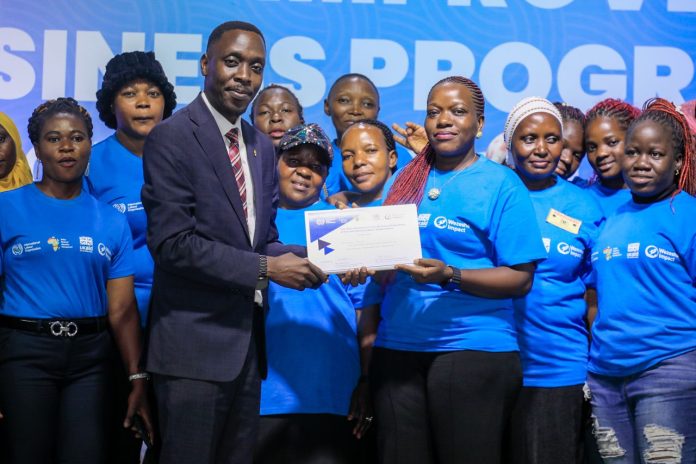
Wazesha Impact awards certificates to 400 returned migrants in entrepreneurship training

Wazesha Impact has awarded certificates to 400 returned migrants who completed their entrepreneurship training.
The graduates have been undergoing business upskilling through the Better Regional Migration Management (BRMM) Project supported by the International Labour Organization (ILO), UK government and Finance Trust Bank.
The 400 graduates are returnees from the Middle East who worked there but were unable to save or did not achieve the success they had planned then returned financially constrained.
The majority of the graduates are young people who returned under difficult circumstances, including deportation. They were awarded certificates on March 28, 2025, at Nsambya Sharing Hotel.
Graduates expressed their heartfelt gratitude toward Wazesha for the initiative, describing it as a game-changer.
Wanyana Nives shared that the training has equipped her with valuable business skills, allowing her to earn money after facing significant setbacks while in Dubai.
“I traveled to Dubai on a visit visa, but when it expired, my attempt to renew it failed. As a result, I had to leave my waitress job and was eventually deported. During my time there, I had sent my mother UGX 3 million as savings, which was all I had left. However, I was shocked to learn that she had used the money,” she recalled.
Similarly, Mildred Mwebaza expressed deep gratitude for the project, describing it as a lifesaver. She also shared her own experience: “I traveled to Turkey after securing a job as a kindergarten teacher, but upon arrival, I was forced into domestic work, a position I couldn’t manage. I refused the job and returned home. It affected me greatly because I didn’t achieve what I had hoped for,” she said.
In his keynote address to the graduates, Solomon Kayiwa Mugambe, the Executive Director of Wezesha Impact, highlighted that many youth who travel abroad in search of better opportunities often return home without having achieved their goals.
“They come back and have to start from scratch because they either made no investments or failed to save while abroad,” he said.
“This is exactly what the project aims to address—restoring hope and helping these individuals rebuild their lives for a better future,” he added.
Andrew Mukulu, the ILO Chief Technical Advisor, encouraged the graduates to pursue entrepreneurship, noting that many are hesitant to start their own businesses due to the fear of making losses. However, he emphasized that entrepreneurship is one of the key ways to regain financial stability.
The BRMM project focuses on improving employment services and supporting the socio-economic reintegration of returned migrants through entrepreneurship training. Utilizing the ILO’s Start and Improve Your Business (SIYB) programs, the project seeks to equip beneficiaries with essential business management skills, aiming for 70% to achieve sustainable livelihoods through wage or self-employment.
Wezesha Impact is dedicated to equipping youth in Africa with the skills, tools, and networks necessary for productive and fulfilling work, ensuring that all youth in Africa thrive socially and economically.

Stories Continues after ad

Aceng calls for alternative funding as Uganda loses Shs604Bn in US aid cuts

Uganda has suffered a major financial setback in the health sector following the United States-US government’s decision to cut foreign aid, resulting in a loss of Shs604 billion in funding.

The affected programs include HIV/AIDS, malaria, tuberculosis, nutrition services, and the payment of salaries for health workers.

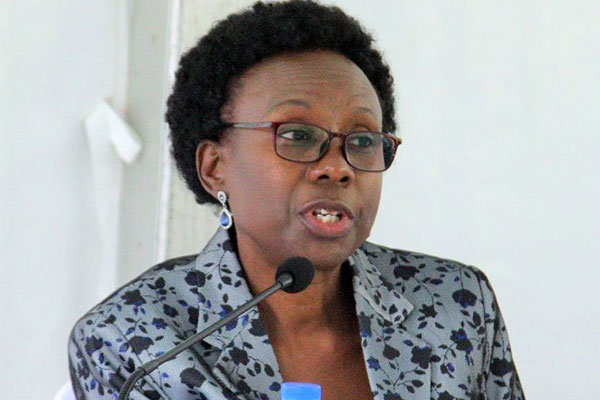
Minister of Health, Dr. Ruth Aceng, revealed the funding shortfall during a meeting with Parliament’s Health Committee to discuss the 2025/26 Ministerial Policy Statement for the health sector.

She urged Parliament to explore alternative sources of funding to ensure that Uganda’s healthcare system remains stable and self-reliant, reducing dependence on foreign aid.

“The implementation of the U.S. President’s executive order, effective 20th January 2025, resulted in cuts of foreign aid across the world. Uganda suffered a loss of over Shs604Bn following the withdrawal of US funding from key health programs,” Dr. Aceng stated.

To mitigate the impact, the Ministry of Health has taken steps to integrate affected services into routine healthcare programs at existing facilities.

Additionally, a cabinet paper has been prepared for discussion and action on the way forward. The Minister called on Parliament to mobilize resources to bridge the funding gap and support the long-term sustainability of Uganda’s health sector.

The funding cuts have raised concerns about the future of essential health programs, particularly those targeting infectious diseases such as HIV/AIDS, malaria, and tuberculosis.

The Ministry of Health is now looking for domestic solutions to maintain the progress made in combating these illnesses and ensuring adequate remuneration for healthcare workers.

Stories Continues after ad

UWA signs landmark concession agreements to boost uganda’s tourism sector

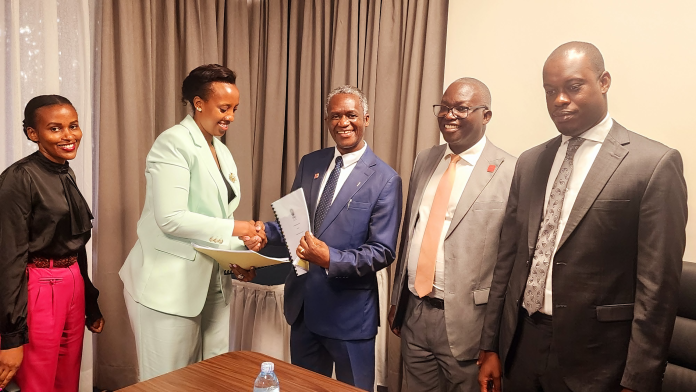
The Uganda Wildlife Authority (UWA) has signed three major concession agreements with private investors with an aim to develop and manage high-end tourism infrastructure in Murchison Falls, Queen Elizabeth and Kidepo Valley national parks.

The signing ceremony, held at Protea Hotel in Kampala, was presided over by the Minister of State for Tourism, Wildlife, and Antiquities, Hon. Martin Mugarra Bahinduka.

The agreements were signed by Professor James Kalema, Chairman of the UWA Board of Trustees, along with investor representatives Epic Kagoro, Patricia Akakunda, and Paul Zhang Zhigang.

The three investors pledged to meet all concession requirements and complete the developments within four to five years. The projects represent a total direct investment of USD 28.5 million into Uganda’s tourism sector.

Hon. Martin Mugarra Bahinduka expressed optimism about the impact of these investments. “This is a strategic moment for Uganda’s tourism sector. These projects will not only improve the quality of our protected areas but also generate revenue and create meaningful jobs for our people,” he stated.

Professor Kalema, Chairman of the UWA Board of Trustees, welcomed the investors and emphasized the need for environmental diligence.

“We are excited to work with investors who not only bring business acumen but also ecological integrity. All lodge site developments will be subject to rigorous Environmental Impact Assessments conducted by qualified professionals and that all developments take into account the sensitivity of the ecosystems in which they operate,” he said.

UWA Executive Director Sam Mwandha reaffirmed UWA’s commitment to balancing conservation and development.

“We are deliberate about choosing partners who align with our conservation goals. These investments were rigorously reviewed and will be closely monitored to ensure they deliver value to both wildlife protection and the national economy,” he stated.

The agreements include three distinct projects aimed at elevating Uganda’s tourism offerings:

Kagobed Holdings Ltd – The company will redevelop and operate Jacana Safari Lodge in Queen Elizabeth National Park under the Serena Hotels brand. The USD 7 million investments will establish an upscale facility featuring accommodation, MICE (Meetings, Incentives, Conferences, and Exhibitions) infrastructure, a helipad, a health club and other modern amenities.

Tian Tang Group – The investor will develop a Glass Bridge and a 50-seater restaurant at the Top of the Falls in Murchison Falls National Park. With an investment of USD 20 million, this project aims to offer a world-class tourism experience and promote Uganda as a leading adventure destination.

Russell Hall Ltd – A Ugandan-owned Hospitality Company will construct a USD 1.5 million luxury lodge in Kidepo Valley National Park. The lodge will be managed in partnership with the French hotel brand TUI Blue, ensuring international standards of comfort and service.

Stories Continues after ad

New Developments in the cure for HIV-South Africa

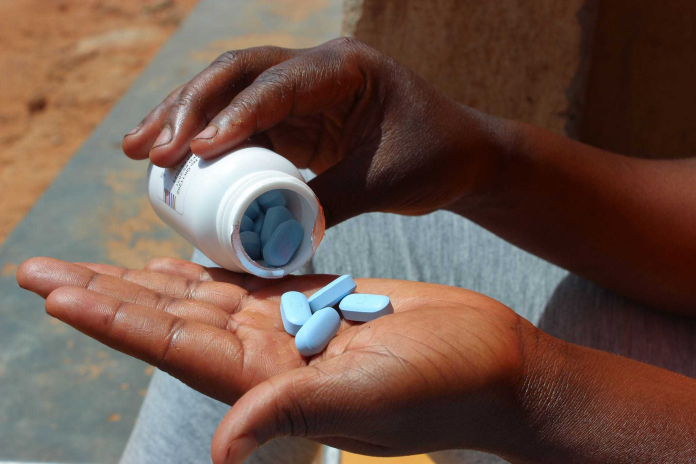
This month, great news hailing from Durban, South Africa where a study was conducted with the intention to find a cure for the HIV virus that has plagued the nation for centuries. The test that was carried out on a select number of individuals (both male and female) produced promising results that were declared in San Francisco, United States of America at the 2025 Conference on Retroviruses and Opportunistic Infections (CROI.)

Known as the ‘combination immunotherapy,’ the trial aimed at erasing or reducing all traces of the HIV virus by administering strong immunity boosters that allowed the body’s immunity system to keep the virus in check, without the subject having to rely mainly on medication for the rest of their lives. The results showed promising results after 20% of the subjects remained off antiretroviral therapy even one and half years later after the trial.

 “While this treatment approach didn’t work for most participants, it is still a significant development in HIV cure research. Studying how the 20% managed to control the virus on their own will help scientists develop better HIV cure strategies, as well as work out ways to improve future treatments,” said Professor Thumbi Ndung’u, director for basic & translational science at Africa Health Research Institute (AHRI) and a professor and Victor Daitz Chair at the University of KwaZulu-Natal.

This progress comes shortly after the Country’s recently released plan to put an additional 1.1 million South Africans living with HIV on life-saving treatment by the end of 2025. The discovery of a potential cure to the HIV virus will not only speed up the eradication of HIV and AIDs not only in South Africa but the whole of Africa aswell. With these new results from the trial Doctors believe that in the near future an Aids vaccine will be readily available on the market.

Stories Continues after ad

Five dead after heavy downpour in Kampala

At least five people have died following heavy rains that caused severe flooding across various parts of Kampala early this morning.

The Kampala Metropolitan Police, in coordination with the Police Fire Prevention and Rescue Services, has confirmed multiple incidents of motor accidents, pedestrians being swept away and significant property damage.

The floods resulted in motor accidents, pedestrians being swept away and significant property damage.

“Regrettably, we confirm that five people have lost their lives due to the flooding,” said Deputy Police Spokesperson Luke Owoyesigire in a statement.

He added, “Three bodies were recovered from the Kinawataka area (we are working on having them identified), while two children, identified as Otim Kisa Eliza (3 years old) and Ochaka Chon (11 months old), tragically drowned in their home in Mulimira Zone, Bukoto.”

According to preliminary police findings, the two children were left alone in their home when the floods struck. Their mother, Lenunu Rose Mary, had reportedly locked them inside while she went about her work. She has since been arrested by Kira Road Police on allegations of negligence.

“Neighbors claim this was a recurring practice,” Owoyesigire revealed.

Police and rescue teams remain on the ground, assessing the situation and providing assistance to affected residents. Authorities have urged the public to take precautionary measures to minimize risks during heavy rains.

“We urge the public to take precautionary measures during downpours: Avoid unnecessary movement, boda boda riders should not attempt to cross flooded roads, and residents must ensure the safety of their homes and children during extreme weather conditions,” Owoyesigire advised.

The bodies of the deceased have been taken to the City Mortuary in Mulago for postmortem examinations as investigations continue.

Kampala Metropolitan Police extended their deepest condolences to the affected families and warned the public to remain vigilant during the rainy season. More updates will be provided as information becomes available.

Stories Continues after ad

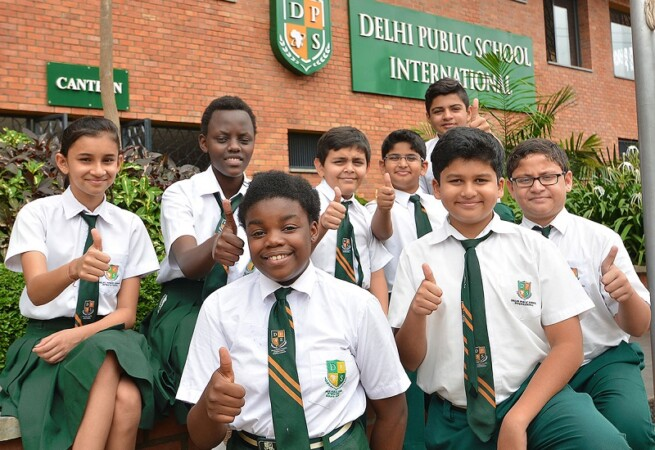
Delhi Public School International announces admissions for the 2025-2026 academic year

Renowned for its academic excellence, holistic development, and innovative teaching methods, DPS offers a dynamic learning environment that nurtures students to explore, grow, and succeed.

With a comprehensive curriculum designed to foster intellectual curiosity and creativity, DPS welcomes students from Nursery to Class XII, ensuring a seamless and well-rounded educational journey. The school emphasizes both academic achievement and character development, integrating interactive learning approaches, extracurricular activities, and leadership programs to shape well-rounded individuals.

“At DPS, we believe in nurturing young minds through a balanced education that blends academic rigor with creativity and personal growth. Our goal is to equip students with the knowledge, skills, and values they need to excel in a rapidly evolving world,” announced the school administration.

The admission process is currently ongoing for the academic year, which runs from May to March. Parents seeking a high-quality education in a supportive and innovative environment are encouraged to apply early.

For further details on enrollment procedures, interested parents can reach out to the admissions office via: Phone: +256 759 711 190 | +256 759 711 146, Email: admissions@dpsuganda.com, Website: www.dpsuganda.com. Location: Plot 17-25 Saddler Way, Naguru, Kampala, Uganda

As one of the leading international schools in Uganda, Delhi Public School International remains committed to shaping the leaders of tomorrow through a balanced, engaging and enriching academic experience.

Stories Continues after ad

AI takes center stage at the 6th Annual Higher Education Conference

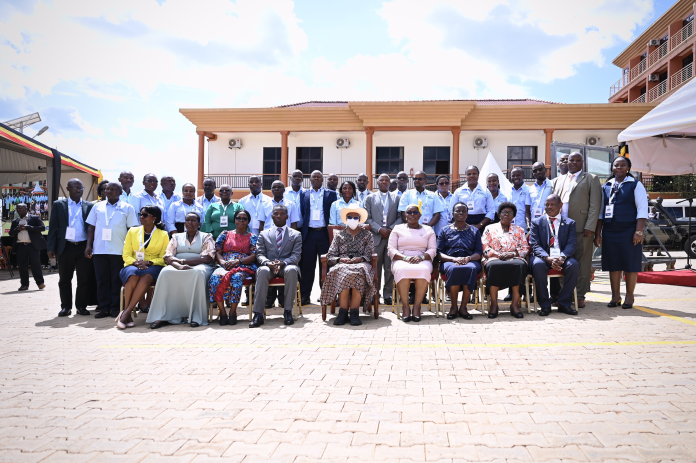
The 6th Annual Higher Education Conference, with a focus on Artificial Intelligence (AI), was highly insightful and held great promise for positive outcomes. The conference highlighted the importance of AI in shaping the future of education in Uganda.

The Minister of Education and Sports, Janet Museveni, also commended the NCHE for hosting the conference and emphasized the importance of ensuring AI remains a tool for progress while upholding essential human values.

“I commend the NCHE for convening the 6th Annual Higher Education Conference. This timely discussion on Artificial Intelligence in Higher Education challenges us to ensure AI enhances, rather than replaces, essential human values. Our young people need to understand that they have a responsibility to uphold the values that humanity holds dear,” she said.

She added that AI should never compromise the fundamentals of learning—critical thinking, interpersonal skills, and problem-solving. Noting, “Higher education must jealously guard these virtues while ensuring AI remains a tool for real-world impact and community transformation.”

She further highlighted the launch of the Transformative Technology Education Initiative by Deborah Impact Projects Africa in partnership with OAFLAD.

“This initiative will equip over 200,000 youth with digital skills and cybersecurity training, creating pathways to global job opportunities,” she said.

She added, “We now stand at a defining moment in history. Let us not be misused to destroy what we have built but instead work toward a future of unity and prosperity. I urge our young people to uphold peace and development.”

Dr. Lawrence Muganga, Vice Chancellor of Victoria University, expressed his gratitude to the First Lady and Minister of Education & Sports for championing the adoption and integration of AI in higher education.

“I sincerely thank you, First Lady and Minister of Education & Sports, for championing the adoption and integration of AI in higher education. As Vice Chancellors, we are deeply grateful and even more motivated to work harder and smarter to deliver an education that benefits all Ugandans.”

He also extended his appreciation to the National Council for Higher Education (NCHE) for organizing such an impactful event.

“I would also like to once again thank the NCHE for organizing this important conference.”

The event brought together some of Uganda’s most esteemed academic leaders, including Dr. Muganga and Prof. Barnabas Nawangwe, the Vice Chancellor of Makerere University. Dr. Muganga took a moment to celebrate the contributions of Prof. Nawangwe, acknowledging his enduring dedication to higher education in Uganda. He described meeting his esteemed colleague as one of the highlights of the conference.

“One of the highlights was meeting my Vice Chancellor and esteemed colleague, Prof. Barnabas Nawangwe, a man whose dedication to higher education in Uganda is truly inspiring. His leadership continues to keep Makerere, my beloved alma mater, among the best institutions in Africa,” Dr. Muganga remarked.

In his heartfelt tribute, Dr. Muganga lauded Prof. Nawangwe’s leadership, crediting him for shaping Makerere University into a leading institution on the continent. Despite now serving as the Vice Chancellor of Victoria University, Dr. Muganga affirmed his lasting connection to Makerere University.

“I want to take this moment to celebrate Prof. Nawangwe for his remarkable service and express my sincere gratefulness for his tireless efforts in shaping Makerere University and contributing to our country’s education sector. Although I now serve as the Vice Chancellor of Victoria University, I will always consider him my Vice Chancellor because Makerere University will forever hold a special place in my heart,” he added.

The event provided a platform for higher education stakeholders to discuss the future of academia in Uganda, with key leaders like Prof. Nawangwe and Dr. Muganga playing crucial roles in the discourse. Dr. Muganga concluded his tribute with a heartfelt message to the Makerere University fraternity.

“May God bless all the gallant men and women of Makerere University.”

Stories Continues after ad

German Minister of State Niels Annen Visits Uganda – Strengthening Solidarity with Refugees and Host Communities

The German Minister of State for Economic Cooperation and Development, Niels Annen, visited Uganda from March 20th to 21st, reaffirming Germany’s commitment to supporting Uganda’s refugee response and development efforts.

His visit highlighted the shared responsibility of both Germany and Uganda in providing refuge to people fleeing conflict and violence, with Uganda hosting 1.8 million refugees and Germany accommodating 2.7 million.

During his visit, Minister Annen commended Uganda’s inclusive refugee policy which integrates refugees into host communities.

“As the biggest host country on the African continent, Uganda offers refuge to persons from various crises-torn regions. This is a remarkable accomplishment that deserves our full recognition, in particular as Uganda fosters the integration of refugees in the host communities,” he stated.

However, the Minister acknowledged the challenges faced by host communities, many of whom struggle with limited access to food, clean water and electricity.

“Germany supports Uganda’s efforts to provide for the many refugees as well as the host communities because we are persuaded that peace and social cohesion can only be guaranteed with this dual approach,” he added.

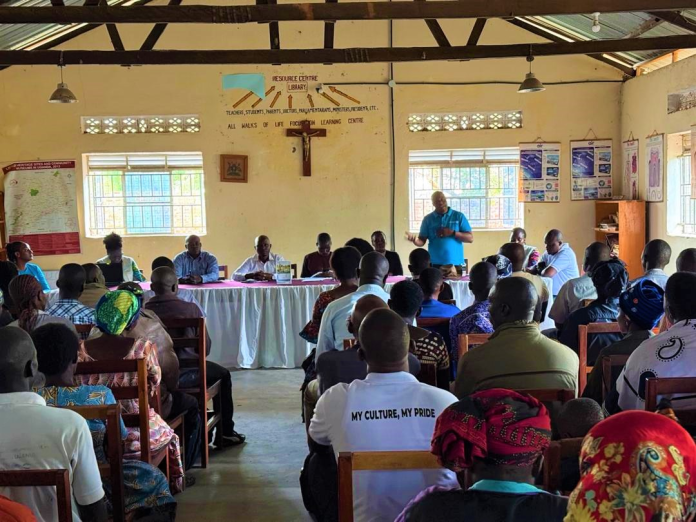
Minister Annen held discussions with Uganda’s Minister for Relief, Disaster Preparedness and Refugees, Hilary Onek as well as officials from the United Nations, focusing on Uganda’s refugee policy and the challenges posed by regional conflicts.

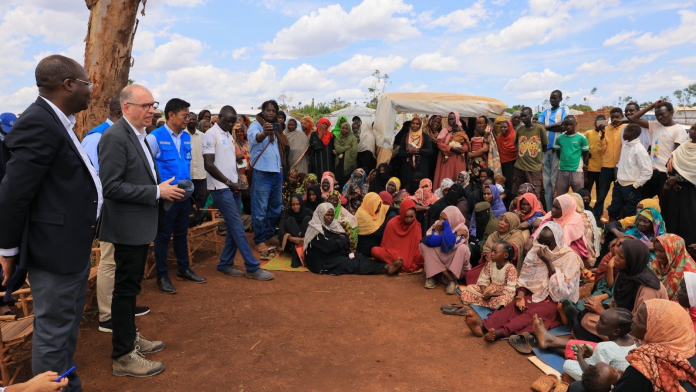
He also visited the Kiryandongo refugee settlement where he engaged with refugees and inspected German-supported projects aimed at improving water supply and livelihood opportunities.

The mission confirmed that these projects benefit not only Sudanese new arrivals and long-term South Sudanese refugees but also local Ugandan communities. Germany remains a key partner in Uganda’s refugee response, working closely with UN organizations such as the UNHCR and WFP, which play a crucial role in providing aid to the most vulnerable.

“Globally, Germany is the second biggest contributor to UNHCR and WFP. With its bilateral development cooperation and through NGOs, Germany has contributed more than UGX 580 billion (USD 155 million) to refugees and host communities in Uganda,” the Minister emphasized.

The visit expresses Germany’s long-standing partnership with Uganda which has spanned over 60 years reinforcing Germany’s commitment to sustainable development and humanitarian support in the country.

Stories Continues after ad