Stanbic Bank
Stanbic Bank
26.3 C
Kampala
Stanbic Bank
Stanbic Bank
Home Blog Page 36

National Lotteries and Gaming Board champions player protection as Africa’s gaming industry matures

Some of the CEOs of lotteries and gaming regulators across Africa gathered in Cape Town, South Africa, to discuss Putting the Player First. Uganda was represented by Mr. Denis Mudene Ngabirano, CEO National Lotteries and Gaming Board.

The Chief Executive Officer of the National Lotteries and Gaming Regulatory Board (NLGRB), Denis Mudene joined senior gaming regulators across Africa this week in a panel discussion titled “Regulating Africa: Putting the Player First.”

The forum set new benchmarks for modern gaming solutions that aim to balance strong player protection with sustainable sector growth.

“The key point is that Africa’s gaming industry is no longer emerging. It’s maturing and with that maturity comes responsibility. The solution lies in evidence‑led policy,” Mr. Mudene emphasized.

Panelists highlighted the rapid evolution of gaming technologies and the need for regulatory frameworks that safeguard consumers while encouraging innovation. The discussion also stressed the importance of data‑driven policies to ensure operators maintain ethical standards and protect vulnerable players.

The event underscored the role of collaborative efforts among regulators in harmonizing rules and strengthening supervisory mechanisms across African markets, promoting both investor confidence and fair play.

Mr. Mudene’s participation reaffirms the NLGRB’s commitment to adopting global best practices and positioning Uganda as a leader in responsible gaming on the continent.

Stories Continues after ad

Parliament demands full accountability of Departed Asians’ properties from Custodian Board

Parliament’s Committee on Commissions, Statutory Authorities and State Enterprises.

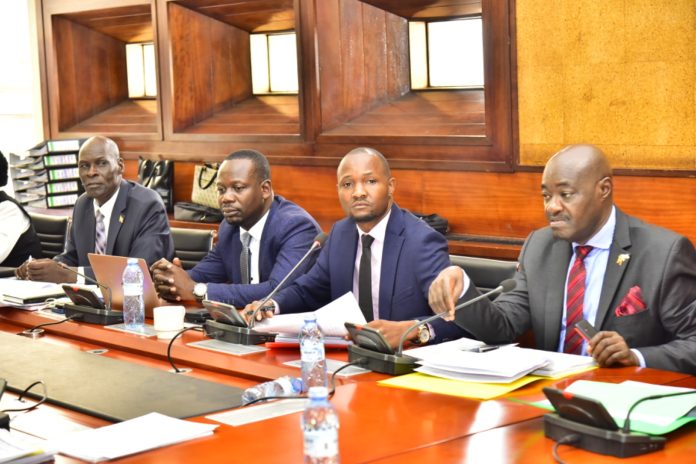
Parliament’s Committee on Commissions, Statutory Authorities and State Enterprises (COSASE) has ordered the Departed Asians Property Custodian Board (DAPCB) to produce a complete inventory of all properties under its management, including those repossessed, valued or sold.

The directive came on Wednesday during a grilling session where Executive Secretary George William Bizibu appeared before COSASE to respond to concerns raised in the Auditor General’s report for the financial year ending June 30, 2024.

Lawmakers expressed frustration that, despite repeated government directives, the board still lacks a comprehensive asset register. COSASE warned that the absence of a verified list exposes properties to mismanagement, illegal allocations, and potential loss of revenue.

“The committee expects a full account of all properties, including those donated or allocated by the Minister, to ensure transparency and proper oversight,”COSASE members instructed.

The DAPCB is responsible for managing assets left behind by Asians expelled from Uganda in 1972, which include land, businesses and residential properties across towns like Kampala, Jinja, Masaka, and Iganga. Despite decades of management, audits reveal persistent gaps in documentation, record keeping, and verification of ownership, leading to disputes and allegations of misappropriation.

The Auditor General’s report highlighted that some properties already sold were still listed on the board’s books, while several government ministries and agencies occupying these properties have accumulated rental arrears amounting to billions of shillings.

COSASE members also raised concerns that some properties may have been transferred using questionable documents, including powers of attorney of dubious authenticity. Lawmakers warned that failure to maintain accurate records could result in costly legal battles and further compromise the board’s accountability.

Bizibu acknowledged the shortcomings but assured the committee that efforts are underway to compile a verified register and reconcile existing records. COSASE has set a deadline for the board to present the complete inventory, signaling that Parliament will maintain close oversight over these historically significant assets.

The scrutiny comes amid renewed calls for transparency and accountability in the management of departed Asians’ properties, which have long been entangled in legal disputes, contested ownership claims, and allegations of irregular disposals.

Stories Continues after ad

PAC probes Judiciary over Shs54.4b in unclaimed bail deposits

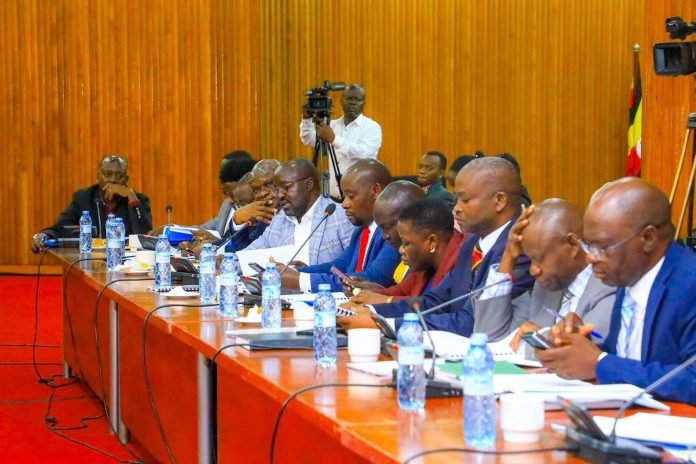
Members of Parliament on PAC grilling officials from the judiciary, led by the Permanent Secretary.

The Parliament’s Public Accounts Committee (PAC) has raised concerns over more than Shs54.4 billion in unclaimed bail fees and security deposits currently being held by the Judiciary, prompting scrutiny over the management of court funds and the process used to refund money to suspects.

The issue came to light during a meeting between PAC and Judiciary officials as lawmakers examined findings in the 2024/2025 Auditor General’s report. Committee members questioned why such a large amount of bail money belonging to private citizens remains in court accounts for extended periods.

Records presented to the committee show that the Judiciary began the current financial year with Shs55.8 billion in unclaimed bail deposits carried forward from previous years. During the same period, courts collected Shs16.15 billion in fresh bail payments, while Shs17.56 billion was refunded to claimants. Despite those refunds, the total amount still held by courts remains above Shs54 billion.

Ibanda North MP Xavier Kyooma said the figures suggest the Judiciary is retaining funds that should have already been returned to their rightful owners.

“At the beginning of the financial year it stood at Shs55.8 billion, meaning the Judiciary was holding money that belonged to claimants,” Kyooma told the committee.

“So we are talking about over Shs54 billion that belongs to people but is still in the hands of the Judiciary. This is not small money.”

Lawmakers also questioned why the refund process remains largely manual despite technological advancements that could make it easier for claimants to recover their deposits.

PAC Vice Chairperson Gorreth Namugga, the Mawogola North MP, described the situation as evidence of systemic weaknesses in the management of bail funds.

“When you look at your records and see Shs54.4 billion as people’s money lying in accounts, it clearly shows there is a problem. Something must be solved,” she said.

“In this era of technology, how can we still be this manual? It is an embarrassment.”

The committee also expressed concern about what some legislators described as excessively high cash bail requirements imposed on suspects, warning that such practices risk turning bail into a punishment rather than a constitutional safeguard.

Namugga cited an example from Ssembabule District where a suspect was reportedly asked to pay Shs1 million in cash bail, raising questions about whether courts are adequately considering the financial circumstances of accused persons.

“Is bail a punishment?” she asked. “To the public, it now looks as if bail is punishment.”

Kassanda North MP Patrick Nsamba urged judicial officers to exercise greater sensitivity when setting bail conditions, especially for suspects from low-income backgrounds.

“You look at someone before you in Ssembabule and ask them to pay Shs1 million cash bail. Even if the entire clan came together, they might not raise that money,” Nsamba said.

However, the Judiciary defended its procedures, maintaining that bail decisions are guided by legal principles and judicial discretion.

Acting Chief Registrar Pamela Lamunu told the committee that bail is meant to balance the rights of accused persons with the interests of justice, stressing that it should not be interpreted as punishment.

“Bail is not a punishment. Every accused person has the right to apply for bail, and it is the discretion of the judicial officer to determine whether to release that person and whether to grant cash or non cash bail,” Lamunu said.

On the issue of unclaimed deposits, Lamunu said courts regularly display information on notice boards explaining how claimants can recover their money and that refunds can also be processed through bank accounts and mobile money channels.

“It does not serve us any good to have that money in our accounts. It is not our money,” she added.

PAC has now directed the Judiciary to submit detailed records of individuals entitled to the refunds and indicate how long some of the funds have remained unclaimed. The committee is also pushing for reforms that could modernize bail administration and ensure that deposits are returned to citizens more quickly.

Stories Continues after ad

Speke Resort Munyonyo unveils women’s day wellness and affordable dining packages

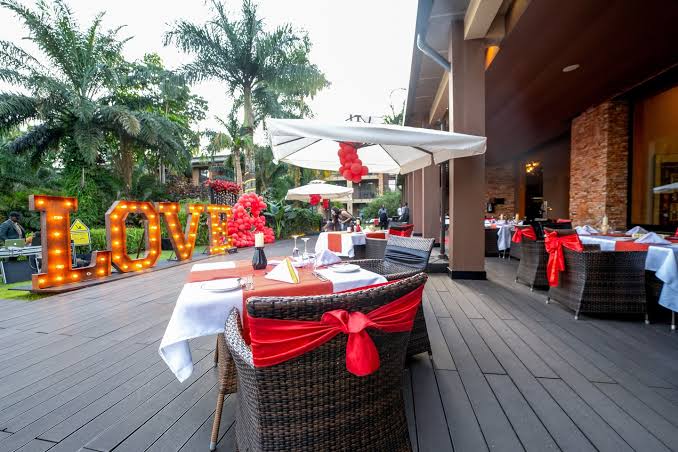
Speke Resort Munyonyo has unveiled a range of wellness, dining and accommodation offers aimed at celebrating women ahead of this year’s International Women’s Day, with organizers inviting families and friends to honor the special women in their lives through relaxation and memorable experiences.

The resort, working through the Calabash Spa Salon announced a series of spa packages under the theme “March Into Wellness” designed to promote relaxation and self care.

One of the signature packages, dubbed She Who Reigns, offers a 150-minute experience for two people at Shs790,000, featuring a Turkish bath, aromatherapy massage, and an express facial.

Another package titled Her Moment of Bliss provides a 100-minute session for one person at Shs200,000, including a lavender sugar scrub and an aromatherapy massage.

Guests seeking a longer spa treatment can opt for Crowned in Confidence, a 195-minute wellness experience for one person priced at Shs380,000. The package includes a honey, brown sugar, and milk body scrub, Cleopatra’s secret massage, and a deep cleansing facial.

According to the resort, all women visiting the spa during the celebrations will also receive a gift of white roses, herbal teas, and fresh juices, while gift vouchers are available for those wishing to surprise loved ones.

Beyond the spa, the resort is also offering a special dining experience featuring live band entertainment alongside a roasted mixed meat platter served with crispy potato wedges and a glass of sangria priced at Shs85,000.

“Make this Women’s Day a moment of relaxation, great music and indulgent dining,” the resort said.

The resort noted that the event is designed to create a warm atmosphere for celebration and appreciation.

Accommodation packages are also available for guests seeking a staycation. Room rates start from Shs 444,000 (approximately $120) for a single room and Shs551,300 (approximately $149) for a double room, both on a bed and breakfast basis.

The resort encouraged the public to take advantage of the offers and celebrate the women in their lives through relaxation, music, and fine dining.

“Celebrate her. Celebrate strength. Celebrate together,” the resort said.

The resort added that the curated experiences are intended to help women unwind while enjoying the serene lakeside environment of Munyonyo.

Reservations and inquiries can be made through the resort’s contact lines or email, with officials noting that terms and conditions apply to all packages.

Stories Continues after ad

Corruption in Uganda becoming more sophisticated and cross-border-IGG 

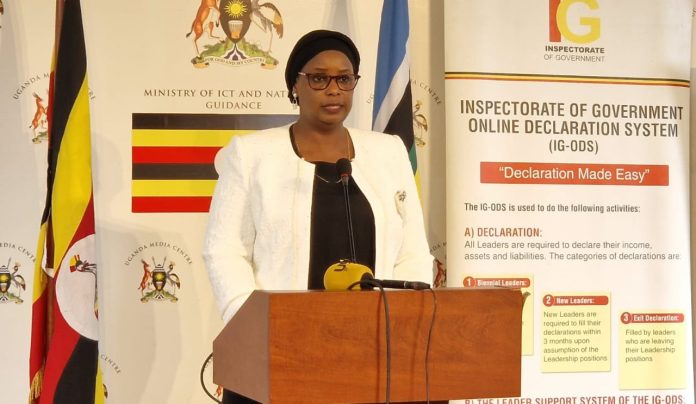
IGG, Aisha Naluzze Batala.

Uganda’s anti corruption watchdog has warned that the nature of corruption in the country is rapidly evolving, moving from small scale bribery to more organized schemes that sometimes involve sophisticated networks operating beyond national borders.

Inspector General of Government Aisha Naluzze Batala said the changing character of corruption poses a new challenge to accountability institutions and requires stronger investigative approaches and coordinated action to effectively tackle the vice.

Batala made the remarks on Thursday while addressing journalists at the Uganda Media Centre in Kampala during her first press briefing since taking office, marking 100 days at the helm of the Inspectorate of Government.

She cautioned that corruption is increasingly becoming complex and in some cases socially tolerated, a trend she said could undermine efforts to promote integrity in public institutions.

“Corruption is no longer predominantly petty in nature. It is increasingly growing and becoming sophisticated, sometimes syndicated and in certain instances linked to cross border networks. In some cases it is also normalized or even glorified,” Batala said.

The Inspectorate of Government is constitutionally mandated to fight corruption, enforce the Leadership Code, investigate complaints against public officials and promote integrity in public service.

Batala, who was appointed by President Yoweri Kaguta Museveni in October 2025 and sworn into office in November, said she assumed office with a clear strategy aimed at strengthening the institution’s effectiveness in tackling corruption and maladministration.

Among the measures introduced are improvements in complaint registration systems, speeding up investigations, expanding the use of digital tools in case management and prioritizing high impact corruption cases.

She said investigators have also been directed to adopt prosecution led investigations and increase focus on financial crimes such as money laundering.

“This should be a warning to public officials out there. If we get you, our first action is to ensure that you are prosecuted,” Batala said.

According to the Inspectorate, a total of 1,516 complaints were registered between July and December 2025. Of these, 1,151 cases were sanctioned representing about 75 percent of the complaints handled during that period.

During the same period, the institution concluded investigations into 308 corruption cases and 330 Ombudsman-related complaints, including 14 high-profile corruption cases.

The Inspectorate also recovered more than Shs2 billion in misappropriated public funds and secured payment of over Shs844 million to public officers who had previously been denied or delayed salaries, pensions and gratuities.

Batala said the institution also carried out eight systemic investigations and seven systems reviews aimed at identifying structural weaknesses within public institutions that often create opportunities for corruption.

Disciplinary action has also been taken against several government officials following investigations by the Inspectorate.

Between January and February 2026, twelve public officers were dismissed from service, four including a Chief Administrative Officer were interdicted, three were reprimanded and one officer was demoted.

The Inspectorate also recovered nearly Shs90 million in unspent funds under the Development Response to Displacement Impacts Project in districts supervised by the Moyo regional office.

Batala further revealed that she conducted oversight visits to regional Inspectorate offices in Kabale, Mbarara and Masaka and carried out spot checks at the regional referral hospitals in the same areas.

The inspections uncovered service delivery gaps including overcrowding in hospital wards, non functional medical equipment, shortages of essential medicines and allegations of extortion by some health workers. Three arrests were made following the inspections.

Despite the progress, Batala acknowledged that the Inspectorate continues to face operational challenges including limited staffing levels, gaps in specialized investigative skills, inadequate funding and an aging vehicle fleet that affects field operations.

She said these constraints come at a time when corruption cases are becoming more complex and often involve financial crimes and organized networks.

Going forward, the Inspectorate plans to intensify prosecution-led investigations and concentrate on high-impact corruption cases in order to strengthen deterrence.

Batala also pledged stronger collaboration with anti-corruption agencies, civil society organizations, the private sector, and the media to strengthen the national fight against corruption.

“Our goal is not only to enforce the law but also to strengthen systems and prevent corruption before it occurs,” she said.

Stories Continues after ad

Makindye Magistrate’s Court remands man after scamming Malaysian national $150,000 in a gold deal

James Ssentumbwe

The Makindye Magistrate’s Court has remanded James Ssentumbwe, over allegedly scamming a Malaysian national $150,000 (approximately Shs551,986, 187 million) in a gold scam.
Ssentumbwe faces multiple charges, including Obtaining Money by False Pretence ($150,000), Carrying Out Refining, Smelting, Processing, and Trading in Minerals without a Licence, Conspiracy to Defraud, and Forgery.
Prosecution alleged that in January 2026, at Munyonyo in Makindye Division, Ssentumbwe conspired with Mr. Adams Kibuye Yawe (currently at large) to defraud Mr. Kon Kin Kheong, a Malaysian national, of $150,000.

The money was allegedly obtained under the false pretext of processing documentation for the export of 50 kilograms of gold to Dubai.
The scheme was reportedly facilitated by Mr. Kibuye’s projection of power and authority; he was allegedly found in possession of a forged State House Identity Card, purporting to identify him as a Political Mobiliser.
Prosecution further informed the court that investigations are ongoing, and other suspected co-conspirators remain at large, particularly individuals linked to Hey Transporters and Logistics in Lweza–Lubowa, Wakiso District, where the suspects allegedly conducted illegal gold “processing” operations at an unlicensed refinery.
The court remanded Ssentumbwe until March 6, 2026, when the case will come up for further hearing.

Stories Continues after ad

Former Kilak North Parliamentary aspirant remanded over Shs17.1m fraud

Symbol of Justice

March 5, 2026-Gulu-The former Kilak North parliamentary aspirant, Christopher Ojera, has been arrested and remanded to prison over allegations of obtaining Shs17.1 million from a businesswoman by false pretences.
Ojera appeared before the Gulu Chief Magistrate’s Court, where he was formally charged with obtaining money by false pretences. Prosecution alleges that the accused fraudulently obtained the money from a businesswoman after making promises he allegedly failed to fulfill.
According to the prosecution, Ojera convinced the complainant to hand over the money under the pretext that he would facilitate a business-related arrangement. However, it is alleged that after receiving the funds, he failed to deliver on the promises and instead used the money for personal purposes.
The court heard that the complainant later reported the matter to authorities after repeated attempts to recover her money proved unsuccessful.
Ojera denied the allegations during his appearance in court. However, the presiding magistrate ordered that he be remanded to prison as investigations into the case continue.
The case was adjourned to a later date when Ojera is expected to reappear in court for further proceedings.
If convicted, Ojera could face a custodial sentence under Uganda’s Penal Code for the offence of obtaining money by false pretences.
Authorities say investigations into the matter are ongoing.

Stories Continues after ad

Court sets March 18 to rule on Agasirwe bail application in Kagezi murder case

Mr Nickson Agasirwe, surrounded by Prison warders.

The Criminal Division of the High Court in Kampala has set March 18, 2026, as the date to rule on the bail application filed by former Special Investigations Unit (SIU) commandant, Nickson Agasirwe Karuhanga, who is facing charges related to the murder of Assistant Director of Public Prosecutions Joan Namazzi Kagezi.
Presiding over the matter on Thursday, Justice Isaac Muwata confirmed that both the defence team representing Agasirwe and the prosecution had already filed their written submissions before the court through the Electronic Court Case Management Information System (ECCMIS), the judiciary’s online platform for filing and managing cases.
Chief State Attorney Richard Birivumbuka, who is representing the state in the matter, was not present in court during the session. Through the court, Birivumbuka requested that the matter be adjourned to allow him time to appear, citing other prosecutorial engagements in a separate court.
However, Justice Muwata declined the request, noting that the court had already received all the necessary submissions required to determine the bail application.
The judge explained that since both parties had duly filed their arguments on the ECCMIS platform, there was no need to delay proceedings further.
“All the relevant submissions required for the court to determine the application are already on record through the ECCMIS system,” Justice Muwata noted, before fixing March 18 as the date for delivering the ruling.
Agasirwe is currently on remand as he awaits the court’s decision on whether he will be granted temporary release on bail while the trial proceeds.
He is accused of participating in the murder of senior prosecutor Joan Kagezi, who was gunned down by unknown assailants in March 2015 in Kiwatule, a Kampala suburb, as she returned home from work.
Kagezi had been a key prosecutor handling several high-profile cases, including terrorism-related trials linked to the 2010 Kampala bombings.
The court’s upcoming ruling on Agasirwe’s bail application is expected to determine whether the former senior police officer will remain in custody or be released under strict conditions as the case continues before the High Court.

Stories Continues after ad

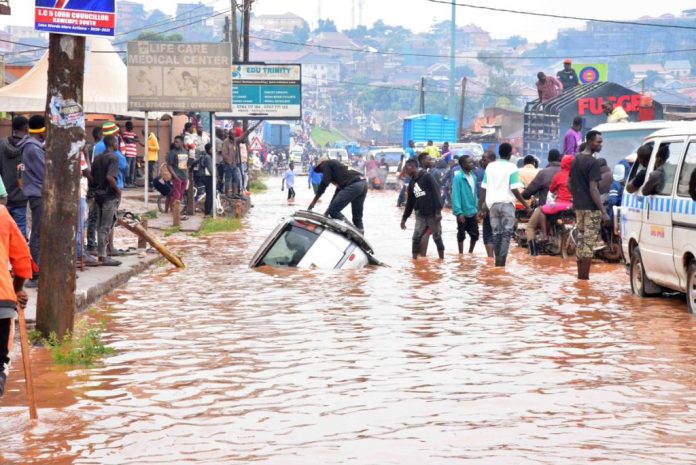
Gov’t warns of floods, landslides as Uganda enters March-May rainy season

Flooded streets of Kampala.

The Government of Uganda, through the Office of the Prime Minister, has cautioned that several parts of the country could face flooding, landslides, and disease outbreaks during the March to May 2026 rainy season, urging communities and local authorities to strengthen preparedness measures.

In a press briefing released by the Office of the Prime Minister following the seasonal forecast by the Ministry of Water and Environment, officials said most regions are expected to receive near-average rainfall, although some areas may experience heavier rains.

“According to the March–April–May 2026 seasonal forecast, most parts of the country are expected to receive near-average rainfall. However, the Northwestern region, areas around Lake Victoria and parts of the Eastern region are likely to experience near-average to above-average rainfall during this period,” the statement said.

The forecast further indicates that the country will likely experience warmer-than-normal temperatures throughout the season.

Government officials explained that regions including West Nile, Lango, Rwenzori and Kigezi, as well as parts of Acholi, Bugisu, Bukedi and Teso, are expected to record near-to-above-average rainfall. Other regions such as Ankole, Karamoja and sections of Busoga, Bunyoro and Buganda are projected to receive rainfall within the near-average range.

Authorities warned that the expected weather conditions could trigger a range of disasters across the country.

“Flooding and waterlogging are likely to occur in low-lying areas and on the lower slopes of Mount Elgon, potentially affecting districts such as Butaleja, Rubanda, Kisoro, Amuru, Obongi, Pakwach, Kayunga, Kalungu, Rakai, Kitgum, Otuke, Lamwo, Serere, Bukedea and Kasese,” the statement noted.

The government added that flash floods could also occur in urban areas including Kampala, disrupting transport networks and business operations.

The highland areas of Mount Elgon, the Rwenzori region and Kigezi may also face landslides, mudslides and soil erosion as rainfall intensifies.

“Hailstorms and strong winds are also expected at the onset of the rains and may affect districts including Kibaale, Sembabule, Ibanda, Buvuma, Kalangala, Bukomansimbi, Isingiro, Mbarara, Mitooma and Tororo,” the government warned.

Officials also raised concern about possible increases in livestock diseases and crop pests such as the Fall Army Worm, which could affect agricultural productivity during the season.

Public health risks are also expected to rise, with authorities warning of potential outbreaks of waterborne diseases including cholera, typhoid, dysentery and malaria if preventive measures are not taken.

“Increased lightning strikes are also anticipated in high-risk districts such as Kisoro, Lamwo, Bushenyi, Ntungamo, Nwoya, Amuru, Busia and Bugiri,” the statement added.

To mitigate the potential impact of the rains, government said it has already initiated several preparedness measures across vulnerable regions.

These include the registration of households and acquisition of land for resettlement of communities at high risk of landslides in the Elgon sub-region, dissemination of the seasonal weather forecast at regional level, and strengthening community disaster management capacity in partnership with the Uganda Red Cross Society.

Authorities also said relief food has been procured for communities likely to be affected during the rainy season while early warning information is being disseminated through the media.

The government has urged local leaders and communities to remain vigilant and take precautionary steps to reduce potential losses.

“We urge city, district and urban authorities to activate contingency plans for hotspot locations and improve stormwater drainage systems by clearing urban drainage channels, especially in flood-prone areas,” the statement said.

The office emphasized that timely preparedness by communities, local governments, and humanitarian agencies will be key to reducing the impact of disasters during the upcoming rainy season.

Stories Continues after ad

National Lotteries and Gaming Board strengthens technical capacity through NCEMS training in Slovenia

The National Lotteries and Gaming Regulatory Board (NLGRB) has undertaken a specialised training programme aimed at strengthening the technical capacity of its staff to manage modern digital monitoring systems within the gaming sector.

A joint information technology delegation from NLGRB and the National Information Technology Authority-Uganda (NITA-U) is currently in Ljubljana, Slovenia, participating in hands-on technical training on the National Central Electronic Monitoring System (NCEMS).

The programme is designed to equip the team with the practical skills required to effectively manage and support the electronic monitoring platform, which plays a key role in regulating and overseeing gaming operations.

“A joint IT delegation from NLGRB and NITA-U is in Ljubljana, Slovenia for hands-on technical training on the National Central Electronic Monitoring System (NCEMS),”the board said.

During the training sessions, the delegation is working closely with a consultant who is providing practical demonstrations and detailed technical guidance on how the system operates.

“During the sessions, the team is working closely with the consultant by receiving practical demonstrations and technical guidance on how the system operates, including its structure, integration and daily operational processes,” NLGRB noted.

Officials say the programme is intended to strengthen internal expertise and ensure staff are fully prepared to operate and support advanced digital regulatory systems.

“This programme reflects NLGRB’s ongoing efforts to strengthen our team’s technical skills, ensuring staff are well prepared to manage and support modern digital systems that improve efficiency and service delivery,” the board added.

The National Central Electronic Monitoring System is expected to enhance oversight of gaming activities through improved monitoring, transparency, and compliance across the sector.

Stories Continues after ad