Stanbic Bank
Stanbic Bank
16.8 C
Kampala
Stanbic Bank
Stanbic Bank
Home Blog Page 56

Speke Resort Munyonyo to host cake mixing ceremony on October 17

Speke Resort Munyonyo is gearing up to host its much-anticipated Cake Mixing Ceremony this October, a vibrant annual celebration that ushers in the festive season in style.

The cake mixing ritual, a time-honoured Christmas tradition involves blending assorted dried fruits, nuts, spices, and liquor in preparation for Christmas cakes. Beyond baking, the ceremony symbolizes prosperity, joy, and togetherness as families and friends prepare for the holidays.

This year’s festivities kick off on Friday, October 17, with live music at the Lake Terrace, the highlight Cake Mixing Ceremony, breathtaking acrobatics, fire dancing, clowns, and gift packages for children.

The excitement continues on Saturday, October 18, with Happy Hour at the Viking Bar from 5 p.m. to 8 p.m., followed by Kids’ Movie Night from 6 p.m. onwards.

On Sunday, October 19, the program will feature another live band at Lake Terrace, thrilling kids’ activities, archery, paintball, a Sunday Market at Lake Grill, and the much-awaited Diwali Food and Music Festival, which will close with a dazzling fireworks display.

During this period, visitors can enjoy discounted accommodation packages, with single rooms starting at just $120 per night.

Speke Resort and Commonwealth Resort Munyonyo remain a leading hospitality hub in East Africa, offering 477 rooms across nine categories, including luxurious Presidential Suites, Cottages, and Superior Rooms. The facilities also include 19 conference halls, five outdoor venues, five restaurants, two bars, a modern gym, two swimming pools, spa and sauna services, squash courts, and a fully equipped business centre. Guests also have access to leisure activities such as boat rides and horse riding, making the resort a perfect blend of relaxation and entertainment.

Stories Continues after ad

Minister Omona Kenneth hails national unity at father’s burial

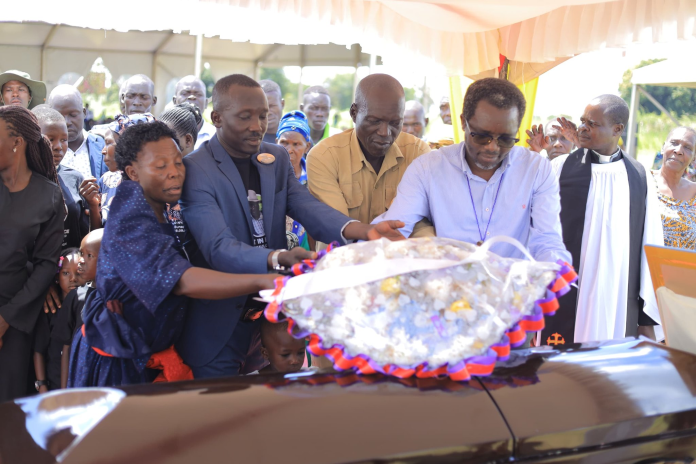
The Minister of State for Northern Uganda Rehabilitation, Dr. Omona Kenneth Olusegun, has expressed his deep gratitude to all leaders, colleagues, and Ugandans who stood with him and his family during the send-off of his late father, Mzee Nyeko.

In an appreciation message issued on September 30, 2025, Dr. Omona noted that the overwhelming support gave his family strength during one of their most difficult moments.

“On behalf of my family and myself, I extend my deepest gratitude to everyone who stood with us during the final send-off of my father, Mzee Nyeko. Your presence, prayers, and support brought us strength and comfort during one of the most trying moments of our lives,” he stated.

He singled out Chief Justice Owiny Dollo, who honored the family by serving as Chief Mourner, as well as Government Chief Whip Hamson Obua, who represented President Yoweri Museveni. Dr. Omona also recognized members of the NRM Central Executive Committee, including Richard Todwong, Hillary Onek, Aber Lillian, Kabbyanga, Evelyn Anite, Hellen Adoa, and Nobert Mao, for their solidarity.

“I cannot forget my brothers from the Opposition – Odonga Otto, Hon. Nambeshe, Elijah Okupa, Onekalit Denis Amere, and many others. Your unity in grief was a powerful symbol of shared humanity above all else,” he added.

The Minister also extended thanks to members of the security forces led by Lt. Gen. Samuel Okiding, Deputy Chief of Defence Forces, Gen. Otema Awany, and Brig. Gen. Ronnie Balya, for their support, as well as cultural and spiritual leaders who guided the family during the mourning period.

“To our Cultural and Spiritual Leaders, thank you for your blessings and guidance during the send-off. Your presence reminded us of our roots and the strength of our traditions,” Dr. Omona emphasized.

In a special message to his colleagues at the Office of the Prime Minister, Dr. Omona noted that their presence at the burial was a reminder of the bonds of unity and teamwork.

“You will all be remembered as pillars who stood firm with me and my family through these trying times. May God bless each and every one of you abundantly,” he concluded.

Dr. Omona Kenneth signed off the message as a humble son, expressing that the unity shown across political, cultural, and religious lines reflected the true spirit of Uganda.

Stories Continues after ad

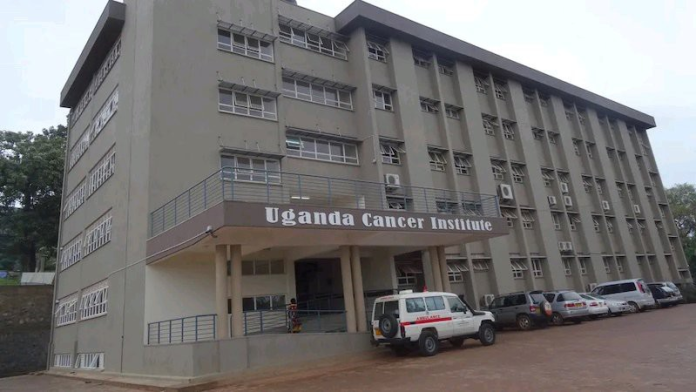
Uganda records 36,000 new cancer cases annually as gov’t moves to establish regional oncology centres

Uganda registers at least 36,000 new cancer cases and 24,600 deaths each year, the Uganda Cancer Institute (UCI) has revealed, as the government defends plans to borrow Shs165.4 billion to establish regional oncology centres in Arua and Mbale.

The funds, sought from the Austrian Unicredit Bank and the Islamic Development Bank, will finance the construction and equipping of the two centres, including radiotherapy services in Mbale in a bid to decentralize cancer care and reduce Uganda’s high mortality rates.

While appearing before Parliament’s Committee on National Economy, Dr. Nixon Niyonzima, Head of Research and Training at UCI, warned that cancer remains one of the country’s deadliest diseases.

“Every year, Uganda has 36,000 new cancer cases and unfortunately, 75% of those patients, about 24,000, die every year,” Niyonzima said.

He added, “Of all the cancer patients in the country, only 25% access care in Uganda, with the majority concentrated in the Central Region. This shows we are undeserving the rest of the country, which is a disservice we must urgently address.”

He explained that the high numbers from the Central Region do not necessarily reflect higher prevalence, but rather better access to screening and treatment services due to the proximity of the UCI headquarters at Mulago.

“Now you may ask whether the Central Region has more cancer patients than other regions. The answer is no. It is because of access. Our target as UCI is to change these dynamics and by 2030, we want at least 85% of new cancer patients accessing care through UCI. The only way to achieve this is by decentralising cancer care,” he added.

According to UCI, about 80% of cancer patients in Uganda are diagnosed at stage three or four, leaving minimal room for effective treatment.

“We want to see at least 90% of patients come with stage one or two. But for that to happen, screening must be brought closer to the people. Nobody will travel 500km from Kisoro to Kampala for a test when they have no pain,” Niyonzima explained.

State Minister for Finance, Hon. Henry Musasizi, backed the loan request, citing the urgency of decentralizing oncology services to reduce patient congestion at UCI, cut treatment delays, and improve survival rates.

“Limited availability of oncology services outside Kampala creates significant challenges, including geographical barriers, long waiting times, and high costs of travel. This has resulted in late-stage diagnoses and high mortality,” Musasizi told MPs.

“Decentralization will reduce congestion at UCI and ease financial burdens on patients while ensuring equitable access to quality care across the country.”

The Minister further noted that funding opportunities for cancer care remain scarce globally, making it imperative for Uganda to utilize any available resources.

“There are few funders willing to invest in cancer because of its resource-intensive nature. Therefore, any funding opportunity should be embraced and used incrementally to address gaps in care and research,” Musasizi said.

The loans under consideration include €9.4 million (approximately Shs38.4 billion) from UniCredit Bank Austria for the Mbale Oncology Centre and $36.5 million (approximately Shs126.9 billion) from the Islamic Development Bank for the Arua Oncology Centre and radiotherapy equipment in Mbale.

Stories Continues after ad

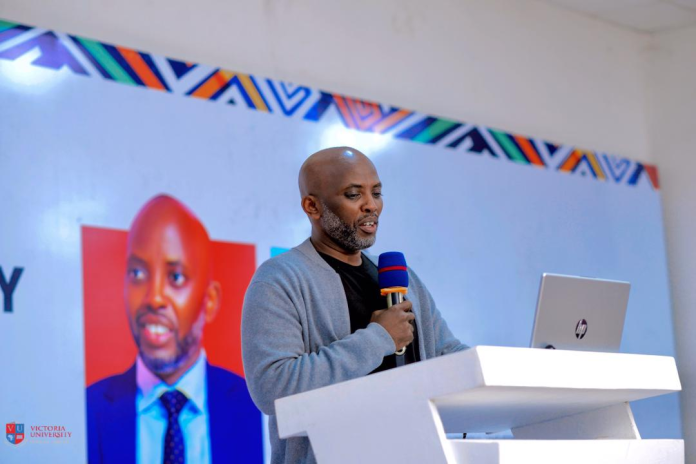
Victoria University highlights mental health challenges in the digital workplace

Dr Muganga.

Victoria University in Kampala convened its 6th Honorary Public Lecture on October 1, tackling the growing pressures on mental wellness in an increasingly digital work environment. The event, themed “Digital Age Pressures: Protecting Sanity in a Fast-Paced Workplace,” attracted university staff, faculty, and community members for a deep dive into burnout, artificial intelligence-driven work demands, and strategies for personal resilience.

The lecture, organized by the Faculty of Humanities and Social Sciences, offered practical guidance for professionals seeking balance amid the nonstop pace of modern work life.

Leading the discussion were Dr Lawrence Muganga, Vice Chancellor of Victoria University, and Dr. Hasfa Luswata, Acting Assistant Commissioner for Mental Health and Control of Substance Abuse at Uganda’s Ministry of Health, who delivered the keynote address.

Dr. Luswata highlighted the role of individual responsibility in achieving workplace well-being. “While institutions and systems shape the pace of our work, true peace of mind begins with us,” she told the audience, stressing the importance of personal agency in fostering balance and supporting collective mental health.

Her remarks emphasized that mental wellness is not a peripheral concern but a critical foundation for effective leadership and sustained productivity. The session explored how AI and constant connectivity blur the boundaries between work and rest, often intensifying stress and fatigue.

Participants took part in interactive exercises, including mindfulness practices, self-reflection techniques, and discussions on policy recommendations to create healthier work environments.

Prof. Muganga underscored Victoria University’s commitment to staff-focused initiatives, noting that the lecture was specifically designed for educators, administrators, and researchers.

“This is about us reclaiming our humanity one day at a time,” he said, highlighting the institution’s broader commitment to holistic development and experiential learning.

The lecture forms part of Victoria University’s longstanding Honorary Lecture series, which has previously addressed topics such as peacebuilding, diplomacy, women’s roles in security, forced migration, and Africa-Venezuela relations.

Attendees described the event as a “moment of healing,” combining rigorous discussion with actionable strategies for day-to-day professional life. Harriet Mimi Uwineza, Dean of the Faculty of Humanities and Social Sciences and the convener of the lecture, emphasized: “Even as we deliver modules, mark examinations, and supervise research, we must commit to becoming better human beings.”

With workplace stress on the rise across East Africa; including a 2024 Ministry of Health survey showing 35% of professionals experience moderate burnout, Victoria University’s initiative serves as a vital platform for mental wellness advocacy.

Dr. Mimi indicated that future public lectures will continue building on this momentum, promoting a culture where mental health is embedded in professional life.

Stories Continues after ad

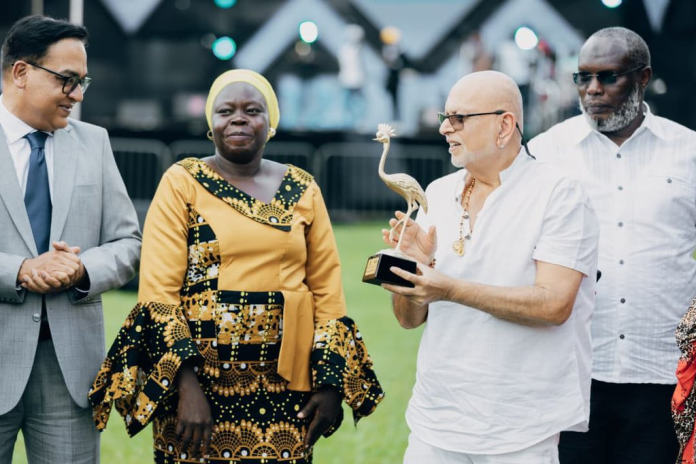
Tycoon Sudhir honored with golden award at World Tourism Day in Arua

Tycoon Sudhir receiving the award.

City Tycoon Sudhir Ruparelia, Chairman of Speke Group of Hotels and the Ruparelia Group has been honored for his remarkable contribution to Uganda’s tourism and hospitality sector.

The recognition came on September 27, 2025, during the World Tourism Day national celebrations held at Arua City Golf Course where Prime Minister Robinah Nabbanja presided as chief guest.

Sudhir received a golden flamingo trophy, awarded for his role in wildlife conservation and his investments that have strengthened Uganda’s standing as a premier tourism destination.

The Prime Minister praised the Ministry of Tourism and its agencies for positioning tourism as a driver of national development. She also applauded the people of Arua and the West Nile region for their warm hospitality, cultural richness and well-organized hosting of the national event.

She welcomed visiting delegations from South Sudan and the Democratic Republic of Congo, emphasizing Arua’s importance as a gateway for regional cooperation, cross-border tourism, and cultural exchange.

Nabbanja commended the private sector for its central role in the growth of the economy, pointing to Sudhir as a leading example of how investment can fuel conservation and sustainable development.

Through his initiatives, national parks have been revitalized, endangered species protected, and eco-tourism expanded, creating jobs and empowering communities. Tourism officials noted that his model of balancing conservation and business has gained international attention.

Sudhir, in his remarks, pledged continued investment in tourism and conservation, saying his companies remain committed to safeguarding Uganda’s natural heritage while promoting it as a global tourism destination.

Stories Continues after ad

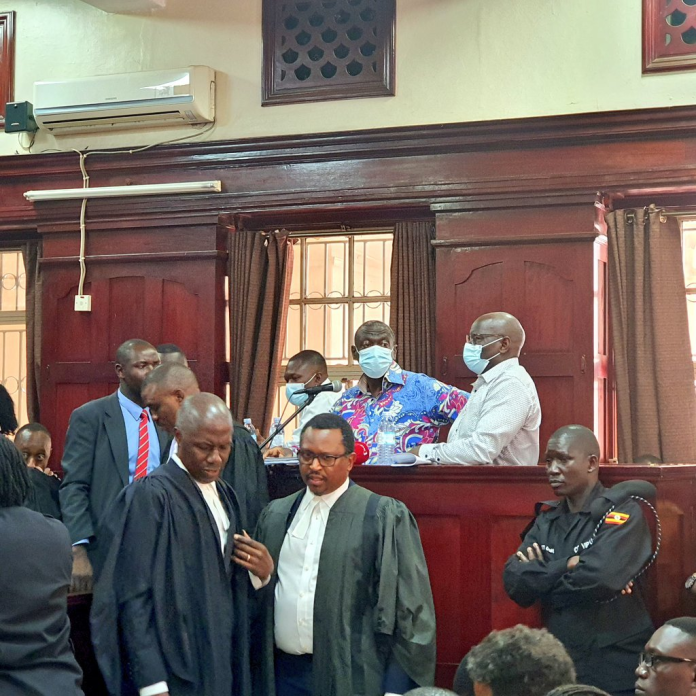
Remand after remand as Kizza Besigye sent back to Luzira Prison

Dr. Kizza Besigye, Lutale, and Denis Oola in the dock. Photo Courtesy.

Veteran opposition leader Dr. Kizza Besigye has once again been sent back to Luzira Prison after the High Court remanded him, together with his co-accused Hajji Obeid Lutale, until October 8, 2025. The ruling will determine the fate of concerns raised by Besigye during today’s court appearance.

Besigye, who faces charges of treason and misprision of treason, appeared before Justice Emmanuel Baguma alongside Lutale and UPDF soldier Denis Oola. The case arises from allegations that the trio engaged in activities deemed hostile to the state, though their lawyers have consistently dismissed the charges as politically motivated.

In court, Besigye attempted to personally raise an issue regarding the proceedings, but Justice Baguma directed him to channel all concerns through his legal team. The judge further ordered him to put the concerns in writing by October 3, promising to deliver a ruling on October 8.

The directive raised protest from Besigye’s lawyers, who argued that no law prevents an accused person from speaking directly in court.

“The right to be heard cannot be limited to only submissions by counsel. An accused person also has a right to address the court on matters affecting their liberty,” one of his lawyers insisted.

Despite the objections, Justice Baguma stood by his position remanding Besigye and Lutale to Luzira once again, extending a pattern of repeated court appearances without a final resolution.

This latest remand shows the long-running legal battles of Besigye, a four-time presidential candidate and one of President Yoweri Museveni’s fiercest critics, whose political career has been full of arrests, house arrests and charges of unlawful assembly to treason.

Stories Continues after ad

NUP wanted us out even before Mpuuga’s scandal – Sseggona

Busiro East legislator, Medard Sseggona.

Busiro East MP Medard Sseggona has accused the National Unity Platform (NUP) of plotting to edge him and other former Democratic Party (DP) members out of the party long before the controversy surrounding the Shs500 million “service award” given to former Leader of Opposition Mathias Mpuuga.

Sseggona, who was recently denied the NUP parliamentary ticket for the 2026 general elections, says the current fallout merely exposed what had already been planned internally. He pointed out that he, together with Makindye East MP Allan Ssewanyana and Mityana District Woman MP Joyce Bagala, were deliberately sidelined despite their long service and strong constituencies.

“I saw the signs, so I wasn’t surprised by my party’s decision. They called for people to show interest, and I presented my credentials. I know they were the best. I am not bitter; I am actually better. I am not mad at my NUP party, and I have peace in my heart,” Sseggona said.

He linked the sidelining of former DP members to the backlash against Mpuuga, saying that the scandal gave party leaders more leverage to chase them out.

“Even before the Mpuuga scenario, they wanted us out. The service award issue only hardened their position,” he added.

Sseggona also raised questions about his replacement in Busiro East, musician-turned-politician Mathias Walukagga, who has been handed the NUP ticket.

He revealed, “I have worked with my brother Walukagga. The idea was to nurture him into a better person who can be elevated. Unfortunately, the process has been hijacked but I am at peace with it.”

He, however, maintained that he will not turn his frustration into an attack on NUP or its leadership. “That’s why I am staying calm. I will not contribute to a debate that destroys my brother Kyagulanyi or contributes to the destruction of NUP and the strengthening of Gen. Museveni and his team.”

Ssegona also wondered why his exclusion has been given more weight in the public eye than that of other sitting MPs who were denied party cards.

He said, “I am one of the many people who were denied the party card. Why is the fuss about me? This must show you that maybe something went wrong. I would bleed if I lost divine favour, but I won’t suffer if I lost human favour. I am at peace.”

He reminded voters that his ties to Busiro East date back to 2010, claiming he was among those who introduced the NUP brand to the constituency.

He noted, “When you say you asked people on the ground, you need to have evidence. Who did you ask? Is he or she a party member? Where does this person live?”

Sseggona further expressed disappointment that the party has not fully followed its own constitution, which he helped draft, noting, “I was among the people who came up with the NUP party constitution, which highlighted the process of selecting flag bearers only that it hasn’t been put into practice yet.”

Sseggona said he will embark on consultations with his constituents in Busiro East to determine his political future.

He further said, “I have no personal project in Parliament. I am always deployed by various stakeholders, the party, and the people of Busiro. Now that the party has made its decision, I will consult with the people of Busiro.”

Stories Continues after ad

The Fascinating History of Casinos Around the World

Casinos have been part of human history for centuries, serving as places of fun, strategy, and, for some, great achievements. Although casinos are modern and technologically advanced, the practice of gambling is much older. Records show that gambling existed in China around 2300 BC, and that dice games were common in the Roman Empire. Over time, different cultures developed their own versions of gambling, creating a rich and diverse cultural heritage that still influences casinos today.

The first official casino opened in Italy, more precisely in Venice, in 1638. Called the “Ridotto,” it was created to offer a controlled and elegant space for gambling during the city’s famous Carnival. This idea quickly spread throughout Europe, giving rise to luxurious establishments that combined entertainment, gastronomy, and music with the allure of gambling. Places like Monte Carlo in Monaco and Baden-Baden in Germany became symbols of glamour and exclusivity, attracting the European elite and travelers from around the world.

In the 19th century, the casino craze reached the United States, especially in cities like New Orleans and, later, Las Vegas. The latter, which began as a small town in the Nevada desert, became the largest gaming entertainment center on the planet. Massive casinos, with varied themes and impressive spectacles, made Las Vegas a unique tourist destination, where the experience goes far beyond betting.

With the advancement of technology, casinos entered the digital age, and online gambling gained momentum starting in the 1990s. Today, platforms like Aviator Game allow players from all over the world to access hundreds of games in the palm of their hands, without having to travel. This evolution not only democratized access to casinos but also introduced new modes, live broadcasts, and interactions that perfectly simulate the atmosphere of brick-and-mortar establishments.

Despite transformations over the centuries, the essence of casinos remains the same: offering excitement, entertainment, and the chance to win prizes. What has changed is the access method and the diversity of options available, which now cater to all styles and preferences. From the classic charm of European casinos to the extravagant glitz of Las Vegas and the convenience of online platforms, the world of casinos maintains its power of fascination and continues to evolve, preserving a tradition that spans generations and borders.

Stories Continues after ad

How Casinos Keep You Playing for Hours

People gambling in a casino.

Online casinos are strategically designed to offer continuous entertainment while encouraging players to stay engaged longer. Every detail of the platform, from the visual design to the game mechanics, is carefully thought out to create an engaging experience. This immersion begins with the variety of available options, which ensures there’s always something new to try, preventing players from losing interest quickly. Furthermore, ease of access, allowing players to play from anywhere and at any time, helps time fly by unnoticed.

One of the main features used by casinos is the combination of visual and audio elements. Sounds of victory, flashing lights, and vibrant animations trigger the feeling of reward in the brain, releasing dopamine, the neurotransmitter associated with pleasure. Even small wins, often smaller than the amount wagered, are celebrated by the system, making players feel like they’re making progress. This strategy maintains enthusiasm and encourages continued play.

Another factor that extends gaming time is the offer of bonuses, promotions, and free spins. They create the impression that players are receiving exclusive benefits and extra opportunities to win. However, these benefits often come with wagering requirements that encourage players to continue playing to release their winnings. Platforms like 22Bet use these features to provide a dynamic and engaging experience, where players are constantly motivated to participate in new rounds and try different game types.

The constant rotation of new features also keeps players interested. Online casinos invest in frequently updating their catalog, adding new slots, table games, and themed versions so that players always have something new at their disposal. This diversity creates the feeling that there is always more to explore, which contributes to extended gaming sessions.

Furthermore, the absence of time-keeping features is crucial. Online casinos, like brick-and-mortar casinos, don’t display clocks or clearly indicate the passage of time, which makes it easy for players to get lost in the moment. The often quick and immediate betting format allows several rounds to take place in just a few minutes, increasing immersion.

Finally, social interaction also plays an important role. Games with live dealers, chats, and tournaments foster a more engaging environment, where players feel like they’re participating in something bigger. All of this, combined with the thrill of winning, creates a cycle in which it’s easy to spend hours playing without realizing it. Understanding these strategies is essential to enjoying the fun of online casinos in a conscious and balanced way.

Stories Continues after ad

Uganda to host historic Afro-Arab Youth Congress 2025 at Speke Resort Munyonyo

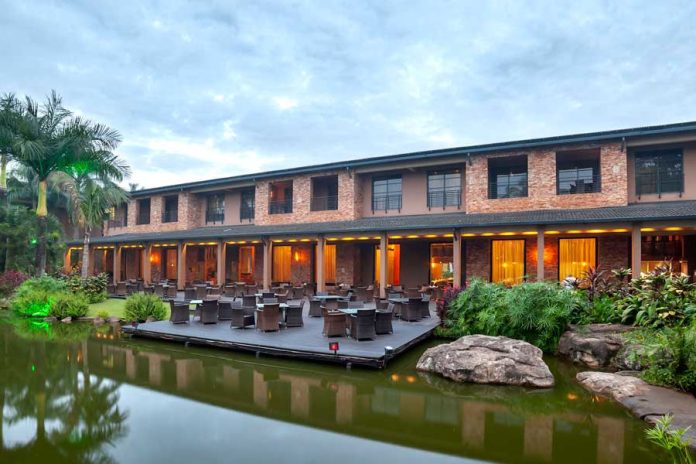
Speke Resort Munyonyo.

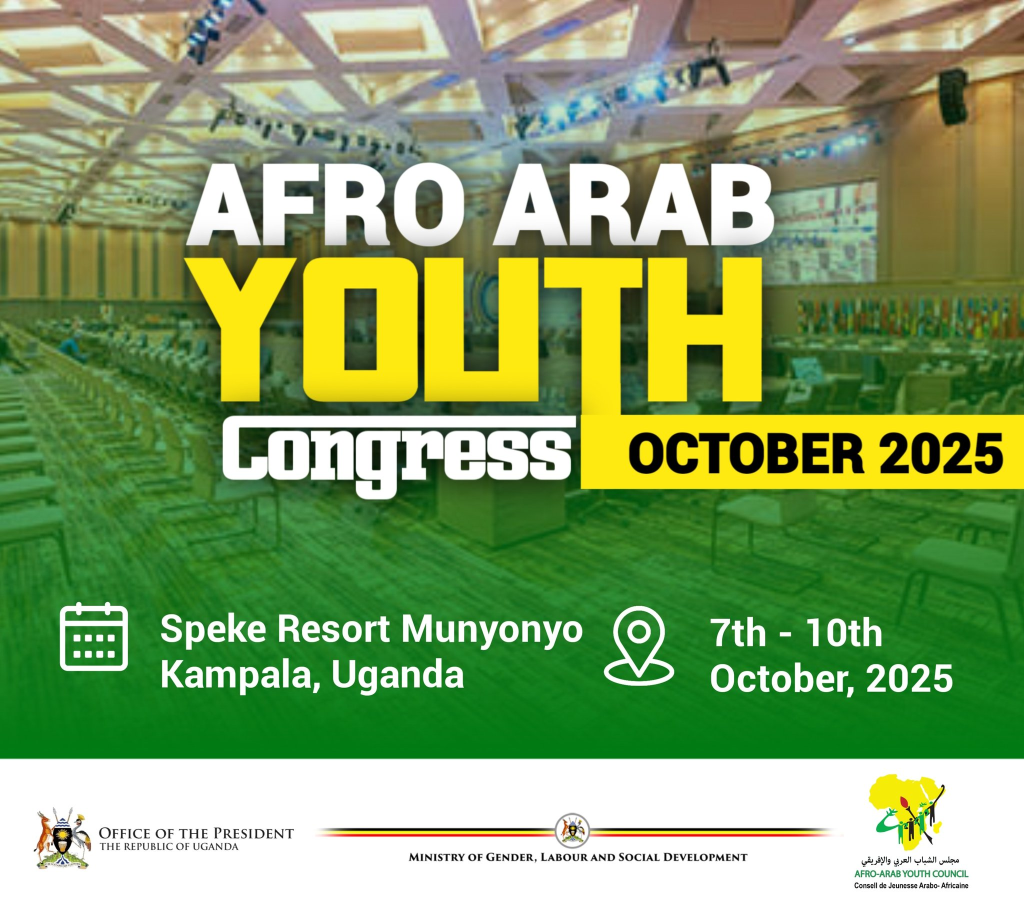
Uganda is set to host the Afro-Arab Youth Congress 2025 from October 7-10, at the prestigious Speke Resort Munyonyo in Kampala.

The gathering will be one of the largest of its kind, drawing more than 1,000 delegates from Africa and the Arab world under the theme “Amplifying Youth Voices for Peace, Unity and Prosperity.”

Speaking at the Uganda Media Centre, in August during the launch, Balaam Barugahara Ateenyi, State Minister for Youth and Children Affairs, confirmed that the Congress will be hosted by the Afro-Arab Youth Council (AAYC) in partnership with the Government of Uganda under the Office of the President and the Ministry of Gender, Labour and Social Development.

“Peace cannot be sustained without the meaningful involvement of young people; unity cannot be achieved without bridging divides; and prosperity cannot be achieved unless it harnesses the vibrant energies of young people,” the Minister said.

President Yoweri Kaguta Museveni, Patron of AAYC, will officially open the Congress, which will also be graced by at least five Heads of State from Africa and the Arab world, alongside youth ministers, diplomats and international development partners.

The four-day gathering will feature keynote sessions with policymakers, a non-elective General Assembly adopting the Kampala Declaration on Afro-Arab Youth Cooperation, interactive panels and workshops, youth innovation exhibitions, cultural performances, and business networking forums.

A special highlight of the Congress will be the launch of a fundraising drive for the construction of the AAYC International Headquarters in Nakawuka, Uganda, spearheaded by Hon. Dr. Ruhakana Rugunda, AAYC Special Envoy and former Prime Minister, with contributions expected from attending Heads of State.

In a major announcement, AAYC Secretary-General Abbas Agaba unveiled the vision of the Afro-Arab Youth City, to be established on 50 acres of land donated by President Museveni. The futuristic complex will include a modern office block, an international-standard hotel, a sports stadium, a cultural heritage center, and a University of Science and Technology. “This is more than a building; it’s a dream city that will stand as a beacon of unity, cultural exchange, and youth empowerment,” Agaba said.

Adding her voice, Oliva Mutesi, President of the Pan African Youth Union, rallied young people to stand together in the face of global challenges. “We are being attacked. So it’s time we become each other’s keepers, united against oppression, war, and discrimination,” she urged.

The Afro-Arab Youth Congress is expected to boost Uganda’s reputation as a regional hub for dialogue, peace, and youth leadership. With hundreds of international delegates arriving, the event is also projected to give a major boost to the country’s hospitality, transport, and tourism sectors.

Balaam Barugahara called on Ugandan youth to actively participate, noting, “Let us represent our nation with pride and make Uganda the heartbeat of Afro-Arab youth cooperation. This is our chance to show the world our talent, resilience, and innovations.”

The Afro-Arab Youth Congress 2025 is projected to become a turning point in strengthening Afro-Arab relations, with Kampala standing as the birthplace of new policies, initiatives, and youth-driven solutions for global challenges.

Stories Continues after ad