Stanbic Bank
Stanbic Bank
26.7 C
Kampala
Stanbic Bank
Stanbic Bank
Home Blog Page 77

UPDF passes out first intake of armoured combat vehicle drivers

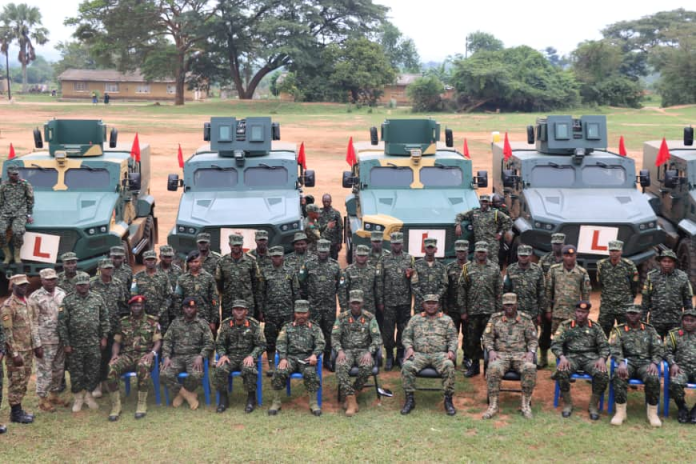
Participants at the pass out.

The Uganda Peoples’ Defence Forces (UPDF) Motorised Infantry Division has passed out its first intake of Multi-Role Combat Armoured Vehicle-20 (MCAV-20) drivers after a six-month specialised training programme.

A total of 78 soldiers, including four females, drawn from the Motorised Infantry Division and the Special Forces Command (SFC), successfully completed the course.

Presiding over the ceremony at the Division headquarters in Nakasongola, Deputy Commander Land Force, Maj Gen Francis Takirwa, commended the graduates for their discipline and dedication. He urged them to apply their newly acquired skills in executing missions, particularly in safeguarding VIPs.

The Motorised Infantry Division Commander, Maj Gen Charles Byanyima, praised the Chief of Defence Forces (CDF), Gen Muhoozi Kainerugaba, for guiding the modification of the vehicles, which enhanced their operational effectiveness. He also highlighted notable improvements in soldier welfare.

 “Soldiers’ morale is high given the fact that their welfare has tremendously improved. This is attributed to the selfless efforts of the Chief of Defence Forces,” he said.

Maj Gen Byanyima further acknowledged the support of UPDF instructors and civilian partners, including the Savannah Region Police Inspector of Vehicles and Ebenezer Driving School, whose collaboration aligned the training with the licensing standards of the Ministry of Works and Transport.

Col Esibio Omaria, the Division Operations and Training Officer, explained that the course was built around five key pillars: offensive and defensive driving, basic maintenance, obstacle crossing, and terrain navigation.

“The graduates have attained skills in assertive driving manoeuvres to dominate the road, suppress obstacles, disrupt hostile vehicles, and execute tactics to neutralise threats or extract VIPs under direct attack,” Col Omaria said.

Six trainees were recognised for outstanding performance. Pte Kamya Kerizon emerged overall best, Sgt Muhaniwemana Lymon was awarded best disciplined, and Pte Manyobe Francis best in the field. L/Cpl Akwii Everline was named best female student, Pte Aide George Robert best in class, while Pte Tumusinguze Mercy Paula received the most improved award.

The ceremony also featured the commissioning of new projects, including technical stores, a fuel station, the FRONASA Senior Officers’ Mess, and housing units for soldiers.

Stories Continues after ad

KCCA halts construction on Nakivubo Channel pending final plan approval

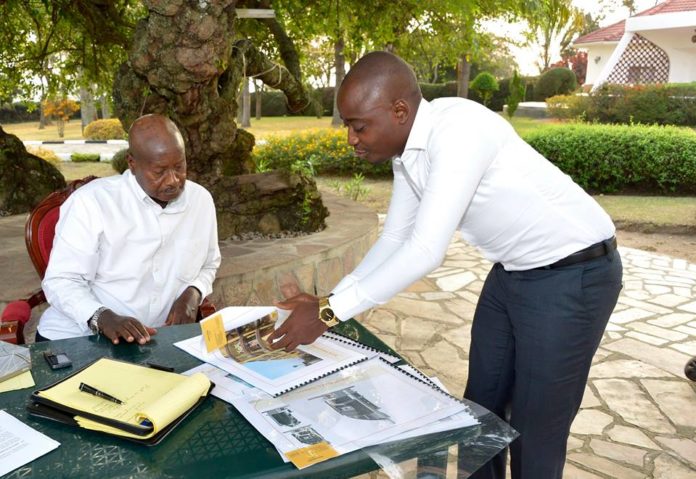
IT IS LIKE THIS: Hamis Kiggundu shows President Museveni documents for the anticipated development of Park Yard market.

The Kampala Capital City Authority (KCCA) has suspended construction activities on a section of the Nakivubo Channel, one of the city’s main drainage systems, pending the final approval of submitted development plans.

In a statement released this week, the Authority confirmed that the project developer had duly submitted plans which are now undergoing a comprehensive technical review.

“KCCA acknowledges receipt of the construction plan for the development of a section of Nakivubo Channel. The plan is undergoing thorough technical review, and no permanent construction will proceed until approvals are concluded,” the Authority said.

While halting construction, KCCA clarified that essential maintenance activities will continue to ensure uninterrupted water flow.

“In the meantime, activities such as cleaning, unblocking, and removal of silt and debris will continue to ensure the channel remains functional and to prevent flooding risks,” the statement read.

The Authority also noted that hoarding around the site will be maintained as a precautionary measure.

“We have maintained hoarding at the site as a public protection measure, pending the conclusion of the technical evaluation and subsequent approval of the plans,” KCCA emphasized.

KCCA revealed that it has assigned a dedicated technical team to guide and oversee the process. The team will ensure that all works conform to the city’s drainage master plan and environmental safeguards.

The Nakivubo Channel, which stretches from Makerere and Kisenyi through the central business district to Nakivubo swamp, is Kampala’s largest stormwater drainage system. It plays a critical role in protecting downtown Kampala from flooding, particularly during heavy rains.

Over the years, however, the channel has faced multiple challenges, including encroachment, illegal construction, dumping of waste, and silting. These have contributed to frequent urban flooding in areas such as Clock Tower, Nakivubo Place and Kisenyi.

The temporary halt comes against a backdrop of growing public concern about construction along drainage reserves in Kampala. Residents and environmental activists have repeatedly warned that tampering with the Nakivubo Channel could worsen flooding and compromise public health.

KCCA has not specified how long the review process will take, but officials insist that the final decision will be guided strictly by technical and environmental considerations.

“Our priority remains ensuring that drainage works are done in line with approved standards to protect the city and its people,” KCCA said, reiterating its commitment to transparency and public safety.

Observers note that the outcome of this review could set a precedent for how the city handles future developments on environmentally sensitive infrastructure.

Stories Continues after ad

KCCA councilors dismiss bribery allegations in Nakivubo drainage channel redevelopment

Lord Councillor, Katerega Julius. Courtesy Photo.

Kampala Capital City Authority (KCCA) councilors have denied allegations that they received bribes to approve a private developer’s takeover of the Nakivubo drainage channel, describing the claims as false, malicious and politically motivated.

In a statement issued on Friday, August 22, the Lord Councillor, Julius Katerega dismissed reports that councilors had granted permission to businessman Hamis Kigundu to develop the drainage channel.

“I wish to state clearly and categorically that these allegations are false, misleading, and without any basis in fact,” Kateregga said.

He referred to the official council minutes of April 3, 2025, which are publicly available, noting that the discussions at the time were centered on the Jugula Channel as part of a wider debate on Kampala’s drainage problems.

“At no point did Council discuss or pass a resolution regarding the Nakivubo drainage channel,” the statement reads in part.

Kateregga said the allegations that councilors were bribed to approve a matter never before Council were both defamatory and damaging.

“The suggestion that councilors were bribed to approve a matter that was never before Council is both malicious and defamatory. It undermines the integrity of the institution and the collective efforts councilors have made to champion people-centred policies,” he emphasized.

Kateregga stressed that his party remains committed to the principles of People Power and safeguarding citizens’ interests above private or partisan gain. He also accused some political leaders of shifting blame for the city’s drainage woes during the political season.

“Only a few days ago, the Lord Mayor stated via his platform that the Nakivubo Channel was appropriated with the aid of General Museveni. Today, the blame is being shifted onto councilors,” Katerega said.

He reiterated that the city’s focus should be on tackling persistent flooding, property destruction, and loss of lives caused by inadequate drainage systems.

“This is where our collective energy and leadership should be directed. As councilors, we reaffirm our commitment to work with all stakeholders, political leaders, technical teams, and the people themselves to ensure lasting solutions,” he noted.

Kateregga firmly rejected the accusations against councilors, noting, “I reject, in the strongest terms possible, the false allegations linking me and my fellow councilors to bribery or to the purported approval of developments over the Nakivubo drainage channel. Our record is clear, our principles are intact, and our commitment to the people of Kampala and Uganda at large remains unshaken.”

Stories Continues after ad

Dei BioPharma receives second US FDA approval for key diabetes drug

Dei BioPharma Ltd plant.

Dei BioPharma Ltd announced on Tuesday that the U.S. Food and Drug Administration has accepted the development plan for two of its novel biological drugs, liraglutide and semaglutide, which are used to treat conditions like type 2 diabetes and obesity, cardiovascular disease, heart failure and diabetic kidney disease among others.

The groundbreaking therapeutic platforms developed by scientist and inventor Dr. Matthias Magoola have now been formally accepted by the US FDA for its development plan to enable quick approval by the US agency.

On August 7, 2025, the FDA issued a written notification fully agreeing with Dei Biopharma’s plan for FDA submission.

The two products, liraglutide and semaglutide, have already been developed by Dei BioPharma, and the company is now filing for their US approval. Besides the multibillion-dollar US market, Dei BioPharma plans to distribute these products globally at an affordable cost to multitudes of patients who can not afford them due to their high prices. Dei BioPharma projects to earn revenue of $15 billion per year from these products once fully developed.

This marks the second time the US FDA has accepted a development plan for one of the Ugandan based biopharma’s key biological drug innovations — the first was for darbepoetin alfa biosimilar.

Dei BioPharma’s founder, scientist Dr. Magoola says the company has already completed the development of both drugs and aim to make these medications affordable worldwide, projecting to launch them within the next 18 months.

The medications are part of a class of drugs known as glucagon-like peptide-1 (GLP-1) agonists, which are among the world’s best-selling drugs.

The global market for GLP-1 agonists is currently over $100 billion, with a recent Goldman Sachs report projecting it could exceed $322 billion annually by 2035. The report also suggests GLP-1 drugs could add a trillion dollars to the U.S. GDP over the next four years.

“Our promise of making biological drugs affordable to the rest of the world is coming to fruition,” Dr. Magoola said.

Dei BioPharma projects it could earn $15 billion in annual revenue from the new products once they are launched.

The company says it is the first African firm to lead the market in this specific class of novel products, which it believes will help provide a more equitable distribution of advanced medicine.

Dei BioPharma’s mission is to deliver “cutting-edge immunological therapies that are scientifically advanced, globally accessible, and human-centered.”

Stories Continues after ad

Equity Bank Uganda promises support to small & medium enterprises in Arua

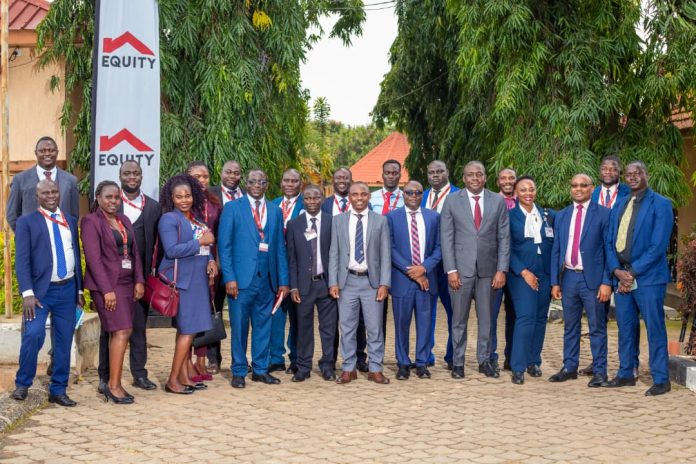
Group photo of the Equity Bank team in Arua.

Today, Equity Bank Uganda continued its Tupange Business Ne Nation-wide series in Arua, still under the same theme: “Financing Integrated Value Chains and SME Growth.” The event brought together small and medium business owners, community leaders, and partners to discuss opportunities for growth and the role of value chain financing in building stronger businesses.

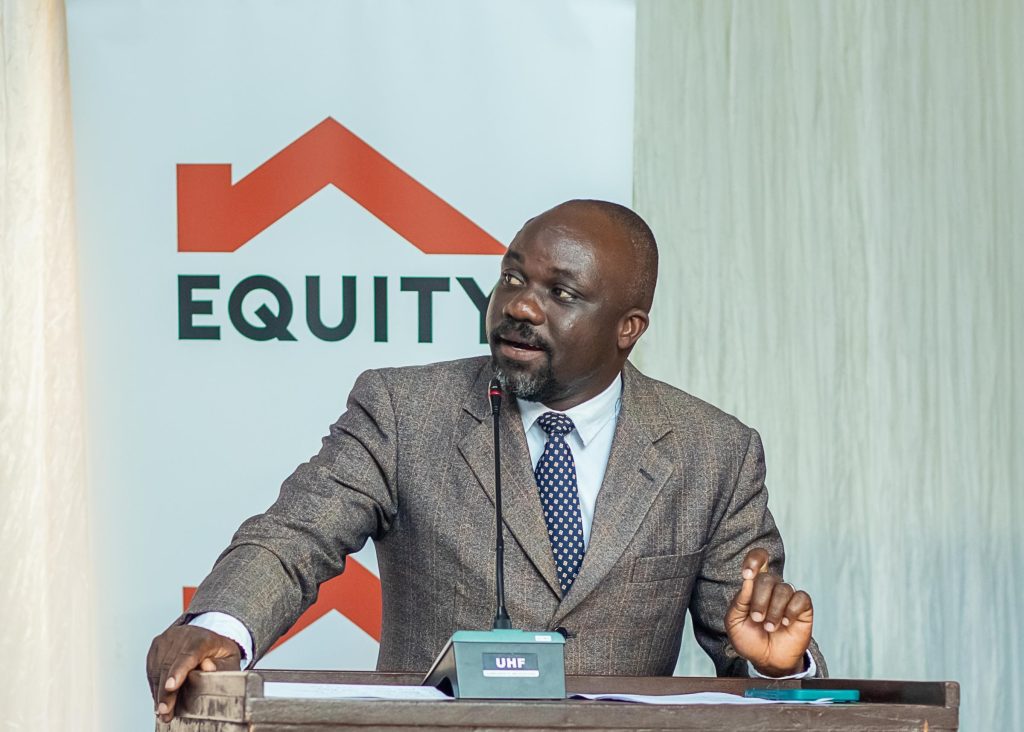
Welcoming participants, Charles Orodriyo, the Branch Manager of Equity Bank Arua, said the initiative reflects Equity’s vision of transforming lives and societies. He encouraged entrepreneurs to embrace change and pursue growth both in business and as individuals.

“At Equity Bank, we want to transform lives and communities. I encourage entrepreneurs in Arua to embrace change and grow both in their businesses and in their personal lives,” said Orodriyo.

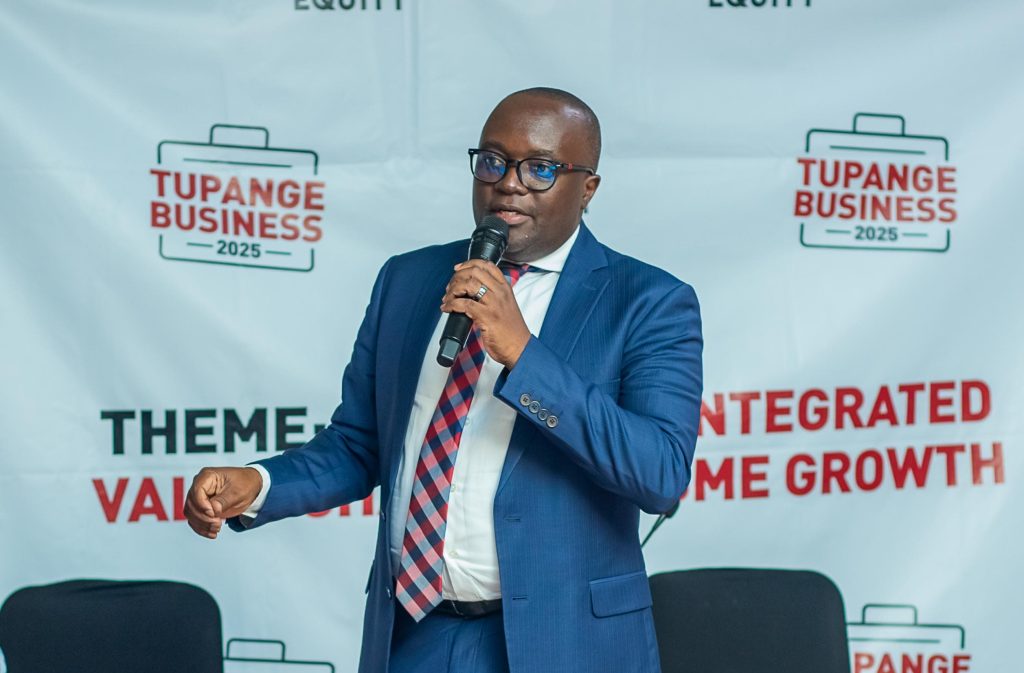
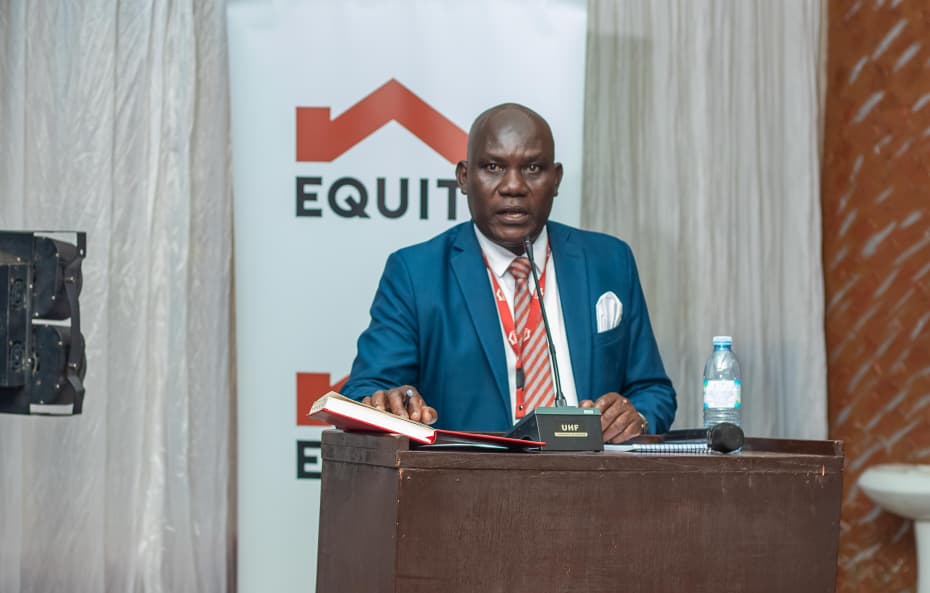
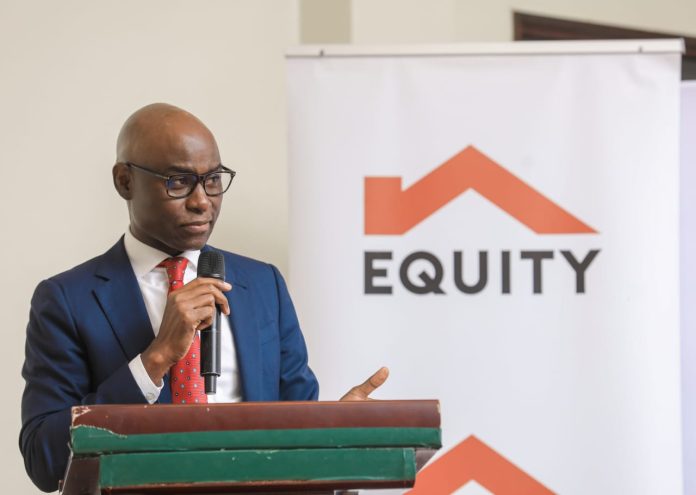
Robert Wanok, Head of Retail Banking at Equity Bank Uganda.

Delivering the executive address on behalf of the Executive Director, Robert Wanok, Head of Retail Banking, emphasized the bank’s Pan-African vision through the Africa Recovery and Resilience Plan. He explained that Equity Bank is built on a three-pillar model of commercial banking, social impact through the Equity Foundation, and sustainability. He highlighted agriculture, mining, manufacturing, trade and MSMEs as key sectors for Uganda’s growth, stressing that the bank remains committed to empowering SMEs with digital and credit solutions that support business growth across regional trade corridors.

Peter Ssemakalu, Regional Manager Business Growth and Development, shared a Northern Uganda saying that “a goat can feed a family, but only if it does not eat your crops.” He likened this to SMEs, noting that with the right guidance and financial support, businesses can generate value, profit and jobs.

 Draecabo Trinity Ceasar, Chairperson of the Ayivu Development Agency, during the keynote speech.

The keynote speaker, Draecabo Trinity Ceasar, Chairperson of the Ayivu Development Agency, called on SMEs to build strong relationships with banks. Using a simple illustration, he said that just as children were taught to read their Bible daily if they wanted to grow, SMEs must engage with their bankers regularly to ensure growth. He urged business owners to pay attention to detail, cooperate with others, manage resources carefully, commit to learning, and find the right partners for long-term success.

A panel discussion shed light on the challenges faced by SMEs in the region. Many still sell raw produce without value addition, leading to low returns. Informality and poor record-keeping also limit access to finance, while weak market linkages mean that local producers often miss out on opportunities despite the presence of a large local market, including the refugee population. To address these challenges, speakers encouraged value chain integration, financial literacy, and partnerships that create stronger business networks.

Charles Orodriyo, the Branch Manager of Equity Bank Arua.

Equity Bank also showcased financial solutions designed for SMEs. These included Easy Stock Financing for retailers and distributors, Grain Trader Financing for aggregators, Easy Float Financing for mobile money agents, Asset and Vehicle Financing for businesses needing equipment, and unsecured credit for contractors and suppliers with valid contracts or purchase orders.

The forum concluded with the SME Awards 2025, where outstanding clients in the Greater North were recognized. Madi West-Nile Diocese received the SME Business Influencer Award, Cress Africa Foundation Limited won the SME Customer Loyalty Award, and Kuluva Hospital was honored with the SME Ecosystem Customer Award.

Through Tupange Business Ne Equity, Equity Bank reaffirmed its commitment to walking alongside SMEs, supporting their growth and strengthening Uganda’s economy.

Stories Continues after ad

Finance Ministry engages stakeholders on FY 2026/27 budget strategy

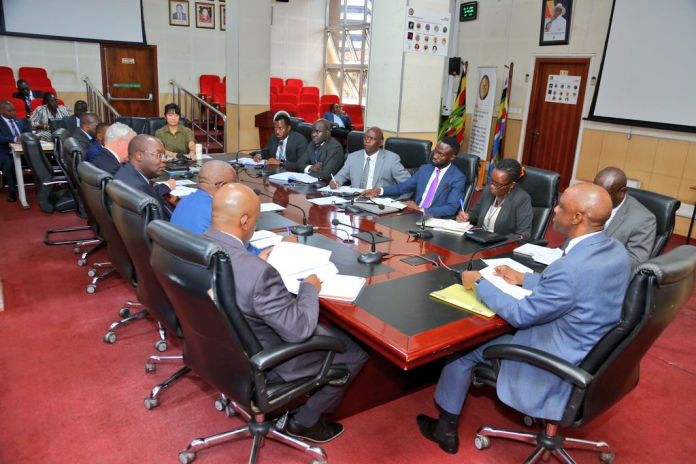
Permanent Secretary and Secretary to the Treasury, Ramathan Ggoobi, chairing the meeting.

Top officials from the Finance ministry have met the Local Development Partners Group, members of the private sector, representatives of the civil society, and the academia to consult on the Budget Strategy for financial year [FY] 2026/2027.

The Permanent Secretary and Secretary to the Treasury [PSST], Ramathan Ggoobi, who chaired the meeting yesterday, said the successful formulation and implementation of the Budget Strategy for FY 2026/27 requires robust collaboration not only within government, but with all stakeholders.

“Your insights, evidence-based policy, and alignment with our strategic priorities are critical to ensuring that every shilling spent delivers meaningful impact,” said Ggoobi.

Ggoobi said the role of partners in shaping public policy, promoting accountability, and advancing inclusive development through research, community engagement, implementation support and advocacy are critical to ensuring that the budget reflects the aspirations and needs of all Ugandans.

The PSST said the overarching objective of full monetisation of the economy by transitioning 33 percent of the households in subsistence to the money economy remains a key priority of the government.

He said this will be undertaken by, unlocking the key binding constraints to sectoral growth in agro-industrialisation, tourism, minerals, and science, technology, and innovation so as to strengthen the resilience and productivity of our economy.

FY 2026/27 will be the second year of implementation of the Fourth National Development Plan [NDP IV], the last plan to deliver on Agenda 2030 of Sustainable Development Goals [SDGs] and first plan to implement the Ten-fold Growth Strategy.

Ggoobi also highlighted other priorities such as enhancing domestic revenue mobilisation through improved tax administration and broadening the tax base; fiscal consolidation interventions such as expenditure efficiency and fiscal discipline, value for money and results-based budgeting.

He said focus will also be in areas of: Strategic Public Investment in key enablers of the economy including infrastructure like; roads, railways, energy, water for irrigation, and human capital; strengthening public financial management systems, in line with the Public Finance Management Act Cap 171 and the Charter of Fiscal Responsibility, and deepening policy and goal consensus by promoting full integration and coherence across sectors and levels of government during planning, budgeting and implementation.

The Local Development Partners Group in a statement delivered by the United Nations Resident Coordinator, Leonard Zulu reaffirmed their partnership in sustaining and accelerating development outcomes in Uganda.

“We commit to supporting the Government of Uganda in its endeavors to use resources effectively and efficiently,” said the development partners in their joint statement. The development partners said they were ready to support Uganda in realising its domestic revenue mobilisation aspirations- including private sector investment and broadening the tax base.

Their proposed priorities for FY 2026/27 include: Human capital development, youth employment, inclusive, equitable and green growth, governance and accountability as well as debt sustainability and fiscal resilience. The private sector players in their statement called upon government to prioritise the ATMS and their entire value chains as well as the enablers.

The Executive Director of Civil Society Budget Advocacy Group [CSBAG], Julius Mukunda called for consolidation of gains, especially in e-governance services/automation, improving the capacity of votes to absorb funds, and enforcement of national service delivery standards.

Stories Continues after ad

Seven scout leaders arraigned over violent takeover of Kaazi National Scouts Centre

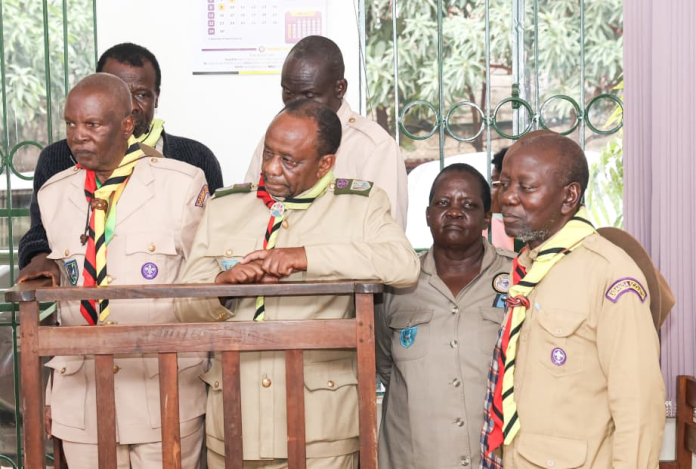
The suspects in court.

The State House Anti-Corruption Unit (SH-ACU), working with the Criminal Investigations Directorate (CID) and the Office of the Director of Public Prosecutions (ODPP), on Thursday arraigned seven scout leaders at the Makindye Magistrate’s Court on charges arising from the alleged forcible takeover and destruction at the Kaazi–Busaabala National Camping and Scouts Centre.

Those charged are Buragahare Mujuni Patrick, Butumbwire Stephen, Mugisha John, Musoke Stephen Brian, Mununuzi Alex, Orwanga Michael Richard, and Anyango Francis. Prosecutors say the group operating under a splinter faction calling itself the Boys Scouts Association mobilised a crowd on June 24, 2025, broke into Uganda Scouts Association (USA) offices at Kaazi, and destroyed property including kitchens, latrines, a watchtower, water tanks and piping.

“We have arraigned seven scout leaders on charges of unlawful occupation, malicious damage, conspiracy, forcible detainer and forcible entry,” SH-ACU said in a statement posted on X.

According to court proceedings, the suspects face counts of unlawful occupation of land belonging to another, malicious damage to property, conspiracy to commit a felony, forcible detainer and forcible entry. The charge sheet cites Kyadondo Block 273, Plot 5.

Magistrate Rhona Tukundane granted each suspect Shs5 million cash bail with Shs10 million non-cash surety bonds and adjourned the case to September 8, 2025, for hearing. State prosecutor Henry Turyomujuni said court investigations are complete.

“Given the sensitivity of the land question in Uganda and Buganda, it would be foolhardy to sit back and hope the storm caused will subside on its own,” High Court Justice Bonny Isaac Teko wrote in a July 18 ruling that temporarily restrained ministerial directives touching the Kaazi title.

The 120-acre Kaazi campsite on the shores of Lake Victoria has hosted generations of Ugandan scouts for nearly nine decades. Historical records note it was initially given to the scout movement during Ssekabaka Daudi Chwa’s reign and has long been treated as the movement’s national camping home.

The dispute intensified in March 2025 when State Minister for Lands Sam Mayanja directed the cancellation of the Kabaka of Buganda’s title over the wider Kaazi area (Block 273, Plot 5), arguing it should revert to the estate of Daudi Chwa II and to the Uganda Scouts Association. The Buganda side challenged this in court, leading to the July 18 temporary injunction halting 16 directives pending a full hearing.

In his directive, Minister Mayanja asserted: “The land is the private Mailo belonging to the estate of the late His Highness Daudi Chwa II,” and ordered corrections to the land register.

Tensions at the site have since spilled into the open. In late July, scouts under the Uganda Scouts Association reported being blocked by heavily armed personnel from accessing the campsite for meetings tied to the National Scouts Camp scheduled for August 22–28, 2025. Leaders alleged ongoing grading, tree felling and demolition of structures at Kaazi despite court orders.

The scouts leadership also petitioned authorities—including the Ministry of Education and Sports, the Attorney General, NEMA, and SH-ACU—seeking intervention over what they call internal fissures exploited by encroachers and the alleged illegal occupation of sections of the campsite. Education ministry officials acknowledged the matter and advised formal escalation to defence and security organs overseeing the ground.

Thursday’s arraignment and bail set the stage for a substantive hearing in September even as the broader ownership and management questions remain before the High Court. Scouts leaders say they will pursue “all legal avenues” to reclaim the campsite and secure it for national activities, while SH-ACU has signalled continued investigations into alleged criminal actions at Kaazi.

“We will not allow individuals to take the law into their own hands and destroy national heritage property under the guise of leadership wrangles,” an SH-ACU official said.

Kaazi remains a national symbol for the scout movement and a flashpoint in Uganda’s land governance debates, pitting historical donations and leases, ministerial reviews, and kingdom claims against contemporary encroachment and commercial pressures. Whether the site can be secured for public youth work without further environmental and institutional damage now hinges on the courts—and on stakeholders respecting the orders already in place

Stories Continues after ad

Respected UPDF trainer Brig Gen Bonny Wolimbwa dies

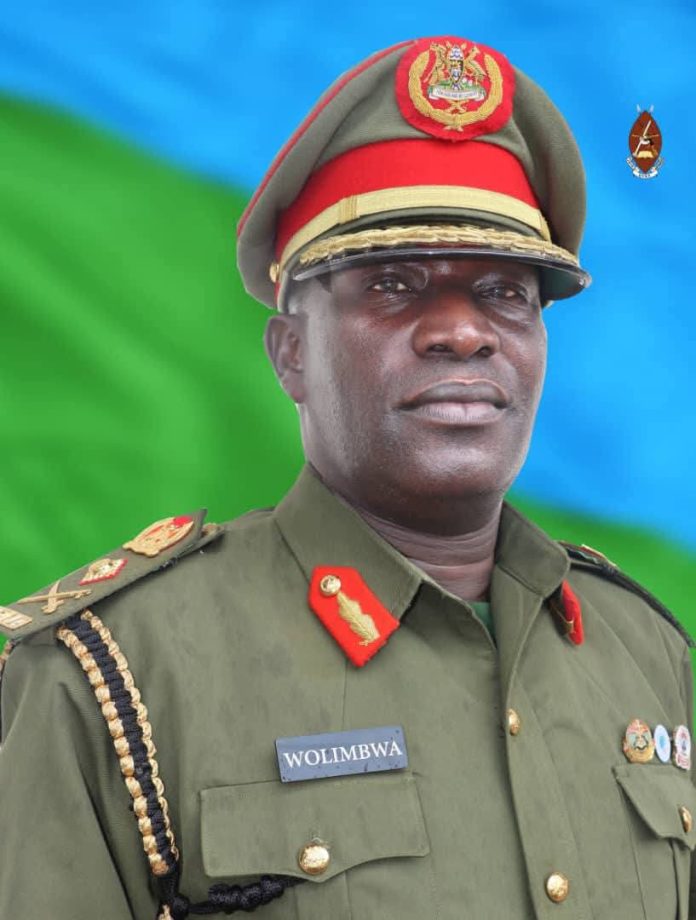
RIP: Brig. Gen. Bonny Wolimbwa.

The Uganda People’s Defence Forces (UPDF) is mourning the passing of Brigadier General Bonny Wolimbwa, a highly respected officer and seasoned military trainer who dedicated his life to shaping generations of soldiers.

Gen. Wolimbwa, who hailed from Sironko District, died on Thursday evening at Victoria Hospital in Kampala. Family and military sources confirmed that he succumbed to natural causes.

Until his death, Brig. Gen. Wolimbwa was serving under the Joint Staff Doctrine and Training Command (JS TRADOC), the UPDF arm responsible for harmonizing and professionalizing training across the force.

Tributes have since poured in from colleagues and former trainees, who described him as a disciplined, selfless, and dedicated mentor whose guidance extended beyond military drills to instilling values of loyalty, patriotism, and character.

“This is a sad moment for the UPDF family, for JS TRADOC, and for all of us who had the privilege of passing through his hands. He was a seasoned trainer whose contribution will never be forgotten,” one officer said.

Deputy Defence Spokesperson, Col. Deo Akiiki, also paid tribute to the late General, describing his passing as a heavy blow to the force:

“Very sad moment indeed for the UPDF family, Joint Staff Doctrine and Training (JS TRADOC), and the family of the fallen General, for the loss of Brig. Gen. Bonny Wolimbwa. A seasoned military trainer in whose hands many of us passed. Indeed life is finite and very short! Fare thee well,” Col. Akiiki said.

Born and raised in Mbale, now (Sironko District), Gen. Wolimbwa joined the forces in the early years of the National Resistance Army (NRA) and steadily rose through the ranks. His career spanned decades of service, during which he earned recognition as one of the most dependable and consistent trainers in the institution. At JS TRADOC, he was instrumental in building a professional cadre of soldiers who continue to serve across different units of the army.

Beyond his military career, Wolimbwa was admired for his humility and fatherly approach to mentorship, which made him not only a leader in uniform but also a guiding figure in the lives of many young officers.

Burial arrangements are underway, with the UPDF working closely with his family to honor his legacy. His death marks a huge loss, but his imprint on the institution remains immortalized in the thousands of soldiers he trained.

Stories Continues after ad

Brig Gen Charity Bainababo assumes office as UPDF director of women affairs

Brig. Charity Bainababo receives documents from the outgoing Director of Women Affairs, Col Christine Nekesa.

Brig Gen Charity Bainababo, a seasoned officer and one of the most prominent female figures in the Uganda Peoples’ Defence Forces (UPDF) has officially assumed office as the Director of Women Affairs at the Ministry of Defence and Veteran Affairs (MODVA) headquarters in Mbuya.

Bainababo, who also serves as a member of Parliament representing the UPDF, is respected for her leadership within the force and her role as one of the aides to the First Son and Chief of Defence Forces (CDF) Gen Muhoozi Kainerugaba. Her appointment marks another milestone in her distinguished career and the UPDF’s commitment to gender mainstreaming.

The handover ceremony was presided over by the Joint Staff Human Resource Management, Maj Gen James Kinalwa, who underscored the significance of transfers and appointments in strengthening the institution.

“Human resource, like any other resource, must be discovered and tested in order to reveal its full potential,” he said, adding that such changes are vital for professional growth, innovation, and preventing stagnation.

In her remarks, Brig Gen Bainababo expressed gratitude for the appointment and dedicated the moment to women trailblazers in the UPDF.

“This moment is not mine alone. It belongs to the many courageous women who have gone before us, women who broke barriers, challenged stereotypes, and proved that excellence knows no gender,” she said.

She paid glowing tribute to pioneering officers including Lt Gen (Rtd) Proscovia Nalweyiso, Brig Gen (Rtd) Rebecca Mpagi, Brig Gen (Rtd) Agnes Musoke, Col Betty Musuya, and Maj (Rtd) Gertrude Njuba, acknowledging that their sacrifices laid the foundation for today’s progress.

Looking to the future, Bainababo pledged to promote mentorship, raise standards of service, and create an environment where women can excel in all spheres of military service.

“Our mission goes beyond defending the nation. We must mentor young officers, raise standards of service, and ensure every woman in uniform thrives on the battlefield, in command, and beyond,” she said.

Outgoing Director of Women Affairs, Col Christine Nekesa, highlighted the importance of gender equity and mainstreaming across units and formations. She noted that these initiatives are not about giving women special treatment, but about ensuring that all personnel perform to their full potential. Col Nekesa also reaffirmed the UPDF’s adherence to international humanitarian law, the Constitution of Uganda, the UPDF Act, and United Nations Security Council Resolution 1325, which advocates for gender equality and women’s participation in peace and security.

Stories Continues after ad

Eight Transformative Lessons for SME Success: Insights from TUPANGE Business Ne Equity Bank in Mbale

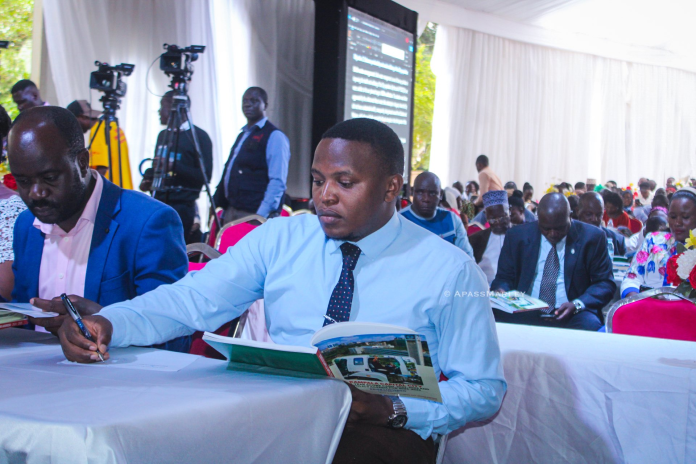
Claver Serumaga, Executive Director of Commercial Banking at Equity Bank.

In the bustling city of Mbale, Uganda, the TUPANGE Business Ne Equity Bank event brought together entrepreneurs, dreamers, and innovators under the warm glow of a shared vision: to unlock the potential of small and medium enterprises (SMEs). Speaker after speaker – which included Claver Serumaga (Executive Director, Commercial – Equity Bank), Ms. Olivia Mugaba (Head of SME, Equity Bank), Mr. Saleh Naminya (Managing Director of Casa Uganda Safaris & Lodges), Mr. Odoki Richard (Lecturer at Uganda Martyrs University), and Mr. Natalisile James (MTA) – shared hard-earned wisdom told through experiences of resilience, collaboration, and innovation. The TUPANGE Business Ne Equity Bank event in Mbale focused on unlocking business growth through value chain financing, digital transformation, and strategic partnerships, with a particular emphasis on supporting small and medium enterprises (SMEs). These are the eight transformative lessons that lit a spark in the hearts of Mbale’s business community.

  1. Scaling Up Businesses: The speakers emphasized the importance of scaling businesses through financial and technical support. SMEs need to grow beyond stagnant operations by accessing tailored financial products and expertise to manage challenges like human resources, compliance with URA and NSSF regulations and operational efficiency. Scaling requires the right personnel and technical support to ensure sustainability.
  2. Value Chain Financing: The discussion highlighted the critical role of value chain financing in enabling SMEs to meet large contracts and sustain operations. By financing the entire supply chain—from input suppliers to distributors—businesses can reduce risks, manage cash flow, and seize opportunities. Examples included stock financing and credit lines accessible via mobile phones, allowing businesses to pay suppliers promptly and maintain trust.
  3. Digital Transformation and Accessibility: Speakers stressed the need for SMEs to adopt digital tools, such as point-of-sale machines and mobile banking, to cater to international customers and streamline operations. Digitalization enables businesses to track performance, make payments, and access markets efficiently. The speakers noted that modern businesses must move beyond outdated methods to remain competitive.
  4. Partnerships and Ecosystem Collaboration: The discussion underscored the importance of building partnerships within and across sectors (e.g., tourism, agriculture, and manufacturing). Collaborating with suppliers, distributors, and financial institutions creates a robust ecosystem that supports growth. For instance, tourism businesses benefit from reliable transport and quality produce, which require strong value chain linkages.
  5. Tax Compliance and Government Benefits: Compliance with tax regulations and formal registration were highlighted as essential for SMEs to access government incentives and exemptions. Various speakers referenced the need to understand tax policies and maintain proper accounting to benefit from opportunities in sectors like tourism, agriculture, and health.
  6. Knowledge and Financial Literacy: The event emphasized that knowledge is power for entrepreneurs. SMEs need to seek financial literacy training and consult experts to navigate policies, avoid common pitfalls like hiring unqualified relatives, and making informed decisions. Equity Bank Uganda was praised for offering not just financing but also business advisory services.
  7. Sustainability and Market Access: The discussion addressed Uganda’s high SME failure rate (53%) due to inadequate working capital and market access. Innovative financing solutions, such as invoice financing and tailored credit lines, were presented as ways to address these gaps. Speakers also highlighted the importance of accessing international markets, such as through trade fairs, to grow businesses.
  8. Case Studies and Practical Solutions: Real local examples included a business supported by Equity Bank Uganda that grew from a Shs20 million to a Shs100 million credit line through consistent performance and partnerships with anchor clients like Coca-Cola. Such success stories demonstrated how value chain financing and trust-based relationships can drive SME growth.

Overall, the event encouraged SMEs to embrace digital tools, comply with regulations, build strategic partnerships, and leverage tailored financial solutions to overcome growth barriers and thrive in a competitive environment. The engagements, enriched by various contributions from several speakers, inspired attendees to pursue sustainable growth through collaboration and innovation.

The next TUPANGE Business Ne Equity event takes place in Arua on Thursday, August 21, 2025.

Stories Continues after ad