Uganda’s headline annual inflation rate eased to 3.1 percent for the 12 months ending November 2025, according to new figures released by the Uganda Bureau of Statistics (UBOS).
The decline from 3.4 percent in October brings inflation closer to the Bank of Uganda’s medium-term target, reflecting stabilising prices across key sectors of the economy.

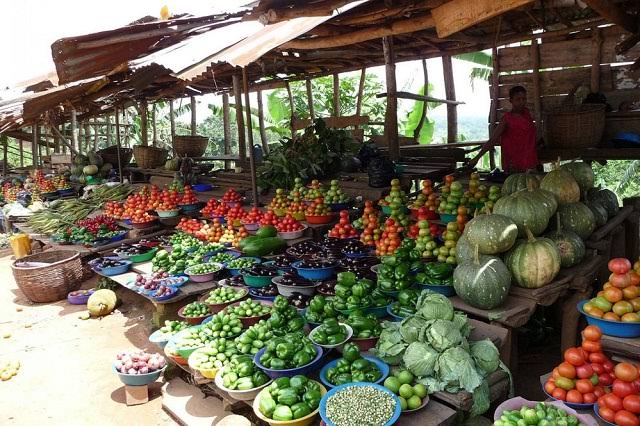
The slowdown was driven mainly by falling food prices, with UBOS reporting a sharp drop in inflation for food crops and related items from 6.1 percent in October to just 1.5 percent in November. Improved supply conditions across the country led to significant price relief for staple foods. Dry beans recorded a negative price change of 10.1 percent, tomatoes fell by 1.1 percent, while sweet potatoes dropped by 2.5 percent.
Core inflation, which excludes food and energy items, also moderated. It declined to 3.2 percent from 3.4 percent in October as both core goods and services registered softer price increases. Services inflation fell to 4.2 percent from 4.5 percent, largely due to reduced costs in passenger air transport and food and beverage services. Core goods inflation eased from 2.6 percent to 2.4 percent, with maize flour prices still rising but at a slower rate of 7.8 percent.
However, not all categories followed the downward trend. Annual Energy, Fuel and Utilities inflation rose sharply to 1.2 percent in November, up from 0.1 percent the previous month. UBOS attributed this increase to a jump in domestic energy costs, including a 12.3 percent surge in charcoal prices and rising firewood costs, which continue to exert pressure on household budgets.

Inflation figures varied significantly across regions. Kampala High Income households registered the highest annual inflation at 5.5 percent, followed by Masaka centre at 4.2 percent, driven mainly by rising prices of clothing, footwear and transport services. Mbale centre recorded the lowest inflation rate in the country at only 0.7 percent, pointing to a more stable price environment in eastern Uganda.
The current easing of inflation is supported by better food supply flows and improvements in distribution infrastructure. The inflation has remained close to the central bank’s target in the near term, though rising household energy costs which introduce temporary upward pressures.
UBOS also highlighted that the consumer basket remains stable despite isolated price shocks, reinforcing optimism that the country’s inflation trajectory will stay manageable as the year comes to a close.