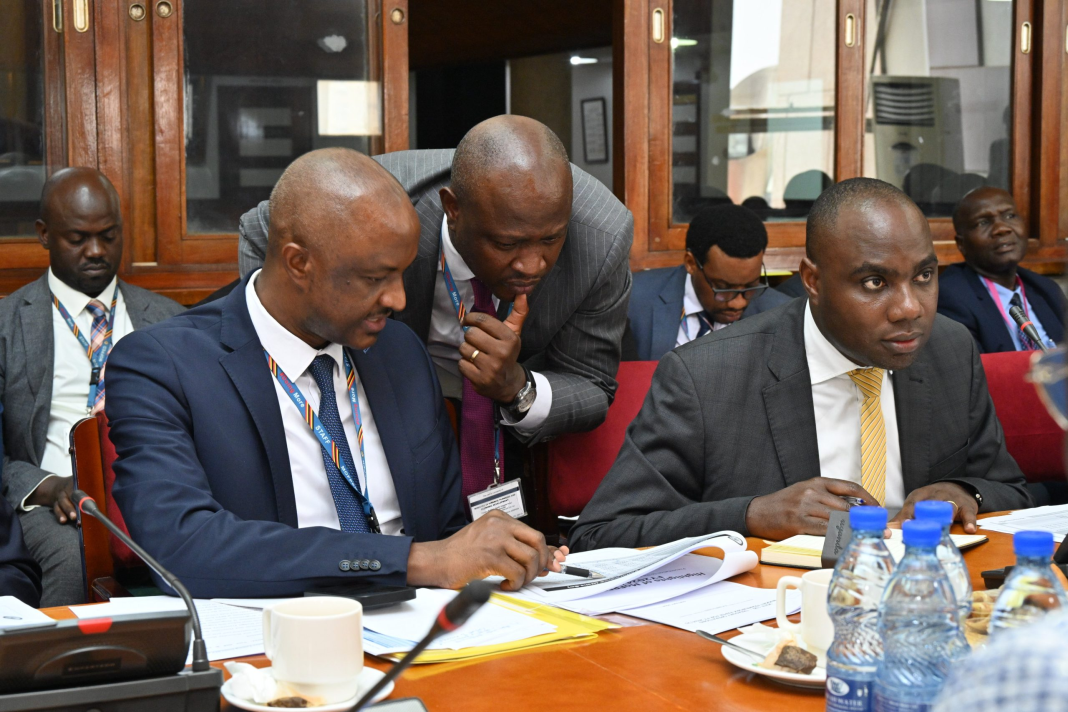
The Ministry of Finance, Planning and Economic Development has announced fresh fiscal measures aimed at containing Uganda’s growing public debt burden, which stood at Shs130.8 trillion by the close of 2025.
In a statement released on Friday through the ministry’s official X platform, authorities described the country’s debt levels as “moderately elevated” and unveiled a medium-term plan centred on improving domestic revenue collection, tightening debt management, and increasing access to concessional financing.

The ministry said the government will focus on strengthening fiscal discipline as the country heads into the 2026/27 financial year.
“As we head into FY2026/27, we shall be implementing key measures to effectively manage public debt,” the statement noted.
Among the key interventions is the continued implementation of the Domestic Revenue Mobilisation Strategy (DRMS), which seeks to widen the tax base and curb tax evasion. Government also expects the Electronic Fiscal Receipting and Invoicing Solution (EFRIS) to enhance transparency and improve tax compliance among businesses.

According to the ministry, domestic revenue collections have significantly improved over the past five years, rising from about Shs17 trillion in the 2019/20 financial year to nearly Shs32 trillion in FY2024/25.
The government is also shifting focus towards cheaper borrowing by increasing reliance on concessional financing from multilateral lenders including the World Bank and the International Monetary Fund (IMF).
Officials further revealed that the government is promoting alternative financing mechanisms under the Public Investment Financing Strategy [PIFS], including the proposed Uganda Sovereign Sukuk aimed at attracting ethical and non-conventional investors to support infrastructure and development projects.
The ministry also confirmed implementation of the 2026/27 Medium Term Debt Management Strategy (MTDMS), which seeks to reduce pressure on the national budget by lowering the share of domestic revenue spent on interest repayments.
Despite concerns over rising debt levels, Uganda’s international credit ratings have remained relatively stable. The country currently holds a “B- Positive” rating from S&P Global Ratings, “B Stable” from Fitch Ratings, and “B3 Stable” from Moody’s, reflecting cautious confidence from international investors.
Meanwhile, the Inspectorate of Government [IGG] has raised concern over poor compliance with wealth declaration requirements among public officials.
Speaking at the Uganda Media Centre in Kampala on Friday, Inspector General of Government Aisha Batala Naluzze revealed that 61,570 public officers failed to declare their income, assets and liabilities during the recently concluded declaration exercise.
Out of the 302,800 public officials expected to comply, only 241,230 submitted their declarations.
“Those who failed to declare risk appearing before the Leadership Code Tribunal and may face penalties including demotion, fines, or imprisonment,” Naluzze warned.
The latest developments come at a time when the government is under increasing pressure to strengthen accountability, fight corruption, and ensure sustainable debt management amid growing expenditure demands.
Uganda is estimated to lose between Shs9.1 trillion and Shs10 trillion annually through corruption, a figure equivalent to nearly 44 percent of the country’s domestic revenue collections.