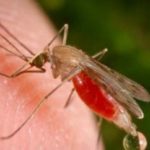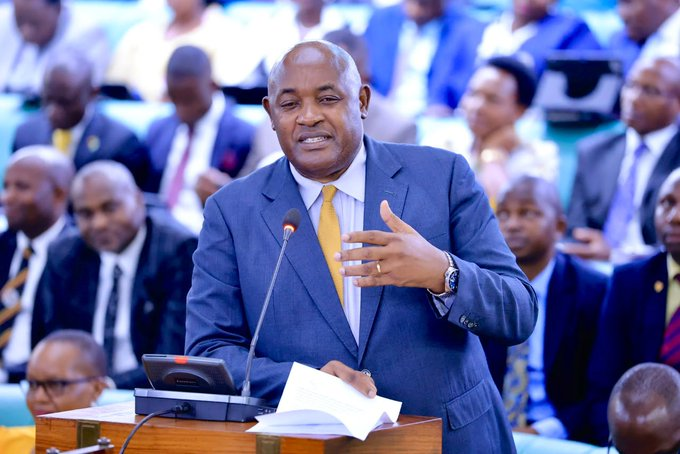
The Minister of Health, Dr Chris Baryomunsi, has dismissed reports linking the recent deaths of students in several schools to a new strain of malaria, assuring Parliament that scientific surveillance has found no evidence of any mutation in the malaria parasite circulating in Uganda.
Presenting a ministerial statement during Wednesday’s plenary sitting chaired by Speaker Jacob Marksons Oboth, Baryomunsi said investigations indicate that the deaths were associated with severe malaria affecting students who had developed limited immunity due to growing up in low malaria transmission areas, rather than the emergence of a more dangerous parasite.

“We continue to conduct genomic surveillance of malaria parasites through the National Malaria Control Division in collaboration with research partners. This surveillance has not detected any change in the virulence of the parasites currently circulating in the country. Plasmodium falciparum remains, as it has for decades, the dominant species in Uganda, accounting for approximately 97 per cent of infections,” Baryomunsi told Parliament.
The minister’s statement followed concerns raised by Kigulu South MP Andrew Kaluya, who sought clarification over reports of severe malaria cases and student deaths, particularly in urban boarding schools, which had sparked anxiety among parents and the public.
Baryomunsi confirmed that four learners in the Kampala Metropolitan Area had died from severe malaria, including two students from Makerere College School, one from Mengo Senior Secondary School and one from Gayaza High School.

He, however, clarified that other recent student deaths reported at schools in Naalya, Ndejje, Katakwi and Kakiri were unrelated to malaria, explaining that they resulted from suicide, trauma and road accidents.
The minister explained that Kampala and other urban centres have experienced declining malaria transmission over the years, meaning many children grow up with little or no exposure to the disease and therefore fail to develop natural immunity that is more common among children in high transmission districts.
“As malaria transmission has reduced in urban areas, children raised in these settings do not acquire the same level of immunity as those living in high transmission areas. Consequently, when they become infected, they are more vulnerable to severe malaria,” he said.
He added that both genomic and clinical surveillance data do not support claims that a new malaria strain is responsible for the recent fatalities.
To strengthen protection for learners, Baryomunsi said the Ministry of Health, working with the Ministry of Education and Sports, has rolled out rapid malaria diagnosis guidelines, trained school administrators on emergency referrals and intensified school health services.
The government also plans to conduct rapid malaria risk assessments in affected schools, carry out confidential inquiries into the reported deaths, issue a ministerial circular on malaria prevention and treatment, and progressively deploy school nurses across the country.
“We remain committed to ensuring that no learner dies or suffers prolonged disruption to their education because of delayed malaria prevention, diagnosis or treatment,” the minister said.
Reacting to the statement, Kaluya welcomed the government’s response, saying it had helped ease fears among parents and leaders.
“It gives us a lot of comfort, both as parents and leaders, and eases our concerns about what is happening. However, we must improve our efforts to combat malaria,” he said.
Tororo South MP Frederick Angura called on the ministry to address healthcare gaps by ensuring that sub-counties without Health Centre IIIs are provided with the necessary health facilities.
Wakiso District Woman Representative Ethel Naluyima urged the Ministries of Health and Education to strengthen mental health programmes in schools, while Speaker Oboth called for a comprehensive response to emerging health challenges affecting learners.
“Honourable Ministers of Health and Education, you will need to formulate a comprehensive plan,” the Speaker directed.
UPDF representative Gen. Samuel Kavuma also expressed concern over the low uptake of routine medical check-ups among Ugandans and the difficulties many patients face in obtaining timely and accurate diagnoses, urging the government to strengthen preventive healthcare services nationwide.