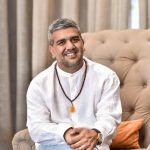
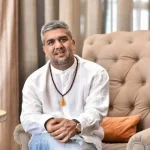
Uganda has mourned many influential figures, but few losses have cut across business, culture and national identity as deeply as those of Rajiv Ruparelia and Omukama Oyo Nyimba Kabamba Iguru Rukidi IV.
The duo came from different worlds, one destined to lead a business empire and the other born to wear a royal crown, yet their lives shared striking similarities.

Both died at just 34 years of age as they carried enormous responsibility from a young age. They became symbols of hope for a new generation of Ugandan leadership but unfortunately left behind unfinished dreams that many believe would have transformed lives for decades to come.
The two young leaders knew each other through Uganda’s circles of business, tourism and national events, where Rajiv’s work through the Ruparelia Group often aligned with King Oyo’s efforts to promote Tooro Kingdom as a tourism and investment destination. Though they served different institutions, they represented a generation determined to project Uganda with confidence both at home and internationally.
Their stories now stand side by side as painful reminders that greatness is not measured by age, but by the lives touched before time runs out.

Rajiv Ruparelia’s promising journey came to a tragic end in the early hours of May 3, 2025, when his Nissan GTR crashed into barriers on Busabala Flyover in Wakiso District before bursting into flames. The accident shocked the country, with news of his death spreading rapidly through boardrooms, government offices and homes where many had come to admire his remarkable rise as one of Uganda’s brightest young entrepreneurs.
At just 34, Rajiv had become much more than the son of businessman Sudhir Ruparelia. As Managing Director of the Ruparelia Group, he was helping steer one of East Africa’s largest privately owned business empires, overseeing investments that shaped Kampala’s skyline while creating thousands of jobs across real estate, hospitality, education and tourism.
“Rajiv believed young people deserved opportunities to dream bigger,” one of his close associates recalled during funeral tributes and described him as a leader who constantly encouraged innovation and entrepreneurship.
His leadership extended across projects including Kingdom Kampala, Pearl Business Park, Speke Resort Munyonyo, Speke Apartments, Kabira Country Club and Victoria University. Away from business, he earned admiration through motorsport and youth empowerment initiatives that inspired many young Ugandans to pursue ambitious careers.
He left behind his wife and young daughter, whose grief became a deeply personal reflection of the nation’s loss.
Barely sixteen months later, another heartbreaking announcement plunged Uganda into mourning.
Omukama Oyo Nyimba Kabamba Iguru Rukidi IV died on August 27, 2026, after battling cancer while receiving treatment in the United States. His death ended one of the most extraordinary royal journeys in modern African history and closed a chapter that had begun when he became king at just three years old after the death of his father, Patrick Kaboyo Olimi III.
Growing up before the eyes of the nation, Oyo transformed from the famous boy king into one of Uganda’s most respected cultural leaders. For nearly 31 years, he carried the responsibility of preserving Tooro Kingdom’s traditions while embracing modern ideas that connected culture with development, tourism and youth empowerment.
“King Oyo was a very good person and leader,” President Museveni said while receiving his body at Entebbe International Airport, recalling years of supporting the monarch’s education and later helping facilitate treatment abroad.
During his reign, Oyo championed environmental conservation around the Rwenzori Mountains, promoted tourism within Tooro Kingdom, advocated for HIV and AIDS awareness through international platforms and worked tirelessly to empower young people. His ability to balance centuries old traditions with modern leadership earned him admiration from world leaders, diplomats and development partners alike.
One of the most moving aspects of his final days was that many Ugandans never knew how seriously ill he had become. Those close to him later revealed that he remained hopeful of returning home to celebrate another coronation anniversary with his people, choosing dignity and privacy throughout his battle with cancer.
When his remains returned to Uganda on September 4, thousands lined roads from Entebbe through Kyegegwa to Fort Portal, waving kingdom flags and singing farewell songs as their beloved king made his final journey home. He is scheduled to be laid to rest on September 12 at the Karambi Royal Tombs, exactly 31 years after ascending the throne as a three year old child.
Although Rajiv and Oyo walked different paths, they shared something rare. Each inherited enormous responsibility long before most people discover their purpose in life. One carried the future of a business empire that transformed Uganda’s economy through investment and enterprise. The other carried the hopes of an ancient kingdom whose identity depended on preserving its culture while embracing the future.
Neither reached forty. Neither completed the work many believed would define their greatest legacy.
Rajiv was still expanding investments that promised new jobs and ambitious developments across Uganda. Oyo was still guiding Tooro Kingdom through modernization while strengthening cultural pride among younger generations. Their deaths created voids that institutions may eventually fill, but personalities that cannot simply be replaced.
These were not ordinary leaders of their generation. They carried the confidence that Uganda’s future could be built by young people who believed in service.
For countless Ugandans, the number 34 will forever carry unusual meaning. It marks the age when two extraordinary lives ended before their visions had fully unfolded. It marks two futures interrupted at their brightest moment. And it marks the painful reality that Uganda lost not simply a businessman and a king, but two gentle giants whose influence will continue shaping generations long after their voices have fallen silent.