Police in Kitagwenda District have arrested Amarakutunga Levi, a local musician and male councillor representing persons with disabilities, in connection with the brutal murder of a 4-year-old child in a suspected case of ritual sacrifice.
According to police, the child, whose identity has been withheld for privacy, disappeared on March 16, 2025, after being sent to a neighbour’s house in Nyaruhanda Village. A frantic search by family and villagers ended in tragedy when the child’s lifeless body was discovered early the next morning, abandoned in a nearby bush.
Law enforcement, supported by a K-9 unit, quickly launched an investigation. The police dog picked up a scent from the crime scene and tracked it directly to Levi’s home, located approximately 300 meters away. Officers conducting a search in the surrounding area recovered a suspected panga stained with blood about 200 meters from the location where the body was found.
Further examination of Levi’s residence revealed more incriminating evidence. Police discovered a bucket filled with water containing blood-stained clothes and observed blood stains on the wall of one of the rooms.
“The evidence collected strongly links the suspect to the gruesome crime, and investigations are ongoing to establish the full circumstances and possible motives behind the murder,” stated police.
Police have not ruled out the possibility of ritual sacrifice as a motive, citing the nature of the killing and the evidence found at the scene.
Amarakutunga Levi remains in custody as police prepare charges. Authorities have urged the public to remain calm and allow investigations to proceed, while condemning the heinous act in the strongest terms.
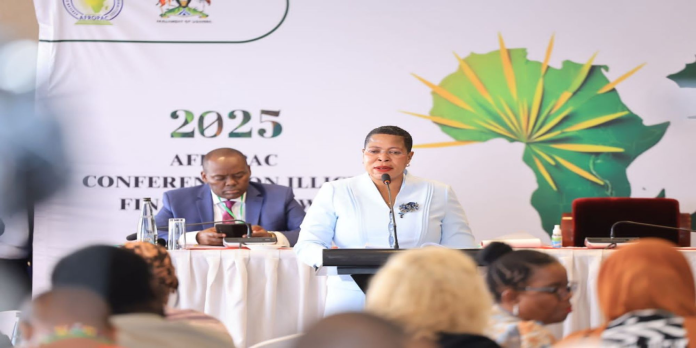
Speaker Anita Among has called for a fight against illicit financial flows where Africa is losing over US$88 billion annually. The Speaker made this call while presiding at the African Organisation of Public Accounts Committee (AFROPAC) Conference and Fifth Annual General Meeting at Golden Tulip Hotel, Kampala on Monday, 17 March 2025. “The impact of this loss has and continues to be felt by our citizenry through foregone health facilities and services, schools, roads, rural electrification and development of natural resources,” Among said. The meeting that will run until Friday, 21 March 2025 is being held under the theme, ‘Strengthening Legislative Action to Combat Illicit Financial Flows and Foster Public Financial Resilience’. She commended public accounts committees (PACs) for their contribution towards addressing economic and fiscal mismanagement but called for transparency, good governance and strong institutions, saying these will promote accountability in Africa. Speaker Among added that the Association of African Parliament Speakers will advocate for increased funding to AFROPAC. “We will take it up and we will support AFROPAC to grow so that we are able to save the money we have as Africa,” she said. AFROPAC’s Chairperson who is also the Chairperson, PAC (Central Government) of Parliament of Uganda, Hon. Medard Sseggona underscored the importance of forming collaborations in the fight against illicit financial flows. He commended the African Union, South African Development Community Organisation of PAC (SADCOPAC), West African Association of Public Accounts Committees and East African Association of Public Accounts Committees for their support. “By collaborating, we can create a united front against those who aim to illegally drain Africa’s common wealth and resources. We want to thank the incoming partner, the Global Fund, for accepting to work with AFROPAC,” he said. He said that AFROPAC is dedicated to promoting regional and continental cooperation to establish harmonised policies and take joint action. He also urged African parliaments to take bold action against illicit financial flows, calling on governments to increase funding to AFROPAC. “By the time we conclude this conference, we should have actionable resolutions that will strengthen and enhance public financial oversight and equip our countries with tools needed to effectively combat illicit financial flows,” said Sseggona. The Secretary General of AFROPAC, Hon. Mark Botomani said that ensuring that PAC recommendations are implemented by governments remains a challenge in promoting accountability in Africa. “The fight against illicit financial flows includes ensuring that public resources are harnessed to sustainable development, economic growth and wellbeing of the citizenry,” Botomani added. AFROPAC, established in 2013, is a Pan-African network of parliamentary oversight committees aiming to promote good governance, accountability, and transparency in public resource management and government operations across the African continent.
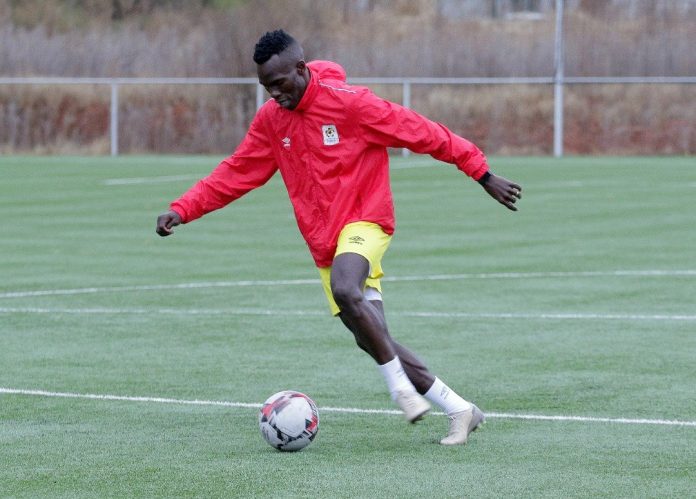
Ugandan professional footballer Emmanuel Okwi, who plays as a left winger for Rwanda Premier League club Kiyovu Sports, has announced his retirement from international football. In a statement released earlier today, the former Simba S.C. player expressed his gratitude for the opportunity to represent Uganda on the international stage, calling it a “dream come true.” He described wearing the Uganda Cranes jersey as an honor and said captaining the team was a privilege. “An exciting new era for Ugandan football is on the horizon, with East Africa set to host the CHAN tournament later this August and AFCON 2027. With many young footballers emerging, I believe this is the right time for me to step aside and pave the way for the next generation,” Okwi stated. He also extended his appreciation to fans, his family, and all the coaches who guided him throughout his career, with a special mention of Coach Bobby Williamson, who handed him his international debut. Additionally, he applauded the Federation of Uganda Football Associations (FUFA) for their leadership and support.
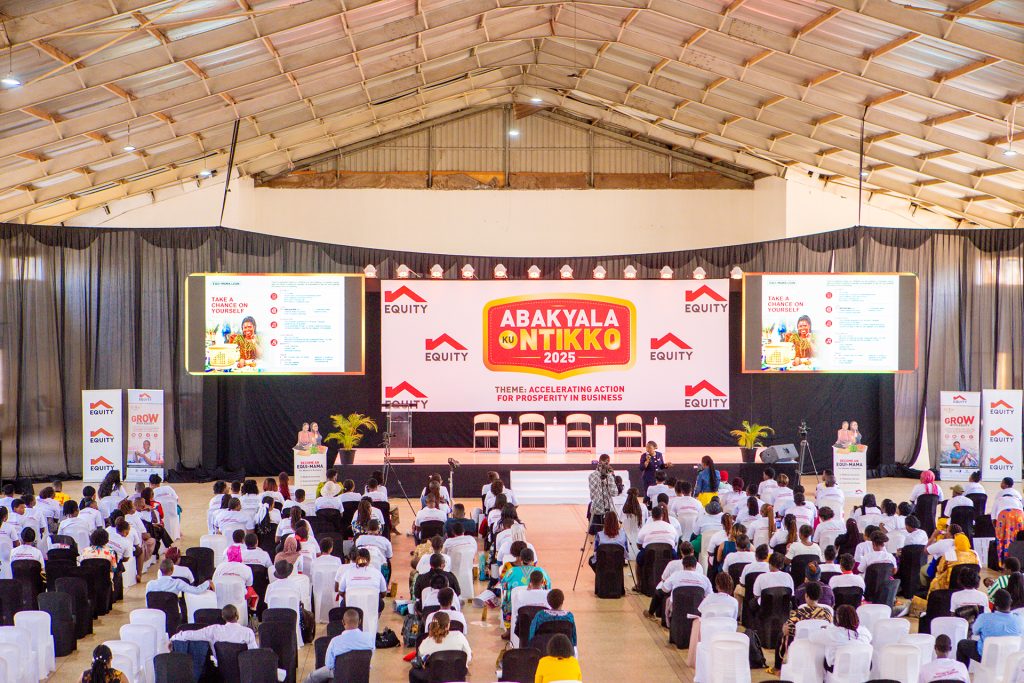
Following the resounding success of its inaugural edition in 2024, Equity Bank has launched the second edition of Abakyala Ku Ntiiko, a flagship initiative dedicated to empowering women in micro and small-scale business.
The event held in Kampala under the theme “Accelerating Action For Prosperity in Business” brought together hundreds of women entrepreneurs, financial experts and industry leaders to foster financial literacy, networking, business financing, peer mentorship and small business management.
Recognising the crucial role women play in driving economic growth, Abakyala Ku Ntiiko is designed to equip women with the necessary knowledge and resources needed to scale and thrive their businesses. Through this initiative, Equity bank continues its commitment to supporting female entrepreneurship in overcoming financial barriers and achieving sustainable growth.
Speaking at the event on Wednesday, Equity Bank Managing Director Mr Gift Shoko encouraged the women entrepreneurs to value networking.
“We believe that when women are financially empowered, they uplift families and communities as a whole,” said Equity Bank Managing Director Gift Shoko. “The second edition of Abakyala Ku Ntiiko reaffirms our dedication to providing practical solutions that drive real change for women in micro-business.”
Laura Bahemuka, Equity Bank Head of Micro Segment, highlighted the challenges women face in managing finances due to multiple responsibilities and systemic barriers such as gender discrimination.
She said Equity Bank has developed tailored products like the Equi-Mama suite to address these challenges, offering personalized financial planning, investment advice and insurance coverage, which is a preserve for a few. Additionally, the Bank provides free financial literacy training and access to unsecured financing, mentorship and networking opportunities for women.
The Equi-Mama product also includes medical insurance specifically designed for women covering maternal health, long-term illness, permanent disability and life insurance.
“One of our important target markets is women. We all know the importance of financial independence for women, it not only gives them the confidence to make their own decisions, but it also allows them to support their families and communities. However, women face unique challenges when it comes to managing their finances: they often have to juggle multiple responsibilities, including their families, businesses, careers and personal lives. In addition, they may encounter systemic barriers such as gender discrimination in their various workstations or businesses, which can make it difficult to achieve financial stability,” said Bahemuka.
One of the event’s highlights was a testimonial panel featuring women who benefited from last year’s program. Ms Jane Nalubowa, who runs about four different businesses shared: “I learned how to manage my finances better and access affordable credit. Today, my business has grown, and I am now employing more women in my community.”
According to statistics from UBOS, nearly 40 percent of small and medium-sized enterprises are owned by women in Uganda. These businesses employ millions of people and support hundreds of households.
Equity Bank recognizes the important role women have to play in a community’s development and growth. To help women in small enterprises overcome the challenges face daily, it set up credit facilities in 2021 that now support over 400,000 women and youth with free financial management training, networking opportunities, peer mentorship, insurance cover, and unsecured financing.
Under the Equi-Mama credit facility, women are encouraged to save as well as provided with financial support to grow their enterprises. Bahemuka explains that the bank uses the world-renowned notion that “women are the best savers and payers” to enroll and empower them financially as a way of transforming society.
Bahemuka says free financial literacy training has become mandatory for the youth and women. “We realized that it is not good to keep pumping our clients with money without taking them through basics such as saving, budgeting, loan management. Therefore, we participate in grooming each of them in the management of whatever business one invests in.”
Following the launch in Kampala, Abakyala Ku Ntikko events will focus on regional events in Masaka (18th March), Iganga (21st March), Lira (25th March) and Kiboga (28th March).
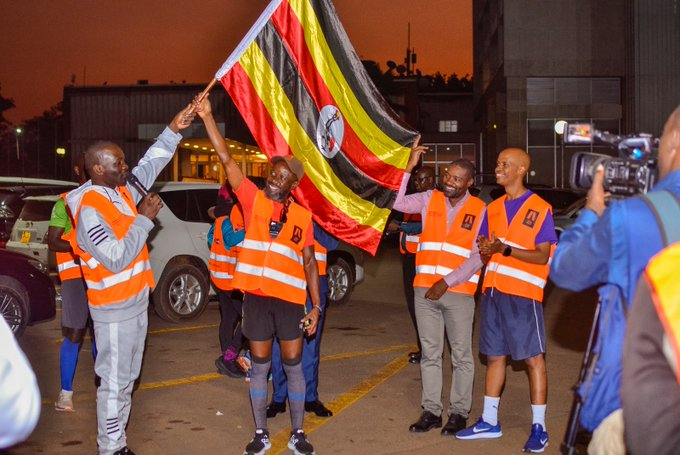
Coca-Cola Beverages Uganda (CCBU) and Joe Walker set out to raise road safety awareness with the fourth edition of the Joe Walker Road Safety Walk which began on Monday, February 24 to March 7,2025. The initiative is part of a continued partnership between CCBU and road safety advocate Joseph Beyanga, also known as Joe Walker. CCBU once again served as the official hydration partner, ensuring that participants remained refreshed throughout the journey. The walk that ended on March 7, 2025, saw Joe Walker trek from Kampala to Gulu, covering approximately 340km. This long-distance walk raised awareness about responsible road use and accident prevention, engaging communities along the route in meaningful conversations about road safety. CCBU, a subsidiary of Coca-Cola Beverages Africa, provided Rwenzori Pure Natural Mineral Water and carbonated soft drinks to keep Joe Walker and his team hydrated. Speaking about the partnership, Kirunda Magoola, Public Affairs, Communication, and Sustainability Director at CCBU, emphasised the importance of hydration during such an endeavour. “Road safety is everyone’s business, and CCBU has consistently supported this initiative because we believe in fostering safer communities. For instance, in 2022, we launched the ‘Zero is Possible’ campaign to educate staff and the public on reducing road accident fatalities and promoting a culture of safety,” Magoola said. Joe Walker expressed his gratitude for CCBU’s continued support, highlighting that their contribution has helped sustain the campaign over the years. He noted that the partnership symbolises a shared commitment to creating safer roads for all. The Joe Walker Road Safety Campaign seeks to address road safety challenges in Uganda by engaging directly with communities and advocating for safer road practices. Throughout the Kampala-Gulu walk, the team conducted school outreach programmes to educate students on road safety and responsible behaviour. Boda-Boda riders were also engaged in activities to promote safer road usage, while discussions with traffic police officers focused on collaborative efforts to improve road safety measures. The initiative also involved the painting of zebra crossings to enhance pedestrian safety and the training of drivers to encourage responsible driving habits.
The Uganda Police Force (UPF) has announced a nationwide recruitment drive to enlist 10,000 Probationer Police Constables (PPCs).
The recruitment is open to Ugandan citizens aged 18 to 25 who meet the specified qualifications, including a minimum education level of the Uganda Certificate of Education (UCE) or its equivalent.
According to the official announcement from the Ministry of Internal Affairs, candidates must have no criminal record and be prepared to undergo rigorous police training. The force seeks individuals with strong communication skills, discipline, and a commitment to upholding law and order.
To qualify, applicants must possess at least four credit passes in the UCE, including English or Mathematics. Those who sat for UCE before 2020 will not be considered. Physical and medical fitness are also essential criteria, as successful candidates will be required to work under difficult conditions, including long hours and harsh environments.
Interested candidates must submit handwritten applications addressed to the Inspector General of Police, along with certified academic documents, a national ID, and three recent passport-sized photographs. These should be delivered to the respective District/Division Police Headquarters before the deadline on March 21, 2025.
The UPF has cautioned applicants against falsifying information, warning that those caught will face disqualification and possible legal action.
Successful recruits will undergo a comprehensive Police Basic Training program before formal deployment. The Uganda Police Force encourages both male and female candidates to apply, emphasizing the importance of integrity and commitment in law enforcement.
Possession of a valid driver’s license will be an added advantage. However, individuals with criminal backgrounds or falsified documents are strongly advised not to apply.
This recruitment drive is part of the government’s efforts to strengthen security and improve community policing across Uganda.
For more details, applicants are advised to visit their local District Police Headquarters.
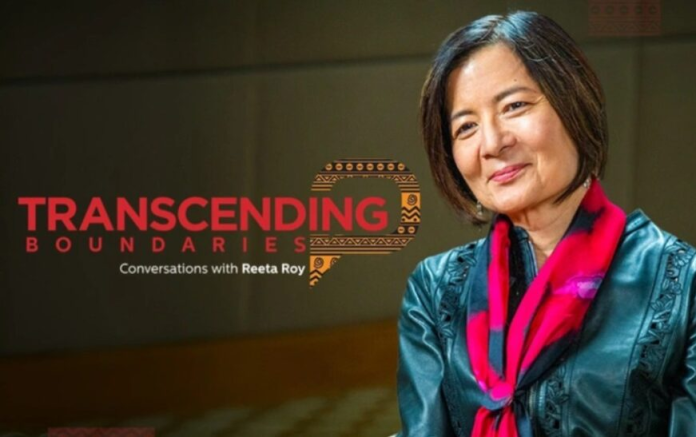
The Mastercard Foundation has announced the launch of a new podcast that seeks to challenge, motivate, and inspire the next generation to lead with purpose and to act with courage.
Transcending Boundaries – Conversations with Reeta Roy, is a compelling new series that shares the lives, leadership journeys, and insights of remarkable international leaders including former heads of state, human rights advocates, and social innovators. Hosted by Reeta Roy, President & CEO at the Mastercard Foundation, the podcast features conversations that illuminate the experiences and influences that shaped some of the world’s most inspiring changemakers.
“In my life as a leader, I have learned it is vital to begin a conversation by listening,” says Reeta Roy, President & CEO at the Mastercard Foundation.
“Through the conversations in Transcending Boundaries, we offer a rare opportunity to learn from people who have changed the course of their own lives and the world. Understanding the formative years that shaped the lives, and the journeys, of these extraordinary leaders is a source of wisdom and encouragement. We all have the capacity to be leaders and to make a difference.”
The podcast debuts with a powerful first episode featuring Nobel Laureate and former President of Liberia, the Honourable Ellen Johnson Sirleaf. A trailblazer in governance and women’s rights, President Sirleaf discusses the formative experiences that shaped her vision, the mentors who guided her, and the values that sustained her through times of challenge and triumph.
“I did have the experience of being strong in success while maintaining self-confidence in defeat,” says Sirleaf.
“My mother’s strength, in being able to provide that care, and at the same time being able to coach her children that they stayed focused on getting an education, staying in school, preparing themselves, I think therein lies my own strength of character. My own ability to forge ahead if I see there is something that will improve not only me but the society in which I live.”
Airing on March 10, 2025, Transcending Boundaries is an eight-episode weekly series that invites listeners to be part of a vital conversation on leadership, values, and transformation—that is highly relevant in today’s world. It will be available on Apple Podcasts, Spotify, YouTube, and the Mastercard Foundation’s website.
Episodes feature a distinguished lineup of guests who have made a profound impact in their fields including Former Liberian President Ellen Sirleaf, Former UN High Commissioner for Human Rights and Chief Prosecutor of the International Criminal Tribunals for the former Yugoslavia and Rwanda Louise Arbour, and Former Irish President Mary Robinson.
MTN Uganda has announced the immediate availability of new 079 numbers, following the granting of a new number range by the Uganda Communications Commission (UCC).
This expansion aims to meet the growing demand for connectivity across the country, offering more options for new customers seeking to join the MTN network.
The new 079 prefix, encompassing the range 0790000000 to 0790999999, is now part of MTN Uganda’s existing number portfolio, which includes 077, 078, 031, 039, and 076.
Customers looking to acquire a new 079 number can visit any MTN Shop or MTN Service Centre throughout Uganda. SIM cards are available for purchase at the standard price of UGX 2,000, upon presentation of a valid national identification card.
MTN Uganda has clarified that the introduction of the 079 prefix will not affect existing customers’ numbers or the quality of service they receive. All current MTN subscribers will continue to experience the company’s established network coverage and service standards.
The availability of these new 079 numbers provides customers with access to a wide range of benefits. This includes extensive network coverage across all of Uganda’s regions, access to MTN’s diverse portfolio of affordable and innovative products and services, participation in MTN’s customer loyalty programs, such as MTN Prestige and MTN Senkyu, and access to MTN Mobile Money (MoMo) services, including Pay with MoMo, Market by MoMo, and Wesotinge, for convenient financial transactions.
“The availability of new 079 numbers underscores MTN Uganda’s commitment to providing accessible and reliable communication services to all Ugandans,” stated an MTN Uganda spokesperson.
MTN Uganda, a subsidiary of the MTN Group, is a leading telecommunications provider in Uganda, serving millions of subscribers through a vast network of service centers and agents. The company offers a wide array of services, including voice, data, and financial technology solutions. The MTN Group, with operations across Africa and the Middle East, is dedicated to expanding digital access and connectivity.
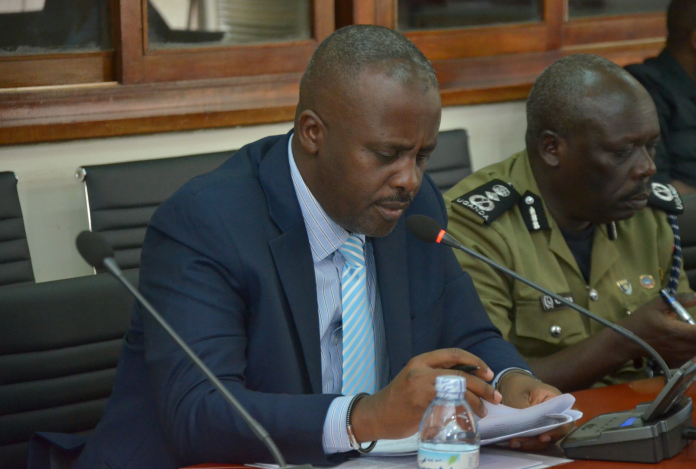
The Minister of State for Internal Affairs, David Muhoozi has condemned the dress code of officers under the Joint Anti-Terrorist Task Force (JATT), describing their practice of covering faces with hoods as “unacceptable.”
Muhoozi emphasized that enforcement officers should be identifiable while on duty.
The minister made these remarks while appearing before Parliament’s Defence and Internal Affairs Committee in response to concerns raised by Mukono North MP Abdallah Kiwanuka. The legislator questioned whether security forces had officially adopted a new dress code that involves completely covering their faces.
“It isn’t acceptable. If you are enforcing the law, you must be properly identified, and we have rules of engagement—booklets written for officers. We shouldn’t tire in our quest to ensure that we enforce the law according to the dictates of enforcement,” Muhoozi stated.
Kiwanuka further challenged the minister on the government’s failure to hold accountable JATT officers accused of brutality during the recent Kawempe by-election campaigns.
“But your communication and your stand towards these people who battered Ugandans and police officers who mask themselves, hiding their identity, you have been so low and we have not heard your communication and stand towards that. Why are they hiding? Is it part of the directives you give to them to hide their identity?” Kiwanuka asked.
The discussion stemmed from reports of police and security personnel allegedly brutalizing civilians during the by-election campaigns in Kawempe. Kiwanuka demanded to know if all officers involved had been held accountable for their actions.
In response, Senior Police Commissioner Byakagaba reassured the committee that the Uganda Police Force does not tolerate indiscipline, acknowledging that the events in Kawempe were regrettable but stressing that steps had been taken to improve law enforcement conduct.
“What I could add to this is that we don’t take any indiscipline lightly. Whatever happened, contravening the laws is regrettable. And the action you have also mentioned—the processes are already going on, and we shall not favour anybody; the law will take its course,” Byakagaba said.
He further noted that the police are making progress in addressing past mistakes: “And all this that is happening is work in progress. We shall continue improving where there are mistakes. And I think even when you allude to what is happening in Kawempe, I think from where it started is different from where it is. And that’s really a sign that we are concerned about ensuring that we do the right thing when we are mandated to do our work.”
The debate over JATT’s dress code and their alleged role in electoral violence comes amid growing calls for transparency and accountability within Uganda’s security forces.
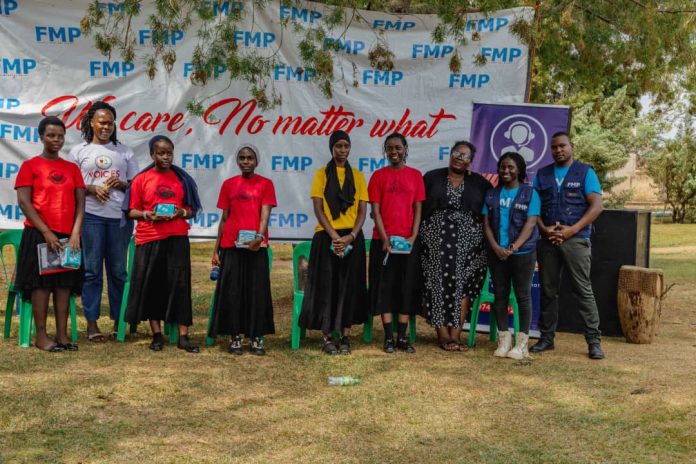
In a bid to achieve an equitable future for all, Family Medical Point has called for increased investment in the fight against teenage pregnancy. This urgent appeal was made during an outreach event at Entebbe Girls Secondary School in Kigungu, Entebbe, in commemoration of International Women’s Day. The event was held under the theme “For ALL Women and Girls: Rights. Equality. Empowerment.” Teenage pregnancy remains a significant issue in Uganda, with 25% of girls aged 15–19 having had a child or being pregnant. This is one of the highest rates in sub-Saharan Africa. Polyne Nabwire, Head of Programs at Family Medical Point, said through interactive health talks, drama skits, and music, young girls were empowered with essential sexual and reproductive health information. She noted that Uganda has struggled with persistently high teenage pregnancy rates, which have remained at 25% for two decades, according to the 2022 Uganda Demographic and Health Survey (UDHS). This issue is particularly severe in fishing communities like Kigungu, where socio-economic vulnerabilities heighten the risk of early pregnancies. Many girls in these areas face the harsh realities of unsafe abortions and school dropouts. Studies indicate that 22.3% of girls aged 14 to 18 leave school due to pregnancy. “The outreach on International Women’s Day was not just about providing information; it was about creating a safe space for young girls to ask questions, engage in meaningful discussions, and be reminded of their potential beyond societal limitations. This year’s theme underscores the urgent need to ensure that every girl, regardless of her background, has access to education, healthcare, and equal opportunities,” Nabwire stated. She further stressed that investing in girls secures a healthier and more equitable future for all. By equipping them with the right knowledge and support, society not only protects their health but also safeguards their dreams. Claire Twesigye, Programs Director at FAB’s Girls and Women, highlighted the critical role of empowered women in uplifting the next generation. “It is crucial for us, as women who have been empowered, to uplift the women of the future so they can stand up and make informed decisions. Being a school located at a landing site, students are exposed to various risks, including interactions with men at the landing site and other related vices. Through education, they gain awareness about their lives, bodies, and futures. Once they have that knowledge, they can protect themselves against teenage pregnancies and work towards a future free from bias,” she said. Esther Julie Apio, Team Leader at Voices for Health and Development, called for a reduction in taxes on sanitary towels to improve accessibility across the country. “The government should make sanitary pads more accessible by subsidizing their cost. A policy intervention would enable more girls to access pads in schools,” she suggested. She also urged young girls to maintain good hygiene during their menstrual periods to reduce the risk of infections. Namuleme Tahiya Nana, Head Prefect at Entebbe Girls Secondary School, acknowledged the increasing burden of teenage pregnancies, early marriages, materialism, poverty, permissiveness, and cultural beliefs. “Many girls from poor families struggle to afford basic needs. As young girls, we often have desires for expensive items, yet our family backgrounds may not support such aspirations. This sometimes leads us into making poor choices, including engaging in relationships that result in teenage pregnancies,” she shared. She advised young girls to abstain from sex until the right time and to stay close to their faith for guidance. “There is a time for everything. We should also pray and be religious because being closer to God helps us avoid certain temptations. As Muslims, we are taught by our parents and religious leaders that we should not engage in intimate relationships before marriage. This teaching helps us abstain from sex and avoid teenage pregnancies,” she added. “As a girl child, nowhere is completely safe, not home, school, work, or the community. At school, we have both male and female staff, and anything can happen. The only safe space is the one we create for ourselves by making responsible choices,” she noted. Florence Blessing, a senior four student at Entebbe Girls School, pointed out that illiteracy is one of the leading causes of teenage pregnancy. “When children, whether girls or boys, stay at home with nothing to do, they often engage in activities that can lead to early pregnancies. In school, we are educated about the consequences and causes of early pregnancies, so we are less likely to engage in risky behavior. However, those who lack education may not have the same awareness. Poverty also contributes to illiteracy, as many families cannot afford school fees,” she said.