Stanbic Bank
Stanbic Bank
19.2 C
Kampala
Stanbic Bank
Stanbic Bank
Home Blog Page 17

Inside Gen. Salim Saleh’s newly commissioned School of Research

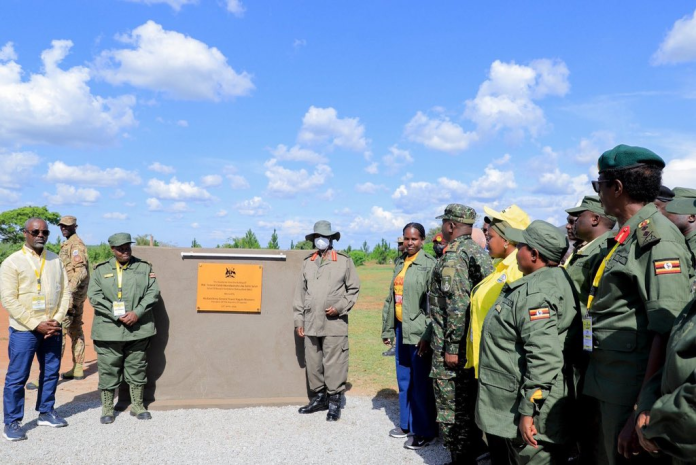
President Yoweri Museveni at the commissioning of Gen. Saleh school of research at Kyankwanzi. Gen. Saleh was represented by his daughter, Desire Muhooza (blue jeans), who doubles as Kiboga District Woman MP.

A new centre for ideological training, historical preservation and policy research is being built in Kyankwanzi, offering a glimpse into how Uganda intends to shape future leaders through structured political education and Pan-African scholarship.

The Gen. (Rtd) Caleb Akandwanaho, commonly known as Salim Saleh School of Research, commissioned yesterday by President Yoweri Kaguta Museveni at the National Leadership Institute Kyankwanzi, is a purpose-built complex designed to anchor ideological clarity, leadership discipline and intellectual inquiry within Uganda’s governance system.

The project also features the Walter Rodney Block, named after Pan-African scholar Walter Rodney, reinforcing its continental outlook.

At its core, the school brings together modern learning facilities and historical consciousness. A state-of-the-art multimedia auditorium forms the centerpiece, built to host high-level lectures, leadership retreats and international conferences. Complementing this are digital studios equipped for live broadcasting, virtual classrooms and content production, allowing the institute to extend its reach to both local and global audiences.

The facility is also being developed as a repository of Uganda’s liberation history, with curated archives, documentation centres and learning spaces dedicated to chronicling the country’s political journey from pre-independence struggles to modern statehood. These elements are intended to ground trainees in the ideological foundations of the state while connecting them to broader African liberation movements.

According to the Director of the institute, Okei Rukogota, the school is designed to go beyond conventional academic training and instead serve as a platform for shaping thought and policy direction.

“This complex will promote African culture and provide a forum for ideological struggle, complete with a modern multimedia auditorium and studios for both physical and online engagement,” he said.

Rukogota added that the institution will also host structured programmes on governance, socio-economic transformation and what he described as “Musevenomics,” linking theory to practical development models implemented across the country.

“It will be an arena for Musevenomics studies and will honour Gen. Saleh’s contribution from mobilization during the war to the practical implementation of economic transformation programmes such as SACCOs and community development initiatives,” he noted.

Beyond lecture halls and studios, the school serves as a meeting place for policymakers, researchers, and political actors to discuss issues such as regional integration, private-sector development, and service delivery across key sectors, including agriculture, health, infrastructure, and digital innovation.

At the commissioning of the project, President Museveni used the occasion to reflect on Gen. Saleh’s legacy, tracing his journey from a teenage recruit in the liberation struggle to a key figure in post-war economic initiatives.

“People like Saleh should act as good examples to you young people to show you what patriotism means and how what you do can help your country,” Museveni said.

“After the war, he became very much involved in wealth creation. He is now busy with development, working with others in areas like coffee and playing a very active role in the north,” he added, pointing to initiatives in areas such as Kapeka.

The President also used the platform to deliver a firm message on accountability, warning leaders against corruption and urging Members of Parliament to uphold integrity in public service.

“The corrupt are now in danger and will be dealt with. You cannot underestimate us. You will see what will happen,” he said.

“You in Parliament are now on the frontline. You should not accept bribes. If you have problems, come and tell us, but don’t take bribes,” he added.

On the continental agenda, Museveni reiterated the importance of unity and market integration, paying tribute to leaders such as Julius Nyerere and Benjamin Mkapa for advancing regional cooperation.

“We cannot achieve prosperity with fragmented markets, policies and infrastructure. The whole of the East African Community should move towards full integration,” he said.

Meanwhile, the Head of Public Service and Secretary to Cabinet, Lucy Nakyobe, emphasized the central role of patriotism in public service.

“Without patriotism, Uganda cannot achieve its development goals. All public servants must love their country and serve with commitment,” she said.

With its new modern technology, historical archives, and ideological training spaces, the Gen. Salim Saleh School of Research signals a deliberate effort to institutionalize political education and anchor leadership development within Uganda’s historical experience and future ambitions.

Stories Continues after ad

Uganda seeks investment partnerships and IMF support at 2026 Spring Meetings in Washington

The Ministry of Finance, Planning and Economic Development has dispatched a high-level delegation to the 2026 Spring Meetings of the International Monetary Fund and World Bank in Washington D.C., as the country aims to secure financing and attract investment to drive its long-term economic transformation agenda.

The delegation is led by the Minister of State for Finance in charge of General Duties, Henry Musasizi and will participate in the meetings running from April 13 to 18, 2026. The global gathering has drawn policymakers, government leaders, private sector actors and development partners to deliberate on economic stability, growth prospects and poverty reduction under the theme “Building prosperity through policy.”

Speaking at the engagement, the Permanent Secretary and Secretary to the Treasury, Ramathan Ggoobi, outlined Uganda’s key priorities at the high-level meetings.

“Our focus this year will be on advancing negotiations for a new Extended Credit Facility program with the IMF, and also negotiate for more concessional financing from the World Bank for our transformative projects and for financing the budget through Development Policy Operations,” Ggoobi said.

The Ugandan delegation also includes the Attorney General Kiryowa Kiwanuka and the Governor of the Bank of Uganda, Michael Atingi-Ego.

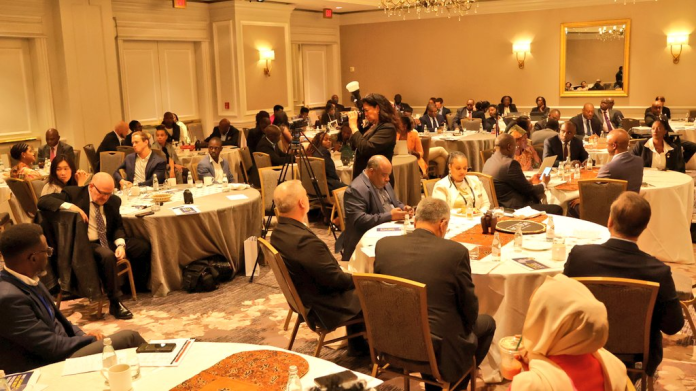
While in Washington, the team is engaging with the United States administration, the World Bank Vice President for the Africa Region, and the Director of the IMF Africa Department, Abebe Selassie. They will also participate in the Coalition of Finance Ministers on Climate Action and the second US-Uganda Business and Investment Forum.

At the investment forum held at the Ritz-Carlton Hotel, Musasizi rallied international investors to tap Uganda’s growth potential.

“It is a pleasure to be here to discuss business, investment and opportunities that would make all of us more prosperous,” he said.

The minister reaffirmed Uganda’s ambitious economic vision, stating that the country is targeting a tenfold expansion of its economy by 2040 to reach a Gross Domestic Product of 500 billion dollars.

“We want partners in investment, trade, tourism and technological upgrading to achieve this strategic goal,” Musasizi added.

He highlighted key sectors offering investment opportunities, including agro-industrialisation, tourism, minerals and the extractive industry, science and technology, as well as infrastructure development.

Ggoobi, who also addressed investors at the forum, made a strong case for Uganda as a prime investment destination.

“Uganda has been ranked the best investment destination in Africa. It has the lowest macroeconomic risk in the region but offers the highest return on investment,” he said.

“Uganda offers peace, easy taxes and a tolerable administration of justice. Our weather is among the best, and the business environment continues to improve,” he added.

He further revealed that Uganda is in advanced negotiations for a new IMF Extended Credit Facility and that relations with the World Bank have been fully restored, signaling renewed confidence among international partners.

Attorney General Kiryowa Kiwanuka echoed the government’s commitment to creating a favorable investment climate.

“Uganda is open to investment, and the environment is very favourable for both local and international investors,” he said.

Other senior officials participating in the forum include the Minister of Science, Technology and Innovation, Monica Musenero, alongside Bank of Uganda Governor Michael Atingi-Ego who are engaging American investors on opportunities within Uganda’s innovation and financial sectors.

The engagements come at a time when Sub-Saharan Africa’s economic recovery is slowing, according to the World Bank’s April 2026 Africa Economic Update, which cites global shocks, rising debt burdens, and structural challenges as key constraints on growth.

Against this backdrop, global leaders at the Spring Meetings are exploring practical policy and investment solutions to spur job creation, unlock private sector capital, and accelerate development across critical sectors, including energy, agriculture, health, water, and digital infrastructure.

Stories Continues after ad

Gov’t seeks Shs100b to operationalise Lubowa Hospital as completion set for December 2026

Lubowa Hospital, which has consumed close to a trillion shillings without completion.

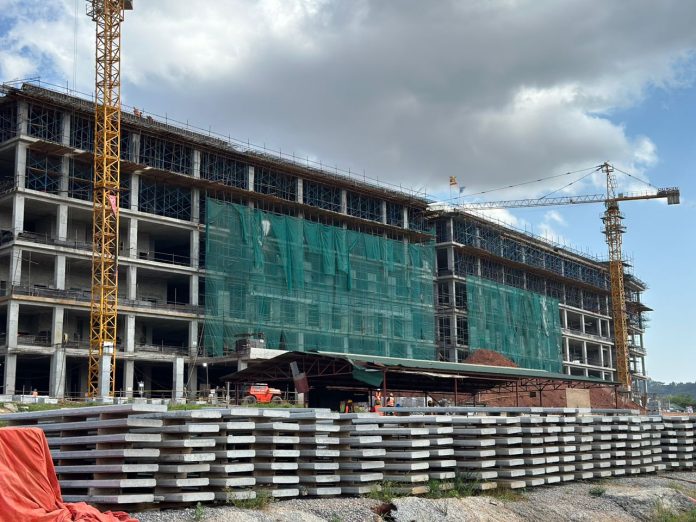
The Government has unveiled plans to spend Shs100 billion to operationalise the International Specialised Hospital Lubowa as construction advances toward completion scheduled for December 2026.

Health Minister Jane Ruth Aceng told Parliament that the facility is currently at 70 percent completion, with major structural works already done.

The minister noted that the Shs100 billion being sought will cater for recruitment of staff, procurement of specialised medical equipment and establishment of systems required to run the facility as a high-level referral hospital.

“Lubowa Hospital has not yet been completed. It is now at 70 percent. The shell is complete, roofing was done and plastering is ongoing,” Aceng said.

She explained that the remaining phase involves finishing works and preparations to ensure the hospital becomes functional immediately after completion.

“We are now doing final touches. That is why we need funding for operations, and it is important to plan early because by December this year, it will be complete and we need to start operationalisation,” she added.

However, Bukomansimbi North MP Christine Nandagire questioned the hospital’s status, pointing out that it does not appear on the official list of government health facilities.

“The hospitals and all the institutions under the Uganda government were listed here, but I am not seeing Lubowa Hospital. So I remain concerned,” Nandagire said.

She added, “It has had different budgets over the years. I want to know whether it is fully constructed, whether it is a government or private hospital, and what level it falls under.”

The Lubowa project is being implemented by Finasi Roko Construction SPV Limited under a government arrangement aimed at establishing a specialised medical facility to reduce the cost of treatment abroad.

Government committed about $379 million, approximately Shs1.4 trillion, toward the construction and equipping of the hospital, making it one of the largest health infrastructure investments in the country.

Once completed, the facility is expected to offer advanced specialised services and strengthen Uganda’s national referral system.

Stories Continues after ad

Lira High Court sentences man to 40 years for murder of ENT specialist Dr. Wilfred Olila

LIRA — The High Court in Lira has sentenced a 32-year-old man to 40 years in prison for the murder of Dr. Wilfred Olila, a senior Ear, Nose, and Throat (ENT) specialist and lecturer.

Paul Mugerwa, a resident of Mbale, was arrested alongside several other suspects in connection with the killing. He pleaded guilty to charges of murder and aggravated robbery and was, on March 3, convicted on his own plea of guilt.

Appearing before Lady Justice Sarah Birungi Kalibbala on Monday, April 13, Mugerwa was sentenced to 40 years for murder and 20 years for aggravated robbery.

Delivering the sentence, Justice Kalibbala emphasized the seriousness of the offence, saying, “This court must send a clear message that violent crimes resulting in loss of life will attract severe punishment.”

She added that although the accused pleaded guilty, “the gravity of the offence and the manner in which it was committed cannot be ignored.”

According to police investigations, the killing was linked to a violent robbery in which the doctor was lured, abducted, and later killed. The East Kyoga Regional Police Commander, Damalie Nachuha, described the brutality of the crime, noting that “his hands and legs were tied and dried blood covered his face,” adding that “a blood-soaked bandage wrapped around his head indicated severe trauma.”

Authorities said multiple suspects were arrested during joint security operations. Lira Resident City Commissioner Lawrence Egole confirmed the arrests, stating, “So far we have people in custody in connection to the death of the doctor, and investigations are ongoing.”

The Uganda Medical Association (UMA) condemned the killing, describing it as a major loss to the country’s health sector. In a statement, the association said, “This act of brutality against health workers is a grave injustice.”

UMA President Dr. Herbert Luswata also urged swift action, saying, “We request the police to expedite investigations and bring the perpetrators to justice.”

Defense lawyers had asked the court for leniency, arguing that Mugerwa was remorseful and had pleaded guilty early.

The court ordered that the sentences will run concurrently, with the time Mugerwa spent on remand to be deducted.

Dr. Olila’s murder shocked the Lango sub-region and the wider medical community, where he was widely respected as a dedicated specialist and mentor.

Stories Continues after ad

IGG orders 22 Jinja officials to refund Shs33m misappropriated funds

IGG, Justice Aisha Naluzze Batala.

The Inspectorate of Government has directed 22 officials from Jinja City to refund Shs33,075,000 that was found to have been misappropriated during the execution of official duties.

In a press statement issued today, 13, the anti-corruption body said investigations by its Jinja regional office established that the officials received funds to carry out activities but failed to provide evidence that the work was ever done.

“The officials are supposed to deposit the money into the Inspectorate of Government Assets Recovery account held in the Bank of Uganda. Any official who fails to comply with this directive will be prosecuted,” the statement reads.

According to the findings, the directive has been issued to individual officers and copied to the Town Clerk for enforcement, following a probe that uncovered misuse of public funds meant for official assignments.

Those implicated include Mr Nasser Asiraf, Mayor, Southern Division, who is required to refund Shs1,735,000, Mr Christopher Baliraine, Senior Assistant Town Clerk, Southern Division, Shs4,450,000, Mr Richard Kirya, Councillor, Southern Division, Shs1,040,000, Ms Agnes Auma, Councillor, Southern Division, Shs1,040,000, Ms Grace Apio Julu, Councillor, Southern Division, Shs1,040,000, Mr Rogers Anjoga, Councillor, Southern Division, Shs1,040,000, Mr Ali Ndaza, Councillor, Southern Division, Shs1,040,000, and Mr Innocent Ochimwa Otinga, Councillor, Southern Division, Shs1,040,000.

Others are Mr Benard Kintu, Senior Internal Auditor, Shs660,000, Ms Angella Baligeya, Senior Community Development Officer, Southern Division, Shs645,000, Ms Phoebe Monica Kwegala, Probation and Social Welfare Officer, Southern Division, Shs3,840,000, Mr Musa Waiswa, Accountant, Southern Division, Shs1,500,000, Ms Monica Kisakye, Office Attendant, Southern Division, Shs400,000, and Ms Prossie Nanangwe, Senior Assistant Accountant, Southern Division, Shs3,075,000.

The list also includes Ms Lillian Babirye, Councillor, Southern Division, Shs750,000, Ms Beatrice Achieng, Councillor, Southern Division, Shs750,000, Mr Nathan Mwanja, Internal Auditor, Shs660,000, Ms Juliet Najjaga, Principal Internal Auditor, Shs1,060,000, Ms Esther Kwenala, Stenographer Secretary, Southern Division, Shs4,060,000, Ms Joy Kasowole, Deputy Town Clerk, Southern Division, Shs1,750,000, Mr Faruwa Kitakule, Councillor, Southern Division, Shs750,000, and Ms Maria Babirekere Kasasa, Deputy Mayor, Southern Division, Shs750,000.

The IGG noted that although the implicated officials acknowledged receiving the funds and, in some cases, requested facilitation, there was no accountability to justify the expenditures.

“The money was unaccounted for, contrary to Regulations 123 (7) (c) of the Local Government Financial and Accounting Regulations, 2007 which states that any public officer who fails to account for council funds without any reasonable excuse commits an offence,” the statement adds.

The IGG emphasized that recovery of the funds is a priority and warned that failure to comply will attract legal action as part of broader efforts to enforce accountability in local governments.

For compliance, the officials have been instructed to remit the funds through the designated account at the Bank of Uganda as enforcement measures continue.

Stories Continues after ad

World Coffee Research, UNIDO launch Shs3.4b drive to boost Uganda’s coffee seed systems

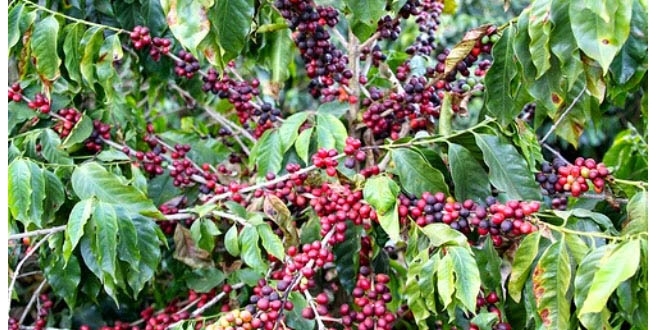
Uganda Coffee.

The United Nations Industrial Development Organization (UNIDO) and World Coffee Research (WCR) have announced a Shs3.4 billion co-investment to strengthen Uganda’s coffee seed systems, improve farmer livelihoods and support long-term sustainability.

The initiative, implemented under the Advancing Climate-Resilience and Transformation in African Coffee Programme (ACT), brings together a coalition of partners including the Lavazza Foundation, The J.M. Smucker Company and JDE Peet’s, alongside funding from Italian Cooperation.

The three-year project aims to expand access to high-quality planting materials, creating new pathways for delivering improved coffee seedlings to farmers. The effort is expected to boost productivity and resilience across Uganda’s coffee sector, the largest exporter in Africa.

The programme aligns with Uganda’s national target of producing 20 million bags of coffee annually by 2030. However, farmers continue to face major challenges from diseases such as coffee wilt disease (CWD) in robusta, as well as coffee leaf rust and coffee berry disease in arabica varieties. Research indicates that adopting CWD-resistant varieties can increase smallholder profits by up to 250 per cent, helping secure livelihoods and sustain the value chain.

The initiative builds on a recently launched roadmap for priority investment in coffee research and development (R&D) and seed systems, led by the National Agricultural Research Organisation (NARO) and the National Coffee Research Institute (NaCORI) in collaboration with WCR.

Under the programme, partners will focus on strengthening Uganda’s seed system infrastructure through several key interventions. These include expanding access to resilient coffee varieties by establishing robusta mother gardens and nurseries across northern, central and western regions. The facilities are expected to produce up to 460,000 high-yielding, CWD-resistant robusta trees annually, including the use of grafting onto liberica rootstock to improve drought tolerance in northern Uganda.

Efforts will also be made to ensure genetic purity by genotyping more than 5,000 robusta mother plants, giving farmers confidence in the performance and resilience of new planting materials.

In addition, the project will strengthen local capacity through collaboration with government agencies, including the Ministry of Agriculture, Animal Industry and Fisheries, to train technicians in quality assurance and advanced propagation techniques. This will include international training at leading centres such as Cenicafé in Colombia.

Demonstration plots for improved robusta lines and advanced arabica hybrids will also be established to showcase performance and encourage farmer adoption.

The public-private partnership builds on years of work by WCR in Uganda aimed at improving farmer access to quality planting materials and securing future coffee supply.

Andrea De Marco, UNIDO Programme Manager and Partnership Advisor, said the initiative highlights the power of collaboration in unlocking Uganda’s coffee potential.

“Through the ACT Coffee Programme, UNIDO is working to ensure that innovations in seed systems and climate-resilient varieties reach the smallholder farmers who need them most, laying the foundation for a productive, sustainable and equitable coffee sector,” he said.

Veronica Rossi of the Lavazza Foundation said the project reflects a long-term commitment to supporting coffee-growing communities through science and innovation.

“Investing in seed systems means empowering farmers with high-quality, resilient planting material and contributing to a more sustainable future for the coffee sector,” she said.

Dr Jennifer “Vern” Long, Chief Executive of World Coffee Research, said the initiative demonstrates the importance of collective action in addressing global challenges facing the coffee industry.

“This commitment by WCR member companies, alongside UNIDO, validates the power of collaboration to de-risk key coffee-producing regions and secure the future of quality supply,” she said.

Stories Continues after ad

PSST Ggoobi urges NRM leaders to prioritise accountability and effective programme implementation

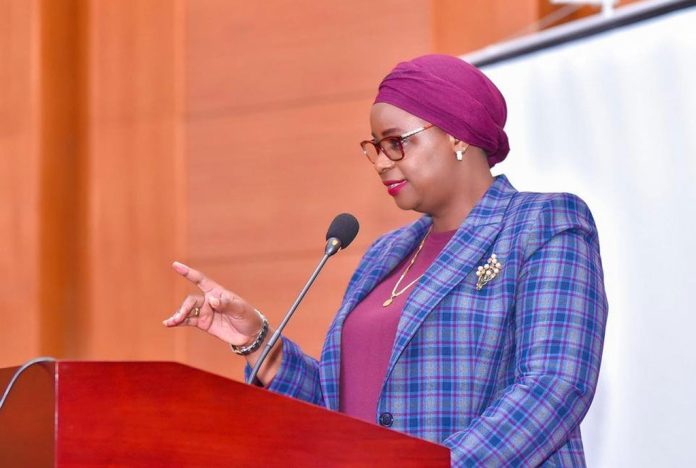
Permanent Secretary and Secretary to the Treasury, Ramathan Ggoobi.

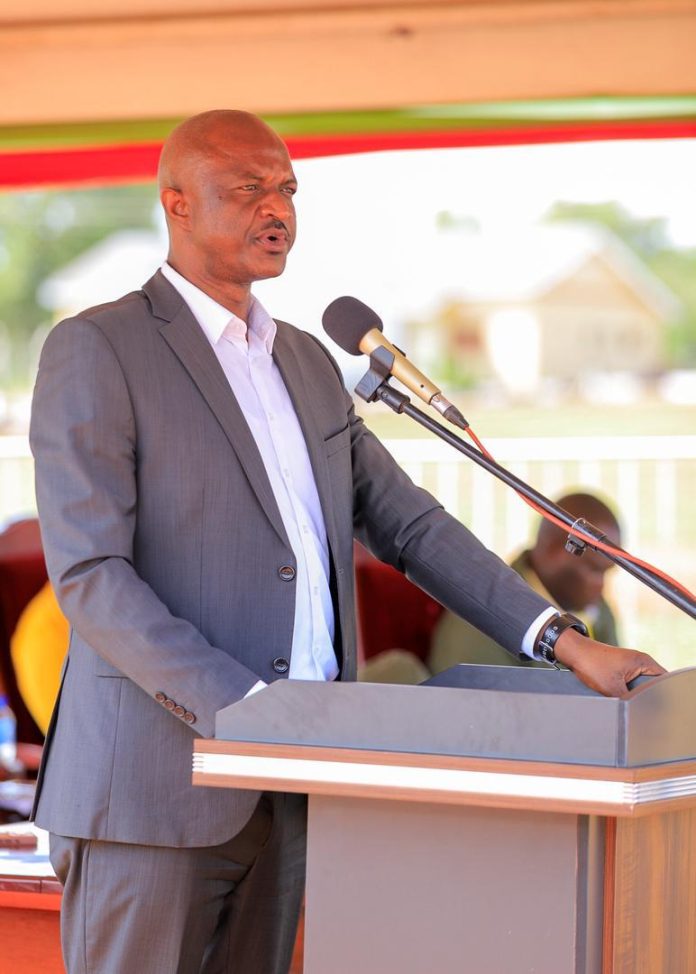
The Permanent Secretary and Secretary to the Treasury, Ramathan Ggoobi, has called on political leaders to take a more active and responsible role in driving Uganda’s socio-economic transformation, urging them to prioritise accountability and effective implementation of development programmes.

Speaking during the Leaders’ Retreat for the current and incoming National Resistance Movement parliamentary caucuses at National Leadership Institute last Friday, Ggoobi cautioned leaders against engaging in what he described as “budget games,” instead encouraging them to strengthen existing legal frameworks to accelerate national progress.

“Prioritise, consolidate, or even enhance infrastructure development as well as other enablers of the tenfold. Enhance public scrutiny over development projects and set an example of incorruptibility to other Ugandans,” Ggoobi said.

The retreat, held under the theme The Political Economy of Musevenomics, Infrastructure as the strategic enabler, and the role of Parliament, focused on aligning political leadership with Uganda’s long-term economic ambitions.

Ggoobi emphasised that political leaders must ensure that every household in their constituencies is actively engaged in wealth creation activities, describing this as critical to achieving inclusive growth.

He underscored the central role of infrastructure in economic transformation, noting that Uganda has made significant investments over the past decade.

“Infrastructure is the bone marrow of the economy,” he said.

He added that since 2015, Uganda has borrowed about $20.07 billion, approximately Shs75 trillion, from external lenders to finance development programmes.

He explained that about 80 percent of these funds, equivalent to 16.06 billion dollars, were channelled into infrastructure projects including roads and bridges, energy, railways, airports and water transport.

Ggoobi further revealed that, in addition to external borrowing, the government has invested 31.54 trillion shillings from domestically mobilised revenue into infrastructure development over the past ten years.

He pointed to notable progress in the sector, saying the length of paved national roads has more than doubled from 3,121 kilometres in the 2012/13 financial year to 6,850 kilometres in the 2024/25 financial year. Electricity generation capacity has also grown significantly, rising from 595 megawatts in 2010/11 to 2,050 megawatts.

Looking ahead, Ggoobi said the government has further increased allocations in the 2026/27 financial year, with Shs8.8 trillion earmarked for roads and Shs2.1 trillion for electricity.

“The size of the economy has rapidly expanded to $68.4 billion from $9.8 billion in 2005/06. That is sevenfold growth in 20 years,” he said.

He urged leaders to match these investments with strong oversight and integrity to ensure that Uganda fully realises the benefits of its development agenda.

Stories Continues after ad

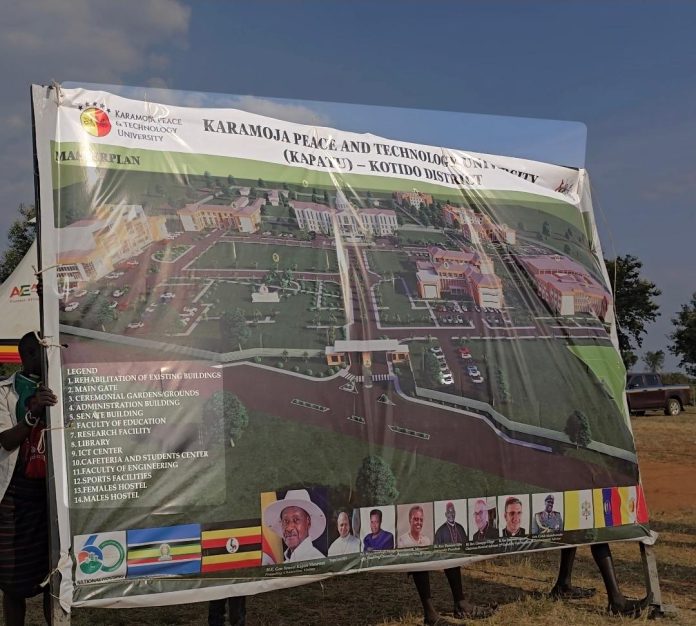
KAPATU promoters dismiss NCHE claims, say Karamoja University project meets all requirements

Promoters of the Karamoja Peace and Technology University (KAPATU) have strongly dismissed claims by the National Council for Higher Education (NCHE) that the project has stalled, describing the allegations as false and misleading.

In a detailed response, KAPATU officials said remarks made by NCHE Executive Director Mary J. N. Okwakol before Parliament’s Education Committee last week were intended to undermine the establishment of the institution.

“The promoters of KAPATU take very strong exception to these false allegations that are deliberately designed to mislead H.E. the President of Uganda, Parliament, the NCHE and all stakeholders,” the statement reads.

Prof. Okwakol had told legislators that the university project had stalled after failing to meet accreditation requirements, citing governance concerns and alleging that the Catholic-founded initiative had resisted applying for private university status.

However, KAPATU promoters insist the project is fully compliant with the law and has met all conditions set under the Universities and Other Tertiary Institutions Act.

“The establishment of KAPATU is in strict compliance with the provisions of the law, and the promoters have fully complied with the conditions set out in the Letter of Interim Authority issued by NCHE,” the statement adds.

The promoters further revealed that substantial financial and infrastructural investments have already been secured to support the university’s launch.

“For avoidance of doubt, the promoters have mobilised enough funds, including Shs30 billion donated by H.E. the President, and secured commitments from international development partners worth over Shs1.2 trillion for infrastructure and water provision in Karamoja,” the statement notes.

They added that the university already has essential facilities in place, including a functional library, lecture halls, staff accommodation, security systems, and more than 150 acres of land for expansion.

“This by far exceeds the minimum requirements set out under the law for establishment of a private university. As a matter of fact, no university in Uganda has ever started with these resources,” the promoters said.

KAPATU also rejected claims that it had refused to apply for private university status, clarifying that it formally applied for a provisional licence as a private institution in October 2025 and has since undergone verification by NCHE.

“It is therefore disingenuous… to state before Parliament that KAPATU has refused to become a private institution,” the statement says.

On the role of the Catholic Church, the promoters maintained that its involvement is lawful and protected under both Ugandan legislation and Canon Law.

“Section 27 of the Act permits the Catholic Church to participate in founding a university. It is therefore wrong to suggest that the Church is prohibited by law from acting as a foundation body,” they said.

The statement also defended the appointment of Yoweri Kaguta Museveni and Jessica Rose Epel Alupo as founding Chancellor and Deputy Chancellor respectively, saying their roles are legally sound and beyond the jurisdiction of NCHE.

“There is no legal impediment to these appointments under any law, and the positions are non substitutable,” the promoters stated.

KAPATU leaders accused some actors within government institutions of attempting to frustrate the project.

“The false allegations… fit in a deliberately calculated pattern of distortion by some actors… aimed at failing all efforts towards the realisation of the first ever university in Karamoja Region,” the statement adds.

Stories Continues after ad

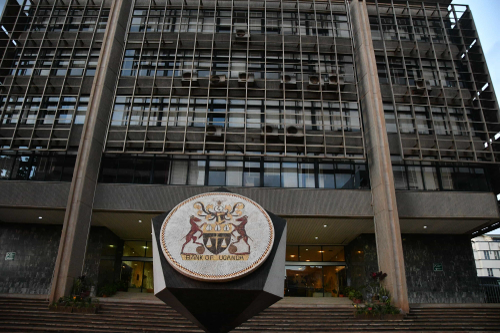
BoU targets Shs990b from fresh Treasury bond auction offer

The Bank of Uganda has scheduled a Treasury bond auction worth Shs990 billion on April 15, 2026, as government steps up efforts to mobilise domestic financing and draw in long-term investors.

The sale will be conducted in line with the Public Finance Management Act and will reopen three existing bond tenures, providing a blend of medium and long-term investment opportunities.

Details from the central bank show that Shs230 billion will be offered under a three-year bond carrying a 15.55 percent coupon and maturing on July 6, 2028. A 10-year paper valued at Shs330 billion will attract a 16.25 percent coupon and mature on November 8, 2035, while a 20-year bond worth Shs430 billion will carry a 15.00 percent coupon with maturity set for June 18, 2043.

The issuance highlights the government’s continued dependence on domestic borrowing to fund its budget, while at the same time expanding the country’s capital markets.

Long-term investors are expected to find the longer tenures more appealing due to favourable tax treatment. The three-year bond is subject to a 20 percent withholding tax, whereas the 10-year and 20-year instruments attract a reduced rate of 10 percent, a factor likely to draw interest from pension funds and other institutional investors seeking steady returns.

Participation in the auction will follow strict guidelines set by the central bank. Competitive bidding has been rest,ricted to eight licensed Primary Dealer Banks, namely Absa, Citi, Centenary, DFCU, Equity, Housing Finance, Stanbic and Standard Chartered, with a minimum bid of Shs200.1 million. Other commercial banks and individual investors can take part through the Central Securities Depository under non-competitive bidding, with a minimum investment of Shs100,000 and a cap of Shs200 million per tenure.

Successful bidders will receive allocations at a uniform price based on the lowest accepted price per 100, which corresponds to the highest accepted yield.

The auction is set for April 15, 2026, with settlement expected a day later. Bids must be submitted by 10:00am on the auction day, although the central bank reserves the right to revise the amount on offer or reject applications depending on prevailing market conditions.

There is an anticipation of strong uptake, particularly for the longer-dated bonds, attractive yields and limited alternative long-term investment options. 

The move comes at a time when government borrowing remains elevated, with Treasury bonds continuing to play a key role in financing the fiscal deficit while offering relatively secure investment avenues.

Stories Continues after ad

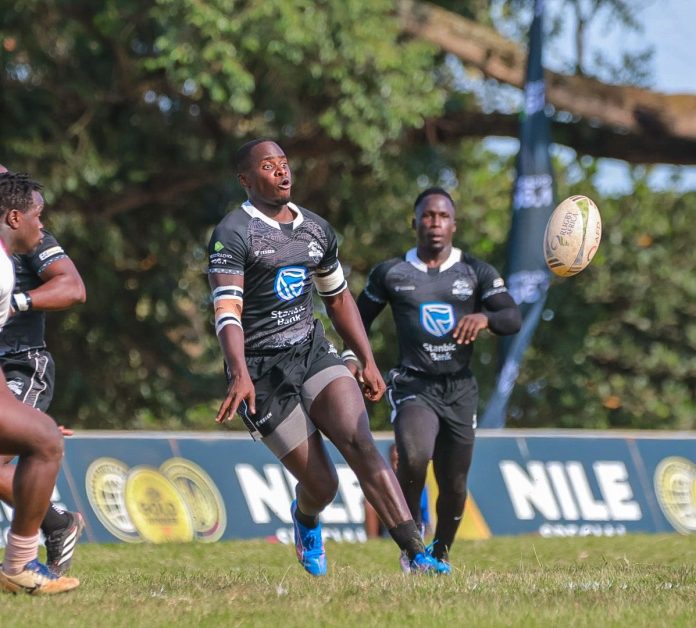
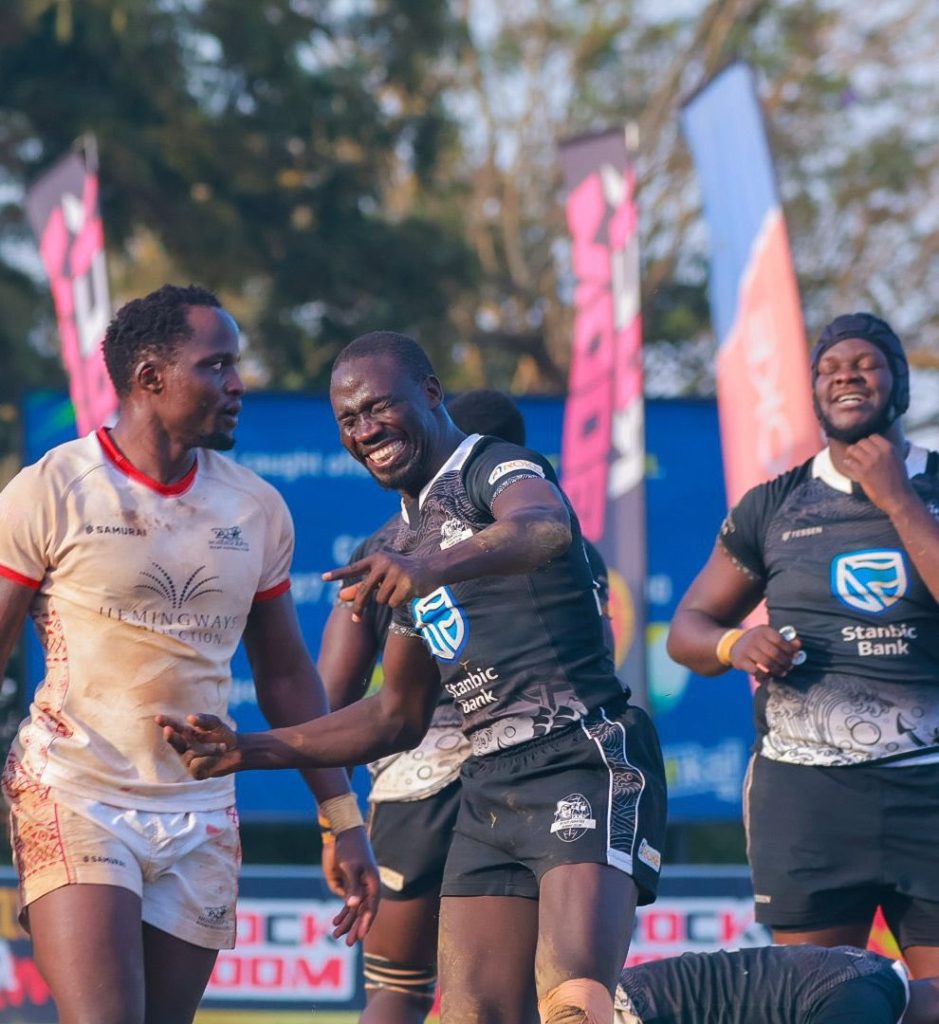
Stanbic Black Pirates win Nondescripts to book first-ever Enterprise Cup final spot

KAMPALA — Stanbic Black Pirates Rugby Club delivered a spirited performance to defeat Nondescripts RFC 20-17 at Kings Park Arena on Saturday, securing a historic place in the Enterprise Cup final for the first time.

The semi-final clash drew massive support from Ugandan fans, who turned up in large numbers to rally behind their side, now the country’s sole representatives in the competition following the earlier elimination of Heathens Rugby Club and Kobs Rugby Club.

Nondescripts made an early statement, taking the lead in a tightly contested opening half and momentarily unsettling the hosts. However, the Pirates responded with resilience, leveling matters at 10-10 just before halftime after a crucial conversion by William Nkore.

The hosts returned for the second half with renewed intensity, launching wave after wave of attack. Standout performances from Conrad Wanyama, Frank Kidega, Desire Ayera and Alex Aturinda powered the Pirates into a commanding position, igniting the home crowd.

Tactical decisions by head coach Mervin Odongo also proved decisive. The introduction of Haruna Muhammad and Umar Duff added fresh energy and attacking impetus, helping the Pirates edge ahead in the closing stages.

By the final whistle, the Pirates had sealed a narrow but significant 20-17 victory, confirming their progression to the final of one of the region’s most prestigious rugby tournaments.

They will now face Kabras Sugar RFC, who booked their place in the final after defeating Menengai Oilers 29-18 in the other semi-final. The final is set to take place in Nairobi.

Speaking after the match, Stanbic Bank Executive Director Sam Mwogeza described the victory as a deserved milestone that reflects both the club’s determination and the bank’s commitment to growth.

“As a bank committed to fostering Uganda’s growth, seeing clubs like Stanbic Black Pirates rise from mere participation to reaching the finals is something we deeply associate with. It reflects the drive needed to support socio-economic transformation, especially among women, youth, and farmers,” Mwogeza said.

This marks the first time the Black Pirates have reached the Enterprise Cup final, underlining their steady rise in regional rugby and their growing reputation as a competitive force.

Coach Odongo expressed confidence ahead of the decisive clash, emphasizing the team’s readiness to compete at the highest level.

“After this step, we are going for the finals and we are ready for the showdown. We know the team we are facing is strong; they are winners of their national league, but Pirates are not just going to participate. We are going to give our best,” he said.

He added that the team will not only represent the club, but also carry the hopes of the entire nation into the final.

Stories Continues after ad