Stanbic Bank
Stanbic Bank
18.4 C
Kampala
Stanbic Bank
Stanbic Bank
Home Blog Page 21

Ggaba Killings: Police submit case file to DPP, await guidance on charging suspect

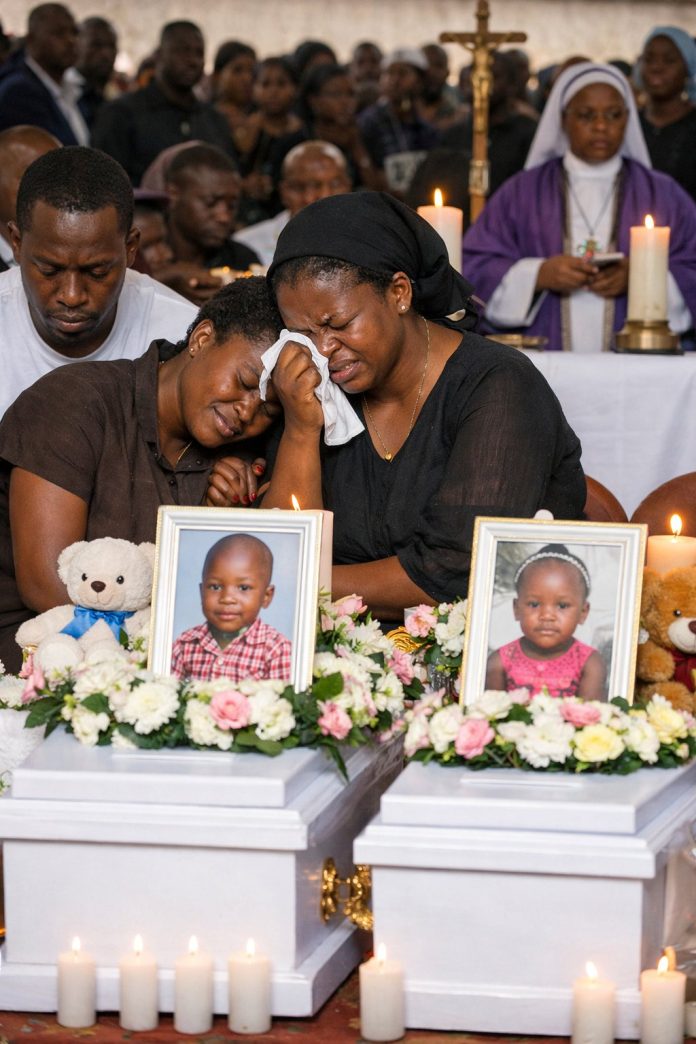
Police have submitted the case file on the Ggaba murder investigation to the Director of Public Prosecutions (DPP), paving the way for the prosecution of the suspect accused of killing four toddlers in Kampala.

Police spokesperson, Kituuma Rusoke said investigators intend to arraign the suspect, Christopher Okello Onyum, but will first await guidance from the DPP on how the case should proceed.

“We have submitted the file and now await guidance from the DPP. Our intention is to have the suspect arraigned in court. Our ultimate objective is to ensure that the victims get justice and that the perpetrator is held accountable,” Rusoke said.

Okello, who remains in police custody, is accused of fatally attacking children at Ggaba Early Childhood Development Centre in Makindye Division on April 2, 2026, in an incident that left four dead and shocked the community.

As investigations continue, detectives have begun examining the suspect’s personal history, including information indicating that he previously lived in the United States before returning to Uganda. Authorities are also assessing reports related to his mental health, with officials saying this will be subjected to professional review as part of the case.

Rusoke further revealed that police are following up on additional claims that have emerged during the investigation, as part of efforts to build a comprehensive case.

“Our teams are looking into all information that has come up in the course of the investigations. We want to ensure that no detail is left out and that justice is fully served,” he said.

According to Kampala Metropolitan Police spokesperson Racheal Kawala, preliminary findings indicate that the suspect had earlier visited the school seeking admission for his child but was advised to return later. He reportedly came back, paid the required fees, and shortly afterwards carried out the attack.

“We confirm a tragic incident where a male suspect stabbed and killed four juveniles at the school,” Kawala said.

The victims have been identified as Ryan Odeke aged one and a half years, Gideon Eteko aged two and a half years, Keisha Elungat aged two, and Ignatius Sseruyange aged two.

Police said ten other children who were in the same classroom at the time were safely reunited with their parents.

The bodies were taken to Mulago City Mortuary for postmortem examination as investigations into the motive behind the killings continued.

Earlier, President Yoweri Museveni directed the Judiciary to fast-track the trial of the suspect and ordered that proceedings be conducted within the community to allow residents to witness justice being served.

Museveni also offered Shs10 million to each of the families of the dead toddlers as condolences which was delivered by State minister for children and youth affairs, Balaam Barugahara. 

The suspect remains in custody as police continue with inquiries while awaiting direction from the DPP.

Stories Continues after ad

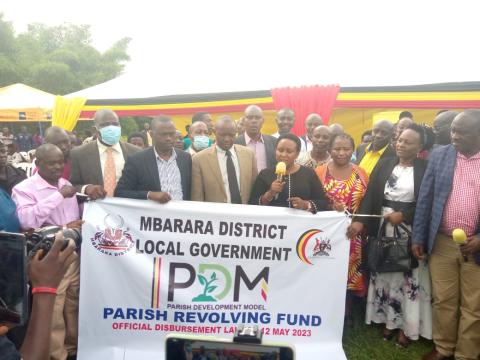
Mbarara orders PDM beneficiaries to begin loan repayments after grace period ends

Authorities at Mbarara City Council have directed beneficiaries of the Parish Development Model (PDM) to begin repaying funds received under the government program, following the expiry of the agreed grace period.

In an official communication dated March 27, 2026, Justine Barekye, the City Town Clerk of Mbarara City instructed division town clerks and other local leaders to mobilize beneficiaries to start honoring their loan obligations.

“The first PDM loans were issued in December 2022 and as guided by Cabinet, the grace period of 24 months for the loans in this category has since elapsed,” Barekye stated in the notice.

She emphasized the need for immediate action by local authorities to ensure compliance, noting that beneficiaries must begin remitting their installments without further delay.

“With the above background, this is to therefore request you to mobilize and remind beneficiaries in this category to begin paying their loan installments,” the letter reads in part.

The directive further clarified that all repayments must be channeled through the respective PDM SACCO WENDI accounts, under the guidance of the City Commercial Officer.

“All loan repayments MUST be made to the respective PDM SACCOs WENDI accounts as guided by the City Commercial Officer,” Barekye added.

Copies of the letter were shared with key city officials, including the Resident City Commissioner, the Mayor, division mayors, and parish-level leaders, underscoring the urgency of enforcing compliance across all administrative levels.

Launched in 2022, the Parish Development Model is a flagship initiative by the Government of Uganda aimed at transitioning households from subsistence living into the money economy. The program provides financial support through parish-based SACCOs to boost income-generating activities.

In Mbarara City, the program has supported ventures such as poultry farming, piggery, and small scale baking, contributing to improved household incomes. However, authorities acknowledge ongoing challenges, including limited funding in the face of rising demand.

To date, the city has received approximately Shs 7.56 billion under the program, disbursed to 23 SACCOs and benefiting more than 7,000 households.

The repayment phase is critical to sustaining the revolving fund and enabling more beneficiaries to access financing under the program.

The two-year grace period for repayment of the Parish Development Model (PDM) loans expired in March 2026 with individuals subscribing to different PDM SACCOs were directed to make repayments within the next one year.

This revelation was made by the State Minister for Luwero Triangle and National Coordinator for the PDM, Hon. Dennis Galabuzi while appearing before the Public Accounts Committee (Central Government) on Tuesday, 03 March 2026.

“The first batch of money was disbursed in the financial year 2022/2023 because in 2021/2022, there were issues with the money so we more or less discounted it. We are currently reminding parish chiefs and everyone involved in supervision of PDM to sensitise the public on this,” Galabuzi said.

According to the Auditor General’s report, the communication on guidelines for payment of the Parish Revolving Fund (PRF) is at final draft level and yet to be disseminated.

“I advised the accounting officer to prioritise the roles and responsibilities of the high-level policy committee and the inter-institutional PDM technical committee and ensure proper documentation of resolutions and action points,” reads the Auditor General’s recommendation.

Stories Continues after ad

Uganda unveils Shs905b AFCON 2027 plan, waives visa fees for tournament visitors

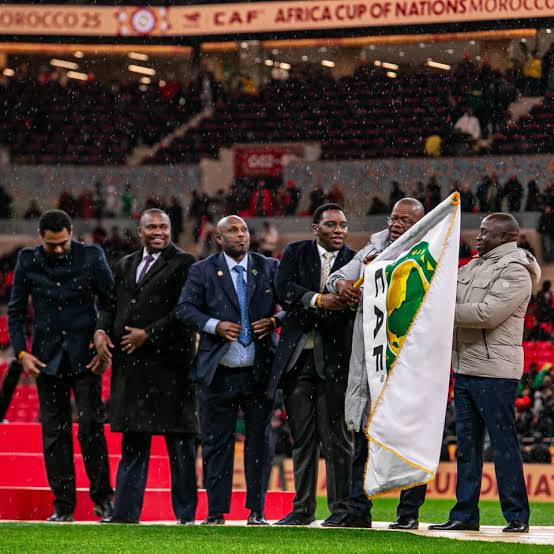
Uganda has committed Shs905 billion toward preparations for the 2027 Africa Cup of Nations, unveiling an ambitious government-led plan that combines infrastructure development, tourism promotion and institutional coordination as the country gears up to co-host the continental showpiece.

The tournament, organized by the Confederation of African Football will be jointly hosted by Uganda, Kenya and Tanzania from June 19 to July 18, 2027. Officials project that between 500,000 and 650,000 visitors will travel to Uganda, generating at least Shs1.9 trillion in tourism and related spending.

As part of its hosting obligations, government has already remitted approximately Shs159 billion to CAF and confirmed that all visa fees will be waived for visitors for at least three months around the tournament period, in a move aimed at easing travel and boosting tourist inflows.

The cabinet approved the Shs905 billion financing package to support a wide range of sectors critical to the successful hosting of the tournament, including transport, health, hospitality and sports management. Preparations are being coordinated through an inter sectoral steering forum that brings together more than 20 public and private institutions, working alongside the Local Organising Committee.

A significant portion of the funding will go into infrastructure upgrades, with Shs213.76 billion earmarked for improving road networks around Mandela National Stadium and Hoima City Stadium. The works will include street lighting and pedestrian walkways to enhance accessibility and safety.

In the aviation sector, government has allocated Shs184.9 billion for the construction of a passenger terminal at Kabalega International Airport to enable it handle international flights ahead of the tournament.

Health services in the host region are also set for a major upgrade, with Shs91.05 billion to be invested in facilities such as Hoima Regional Referral Hospital, Masindi General Hospital and Buseruka Health Centre to meet CAF standards for emergency response and medical care during the competition.

To strengthen accommodation capacity, Shs101.1 billion has been channeled through the Uganda Development Bank to support hotel expansion and refurbishment in Hoima and Masindi, alongside the construction of a new facility near Kabalega International Airport.

Tournament management and operations will consume Shs109.9 billion, covering security, branding, media, hospitality and fan engagement activities under the Local Organising Committee. The Federation of Uganda Football Associations will receive Shs17.7 billion to upgrade Kadiba Stadium as a training venue and Shs12.55 billion to prepare for the national team, the Uganda Cranes.

Further investment will be directed to the redevelopment of Mandela National Stadium, which is set to receive an additional Shs56.2 billion in the next financial year, bringing the total cost of its overhaul to Shs248.6 billion.

Government officials say the scale of preparations reflects a whole of country approach that requires close collaboration between the state, private sector and the public to deliver a successful tournament. All major infrastructure projects, including stadiums and training facilities, are expected to be completed by January 2027, several months before kickoff.

The 2027 tournament will mark a historic moment for the three East African nations, which are hosting the competition jointly for the first time.

Stories Continues after ad

Uganda strengthens maritime safety with fully operational rescue network on Lake Victoria

Uganda has boosted its maritime safety capacity with the full rollout of a multi-billion regional initiative that has established a coordinated rescue and communication system across its waters. The facility is aimed at reducing accidents and fatalities on inland water bodies.

The project, known as the Multinational Lake Victoria Maritime Communications and Transport Project, has over the past seven years quietly transformed water transport safety infrastructure, particularly on Lake Victoria, which is shared by Uganda, Kenya and Tanzania.

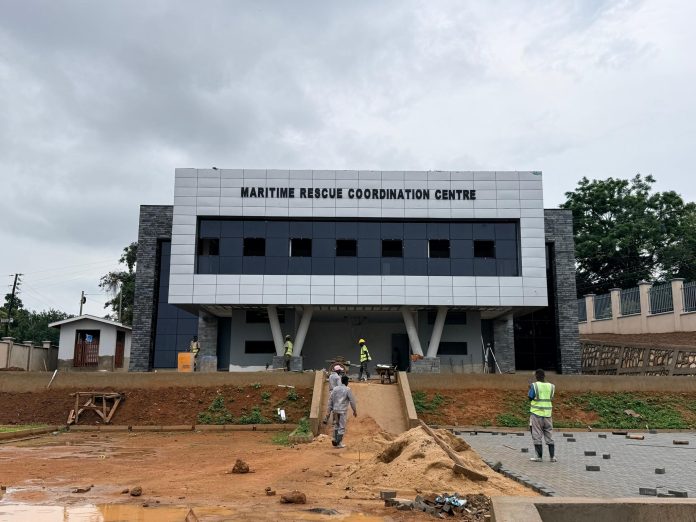
Under the initiative, five fully operational Search and Rescue (SAR) centres have been strategically deployed across Uganda’s waters to enable rapid response to emergencies. The facilities are equipped with modern maritime safety tools, including water ambulances, rescue boats, life jackets, firefighting vessels and weather monitoring buoys.

The Ministry of Works and Transport says the centres also include community jetties and a dedicated training facility aimed at professionalising water transport operations and improving coordination among rescue teams.

This investment is part of the ministry’s commitment to a ‘Zero Incidents’ approach, ensuring safety on our waterways through prevention, preparedness and rapid response.

At the core of the system are Maritime Rescue Coordination Centres (MRCCs), which serve as command hubs for distress response. These centres are designed to ensure that every emergency call is handled swiftly and efficiently through a centralized communication framework. Authorities have also introduced a toll-free emergency line 110 to provide круглосуточ access to rescue services.

The project is jointly funded by the Government of Uganda and the African Development Bank, reflecting a broader regional effort to improve maritime safety standards on Lake Victoria, one of the world’s busiest inland waterways.

According to regional transport data, Lake Victoria has historically recorded hundreds of water-related accidents annually, often attributed to overloading, poor vessel conditions, lack of safety gear and weak enforcement of regulations. The introduction of structured SAR systems and coordinated communication centres is expected to significantly reduce such incidents.

The initiative also aligns with East African Community strategies aimed at enhancing trade and mobility across the lake, which serves as a critical transport corridor for goods and passengers.

The integration of modern rescue infrastructure, trained personnel and real-time communication systems positions Uganda to better manage maritime risks while supporting economic activity dependent on water transport.

As the system becomes fully operational, the water users are urged to adhere to safety guidelines and make use of the emergency hotline to ensure timely intervention in distress situations.

Stories Continues after ad

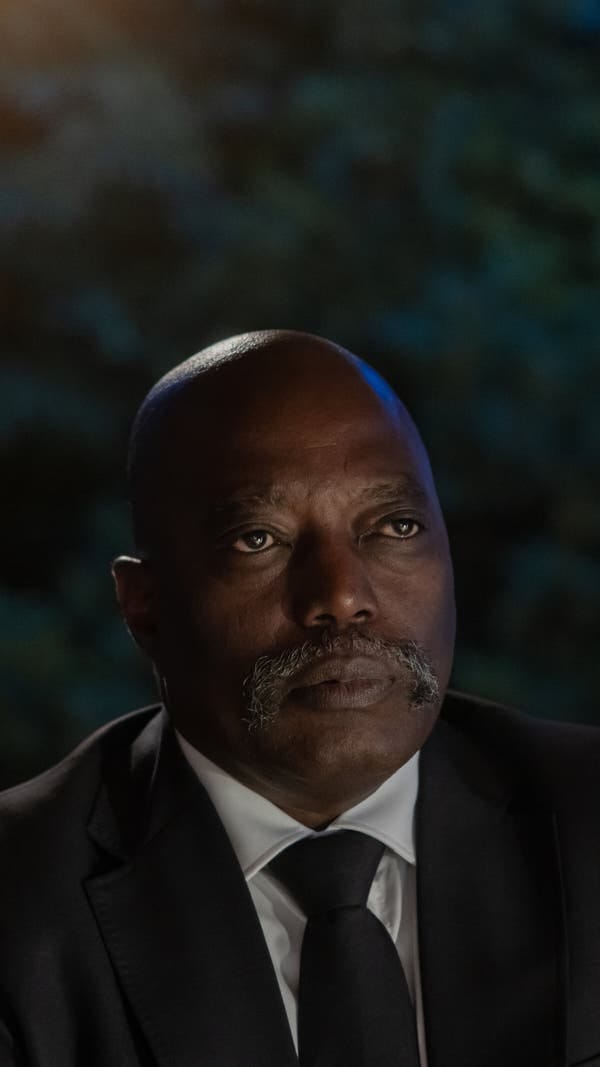
Former Congo leader Joseph Kabila declared a fugitive amid a treason conviction

President Joseph Kabila.

Kinshasa, April 2026 — Former Democratic Republic of the Congo president Joseph Kabila, who ruled the vast Central African nation for nearly two decades, has been declared a fugitive by state authorities following a treason conviction that marks a dramatic shift from power for one of Africa’s most enduring leaders.
According to government officials, a military court in the Democratic Republic of the Congo found Kabila guilty in absentia in 2025, accusing him of supporting armed rebel groups operating in the country’s volatile eastern region. He was reportedly handed a death sentence, though he remains outside the country.
Kabila, who led the Congo from 2001 until 2019, has strongly denied the allegations, describing them as politically motivated and part of a broader campaign to eliminate him from the national political scene.
The case represents a sharp deterioration in relations between Kabila and his successor, President Félix Tshisekedi. The two leaders initially formed a fragile power-sharing arrangement following the disputed 2018 elections, but their alliance later collapsed amid accusations of betrayal and competition for influence.
Government officials allege that Kabila maintained ties with insurgent factions destabilizing mineral-rich eastern provinces, a region that has long suffered from armed conflict involving local militias and foreign-backed groups. However, no public evidence has been fully detailed in international forums, and analysts caution that the charges could reflect deeper political rivalries within the country’s elite.
Kabila first assumed power in 2001 following the assassination of his father, former president Laurent-Désiré Kabila. Over the years, he consolidated control over the government and military, remaining in office beyond his constitutional term limits before eventually stepping down under international pressure.
His departure paved the way for Tshisekedi’s presidency, though the transition was widely viewed as contested. Since then, the Congolese political landscape has remained tense, with shifting alliances and persistent security challenges.
The development comes at a time when the Democratic Republic of the Congo continues to grapple with armed violence in its eastern territories, humanitarian crises, and questions over governance and accountability. Observers say the pursuit of a former head of state on such serious charges is both unprecedented and indicative of deep fractures within the nation’s political system.
For now, Kabila’s whereabouts remain unclear, and it is uncertain whether he will face arrest or international legal action. His case is likely to intensify political tensions in Kinshasa and further complicate efforts to stabilize one of Africa’s most resource-rich yet conflict-affected countries.

Stories Continues after ad

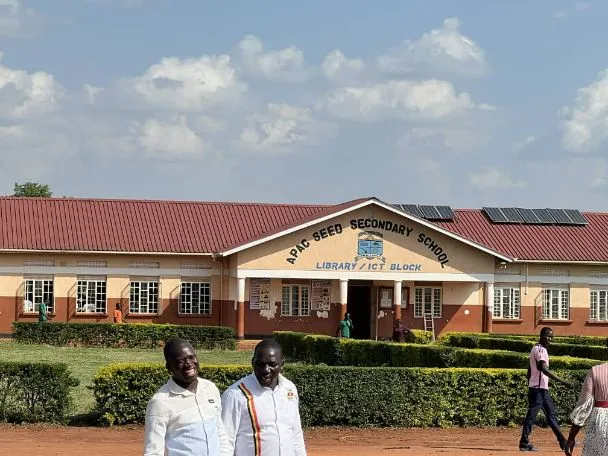
Seven students injured in brutal night attack at Apac Seed Secondary School

Apac Seed Secondary School.

Apac District — April 6, 2026 — Authorities in Northern Uganda have launched a manhunt following a shocking nighttime assault at Apac Seed Secondary School, where seven students were left injured after armed intruders broke into the school.
The incident occurred late at night as students slept in their dormitories. Witnesses say a group of attackers wielding machetes and knives forced their way into the premises, moving from room to room and attacking victims before disappearing into the darkness.
Security officials who arrived at the scene described it as “highly coordinated,” suggesting the possibility that the assailants had prior knowledge of the school layout. However, no arrests have yet been made, and investigators say the motive remains under active review.
The injured students were rushed to nearby medical centers, where health workers confirmed that most suffered severe cuts but are expected to recover. Counseling services are also being arranged to help students cope with the trauma.
Police have since increased patrols across the Apac District, particularly around schools, as fear spreads among parents and residents. Many families have begun demanding urgent government intervention to guarantee the safety of learners, especially in boarding institutions.
“This is a wake-up call,” said one concerned parent. “Schools must not become targets of violence.”
Education officials are now reviewing security protocols at Apac Seed Secondary School, including fencing, lighting, and the presence of guards during night hours.
As the investigation continues, authorities are urging anyone with information to come forward, vowing that those responsible will be brought to justice.

Stories Continues after ad

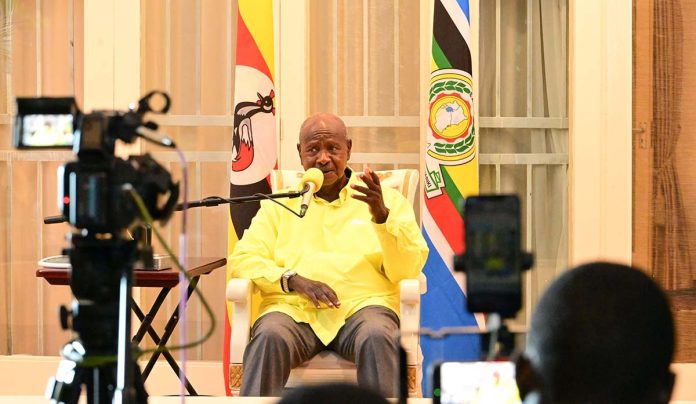
Museveni backs “eye-for-an-eye” proportional justice bill amid surge in violent crime

President Yoweri Museveni.

Kampala, Uganda—President Yoweri Museveni has publicly endorsed the controversial Proportional Justice Bill, 2026, which seeks to embed the ancient “eye-for-an-eye” principle into Uganda’s legal system as a direct response to rising violent crime.

The draft legislation, prepared by youth advocate Nyanzi Martin Luther, proposes that punishments should strictly correspond to the harm offenders cause. This includes capital punishment for murder, maximum penalties for aggravated rape and defilement, and tougher sentences for repeat offenders.

In a recent address to legal professionals, Museveni reinforced his long-held position, stating: “People should know that if you take a life, your life will also be taken. You cannot kill people, and you are left to move. That is not correct. A killer is a killer.” He, however, cautioned against mob justice, insisting that punishment must be administered only through formal state institutions.

The President’s remarks align with views he has consistently expressed over the years, as reported by Daily Monitor. In 2016 and again in 2021, Museveni told lawyers that the ruling National Resistance Movement (NRM) believes in the principle of “an eye for an eye.”

“The NRM believes in an eye for an eye. If somebody kills your person, that one should also be killed,” he said, according to Daily Monitor reports.

Museveni has repeatedly drawn on Uganda’s liberation history to justify firm accountability. During the NRA bush war, he noted, killers were executed to maintain discipline. He has argued that this approach remains relevant today in dealing with serious crime.

The Proportional Justice Bill, 2026, has gained momentum amid widespread public frustration over what many view as a lenient justice system that fails to deter violent offenders. Supporters, including the bill’s drafter, say it will better protect victims and restore confidence in the law by ensuring penalties match the gravity of offenses.

Key elements of the proposed bill include:

  • Mandatory death penalty for murder convictions
  • Harsh maximum sentences for serious sexual and aggravated crimes
  • Escalating penalties for repeat offenders
  • Stronger focus on victim rights and deterrence

However, the bill has sparked sharp criticism from human rights advocates, legal experts, and civil society groups. Opponents argue that formalising an “eye-for-an-eye” approach risks undermining due process, constitutional safeguards, and Uganda’s international human rights commitments. They warn of the danger of irreversible errors in a justice system that still faces challenges with investigations, corruption risks, and judicial capacity.

As Uganda grapples with this debate, the country stands at a crossroads: whether to adopt a stricter retributive model rooted in traditional and historical principles of justice, or to pursue a more balanced system that incorporates rehabilitation alongside punishment.

With Museveni’s influential backing, the Proportional Justice Bill is expected to dominate parliamentary and public discussions in the coming months. How lawmakers navigate the tension between public demands for security and concerns over fairness and human rights will shape the future of Uganda’s justice system.

Stories Continues after ad

Kikuube LC5 chairperson Peter Banura dies in road crash as police hunt driver

RIP: Peter Banura.

Kampala, Uganda – April 5, 2026-Police in the Albertine South Region have launched investigations into a fatal road crash that claimed the life of Kikuube District LC5 Chairperson, Peter Banura.
According to Police Spokesperson Kituuma Rusoke, the deceased—son of Uganda’s Ambassador to Burundi, Matia Kyaligonza—was knocked down by a speeding Toyota Hiace, commonly referred to as a “drone,” at Butyamba Village in Kikuube Town Council.


“He was rushed to Hoima Regional Referral Hospital, where he was later pronounced dead,” Rusoke said.
Police revealed that the driver of the vehicle fled the scene immediately after the incident. However, authorities have since recovered and impounded the Toyota Hiace.
“Efforts are ongoing to identify, trace, and arrest the driver to assist with ongoing investigations,” Rusoke added.
Leaders across the country have expressed grief over Banura’s sudden death. Prime Minister Robinah Nabbanja described him as a committed and promising leader.
“As the pioneer LC5 Chairperson of Kikuube, he was dedicated to the progress of the district and the well-being of its people. We have lost a very humble man who still had much life ahead of him,” Nabbanja said.
State Minister for Gender, Labour and Social Development Balaam Barugahara also paid tribute, describing Banura as humble, peaceful, and deeply patriotic.
“This is a profound loss to his family, the Obukama bwa Bunyoro Kitara, and Uganda as a whole,” he said.
Barugahara further called on motorists, especially drivers of public transport vehicles, to exercise caution and be mindful of other road users.
Police say investigations into the incident are ongoing as the search for the driver continues.

Stories Continues after ad

Uganda receives third-country nationals under US deportation deal

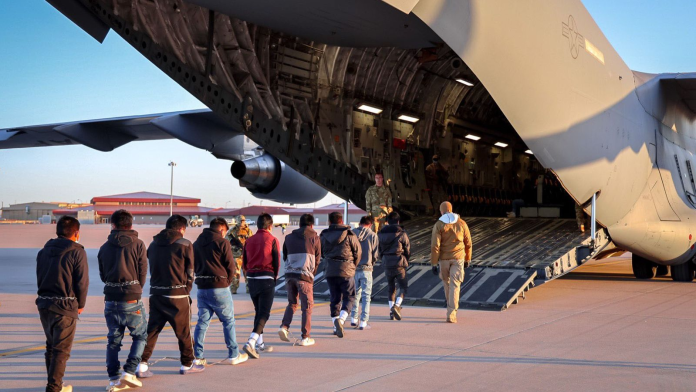
Uganda through the ministry of foreign affairs has received third country nationals from the United States under a bilateral arrangement aimed at processing asylum claims

In a statement issued on April 3, 2026, the Permanent Secretary at the ministry, Vincent Bagiire Waiswa said the agreement allows Uganda to host and assess individuals who are neither Ugandan nor American but are seeking international protection.

“The Governments of the Republic of Uganda and the United States of America signed an Agreement for Cooperation in the Examination of Protection Requests in July 2025,” Waiswa said.

He noted that the arrangement is in line with Uganda’s legal and international obligations.

“The Agreement conforms to Uganda’s national laws and international obligations,” he added.

Waiswa explained that the deal targets third country nationals of African origin who may not have been granted asylum in the United States or are unable to return to their countries of origin.

“As clarified after the agreement was signed, it is in respect of third country nationals who are neither citizens of Uganda nor the USA, but of African origin, who may not be granted asylum in the USA and are reluctant to or may have concerns about returning to their countries of origin,” he said.

He emphasized that the agreement is guided by humanitarian principles, including the protection of individuals from forced return to unsafe conditions.

“This Safe Third Country Agreement takes into account both Governments’ international obligations, including the principle of non refoulement that guarantees that no one should be returned to a country where they would face torture, cruel, inhuman or degrading treatment,” Waiswa said.

According to the Ministry, a first group of eight individuals has already arrived in Uganda under the arrangement.

“Pursuant to this bilateral agreement, a group of eight individuals, whose cases had been reviewed and approved by a USA immigration judge, arrived in Uganda from the USA on 1 April 2026, and their protection requests will be handled,” he said.

Waiswa added that details of the individuals would remain confidential for privacy reasons.

He reaffirmed Uganda’s longstanding position on refugee protection.

“Uganda continues to uphold its longstanding commitment to providing sanctuary to persons in need and ensuring that they are treated with dignity,” he said.

However, the Uganda Law Society, in a statement by Asiimwe Anthony, the body’s vice president dated April 2, 2026, had challenged the arrangement in court, raising serious concerns over legality, transparency and human rights implications.

Asiimwe said, “We have learnt about an advanced plot to forcibly remove (in the name of deportation) a dozen people from the United States and effectively dump them in Uganda through an undignified, harrowing and dehumanising process that has reduced them into little more than chattel, for the benefit of unnamed, private interests on either side of the Atlantic.”

The lawyers’ body further revealed that the transfers were already underway, raising alarm over lack of institutional involvement.

“We have been informed that the privately owned aircraft carrying the deportees is or will soon be airborne and will be touching down at Entebbe International Airport today,” the statement reads.

It added, “Our research indicates that none of the mandated institutions, such as the Directorate of Citizenship and Immigration Control, the Parliament of Uganda, the Ministry of Foreign Affairs have been engaged regarding this matter. Moreover, no policy document or legislation has been promulgated to stipulate the procedures relevant to the transfer of people from one country to another.”

The society also raised concerns about alleged profiteering and the broader implications of the arrangement.

“Typical of such suspicious arrangements, we have also learnt about private contractors who are falling over themselves to cash in on the suffering of fellow human beings whose crime is to have been arbitrarily deemed as undesirable and as such disposable to the most willing takers,” it said.

It warned that such actions echo past injustices.

“This development and the attendant illegalities that accompany it are reminiscent of a dark past that the global family of humanity supposedly put behind itself in pursuit of the ideal that every human being is born equal in dignity and rights,” the statement added.

The Uganda Law Society also linked the issue to broader geopolitical and governance concerns.

“In the United States, the militarisation of society has given carte blanche to captured democracies in Africa to carry on with despotism unchecked,” the statement reads.

“As African citizens, besides our professional duties as lawyers, this is yet another act of effrontery that places the continent and its people at the bottom of a perceived racial hierarchy that justifies untold suffering, wanton lawlessness, political instability and perennial mistreatment.”

The body said it has already taken legal action to halt the process.

“Towards a remedy, we have approached the Courts of Law in Uganda and the region, seeking bespoke reliefs designed to arrest this patent international illegality,” it said.

“We urge the media and the public to draw the attention of the national, regional and continental publics, and stir discussion on this matter until it is either halted or reversed.”

The lawyers also framed the issue within a wider global context.

“Our perspective of the matter is broader than the single act of deportation. We view it as but one gust from the ill winds of transnational repression that are blowing across our world,” the statement noted.

They called on the public to actively engage with the issue.

“We invite the Ugandan and African public to interest itself in our modest effort at combating the collusion between the governments in Washington and Kampala, and play their respective roles in challenging not just this particular deportation of human beings, but the broader authoritarian project for which such acts are a necessary feature.”

The Uganda Law Society further urged urgent judicial intervention.

“In the same breath, we implore the national and regional courts to consider our applications with the urgency and seriousness they deserve,” the statement said.

The body added that it would continue pursuing the matter.

“Over the coming days and weeks, pursuant to our mandate, we will continue updating you about the next steps in this campaign as we assert the sovereign rights of Uganda and the deportees who are enduring inhuman and degrading treatment at the hands of shadowy interests.”

Stories Continues after ad

Gov’t targets Shs1.7t in new tax revenue for FY2026/27

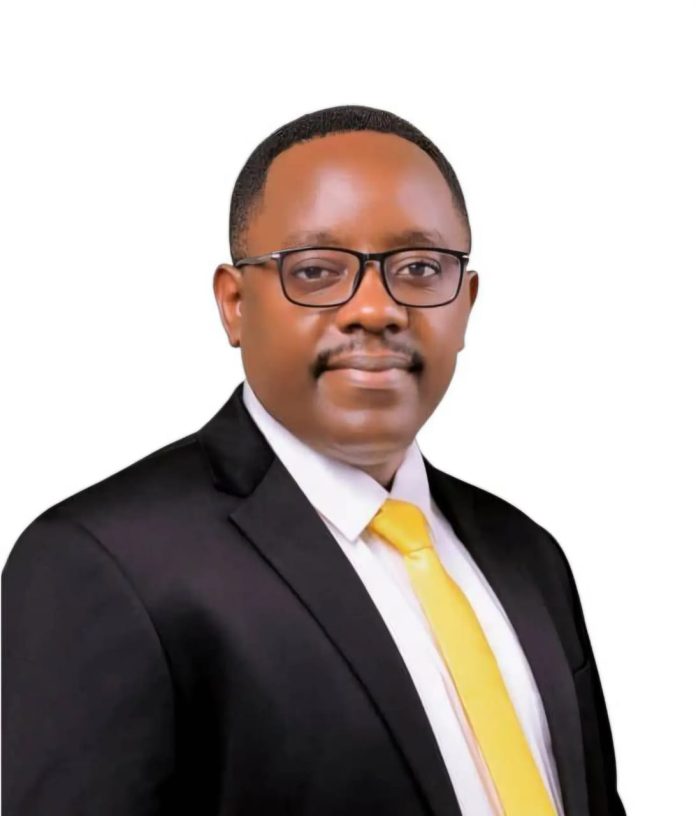
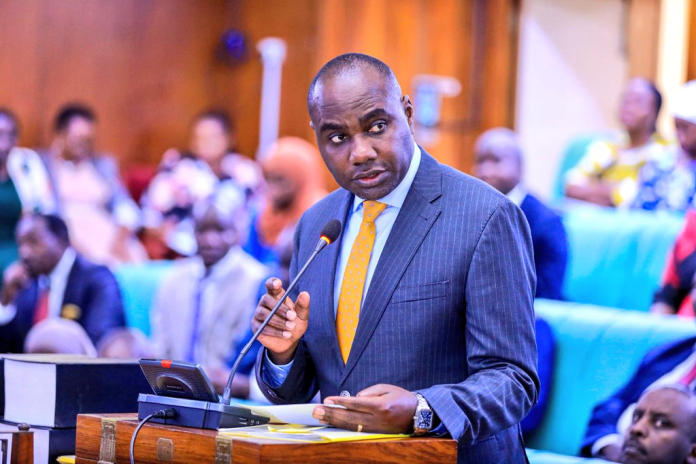
Finance State Minister for General Duties, Henry Musasizi.

The Government of Uganda is targeting Shs1.7 trillion in additional tax revenue in the 2026/27 financial year through a series of proposed tax policy changes tabled before Parliament.

Presenting the tax bills during the plenary on April 1, the Minister of State for General Duties, Henry Musasizi, said the measures are part of the strategy to strengthen domestic revenue mobilisation and reduce reliance on borrowing.

“Government projects to generate Shs1,741 billion in FY 2026/27 from the tax policy proposals contained in the bills and Shs3,164 billion from URA administration measures, contributing to a revenue effort of 15.5 percent of GDP,” Musasizi said.

The proposals were presented to the Finance Committee of the Parliament of Uganda as part of the tax reform agenda for the upcoming financial year.

Musasizi said the new measures are intended to boost compliance and widen the tax base by bringing more individuals and businesses into the formal tax system.

“The Bills are meant to raise revenue, foster compliance and assist URA in its work,” he said.

Key proposals under the Income Tax Amendment include the introduction of a 10 percent withholding tax on commissions paid to data and voice bundle agents, a 6 percent tax on public entertainers, and a 0.5 percent minimum tax for businesses that report losses for more than seven consecutive years.

The government is also proposing to allow landlords to pay rental income tax on a monthly basis, a move aimed at improving compliance in the property sector.

Under Value Added Tax, the threshold is set to increase from Shs150 million to Shs250 million, which is expected to ease the tax burden on small businesses and encourage voluntary compliance.

Significant changes have also been proposed under excise duty, including an increase of Shs200 per litre on petrol and diesel, higher taxes on sugar, cement and cooking oil, and the introduction of new levies on cooking fats and single use plastics.

In addition, the government plans to increase excise duty on certain alcoholic beverages and raise taxes on motorcycles at first registration from Shs200,000 to Shs500,000.

Stamp duty reforms will see land transfer rates rise from 1.5 percent to 3 percent, alongside the introduction of registration fees for motor vehicles and motorcycles.

Musasizi said the tax measures will play a critical role in financing the proposed Shs84.29 trillion national budget for the 2026/27 financial year, which is aligned with the country’s long term development priorities.

“We have also proposed Tax Policy Measures amounting to Shs1.741 trillion to finance the Budget,” he said.

The minister added that the budget is anchored on expanding economic activity through commercial agriculture, industrialisation, digital transformation, and improved market access.

He told lawmakers that the full budget speech will be presented on June 11, 2026.

Stories Continues after ad