Stanbic Bank
Stanbic Bank
17.6 C
Kampala
Stanbic Bank
Stanbic Bank
Home Blog Page 38

Uganda’s Eddy Kenzo earns 2026 Grammy Nomination amid global music surge

Musician Eddy Kenzo.

Kampala — Ugandan music star Eddy Kenzo has added a major international accolade to his resume with a nomination for the 68th Annual Grammy Awards. Kenzo is nominated in the Best African Music Performance category for his collaboration with Iranian‑Swedish artist Mehran Matin titled Hope & Love, marking a significant moment for Uganda’s creative industry.

Kenzo’s nomination comes on the heels of an announcement that saw other top‑tier artists such as Kendrick Lamar—who leads the nominations with nine nods—and Lady Gaga with seven. The list also includes Bad Bunny, who makes history as the first Spanish‑language artist nominated in the major categories of Album, Record and Song of the Year.

In addition to Uganda’s representation through Kenzo, the nomination underscores a broader trend of African artists being increasingly recognised on the global stage. In the same category, artists from Nigeria and South Africa feature prominently, reflecting a shift in music industry dynamics. The song Hope & Love blends Afrobeat rhythms with African pop sensibilities and is seen as one of Uganda’s leading entries in recent international music discourse. Kenzo’s nomination has generated excitement locally, with industry insiders hailing it as a milestone for Ugandan creatives.

Still, some experts caution that while such nominations are important, they may not automatically translate into structural change within Uganda’s music industry. Access to funding, distribution networks, and international marketing remain significant hurdles for local artists beyond the moment of nomination.

As voting commences and the winner will be revealed at the ceremony in Los Angeles on February 1, 2026, all eyes are on whether Kenzo’s nod signals a sustained presence for Uganda in global music awards. Even if not victorious, the nomination itself sends a message that the country’s talent is being noticed beyond its borders.

For the local music scene, Kenzo’s recognition may serve as both a catalyst and reminder: that while international accolades raise profiles, the underlying work of infrastructure, mentorship and opportunity remains essential to converting recognition into long‑term industry growth.

Stories Continues after ad

PFF condemns Judge Baguma ruling as mockery of justice in Besigye and Obeid Lutale case

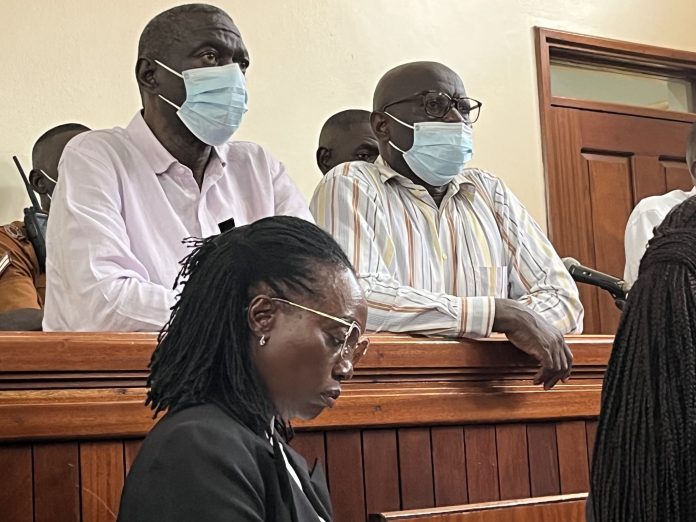
Dr Kizza Besigye and co-accused Obed Lutale in court.

In the Kampala High Court hearing on Thursday, Justice Emmanuel Baguma dismissed a defense motion to refer constitutional questions in the treason trial of Dr. Kizza Besigye, Hajji Obeid Lutale, and Capt. Denis Oola to the Constitutional Court. 

He ruled that claims of bias were speculative and set the plea-taking for December 4, 2025. 

The decision prompted Lutale’s daughter, Mariam Obeid Lutale, to lunge at the judge in protest over her father’s prolonged detention, leading to her arrest for contempt of court. 

The charges against the trio stem from their November 2024 arrests in Kenya and alleged rendition to Uganda for conspiring to overthrow the government.

The defense had argued that Justice Baguma should recuse himself or allow the constitutional question whether a judge accused of bias can lawfully continue presiding over a case to be referred to the Constitutional Court. They claimed that Besigye and Lutale had reason to doubt the judge’s impartiality based on previous rulings and comments perceived to favor the prosecution. 

The motion alleged that proceeding under a judge viewed as biased would violate the constitutional guarantee of a fair hearing.

The People’s Front for Freedom (PFF) condemned Justice Baguma’s ruling, calling it a blatant mockery of justice.

In a statement titled “The Judge, The Bias and The Mockery of Justice,” the group said the High Court’s decision undermines the very principles of fairness and independence enshrined in Uganda’s Constitution.

“The defense team of our leaders, Dr. Kizza Besigye and Hajji Obeid Kamulegeya Lutale, sought to have a fundamental question referred to the Constitutional Court: Can a judge, whom the accused formally consider biased and incompetent, still handle their trial?” the statement reads.

PFF warned that Justice Baguma’s refusal to refer the matter effectively blocks the Constitutional Court from clarifying a core right, Article 28(1) of the Constitution which guarantees a fair hearing before an independent and impartial tribunal.

“This isn’t just a legal setback; it’s a profound breakdown of the basic principles of fairness. The maxim ‘Nemo judex in causa sua’ (No one should be a judge in his own cause) has been totally violated,” the group said.

The statement added that the judge’s conduct amounts to obstructing justice rather than dispensing it, warning that such actions erode public confidence in the judiciary. 

“How can justice be seen to be done when the accused are forced to seek fairness from the very person they accuse of prejudice?” the PFF asked.

The group reaffirmed its commitment to the rule of law and called for judicial accountability, emphasizing that a fair trial cannot exist where the accused have no confidence in the judge presiding over their case.

Stories Continues after ad

World Vision launches Shs169.5b plan to provide safe water and sanitation to Ugandans

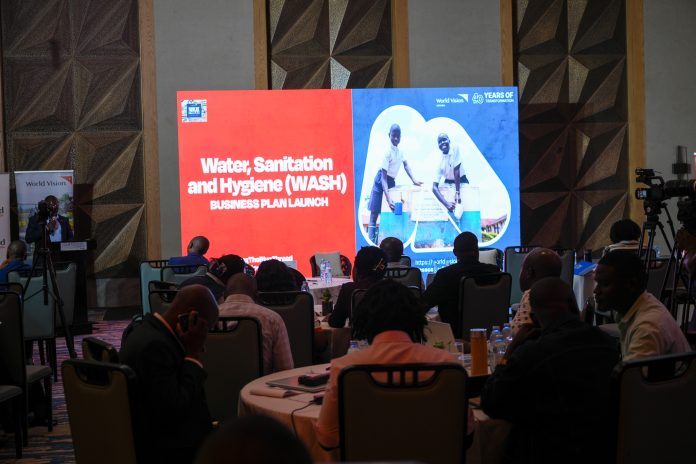
Over three million Ugandans are set to benefit from a new Shs169.5 billion ($48.7 million) Water, Sanitation, and Hygiene (WASH) Business Plan launched by World Vision Uganda. The five-year initiative, running from 2026 to 2030, aims to provide inclusive and climate-resilient WASH services across 41 districts.

The plan was officially unveiled at Four Points by Sheraton in Kampala, drawing government officials, development partners, civil society representatives, and financial institutions.

Jeremiah Nyagah, National Director of World Vision Uganda, described the initiative as a transformative roadmap to ensure every Ugandan has access to safe water and sanitation.

“Mapping the Blue Thread reflects our vision of a future where water, sanitation, and hygiene drive better health, safe learning environments, and lasting change,” Nyagah said. 

He stressed that partnerships between government, communities, and the private sector will be essential to achieving the plan’s goals.

Sustainability, Nyagah noted, requires collective effort. 

“From policy to implementation, everyone must play their part. Communities must also take ownership of these water systems,” he added.

To support transparency and track progress, World Vision plans to use digital tools such as M-Water, allowing real-time monitoring of interventions and enabling stakeholders to assess results at every stage.

Wilfred Komakech, WASH Programs Manager at World Vision Uganda, highlighted the plan’s ambitious targets. “We aim to provide safe water to over one million people, sanitation services to 1.1 million, and hygiene support to 1.2 million. The program will also reach 185 schools and 75 health facilities nationwide,” he said.

Komakech explained that the initiative is rooted in faith, community engagement, and innovation. It will be implemented in close partnership with the Ministry of Water and Environment, National Water and Sewerage Corporation, and financial partners including ABSA Bank, Vision Fund, and Sanlam.

Delivering a message from Deputy Speaker Thomas Tayebwa, Kumi Municipality MP Silas Aogon described the launch as a milestone in Uganda’s journey toward universal access to clean water. He praised World Vision’s ongoing collaboration with government to improve lives and empower communities.

“Access to clean water and sanitation is the foundation of development. It improves health, education, and productivity, particularly for women and children,” Tayebwa’s message stated.

He added, “When communities have reliable water and sanitation services, children thrive, women are empowered, and disease burdens decrease.”

He also welcomed World Vision’s focus on climate-resilient infrastructure and digital monitoring, noting that these innovations will support evidence-based planning and long-term sustainability.

The 2026–2030 WASH Business Plan builds on the achievements of the 2021–2025 program, which expanded safe water access in districts including Buikwe and Kamwenge, promoted hygiene practices, and strengthened community ownership of water facilities.

That earlier program helped thousands of households, schools, and health centers access clean water, reducing disease outbreaks and improving quality of life.

With the new plan, World Vision Uganda aims to scale up its impact, expand innovative solutions, and accelerate progress toward universal access to water and sanitation by 2030, in line with the Sustainable Development Goals.

Stories Continues after ad

Housing Finance Bank launches the HFB Zimba challenge to promote affordable housing and community empowerment

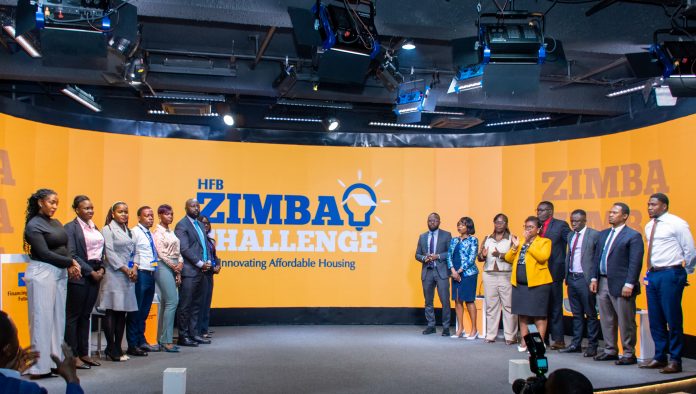
Housing Finance Bank Team and partners launch the HFB Zimba Housing Challenge, an innovative challenge where the participant with the best affordable prototype house will be rewarded with Shs100 million.

Kampala, Uganda 6th November, 2025: Housing Finance Bank has launched the HFB Zimba Challenge. This nationwide initiative is designed to promote affordable home ownership, sustainable construction practices, and innovative building solutions across Uganda.

Uganda continues to face a significant housing deficit currently estimated at 2.4 million housing units. This gap continues to widen due to population growth, rapid urbanization, and limited access to affordable mortgage and construction financing. The HFB Zimba Challenge responds directly to this need by equipping participants with financial management training, technical support, and practical guidance to plan, design, and construct homes efficiently.

The challenge is open to a diverse range of professionals and institutions from across the country, including architects and engineers, interior designers, property developers, building materials manufacturers, suppliers and retailers of housing materials, and academic institutions and researchers working on housing innovations. By engaging these stakeholders, the initiative aims to foster collaboration, showcase best practices, and accelerate the adoption of innovative, cost-effective housing solutions.

The HFB Zimba Challenge will feature construction clinics, advisory forums, site demonstrations, and sessions on land documentation and incremental financing. Participants will receive product discounts, expert guidance, and tailored financial solutions throughout the competition.

Speaking at the launch, John Baptiste Kaweesi, Head Mortgages and Consumer Banking at Housing Finance Bank, emphasized the transformative potential of the initiative. He said:
“The HFB Zimba Challenge represents a shared commitment to making home ownership and innovative construction attainable for all. By bringing together designers, developers, suppliers, and researchers, we are creating a collaborative platform where creative ideas and practical solutions come together to address Uganda’s housing challenges. This is an opportunity for participants to showcase their expertise, influence national housing practices, and contribute to a more sustainable built environment.”

The Challenge recognizes that housing solutions must cater to the full spectrum of Ugandans, including those in the informal sector. Annet Nakigudde Ssebuggwawo, Head of Microfinance, highlighted the need for solutions that reflect everyday realities. She said:
“Just imagine a boda boda rider who earns about 320,000 a month, if you give him a mortgage of 20 years, will he still be riding that motorcycle at 45 to pay that mortgage? We need solutions that favor everyone, low-income earners, the informal sector, middle income, and high net worth individuals.”

Participants will benefit from financial management training, technical guidance, and access to affordable construction resources. The initiative aims to equip innovators, builders, and communities with the tools to create practical, sustainable housing solutions. Doreen Nyiramugisha, Head Marketing and Communication at Housing Finance Bank, emphasized the broader purpose of the HFB Zimba Challenge:
 “Affordable housing is not a privilege, it is a cornerstone for national development. The HFB Zimba Challenge gives innovators, builders, communities, and families the opportunity to create solutions that are practical, affordable, and sustainable. At Housing Finance Bank, we are committed to turning housing aspirations into real homes, one household at a time.”

Participants in the challenge will stand a chance to win seed capital of up to UGX 100M, along with support for their home construction projects, including subsidized building materials, professional supervision, and favorable financing terms. The competition will run for 1.5 months, culminating in the construction of the winning house prototype as a model home, which will serve as a national demonstration site for affordable, sustainable, and innovative housing practices. This model will inspire homeowners, developers, and professionals nationwide, proving that high-quality housing can be achieved with creativity, expertise, and collaboration.

Interested participants can submit their entries via www.housingfinance.co.ug. Participants will also benefit from tailored financing options for incremental construction, professional support from certified architects and surveyors, secure land documentation assistance, and discounted materials. The initiative ensures inclusion of community earners who often operate in the informal sector but have stable incomes.

The initiative aligns with Housing Finance Bank’s mission to advance financial inclusion, promote sustainable housing, and support multi-sector collaboration to address Uganda’s housing deficit.

The HFB Zimba Challenge will roll out across selected regions nationwide, with ongoing community engagements throughout the year. Housing Finance Bank calls on government agencies, private sector players, and industry partners to join with technical support, financial contributions, and other forms of collaboration. Interested partners can reach us at zimbachallenge@housingfinance.co.ug. Participants are encouraged to visit any Housing Finance Bank branch or the Bank’s online platforms for participation details.

Stories Continues after ad

Museveni commissions 498 officer cadets, urges discipline, patriotism and Pan-African unity

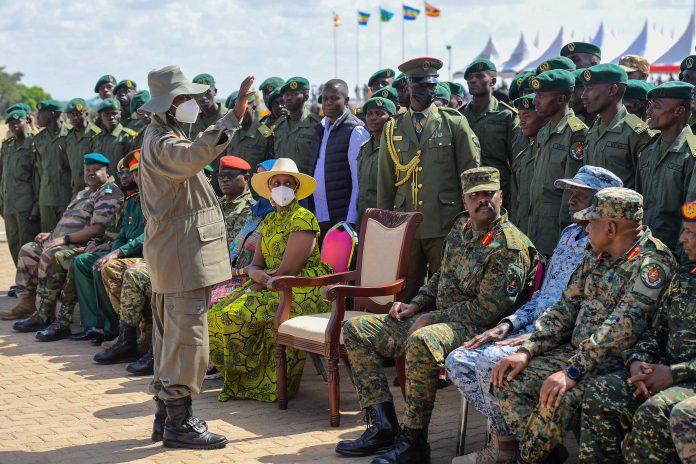
President Yoweri Museveni has commissioned 498 officer cadets of the Uganda Peoples’ Defence Forces (UPDF) and allied countries of Intake 19/2025 at the Basic Military Training School in Kaweweta. 

The cohort included 10 from the United Republic of Tanzania, 40 from Somalia, 100 from the Central African Republic, and 20 from Mali.

Addressing the newly commissioned officers, President Museveni, who is also the Commander-in-Chief of the UPDF, congratulated them on joining the army and reminded them of the institution’s rich history and values.

“You have been commissioned into UPDF, which is an army of warriors and heroes, and it is an army that is based on some principles,” he said.

He highlighted Patriotism, Pan-Africanism, discipline, professionalism and fitness as core principles, urging the officers to uphold them throughout their service.

“If you don’t have health, you cannot manage the army work as required,” he added.

The President recalled the historic Salim Saleh 170-kilometre trek in memory of the 1985 operation on Masindi Barracks, noting that the determination displayed during that mission forms the heritage the cadets now inherit.

On the recent attacks in the Rwenzori sub-region, the President applauded the UPDF for successful operations, where security forces repulsed attackers.

“I want to congratulate the CDF and UPDF for how recently they crushed those criminals who showed up in Kasese,” he said.

Museveni further welcomed the officer cadets from Tanzania, Somalia, the Central African Republic, and Mali, emphasising Africa’s ability to develop strong armies without reliance on external powers.

In his remarks, the Chief of Defence Forces, General Muhoozi Kainerugaba, noted that this was the second officer commissioning ceremony in a month, highlighting the UPDF’s expanded training capacity.

“This is a testament to the UPDF’s improved training capacity, which is a crucial element of our overall national security posture,” he said.

He acknowledged the participation of officer cadets from partner African nations, reaffirming the UPDF’s role in strengthening peace and security across the continent.

On the ongoing political campaigns, Gen Kainerugaba said, “The political campaigns have so far proceeded smoothly, and we commend not only the security forces who are working around the clock to ensure we have a peaceful electoral process, but also the wanainchi who are thus far abiding by the independent electoral commission’s and Uganda police guidelines.”

However, he warned,“We must warn any candidate, presidential or otherwise, who continuously flouts the electoral commission’s guidelines and tries to provoke security forces that we shall not stand for it. This indiscipline must stop. The security of the country will not be compromised merely because a particular candidate is campaigning. It doesn’t work like that.”

In reference to the recent coordinated attacks in Kasese, Bundibugyo, and Fort Portal, General Kainerugaba noted that security forces responded effectively.

Gen Kainerugaba said,“We thank the wanainchi for rallying to our side and strongly supporting our actions to defeat these criminals. We encourage them to maintain that spirit. All those who were captured will be arraigned before the courts to face the law.”

He noted that the recent security incidents in the western region served as a reminder that the country should not relax its guard even when the situation appears calm.

He emphasised the need for constant readiness, recalling the ancient Roman saying that those who desire peace must prepare for war, as he urged continued vigilance.

The Commandant of the Basic Military Training School, Brigadier General John Patrick, described the commissioning as a culmination of 36 weeks of rigorous training.

“These officer cadets stood on the verge of a demanding path and embraced the values of teamwork, leadership, patriotism, and service to the nation,” he said. 

He added,“They drew strength from one another and now represent the future of their militaries as a united and determined force,”

Brig Gen Otongo reminded the cadets that the journey to becoming a military officer is demanding and marked by challenges that only the most committed can overcome. He said these hardships have shaped the cadets into disciplined future commanders, ready to defend their countries with patriotism, courage and integrity.

He urged them to carry forward the lessons learned during training and to uphold the principles of their armed forces as they take on greater responsibilities.

Stories Continues after ad

ICC confirms 39 charges against Kony, commits him to trial over war crimes and crimes against humanity

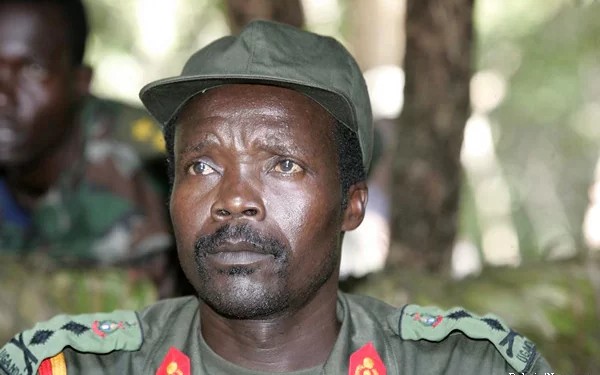
LRA commander, Joseph Kony.

The International Criminal Court (ICC) has confirmed all 39 charges against Joseph Kony, the elusive leader of the Lord’s Resistance Army (LRA) and committed him to trial before a Trial Chamber.

The decision, issued by Pre-Trial Chamber III, marks a significant milestone in the long-standing case The Prosecutor v. Joseph Kony. However, the trial cannot proceed unless Kony is physically present before the Court, in accordance with the ICC Rome Statute, which prohibits trials in absentia.

The Pre-Trial Chamber, composed of Presiding Judge Althea Violet Alexis Windsor, Judge Iulia Antoanella Motoc and Judge Haykel Ben Mahfoudh, found substantial grounds to believe that Kony is responsible for war crimes and crimes against humanity committed between 1 July 2002 and 31 December 2005 in northern Uganda.

Kony, a Ugandan national founded and led the LRA which waged a brutal insurgency in the Acholi, Lango and Teso sub-regions of northern Uganda. During this period, the LRA engaged in a prolonged armed conflict against the Uganda People’s Defence Force (UPDF) and local defense units. The Court noted that the group carried out a widespread and systematic attack against the civilian population in areas perceived to support the Ugandan government.

The judges determined that Kony and his commanders agreed to target civilians to sustain the LRA’s operations, committing widespread atrocities, including abductions, sexual violence and the use of child soldiers.

According to the ruling, Kony faces 29 charges as an indirect co-perpetrator or for ordering and inducing the commission of crimes by the LRA. These include crimes against humanity such as murder, enslavement, torture, rape, forced marriage, forced pregnancy and persecution, and war crimes including attacks on civilians, use of child soldiers, sexual slavery, pillaging and destruction of property.

In addition, Kony is personally charged as a direct perpetrator for 10 counts involving two victims, covering crimes such as enslavement, rape, forced marriage, torture and persecution based on age and gender.

The Chamber rejected the Defence’s request to stay the proceedings, ruling that both the Defence and the Prosecution cannot appeal immediately. The time limit for any appeal will only begin once Kony is apprehended and notified of the decision.

The ICC first issued a warrant for Kony’s arrest under seal on 8 July 2005, which was later unsealed on 13 October 2005. On 12 December 2024, the Court scheduled the confirmation of charges hearing for 9 September 2025, to be held in his absence.

The confirmation hearing took place on 9 and 10 September 2025 at The Hague, with Defence Counsel Peter Haynes KC representing Kony. The Appeals Chamber had earlier upheld the decision allowing the confirmation process to proceed in absentia.

Despite the confirmation of charges, Joseph Kony remains at large, two decades after the ICC first sought his arrest. The Court’s ruling brings renewed international attention to one of Africa’s longest and most brutal insurgencies.

Stories Continues after ad

Businessman sent to Luzira over forgery of Museveni’s letter on MV Kalangala ferry deal

Nicholus Male.

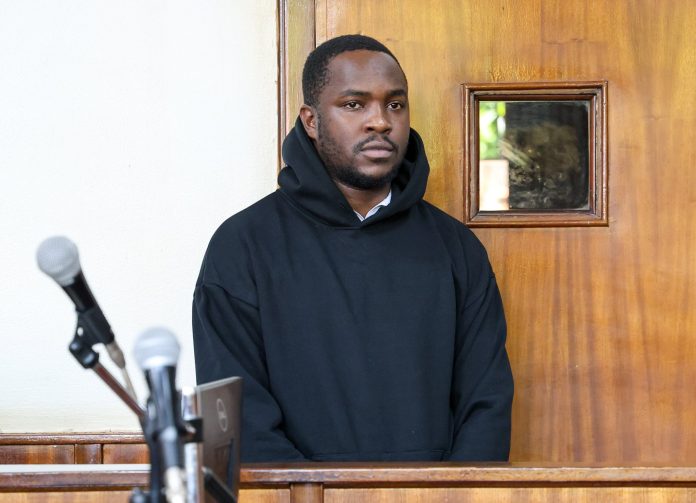
A Kampala businessman, Nicholus Male, has been remanded to Luzira Prison after being arraigned before the Buganda Road Chief Magistrate’s Court on allegations of forgery and uttering false documents.

Male appeared before a Grade One Magistrate accused of fabricating a letter purportedly signed by President Yoweri Museveni, directing the Minister of Works and Transport to renew the contract of Nation Oil Distributors Limited (NODIL) for the management of MV Kalangala for another 15 years.

According to the prosecution, the letter dated August 15, 2025, was a forgery that the accused allegedly used to mislead both government ministries and private companies.

Prosecutors told the court that on September 18, 2025, Male, with intent to defraud, presented the forged letter to the Minister of Works and Transport, claiming it had originated from the President’s Office.

Investigations further revealed that the same document had been submitted to officials at the Ministry of Works and Transport, the Ministry of Justice and Constitutional Affairs, and to NODIL offices in Ndeeba, Kampala.

The court also heard that before the incident, Male allegedly introduced himself to NODIL’s Director, claiming to be an official from the Office of the Prime Minister with strong links to senior government figures. He reportedly promised to help secure the ferry contract renewal through his supposed connections.

Prosecution said Male’s actions were meant to deceive both government and private stakeholders into believing that he had presidential approval to influence the lucrative MV Kalangala management deal.

The accused denied all charges when they were read to him in court. He was consequently remanded to Luzira Prison until November 17, 2025, pending further investigations.

The MV Kalangala remains a key transport vessel connecting Entebbe and Kalangala Islands, and any renewal of its management contract is under the direct oversight of government authorities.

Stories Continues after ad
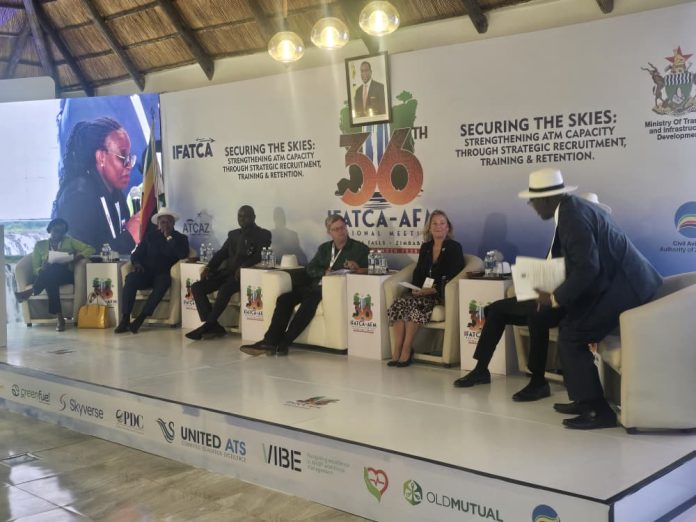
Uganda to host 2027 IFATCA global conference, attracting 600 delegates from 132 countries

Uganda will host the International Federation of Air Traffic Controllers’ Associations (IFATCA) Global Conference in 2027, an event expected to attract 600 delegates from 132 countries, the Minister of Works and Transport, Gen. Edward Katumba Wamala revealed. 

The confirmation was delivered on his behalf by Ms. Olive Birungi Lumonya, Deputy Director General of the Uganda Civil Aviation Authority (UCAA), during the 36th IFATCA Africa and Middle East Regional Meeting held from November 3–5, 2025, in Victoria Falls, Zimbabwe.

Uganda secured the bid to host the prestigious gathering during the IFATCA Global Conference in Abu Dhabi in May 2025, beating several other contenders. The 2027 conference will place Uganda at the centre of global aviation dialogue, offering an opportunity to showcase the country’s growing aviation sector and hospitality industry.

Speaking to delegates from across Africa and the Middle East, Ms. Lumonya emphasized that even as aviation technology advances, human expertise remains at the heart of air traffic safety.

“The theme of this year’s meeting, ‘Policy Leadership for a Safer Sky: Advancing Strategic Human Capital Development in Air Traffic Management’ reminds us that even in an era of automation and technology, people remain the heartbeat of aviation safety,” she said.

Ms. Lumonya reaffirmed Uganda’s commitment to building capacity and investing in the future of aviation professionals.

“In Uganda, we continue to invest in our people through training, in modern air navigation systems, and in regional cooperation. We are enhancing aviation infrastructure, strengthening search and rescue capabilities, and fostering collaboration across our region,” she added.

The 2027 IFATCA conference will mark another milestone for Uganda’s aviation sector, which has steadily grown through infrastructure expansion and regulatory modernization under the UCAA. Entebbe International Airport, the country’s main gateway, has undergone major upgrades aimed at improving passenger experience, safety, and efficiency.

Hosting the global conference is expected to boost Uganda’s visibility as a regional aviation hub and strengthen its partnerships with global air traffic management bodies.

Gen. Katumba, who also serves as Patron of the Uganda Air Traffic Controllers’ Association (UGATCA), has played a key role in guiding the association’s activities and advancing professional standards among its members.

His leadership, coupled with UCAA’s modernization efforts, has helped position Uganda as a credible player in international aviation safety and management discussions.

For more than 60 years, the International Federation of Air Traffic Controllers’ Associations has served as a global voice for air traffic controllers, promoting safety, professionalism, and cooperation among aviation stakeholders. The organization represents over 50,000 air traffic controllers worldwide.

Uganda’s selection as host underscores both the country’s growing influence in the aviation community and IFATCA’s confidence in its capacity to stage a world-class event.

The 2027 Global Conference will bring together aviation regulators, controllers, researchers, and policy experts to discuss innovations in airspace management, human capital development, and the future of aviation safety.

The event will provide a platform to showcase investment opportunities, promote tourism and highlight national achievements in aviation training and modernization.

Stories Continues after ad

Gov’t to borrow 44% of 2025/26 budget as Uganda dives deeper into debt to fund Shs72t plan

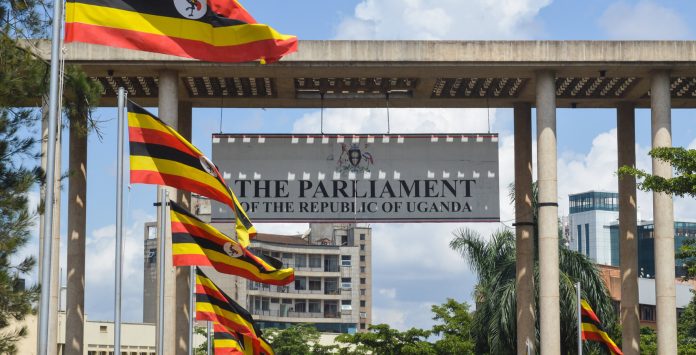
Parliament of Uganda.

Uganda is preparing to borrow a staggering Shs32.075 trillion, representing 44.3% of its Shs72.367 trillion 2025/26 national budget, as the country grapples with dwindling domestic revenues and growing expenditure pressures.

The development reflects the country’s heavy dependence on debt to sustain its fiscal ambitions, even as concerns mount over Uganda’s rising public debt burden and the efficiency of projects funded through loans.

According to projections by the Ministry of Finance, the government expects to raise Shs34.051 trillion from taxes, accounting for only 47% of total budget financing, while non-tax revenue and grants will generate Shs2.745 trillion, equivalent to just 3.7% of the financial requirements. The remaining Shs32.075 trillion will be borrowed from both domestic and external lenders.

Last week, Parliament approved eight new loans amounting to Shs9.755 trillion and a World Bank grant worth $328.3 million (Shs1.146 trillion), sparking renewed debate on the government’s growing appetite for borrowing.

Among the loans approved was Euro230.4 million (Shs925.9 billion) for the design and construction of the Jinja–Mbulamuti–Kamuli–Bukungu road (127km) and Jinja City roads (10km).

Another loan of $121.9 million (Shs425.7 billion) from the African Development Bank was cleared to finance the South Sudan–Uganda Power Interconnection Project. The project triggered heated debate, with legislators questioning why the government is exporting electricity to South Sudan when many Ugandans remain in the dark.

“If government can extend power to Juba, why can’t it connect villages in our own country that still rely on kerosene lamps?” one MP protested.

The government, however, defended the loan, saying Uganda must export excess electricity to reduce payments for deemed energy; the power generated but not consumed locally.

Equally contentious was the approval of Euro192.9 million (Shs775.2 billion) from Citibank for the Agricultural Production, Quality, and Market Access Project. The Committee on National Economy had initially raised red flags, noting that the Ministry of Agriculture was already struggling with idle loans worth $720.6 million (Shs2.5 trillion).

“The Ministry must first build technical capacity before seeking new loans,” the committee warned, urging the establishment of a project management unit with clear timelines and measurable deliverables.

The borrowing gear also extended to the oil and road infrastructure sector, with Parliament approving Euro115.8 million (Shs465.5 billion) from Standard Chartered Bank to finance the Karugutu–Ntoroko–Rwebisengo roads, and $20 million (Shs69.8 billion) from the Arab Bank for Development in Africa (BADEA) for upgrading the Nebbi–Goli road to enhance trade with South Sudan.

Another controversial approval was for the Busega–Mpigi Expressway, where costs have risen from Shs721 billion in 2016 to Shs1.748 trillion today. Parliament nonetheless approved additional financing of Euro188 million (Shs755.8 billion) from the African Development Bank and Euro28.3 million (Shs113.7 billion) from the African Development Fund.

In the health sector, Parliament endorsed loans to improve cancer care, including Euro9.4 million (Shs37.7 billion) from Unicredit Bank Austria for the Mbale Oncology Centre, and $36.5 million (Shs127.4 billion) from the Islamic Development Bank for Arua Oncology Centre and radiotherapy equipment for Mbale.

Government insists these investments will decentralize cancer treatment and decongest the Uganda Cancer Institute at Mulago. 

The largest single loan approved was US$1.341 billion (Shs4.68 trillion) from the World Bank’s International Development Association, alongside grants worth US$328.3 million (Shs1.146 trillion). The funds will support a series of initiatives, including NUSAF IV, the Development Response to Displacement Impacts Project (DRDIP), the Uganda Learning Acceleration Program (ULEARN), USMID and PIMPLUS.

Initially, this loan was halted by Parliament due to the Ministry of Finance’s failure to disclose terms of the USMID component.

Another substantial facility; Euro342.5 million (Shs1.376 trillion) was approved for the Karuma–Tororo 400KV transmission line and Ntinda substation project, further expanding the government’s infrastructure-heavy borrowing pattern.

The debt now finances almost half of the national budget, raising questions about sustainability, value for money and the nation’s growing vulnerability to external shocks.

Stories Continues after ad
SPEKE RESORT MUNYONYO: Museveni urges African countries to use pension and social security reserves for infrastructure development 

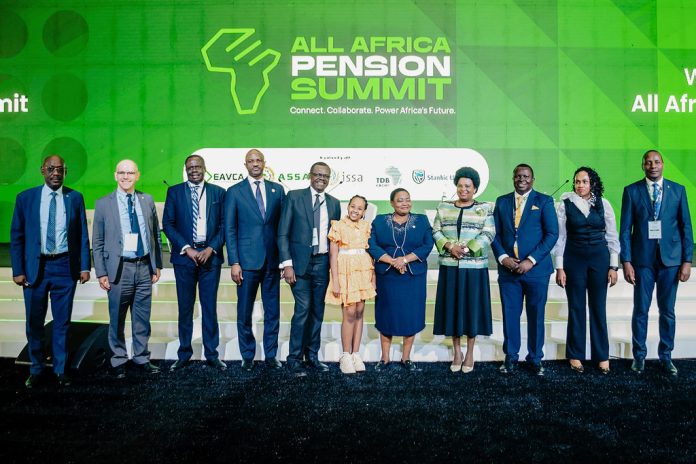
President Yoweri Museveni has called on African nations to tap into their vast pension and social security reserves, estimated at Shs53 quadrillion ($14 trillion), to fund key infrastructure projects instead of relying on expensive foreign borrowing.

In a speech delivered on his behalf by Prime Minister Robinah Nabbanja during the All Africa Pension Summit held at Speke Resort Munyonyo in Kampala, Museveni emphasized that the continent’s real problem lies not in a shortage of wealth, but in its failure to effectively utilize existing financial resources.

“Africa’s pension funds now stand at about $14 trillion, a figure larger than the lending capacity of the World Bank,” Museveni said.

“If we strategically deploy these funds, we can finance electricity, roads, housing, and education without being trapped in foreign debt,” he noted. 

The president commended Uganda’s National Social Security Fund (NSSF) for channeling investments into affordable housing and renewable energy, saying such ventures demonstrate how local resources can foster inclusive growth. He stressed that development should translate into jobs and wealth creation for ordinary citizens.

The Minister for Gender, Labour and Social Development, Betty Amongi, who supervises NSSF, reinforced the president’s message, urging African countries to transform pension funds into engines of domestic growth.

“Our overdependence on external loans has left many nations in debt cycles,” Amongi said.

She added,“We must reimagine our pension schemes as platforms for financing our own transformation.”

She cited successful examples such as South Africa’s Government Employees Pension Fund investing over $1 billion in renewable energy and Nigeria’s National Pension Commission channeling $25 billion into infrastructure.

NSSF Managing Director Patrick Ayota hailed the strong turnout at the summit, 600 delegates, surpassing the expected 350, as proof of Africa’s growing appetite for self-reliant financing.

Ayota disclosed that pension funds across East Africa are exploring the idea of pooling 1 percent of their combined $40 billion portfolio to jointly finance regional projects.

“Even one percent amounts to $400 million, enough to co-finance projects like the Kampala Expressway, which costs about $12 billion,” Ayota said.

“Such initiatives would attract additional investors while retaining more economic value within the continent,” he added.

Amongi urged pension managers to think beyond traditional savings and become active contributors to Africa’s transformation.

“Let us move from passive savings to active investment. We must invest in ourselves for ourselves,” she said.

Stories Continues after ad