Stanbic Bank
Stanbic Bank
19.8 C
Kampala
Stanbic Bank
Stanbic Bank
Home Blog Page 95

Rotary Uganda to implement Shs17b projects focused on impact, transparency & sustainability

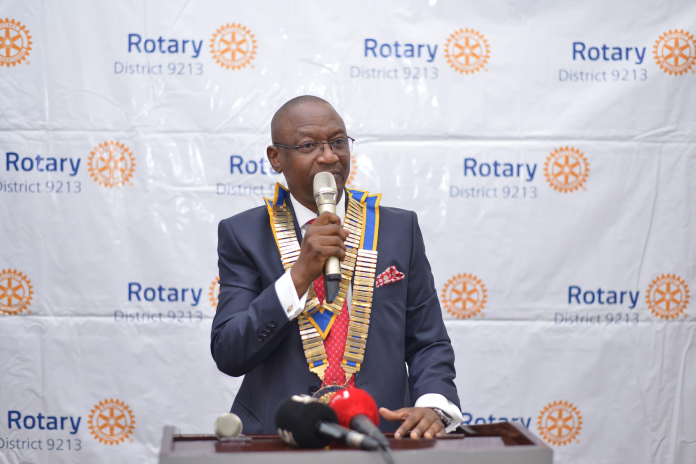
Rotary District 9213 Governor Geoffrey Martin Kitakule.

Rotary in Uganda has unveiled an ambitious plan to implement projects worth approximately Shs17 billion (about $5 million) this year with a strong emphasis on holistic community impact, transparency and sustainable development.

Speaking to journalists on Tuesday, Rotary District 9213 Governor Geoffrey Martin Kitakule announced that 137 Rotary clubs under his leadership will spearhead efforts to identify and respond to pressing community needs across the country.

“We want to ensure the impact we have in the community is holistic. In terms of goals and targets, this year, we are looking at raising over $1 million through Rotarians and by that we will be able to implement projects in communities of up to $5 million,” Kitakule said.

The District Governor outlined key focus areas for the 2025 initiatives, including promoting peace, fighting disease, improving access to clean water, supporting education, protecting the environment, saving mothers and children, and strengthening local economies.

“Ours is a business of changing lives of those not advantaged as us,” he explained.

He added, “The business of making sure the environment stays and improves, providing care to mothers to give birth in a healthy environment. This year we are not only going to implement our projects but also tell the world and members what we have done before, and by doing that, people will appreciate more what Rotary does.”

Kitakule emphasized a collaborative and inclusive approach, saying Rotary will engage more with local leaders and partners to ensure a deeper and longer-lasting community impact.

“This year we will continue working with leaders in communities and partners to make a difference in people’s lives. We want to make a lasting legacy to communities we have worked in and impacted. We want to reach out so that people understand the impact we have done in communities,” he added.

He further noted, “Through the 137 clubs, we want to consolidate and ensure sustainability of our projects so that impact is felt within communities.”

The District’s priorities align closely with the United Nations Sustainable Development Goals (SDGs), reflecting Rotary’s global commitment to people-centered development and environmental stewardship.

Rotaract District 9213 Representative Abesage Nahabwe also spoke at the briefing, revealing this year’s theme for young Rotary members: “Unite for Good.” Noting, “We are united for a good cause because isolation doesn’t deliver results but together we can do more. We are looking at creating an everlasting impact.”

Nahabwe added that unite for good is a very good message and doesn’t only come to Rotarians and Rotaractors but everyone. Adding, “We want to listen more to communities, peers, and the world around us so that as we serve, we are tackling the real problems and solving exactly that.”

Stories Continues after ad

Gen. Muhoozi tightens rope on thieving Engineering Brigade as top commanders are arrested

The arrested, Brigadier Bekunda Besigye.

The other unit that is under investigation is the fuel department.

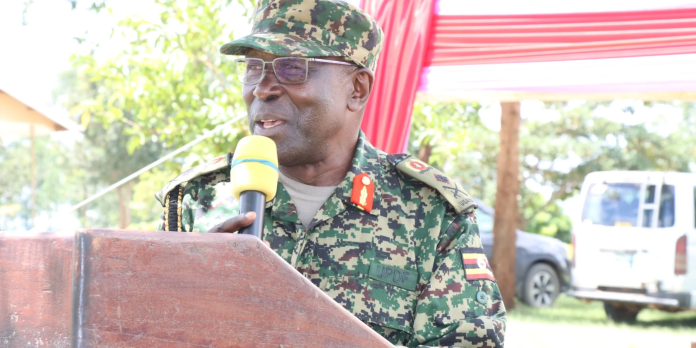
The Chief of Defence Forces (CDF), Gen Muhoozi Kainerugaba has ordered the immediate arrest of Brigadier Bekunda Besigye, the Joint Staff Chief Engineering and several senior officers attached to the UPDF Engineers Brigade over alleged corruption and misuse of public funds.

In a statement, Gen Muhoozi accused the implicated officers of betraying the core values of the Uganda People’s Defence Forces, especially its commitment to self-sufficiency and integrity.

“Yesterday, I ordered the arrest of Brig. Bekunda Besigye and other officers of the Engineers Brigade,” Gen Muhoozi declared.

He noted, “They poisoned, contaminated and desecrated a sacred principle we have always embraced as UPDF i.e. we can be self-sufficient, we can be efficient.”

The accused officers allegedly received large sums of money meant for construction and engineering works under the UPDF and misappropriated the funds, undermining both efficiency and public trust.

“They received monies and misused it! Let their punishment serve as a lesson to others,” Muhoozi said.

Eagle Online has learnt from sources that some of the arrested individuals were lending money to the Engineering brigade and had conspired most constructors who are majorly Chinese companies in the syndicate.

“We have evidence of these individuals’ lending money to the very unit employing them. Actually, one accountant meant to pay and procure goods and service on behalf of the unit was now lending the unit”. A source told this website.

The said accountant who is said to be wealthy is at the rank of Lieutenant Colonel and hails from the South Western district of Kisoro is extremely rich that he owns over 50 Sino-trucks which he hires out to the construction unit. Others under investigations are two accounts at the rank of Colonel. It is said that although Brig. Besigye and Col. Tukamwakira have been arrested, the man is the storm is this accountant who seem to have survived storms right from the early 1990’s. He is said to be a smooth operator that he has managed to swim the storms but remains at the helm of things.

Sources say the CDF is mooting the idea of attaching their property that is scattered all over greater Kampala and other parts for auction in order to recover the money.

In a shocking escalation, the CDF warned that harsher consequences await those who have plundered public resources on an even larger scale.

In one the incidences during the interrogations and search on the officials, the investigators recovered Shs1.5 billion which was being transferred to the bank account of Brig. Besigye and the money has since been intercepted and is going to be used as evidence against him at the court marital which source told Eagle Online will soon resume in August after the ongoing constitution of the court leadership is complete. Col. Godfrey Tukamwakira who is Brig. Besigye deputy has been in Makindye barracks for close a month after the audit implicated the unit.   

The other unit that is under investigation is the fuel department.

“For those who have stolen more than Shs1 billion from the people of Uganda, we shall put them in front of a firing squad!” he warned.

Severely, Gen Muhoozi has emphasized that corruption and mismanagement pose serious threats to the force’s operational efficiency and the welfare of its soldiers.

“Any individual or group with selfish interests—whether corruption, misappropriation of resources, or mismanagement of any kind—must reform immediately or leave our cherished UPDF before they are exposed,” he warned.

Muhoozi expresses the most forceful anti-corruption stances by the UPDF’s top leadership in recent years, signaling a zero-tolerance policy on internal graft.

Stories Continues after ad

U.S Embassy warns Ugandans against using tourist visas for childbirth citizenship

Images of the United States passport.

The United States Embassy in Uganda has issued a fresh advisory warning Ugandan nationals against misusing U.S. tourist visas for the primary purpose of giving birth in the United States to secure American citizenship for their children.

In a statement released on Tuesday, 1, the Embassy cautioned that such conduct is considered a violation of U.S. visa regulations and could lead to denial of current or future visa applications.

“Attention U.S. visa holders: Using your visa to travel for the primary purpose of giving birth in the United States so that your child will have U.S. citizenship is not permitted,” the Embassy warned.

The Embassy added, “Consular officers will deny your visa application if they have reason to believe this is your intent.”

The U.S. mission highlighted a growing concern over Ugandan parents entering the country on tourist visas and then relying on public funds to cover maternity and hospital bills.

“Many Ugandan parents with tourist visas travel to the United States for the purpose of giving birth, and they use government assistance to pay for their medical care,” the statement read. “These costs are passed on to the American taxpayer, and those parents may not be eligible to renew their visas in the future.”

This latest warning follows the U.S. government crackdown on visa misuse and immigration fraud. It reinforces a similar notice issued by the Embassy in March, where consular officials underscored the consequences of submitting fake or misleading information during the visa application process.

“If you submit fake documents with your U.S. visa application, you are committing fraud and risking your future,” the March statement emphasized.

The Embassy urged all Ugandan visa applicants to act with honesty, stressing that any attempt to misrepresent one’s purpose of travel especially through childbirth tourism or forged documents would be treated as a serious offense. Penalties could include visa denial, cancellation of existing visas, or permanent ineligibility to enter the United States.

The U.S. Embassy noted that visas must be used solely for their intended purposes and abuse of these privileges undermines the integrity of the immigration system.

In addition to visa misuse, the Embassy warned against overstaying legal entry periods.

“If you overstay your U.S. visa, you could face a permanent ban on traveling to the United States,” the advisory stated.

The Embassy added, “Consular officers have full access to your immigration history and will know about past violations. There is no such thing as an ‘honest mistake’ – it is your responsibility to use your visa correctly.”

Stories Continues after ad

Tycoon Sudhir, Tayebwa, others to speak at 15th Annual UK-Africa Investment Summit

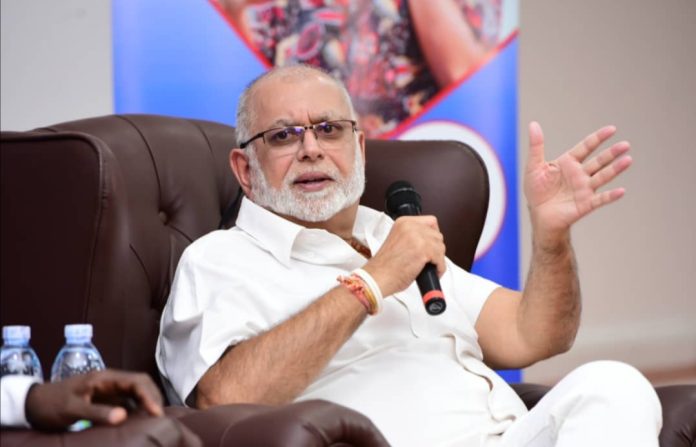
Tycoon Sudhir Ruparelia, whose work in real estate speaks volume on the Ugandan Market.

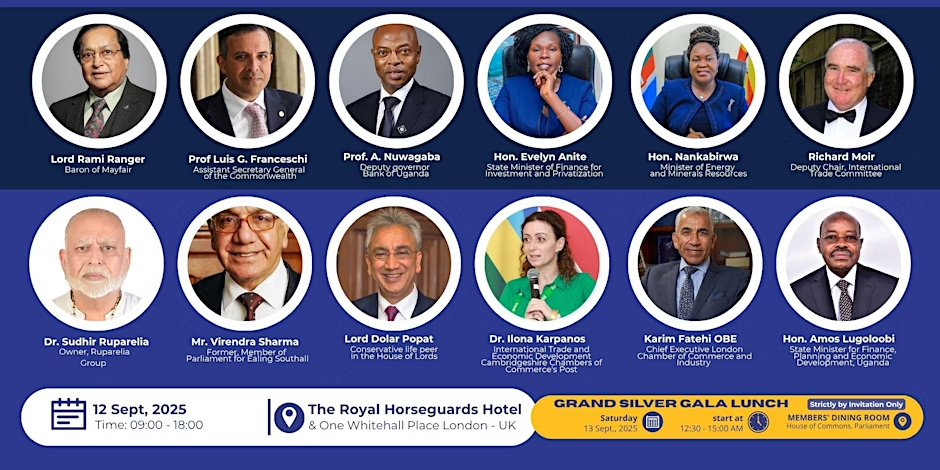
London – Uganda’s top business mogul Sudhir Ruparelia and Deputy Speaker of Parliament Thomas Tayebwa will join other high-level dignitaries as keynote speakers at the 15th Annual UK-Africa Investment Summit, scheduled to take place on September 12, 2025, at The Royal Horseguards Hotel & One Whitehall Place, London.

The UK–Africa Business Summit, regarded as the UK’s leading platform for investment and trade engagement with Africa, will bring together over 500 influential figures from government, business, finance and development. It aims to foster robust partnerships that drive sustainable growth, regional integration, and export expansion across key sectors.

Joining the summit are notable speakers including Prof. Luis Franceschi, the Assistant Secretary General of The Commonwealth, who will headline the event. Sudhir Ruparelia, Chairman of the Ruparelia Group of Companies, is expected to share insights on private sector investment in East Africa. Thomas Tayebwa, Uganda’s Deputy Speaker of Parliament will articulate the country’s legislative and institutional frameworks for attracting foreign direct investment.

Also attending is General David Muhoozi, Uganda’s Minister of State for Internal Affairs, who will speak on regional security and its role in investment protection. Ruth Nankabirwa, Minister of Energy and Mineral Development, will present Uganda’s energy roadmap. Evelyn Anite, the State Minister for Finance in charge of Investment and Privatization, will discuss opportunities in Uganda’s privatization agenda. Lt. Gen. Joseph Musanyufu, Permanent Secretary at the Ministry of Internal Affairs, Francis Mwebesa, Minister of Trade, Industry and Cooperatives and Musa Ecweru, Minister of Works and Transport, are all scheduled to speak on trade facilitation, industrialization, infrastructure development and public-private partnerships.

The summit is structured to address pressing issues such as climate change, youth unemployment, and technological advancement by providing a space for practical dialogue between investors, policymakers, and entrepreneurs. It will highlight sectors like ICT, finance, real estate, agriculture, manufacturing, renewable energy, and health, with a strategic focus on unlocking trade and investment flows between the UK and East Africa.

Participants will include high-profile investors, venture capitalists, private equity firms, infrastructure developers, government officials, African diaspora business leaders, financial institutions, market analysts, and media strategists. The summit promises to deliver not only networking opportunities but also policy insights and investment leads aimed at boosting East African exports and increasing the continent’s visibility in international markets.

Backed by key partners such as the Ruparelia Group, the World Book of Records, and NIRA, the event is expected to solidify Uganda’s growing reputation as a competitive investment hub. It will also amplify the impact of ongoing initiatives like the Uganda–UK Trade Summit and SHIPU, which continue to promote investor confidence in the country’s economy.

In a significant service-oriented move, Uganda’s National Identification and Registration Authority (NIRA) will offer ID registration and renewal services at the summit. This will make it easier for UK-based Ugandans to update their national documents critical for civic access, property rights, and cross-border travel.

This year’s summit is not just another diplomatic event, it is a bold invitation for Uganda’s diaspora to step into a co-architect role in national development. Whether through entrepreneurship, advocacy, or public service, diaspora Ugandans will have an unprecedented chance to shape the country’s future.

Stories Continues after ad

Equity Bank expands to UAE in move to connect East Africa with global markets

Equity Group Holdings Plc has received shareholder approval to establish a Representative Office in the United Arab Emirates (UAE), marking its first physical footprint outside the African continent and showcasing a new chapter in the bank’s international expansion.

The approval granted during Equity Group’s 21st Annual General Meeting held on June 25, 2025, signals the bank’s ambition to link East and Central Africa with key global economic hubs. The new office, expected to open in early 2026, will be based in Dubai, pending regulatory clearance from the Central Bank of Kenya and relevant UAE authorities.

The UAE office is set to become a critical financial bridge between Africa and regions including the Middle East, India, Central Asia, and South Asia. Equity says it will offer diaspora banking, trade facilitation, customer relationship services, investment advisory, and capital-raising opportunities.

“This is more than a footprint in the UAE,” said Dr. James Mwangi, Group Managing Director and CEO of Equity Group Holdings.

He added, “It is a gateway to integrating East Africa’s economies with global financial markets and supply chains.”

The move is particularly significant for the thousands of Equity Bank Uganda customers living and working in the Gulf including in Dubai, Abu Dhabi, and Saudi Arabia who have long yearned for direct banking access. Many in the diaspora, including professionals, laborers, and entrepreneurs, currently face delays and high costs due to limited formal financial infrastructure and reliance on informal remittance systems.

Equity Bank Uganda has actively engaged this community in recent years. Its service teams have visited the UAE and Saudi Arabia to offer tailored services, including remittances, diaspora savings products, and investment options. These visits revealed a strong demand for deeper financial integration—demand the new Dubai office now seeks to fulfill.

Once operational, the office will provide on-site support for letters of credit, supply-chain financing, and enhanced remittance platforms, greatly improving turnaround times for cross-border transactions and boosting economic activity.

This expansion comes as Equity continues to solidify its position as a leading pan-African banking group, with existing operations in Kenya, Uganda, Rwanda, Tanzania, South Sudan, the Democratic Republic of Congo (DRC), and a commercial office in Ethiopia.

The Dubai office is also expected to attract Gulf investors interested in East Africa’s fast-growing sectors, including agribusiness, infrastructure, manufacturing, and renewable energy.

With its enhanced service capabilities, Equity is positioning itself as Africa’s “one-stop financial services platform”, aiming to power economic transformation not just across the continent, but across continents.

Stories Continues after ad

Finance Ministry launches revised guidelines for issuance of certificates of financial implication

Ministry of Finance, Planning and Economic Development.

The Ministry of Finance, Planning and Economic Development has issued  revised guidelines for the issuance of Certificates of Financial Implications (CFIs), aimed at streamlining the budgeting process and strengthening accountability in the formulation of government policy and legislation.

The guidelines, published in June 2025, replace the 2015 version and introduce a more rigorous framework to assess the financial, socio-economic, and equity implications of legislative and policy proposals. The move follows persistent complaints of delays, weak impact assessments, and lack of clarity around institutional responsibilities in the previous process.

“The revised guidelines are designed to ensure timely, accurate, and comprehensive evaluations of the cost and benefits of public interventions,” said Mr. Ramathan Ggoobi, Permanent Secretary and Secretary to the Treasury, in a foreword to the document.

He added, “They also provide the foundation for automating this critical government function.”

Under Uganda’s Public Finance Management Act and the Rules of Parliament, every new Bill whether government or private member, must be accompanied by a Certificate of Financial Implication. Similarly, Letters of Financial Clearance are required for Cabinet memoranda on matters such as new policy proposals, loan agreements, statutory appointments, and ratification of treaties.

Among the major changes is the introduction of an institutionalised three-tier review system:

Regulatory Fiscal Assessment Committees (FACs) at the Ministries, Departments and Agencies (MDA) level must first approve proposals.

A second review is done by Programme Working Group (PWG) FACs.

Final scrutiny is undertaken by an Apex FAC at the Ministry of Finance before a certificate or clearance letter is issued.

The guidelines also require Ministries, Departments and Agencies (MDAs) to submit a Statement of Financial Implications (SFI) at least 60 days before seeking Cabinet or parliamentary approval. The SFI must include detailed estimates of budget impacts, economic and distributional analysis, stakeholder consultations, and risk assessments.

To further enhance accountability, the guidelines prescribe the use of Discounted Cash Flow models, Economic Net Present Value (ENPV) calculations, and distributional assessments—especially for vulnerable populations such as women, children, PWDs, and small businesses.

The Ministry also signaled plans to automate the CFI process, introducing tracking mechanisms and databases to monitor submissions, reduce paperwork, and improve transparency.

“These guidelines not only align with international best practices, but they are also grounded in the legal and policy frameworks of Uganda, including Vision 2040 and the National Development Plan,” the document states.

MDAs will now be held to stricter standards when proposing new legislation or reforms. Proposals lacking solid financial backing or thorough impact assessments risk rejection or conditional approval.

Additionally, private members proposing legislation must now collaborate with responsible MDAs to ensure the submission of a compliant financial impact statement.

With Uganda’s fiscal space under pressure and increasing scrutiny on public spending, the Finance Ministry’s move is expected to inject much-needed discipline and foresight into policy planning. The revised CFI guidelines serve as both a gatekeeper and a compass—ensuring public resources are used prudently and policies are aligned with national priorities.

Stories Continues after ad

NRM disowns city goons in party colors as Police arrest 21 over daylight robberies in Kampala

Some of the NRM supporters who escorted President Museveni to NRM secretariat to pick nomination forms.

The ruling National Resistance Movement (NRM) has distanced itself from the violent actions of goons who while donned in the party’s signature yellow t-shirts were captured on camera robbing and assaulting civilians in broad daylight around Kampala on June 28, 2025.

In a statement issued following widespread public outcry, NRM Secretary General, Richard Todwong, described the incident as “regrettable” and “very unfortunate,” suggesting it may have been a calculated move by political rivals to tarnish the image of the party especially at a time when President Yoweri Kaguta Museveni had just picked nomination forms to run again as the party’s presidential flagbearer.

“We cannot rule out that those could be elements of the opposition that dressed in our t-shirts and caused that incident,” Todwong told journalists.

He added, “Because in the history of NRM, our youth have never behaved like that. That behaviour is not for NRM. It is similar to the behaviour of other parties.”

The incident occurred around 2:00 PM along the National Theatre and UBC roundabout area, just as thousands of NRM supporters converged to witness the nomination of President Museveni at the party’s Kyadondo headquarters.

“The footage is there, the faces are known. The police are investigating each and every one of them who was involved in this,” Todwong affirmed, adding that the party had initiated joint investigations with state security agencies.

He added, “We don’t condone such behaviour and we do apologize for those that were affected. The fact that they used our t-shirt to cause that is bad enough.”

He was quick to insist that the individuals involved were not representative of the NRM’s youth wing, noting that such conduct is alien to the party’s code of conduct.

Meanwhile, police have confirmed the arrest of 21 suspects, including two females, in connection with the violent incidents.

“Police in Kampala have arrested 21 suspects, including two females, in connection with a string of robberies and assaults that occurred on June 28, 2025, around 2:00 pm, along the National Theatre and UBC roundabout area,” said SSP Patrick Onyango, the Kampala Metropolitan Police Spokesperson.

According to police, the suspects, disguised in yellow T-shirts, targeted people heading to Kyadondo to witness the nomination of President Museveni, as well as motorists, businesspeople, and pedestrians in the vicinity. Using CCTV footage, detectives tracked and intercepted the suspects in various areas.

“The arrested individuals are currently being held at CPS Kampala and Wandegeya Police Station. Victims have recorded statements, and the case file is being prepared for court,” Onyango added.

Police are investigating cases of simple robberies and assault and reviewing additional CCTV footage to identify more suspects involved in the chaos. One suspect sustained injuries while trying to flee and is currently receiving medical treatment.

“We urge anyone who was victimized but hasn’t reported to the police to come forward immediately,” Onyango appealed.

As pressure mounts, both the NRM and security authorities have vowed to ensure justice for the victims and full accountability for those behind the violent attacks.

Stories Continues after ad

Equity Group approves over Shs400b dividend, backs global expansion and new board at AGM

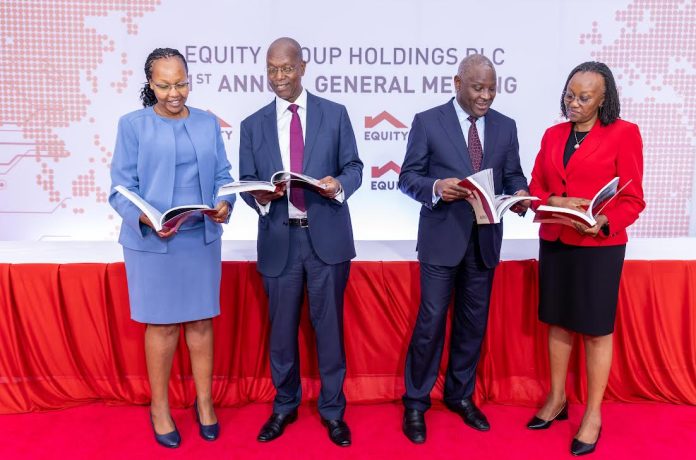
Equity Group executive led by Group Chairman, Prof, Isaac Macharia and Group Managing Director and CEO, Dr. James Mwangi during the 21th annual general meeting .

Equity Group Holdings Plc has declared a record dividend payout of Kshs.16 billion (approximately Uganda Shs444.9 billion), at an enhanced rate of Kshs4.25 (approx. Uganda Shs118) per share. The dividend, approved during the Group’s 21st Annual General Meeting (AGM) held virtually, will be payable on or about June 30, 2025 to shareholders on the register as of close of business on May 23, 2025.

The payout, representing a 34% dividend ratio, reflects Equity Group’s continued commitment to its policy of distributing 30% to 50% of its profits as dividends.

The AGM, attended virtually by shareholders from across the globe, saw unanimous support for all proposed resolutions signaling strong confidence in the Group’s strategic direction and governance.

As part of ongoing efforts to strengthen governance structures and align with the best global practices and regulatory requirements, the Group introduced and secured shareholder approval for several key governance policies. These include policies on directors’ remuneration, stakeholder engagement, transparency and disclosure, dispute resolution, and board appointment procedures. These frameworks are designed to enhance accountability, promote ethical leadership, and ensure the Group continues to uphold the highest standards of corporate governance.

Building on this governance momentum, the AGM also saw the successful election of several new Directors. Mrs. Farida Khambata, a global expert in emerging markets finance with over 30 years of experience in investment and risk management, was elected. Newly elected to the Board, subject to regulatory approvals were Mr. Nick O’Donohoe, a seasoned development finance leader with an over 30-year track record in financial services and impact investing; Dr. Aloysius Uche Ordu, an international development strategist with over three decades of experience in policy and financial innovation; Mr. Obadiah Barara, a veteran public financial management professional with 37 years of experience in public audit and governance across East Africa; Dr. Lakshmi Shyam-Sunder, a renowned financial risk expert with 30 years' experience in multilateral institutions including the World Bank Group; and lastly

Eng. David Mutombo, a global infrastructure and utility executive with over 20 years of experience in sustainable energy and water management. In addition, shareholders approved the appointment of Mr. Obadiah Biraro, Dr. Aloysius Uche Ordu, Dr. Lakshmi Shyam-Sunder, and Dr. Evanson Baiya to serve as members of the Board Audit Committee.

Furthering its strategic expansion, Equity Group received approval to establish a Representative Office in the United Arab Emirates (UAE), subject to regulatory approvals. This move aims to facilitate business, trade and investment opportunities between East and Central Africa, the UAE, and the wider Middle East, India, Central and South Asia regions.

Prof. Isaac Macharia, Chairman of Equity Group Holdings Plc, emphasized the Group’s resilience and strategic focus amidst a challenging global environment, “Despite a complex and evolving macroeconomic landscape in 2024, Equity Group remained resilient, agile, and purpose driven. We strengthened our governance structures across our six markets, aligned with emerging regulatory frameworks, and advanced key strategic initiatives including the successful integration of Cogebanque into Equity Bank Rwanda. Our commitment to the Africa Recovery and Resilience Plan is unwavering, and with the launch of our health insurance subsidiary and plans for a banking holding company underway, we are building a foundation for sustainable, specialized growth.”

“Through strong risk oversight, enhanced board capacity, and deep community impact, ranging from MSME financing and education support to healthcare and clean energy access, we continue to deliver on our promise of inclusive prosperity. The establishment of a Representative Office in the UAE marks a strategic step in deepening regional and global connectivity. With our shareholders’ continued trust, we are confident in our ability to drive meaningful transformation, sustainable development, and long-term value creation across the continent,” he added.

Dr. James Mwangi, Equity Group Managing Director and CEO, highlighted the Group’s positive outlook and strategic vision. “Equity Group continues on a strong growth trajectory, driven by our commitment to innovation, regional expansion, and sustainable practices. The establishment of a Representative Office in the UAE marks an exciting step in our journey to connect Africa with global markets, creating new opportunities for trade and investment. Furthermore, we recognize that sustainability is not just a corporate responsibility but a fundamental driver of long-term success. We are committed to integrating sustainable practices into every aspect of our business, ensuring that we create value for all our stakeholders while protecting our planet for future generations”

Looking ahead, Equity Group remains steadfast in its commitment to driving wealth creation, fostering sustainable development, and delivering exceptional value to its customers and shareholders. With a clear strategic vision, a strong leadership team, and a proven track record of innovation, the Group is well-positioned to capitalize on the opportunities that lie ahead and continue its journey of growth and impact across Africa in 2025 and beyond.

Shareholders approved a record Kshs.16 billion dividend payout at Kshs.4.25 per share, reaffirming the Group’s commitment to shareholder returns. They also endorsed key governance policies, approved new board appointments, acknowledged the retirement of four longtime directors, and authorized the opening of a Representative Office in the UAE.

Equity Group Holdings Plc. is a Pan-African financial services holding company listed at the Nairobi Securities Exchange, Uganda Securities Exchange, and Rwanda Stock Exchange. The Group has banking subsidiaries in Kenya, DRC, Rwanda, Uganda, Tanzania, South Sudan, and a Commercial Representative Office in Ethiopia. It has other subsidiaries in investment banking, insurance, telecom, fintech and social impact investments. Equity Group is the largest integrated financial services firm in the region with a market capitalization of $1.37 billion.

The Group has an asset base of USD 13.5 Billion, a customer base of 22.4 million supported by a footprint of 402 branches, 85,827 Agents, over 1.1 million Pay with Equity (PWE) merchants, 37,825 Point-of-Sale (POS) Merchants, 896 ATMs and an extensive adoption of digital banking channel. The Bank’s strong brand recognition, solid liquidity buffers and resilient funding profile, established domestic franchise and extensive adoption of digital and alternative distribution channels have seen the Bank retain title as Kenya’s most valuable brand in 2025, for second year running, and earned it the honour of being the Second Strongest Financial Brand on Earth in 2024 by Brand Finance. It was also ranked the strongest bank in Africa and 10th most valuable banking brand in Africa, with a Brand Strength Index (BSI) of 92.5 out of 100 and a brand ranking score of AAA+, the highest rating that a brand can attain.

Stories Continues after ad

Uganda enforces mandatory certification to rescue grain exports

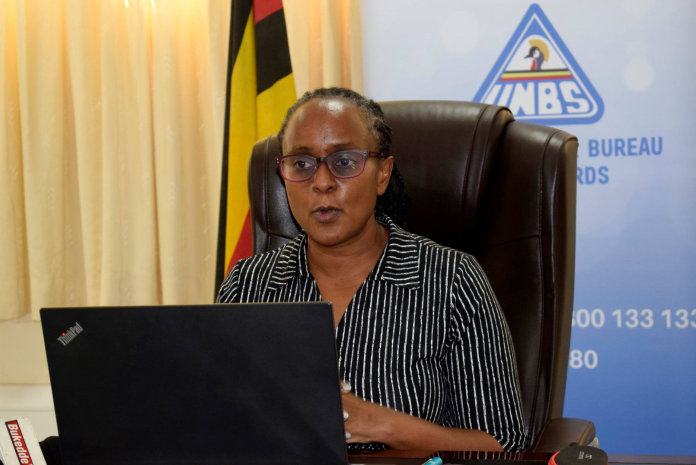
Ms Patricia Bageine Ejalu, UNBS Deputy Executive Director (Standards). eagle.co.ug photo.

Uganda has unveiled stringent new quality control measures for all grain exports in a decisive bid to restore its credibility in regional markets and curb mounting trade losses caused by substandard produce.

Starting in the first quarter of the 2025/2026 financial year, every consignment especially maize must be certified with the Uganda National Bureau of Standards (UNBS) Quality Mark (Q-Mark) and a Sanitary and Phytosanitary (SPS) permit, or risk being blocked at the border.

The policy, developed by the Crop Inspection Department at the Ministry of Agriculture, follows a decade of damaging rejections of Ugandan maize and other grains by regional markets, most notably Kenya, Rwanda, and South Sudan, over safety issues such as aflatoxin contamination.

“There will be no grain allowed out of Uganda without the Q-Mark and SPS permit,” said Ms Patricia Bageine Ejalu, UNBS Deputy Executive Director. “Buyers will now be required to source only from certified premises.”

Speaking during a nationwide training for farmers and grain processors at UNBS headquarters in Bweyogerere, Ms Ejalu said the move is intended to permanently close the quality gap that has plagued Uganda’s grain sector and eroded regional trust.

In 2021, Kenya imposed a ban on Ugandan maize due to excessive aflatoxin levels—triggering a wave of concern about Uganda’s post-harvest handling systems, storage, and processing standards.

Ms Ejalu criticised the continued export of unprocessed or poorly handled grain, warning that Uganda is effectively “donating raw materials to neighbours who process and sell back at higher prices.”

“We must take control of our grain value chain. Everyone—from farmers to millers—must participate responsibly in meeting the required quality,” she said.

She added that many milling facilities in the country fail even the most basic hygiene standards.

“We’ve seen maize being processed in facilities not cleaned for years—dust from roofs, dirt on floors, and pests in storage. It’s not always defiance. Often, people don’t know what standards exist,” she noted.

Uganda loses up to 40% of its grain harvest annually due to poor post-harvest handling, according to Mr Paul Ochuna, Country Program Manager at the Eastern Africa Grain Council (EAGC).

“Drying, sorting, and storage practices are often substandard. That’s why we’re working with farmer cooperatives to build capacity, introduce quality seeds, and offer post-harvest technologies,” he said.

He noted that many handlers lack skills in inventory management, procurement, and quality assurance, adding that EAGC is closing that gap through targeted training.

UNBS, in partnership with the Ministry of Agriculture, has already begun training and deploying inspectors across key grain-producing regions in preparation for the regulation’s rollout.

Ms Ejalu said the national certification strategy is part of a broader effort to boost Uganda’s agricultural competitiveness, secure market access, and protect farmers from future trade shocks.

“We’ve consulted widely and will continue to engage stakeholders to ensure smooth implementation. The days of exporting substandard grain are coming to an end,” she said.

Uganda’s grain sector holds massive potential to serve regional markets, especially amid ongoing food insecurity across East Africa. But experts warn that unless quality control is enforced at every stage—from farm to border—the country risks continued reputational damage and wasted investment.

Stories Continues after ad
Uganda to introduce 6-month HIV prevention injection after thorough research

The Uganda AIDS Commission has announced a major breakthrough in the country’s HIV prevention strategy, with plans to introduce Lenacapavir—a newly developed injectable drug that provides 100% protection against HIV for individuals at high risk. This comes after successful clinical research, in which Ugandan scientists played a key role.

“Uganda was one of the countries where our scientists participated in carrying out this groundbreaking research,” the Commission said in a statement released over the weekend.

Lenacapavir is administered once every six months and was recently approved by the United States Food and Drug Administration (FDA). The Uganda AIDS Commission noted that following this international approval, the drug will be made available in Uganda after consultations with stakeholders and alignment with national health standards.

To facilitate the rollout, the Ministry of Health, working with other relevant agencies, will first require the National Drug Authority to evaluate and license Lenacapavir for use within the country. National HIV prevention guidelines will then be revised to include the drug and provide a policy framework for its application.

Healthcare providers across the country will be trained and equipped with the necessary knowledge and skills to prescribe and monitor Lenacapavir use. The drug will also be incorporated into Uganda’s essential medicines list to ensure accessibility. Furthermore, new data management tools will be introduced to track usage and monitor client outcomes, ensuring accountability at all levels of the program.

“These steps are critical to ensuring the safe, effective, and accountable deployment of Lenacapavir in Uganda,” the Commission emphasized.

Once the framework is in place, Lenacapavir will be integrated into Uganda’s national HIV prevention efforts, targeting those most at risk of infection.

In the interim, the country will continue offering Cabotegravir, another injectable PrEP drug administered every two months, which has already been included in the Ministry of Health’s prevention guidelines.

“Uganda remains committed to providing effective and innovative solutions to end AIDS as a public health threat by 2030,” the Commission affirmed.

Stories Continues after ad