Parliament has approved the government’s request to borrow up to $99.6 million (about Shs374 billion) from the International Fund for Agricultural Development (IFAD) to finance the Resilient Livestock Value Chain Project (ReLiV) in 55 districts, despite sharp disagreements among MPs over its design, cost components, and beneficiaries.
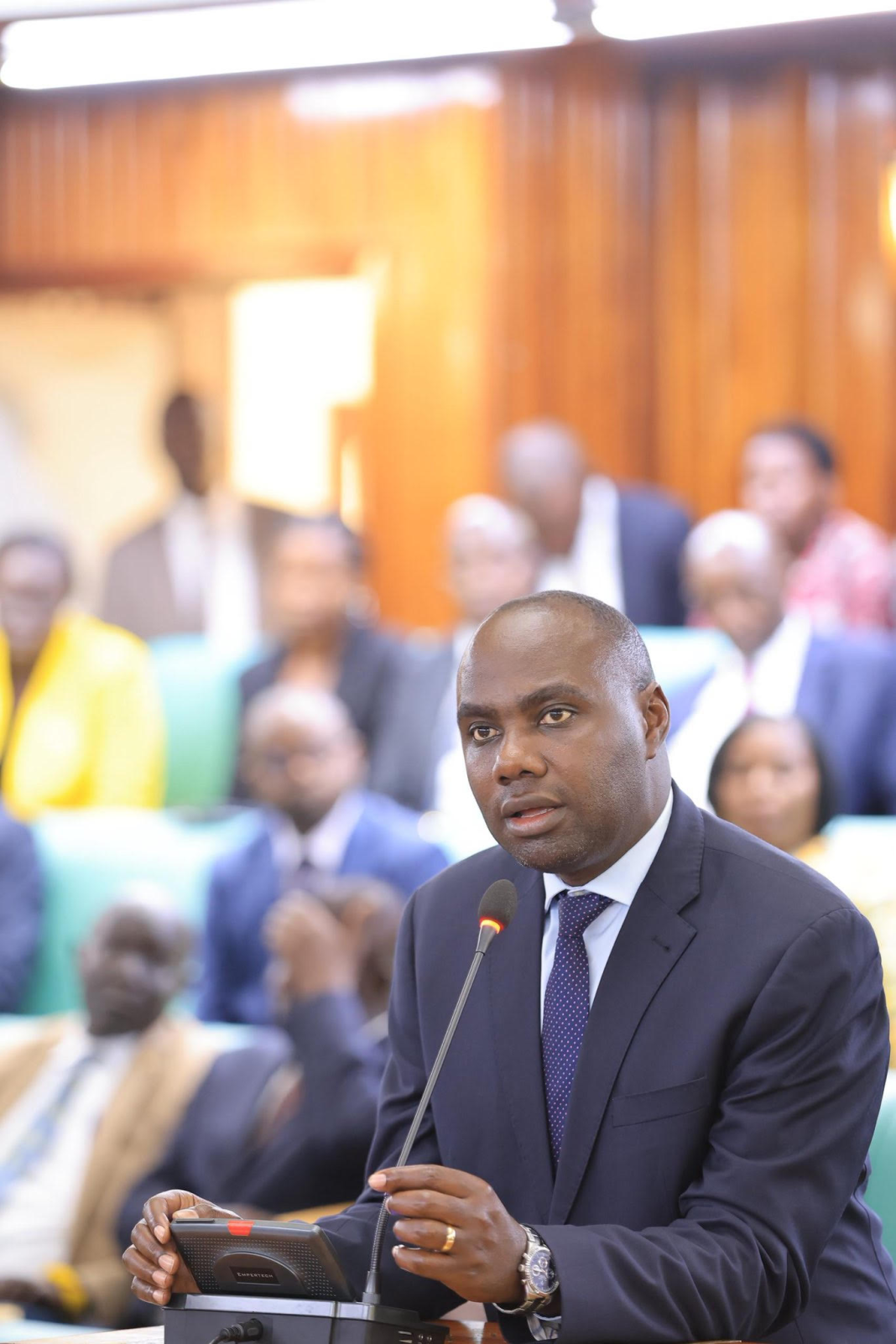
The loan request was presented by the Minister of State for Finance, Planning and Economic Development (General Duties), Henry Musasizi, during a plenary sitting on Tuesday, September 9, 2025, chaired by Speaker Anita Among.

“The goal of the project is to contribute to improved livelihoods of smallholder livestock farmers in Uganda. The project development objective is to enhance income, nutrition and resilience of smallholder dairy and beef producers,” Musasizi explained, adding that the project targets districts along the cattle corridor with high levels of poverty, food insecurity, and malnutrition.
According to the minister, the ReLiV project will directly benefit 400,000 households and an estimated 20 million people indirectly, with at least 40 percent of the beneficiaries being women and 25 percent youth.
However, while presenting the report of the Committee on National Economy, Chairperson Hon. John Bosco Ikojo (Bukedea County) recommended approval of the loan but called for its re-negotiation.

“The loan should be re-negotiated to move resources from consumptive items to acquisition of goods, services, and inputs, as well as equipment and materials,” Ikojo said. He pointed out that Shs600 million had been earmarked for the purchase of vehicles, an expenditure he argued was unnecessary.
The committee further noted that while the IFAD loan terms were highly concessional—with zero interest, a long maturity period, and a 50-year repayment window—members were not given adequate time to scrutinise the loan before approval.
“The committee notes that the proposed financing terms of IFAD are highly concessional with long-term maturing and grace periods. Of recent, government has not been having access to such concessional loans,” Ikojo stated.
But some MPs voiced strong objections. Ibrahim Ssemujju Nganda (FDC, Kira Municipality) warned that Parliament should not rubber-stamp the loan without addressing the committee’s concerns.
“With the proposals that the committee has made, they have left us with no options but to say no to this loan request. I think they are only polite not to make government look bad,” Ssemujju argued.
In defence, Minister Musasizi insisted the loan was urgently needed and had favourable conditions. “To allay Ssemujju’s fears, I would like to clarify that this loan has the best terms. The interest rate is zero and the repayment period is 50 years,” he said, stressing that the government must sign the agreement before 12 September 2025.
But other legislators, including Hon. Muhammad Muwanga Kivumbi (NUP, Butambala County), questioned whether the funds would truly reach farmers. He noted that US$59 million out of the US$99.6 million was allocated to government institutions such as the National Agricultural Research Organisation (NARO) and Kawanda Agricultural Research Institute.
“You do not see a farmer, you only see government ranches being financed. So, who is benefiting from this loan?” Muwanga Kivumbi asked. He also criticised the plan to spend US$8 million on project management, describing it as wasteful. “This looks like a classical failed project that is intended to benefit only the elite, and I am not convinced that this committee has had time to look at the benefits of this project.”
Despite these concerns, the House voted to approve the Shs374 billion loan, though pressure remains on government to re-negotiate the financing plan to reduce administrative costs and ensure the funds directly support farmers in the cattle corridor.