Uganda’s inflationary pressures eased further in October, thus bringing relief to consumers and signaling a more stable environment for businesses.
According to the Uganda Bureau of Statistics (UBOS), annual headline inflation, measured by the Consumer Price Index, declined to 3.4%, down from 4.0% in September 2025. Core inflation, which excludes volatile food and energy prices, also settled at 3.4%, reflecting broad-based price stability across the economy.

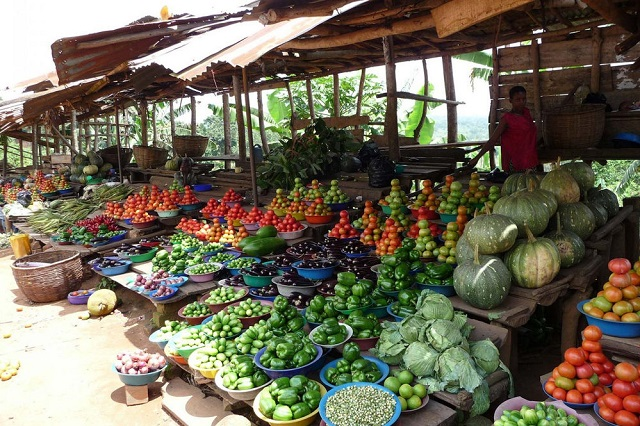
The slowdown was largely attributed to reduced food prices. Inflation for food crops and related items dropped from 7.4% to 6.1%, with notable declines in the cost of key staples such as tomatoes, whose prices fell from 30.4% to 18.8%, and pineapples, which dropped from 44.6% to 23.2%.
Core goods also posted lower price growth, with annual inflation easing to 2.6%. Sugar prices slowed to 8.9% from 15.0% a month earlier, while beef registered a modest increase of 11.6%, down from previous highs. The combination of stable food and consumer goods prices suggests a more favorable environment for households and retailers.
Transport costs provided additional relief. Annual transport inflation fell sharply to 1.0%, from 3.3% in September, driven by lower fuel prices particularly petrol, which recorded a negative 2.0% change. The services sector also saw moderation, with overall inflation dropping to 4.5% from 5.1%, supported by cheaper accommodation services now at 3.2% from 4.2%.

However, not all sectors shared in the decline. Education services saw inflation rise to 7.6% from 6.3%, tightening household budgets and raising operational costs for institutions. Kampala’s high-income earners experienced the steepest price growth nationwide, with inflation at 4.9%, largely due to education-related expenses.
Aliziki K. Lubega, speaking on behalf of the UBOS Executive Director, noted that “while the overall decline in inflation is encouraging, structural pressures in sectors such as education and clothing require close monitoring. The high inflation in education services, especially among Kampala’s high-income group, shows that urban price pressures remain concentrated in specific areas.”
The latest figures point to an improved outlook for Uganda’s economy, with easing food and transport costs boosting purchasing power and supporting business stability. However, there is caution that sustaining these gains will depend on keeping commodity prices stable and addressing persistent inflation in urban service sectors.