The construction of the 21-storey Kingdom Tower, the second phase of the iconic Kingdom Kampala is advancing steadily, reinforcing businessman Sudhir Ruparelia’s ambition to reshape Kampala’s skyline with one of the city’s most distinctive high rise developments.
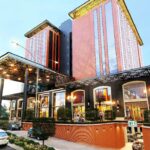
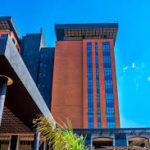
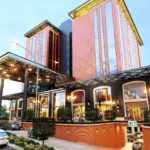
Located along Nile Avenue near UBC Hill in the capital’s central business district, the new tower is emerging as a bold architectural statement. Structural works have visibly progressed, with the building’s frame rising prominently above Nakasero, drawing attention from both city residents and investors.

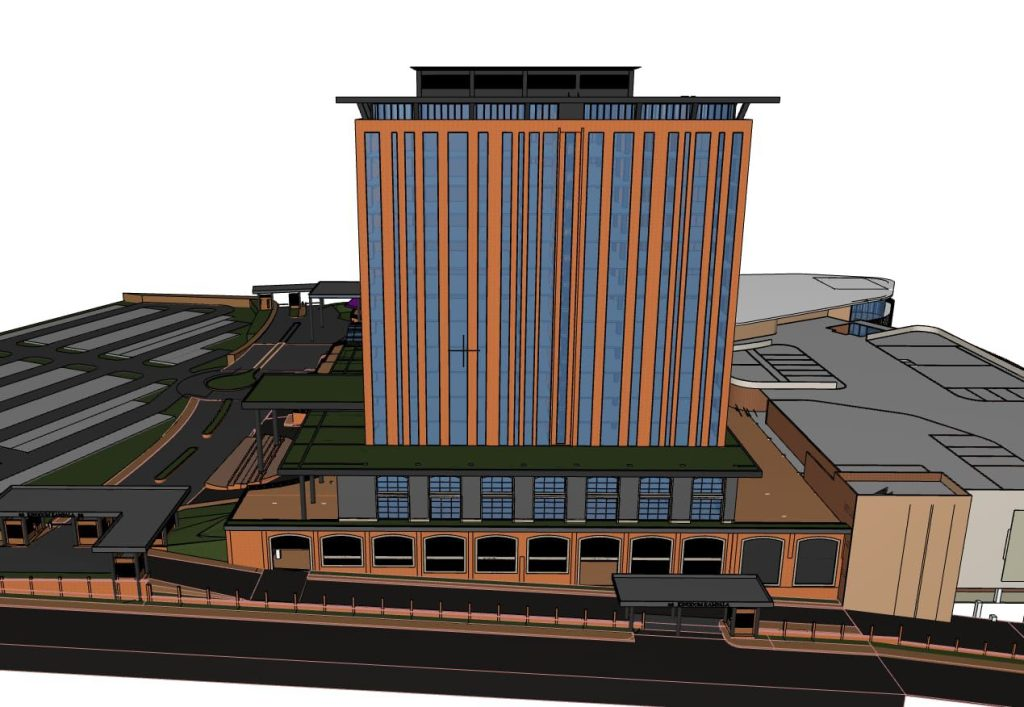
The 21-storey development is designed as a mixed use complex integrating hospitality, residential and commercial components within one vertical hub. Plans indicate the tower will host a luxury hotel estimated at about 200 rooms, exclusive serviced apartments and penthouses, premium office space for corporate tenants and retail outlets at ground level to complement the existing mall.
At the top of the tower will sit a rooftop helipad, a rare feature in Uganda’s private real estate sector. The helipad is expected to offer direct aerial access for executives, business leaders and international investors seeking efficiency in a city often slowed by traffic congestion. With Entebbe International Airport located about 40 kilometres from Kampala’s city centre, the addition provides an alternative access point for high level visitors and time sensitive travel.
Phase One of Kingdom Kampala, completed in 2019, transformed the area with a modern shopping mall, Grade A office space and expansive multi-level parking facilities. Since then, the complex has attracted multinational companies, financial institutions and top retail brands, establishing itself as one of the capital’s most prestigious commercial addresses. The second phase is set to expand that footprint significantly.

Architectural renderings of the new tower depict a sleek glass façade that blends seamlessly with the existing structure while elevating the overall profile of the complex. Developers describe it as a self-contained urban destination where residents can live, work and access hospitality services without leaving the premises.
Beyond its architectural appeal, the project carries strong economic implications. Hundreds of jobs are expected during the construction phase, with additional employment opportunities anticipated in hotel management, property administration, retail operations and corporate services once the building becomes operational. Industry observers say large scale private investments of this magnitude signal continued confidence in Uganda’s property and hospitality sectors.
Urban planners also view the project as part of a broader shift toward vertical expansion in Kampala. With the city’s population steadily growing and land within the central business district becoming increasingly scarce, high rise mixed use developments are seen as a practical response to urban pressure and infrastructure constraints.
While some critics question whether ultra luxury developments risk widening the socio economic gap, supporters argue that catalytic projects stimulate commerce, increase property values and strengthen the city’s competitiveness in the region.
As construction cranes continue to dominate the skyline above Nakasero, the steady progress of the 21 storey Kingdom Tower reveals a new phase in Kampala’s urban evolution. When completed, the helipad topped structure is expected to stand among the most distinctive commercial buildings in Uganda, further cementing Kingdom Kampala’s status as a landmark development in the heart of the capital.