Stanbic Bank
Stanbic Bank
24.7 C
Kampala
Stanbic Bank
Stanbic Bank
Home Blog Page 22

PSST Ggoobi urges internal auditors to transform audit reports into tools for reform, not records of failure

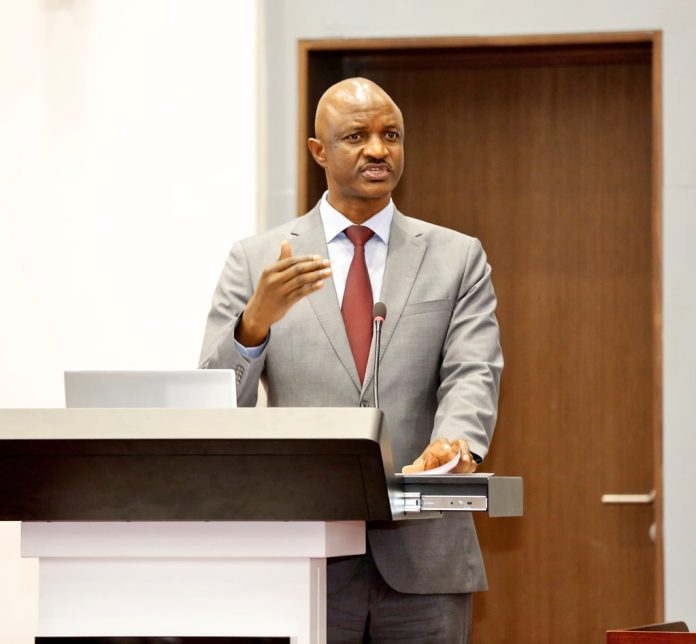
The Permanent Secretary Ministry of Finance, Planning and Economic Development, and Secretary to the Treasury, Dr Ramathan Ggoobi.

The Permanent Secretary and Secretary to the Treasury at the Ministry of Finance, Planning and Economic Development, Dr Ramathan Ggoobi, has challenged heads of Internal Audit in District Local Governments, cities and municipal councils to transform audit reports into tools for reform rather than records of recurring failure.

Addressing a high level meeting of internal auditors at the ministry headquarters, Ggoobi said the effectiveness of public service delivery hinges on the strength of oversight at the local government level, where a significant share of public resources is spent.

“More than a third of public expenditure is implemented at local governments. If an internal audit fails at this level, then the government fails where citizens actually live. Audit reports must become instruments of change, not archives of failure,”Ggoobi said. 

He warned that Uganda’s broader economic ambitions could be undermined if weaknesses in internal audit persist.

“We cannot achieve fiscal discipline, investor confidence or ten fold growth if internal audit is weak,” he said, stressing that sound financial governance is central to the country’s development agenda.

To illustrate the scale of the challenge, Ggoobi revealed that pension overpayments exceeding Shs31 billion have been made to thousands of beneficiaries. He also cited persistent payroll irregularities, ghost worker risks and diversion of funds from approved activities as evidence that public resources are not adequately safeguarded.

Procurement malpractices remain another area of concern. According to the PSST, government continues to register significant price variations for similar goods and works, alongside repeat audit findings that point to systemic weaknesses.

“These repeat findings year after year show that we are not following through to ensure corrective action,” he said.

Ggoobi outlined four structural weaknesses undermining the effectiveness of internal audit. These include a focus on compliance auditing instead of risk based auditing, weak follow up on audit recommendations, skills mismatch in the face of increasing digitisation, and limited operational independence of internal audit units.

He called for an immediate shift in approach.

“Internal auditors must audit risk, not just paperwork. They must follow the money until action happens. They must use data analytics such as IFMS analytics, payroll trend analysis and procurement price comparisons to prevent losses before they occur,” he said.

As part of government’s commitment to reform, Ggoobi pledged to strengthen the Office of the Internal Auditor General, expand training and build capacity in information technology auditing, and enhance the status and independence of Heads of Internal Audit across government entities.

He noted,“Uganda’s ten fold growth goal requires strong public finance governance,” he said. “Every wasted shilling translates into higher taxes, more debt or gaps in service delivery.”

The meeting ended with a renewed call for internal auditors to reposition themselves as frontline defenders of public resources and catalysts for accountable governance at all levels of government.

Stories Continues after ad

Court orders DFCU Bank to unfreeze customer’s Shs80m after two-year legal battle

The High Court of Uganda has ordered dfcu Bank to immediately lift restrictions on a customer’s account holding more than Shs80 million, ruling that the lender acted unlawfully and outside established legal procedures.

In a decision delivered on February 23, 2026 at the Civil Division in Kampala, Justice Joyce Kavuma directed the bank to unfreeze Account No. 01071157642434 within seven days and to pay the costs of the application filed by Mr Bob Ainebyoona.

The judge found that the continued freezing of the account for over two years, even after the customer had been cleared of criminal charges, was unjustified and in breach of both statutory requirements and the banker customer relationship.

Court documents indicate that Ainebyoona had maintained a Dembe Account with the bank and described his dealings as smooth until he attempted to withdraw funds at the Naalya branch. He was referred to the Ndeeba branch and later summoned to the head office, where he was reportedly detained and arrested over allegations involving Shs13.1 million linked to MKASH transactions.

He was charged in Criminal Case No. 0655 of 2020 before the Chief Magistrate’s Court at Buganda Road. In December 2023, the trial court acquitted him of all charges, finding no evidence of criminal wrongdoing. The court held that the disputed Shs13.1 million originated from bitcoin sales by a co accused individual.

Despite the acquittal, the bank maintained a freeze on the account, which contained Shs80,450,748.

In its defence, dfcu acknowledged that Ainebyoona was its customer but argued that internal reviews had flagged suspicious transactions. Through an affidavit sworn by its Acting Head of Financial Crime Management, the bank maintained that a criminal acquittal does not extinguish its regulatory duties where there are strong grounds to suspect proceeds of crime.

The lender relied on provisions of the Anti Money Laundering Act, asserting that it had a responsibility to prevent the possible movement of funds deemed suspicious.

However, Justice Kavuma found serious gaps in that argument. She noted that while financial institutions may take precautionary measures where suspicious activity is detected, the law requires them to report such suspicions to the Financial Intelligence Authority within 48 hours or two working days.

The court observed that no evidence was presented to show that such a report had been made.

“It is inconceivable,” the judge stated, “for the respondent to continue holding the applicant’s money on grounds of a continuing obligation to report when in fact they have not reported to the relevant authority.”

She further stressed that allegations of fraud must be strictly proved and faulted the bank for failing to produce fresh evidence beyond matters already addressed and resolved during the criminal proceedings.

Invoking Article 26 of the Constitution, which guarantees the right to property, the court held that the prolonged freeze amounted to an unlawful interference with the applicant’s property rights. While acknowledging that an initial restriction during investigations may have been prudent, the judge ruled that extending it for more than two years without statutory compliance exceeded the limits of the law.

Although Ainebyoona had sought general damages, the court declined to grant them due to lack of specific proof of quantifiable loss. He was, however, awarded costs, meaning dfcu will meet the legal expenses arising from the case.

Unless an appeal is filed, the bank must comply with the order within seven days, effectively closing a protracted dispute that began with a routine withdrawal and ended in a decisive High Court victory for the customer.

Stories Continues after ad

UDB secures Shs170b boost from AFD to drive inclusive economic growth

The Agence Française de Dévelopement Country Director, Marc Trouyet, and UDB Managing Director Patricia Ojangole, with Virginie Leroy witnessing the ceremony.

Uganda’s drive toward industrialisation and inclusive economic transformation has received a lift after the Uganda Development Bank secured a €40 million (Shs170 billion) financing facility from the Agence Française de Développement.

The long-term concessional funding, signed on Monday at UDB headquarters in Kampala, underscores growing international confidence in the Bank’s expanding role as a catalyst for sustainable development. The agreement was formalised by AFD Country Director Marc Trouyet and UDB Managing Director Patricia Ojangole, with Virginie Leroy witnessing the ceremony.

In addition to the principal financing, the package includes €800,000 in technical assistance, approximately Shs3.4 billion, to strengthen institutional capacity, project preparation, and risk management frameworks.

The facility comes at a critical moment as Uganda intensifies efforts to deepen value addition, enhance enterprise competitiveness and widen economic participation. Structured as patient capital, the funding is designed to support priority sectors that require long term investment to unlock productivity, create jobs and drive structural transformation.

UDB is currently in the second year of implementing a broader institutional strategy that extends beyond traditional lending. The Bank has expanded its mandate to include transaction advisory services, deal structuring, and mobilisation of blended finance from local and international partners, positioning itself as a central development finance anchor.

Speaking at the signing ceremony, Ojangole described the partnership as strategic leverage rather than a liquidity injection.

“We are deeply grateful to AFD for their trust and shared vision,” she said. 

She added,“This support enhances our ability to respond to Uganda’s environmental and social challenges in a structured and measurable way, particularly by expanding access to finance for underserved groups such as women and youth. Financial inclusion is essential in tackling structural inequalities and broadening economic opportunity.”

The new line of credit is expected to scale up UDB’s financing of transformative projects across agriculture, manufacturing, infrastructure, and small and medium enterprises. It will also support climate resilient investments and strengthen agricultural value chains, SACCOs, and agribusinesses that remain central to Uganda’s long term growth agenda.

Ambassador Leroy reaffirmed France’s commitment to Uganda’s economic ambitions, noting that the collaboration reflects sustained bilateral cooperation aimed at supporting Uganda’s journey toward middle income status through green industrialisation and innovation.

Trouyet added that the partnership is anchored on a triple impact approach.

“Our cooperation seeks to deliver social impact through enhanced financial inclusion for women and youth led enterprises, economic impact by strengthening productive sectors and enterprise competitiveness, and climate impact through investments in climate smart agriculture and resilient infrastructure,” he said.

The AFD and UDB agreement reinforces development finance as a strategic instrument for systemic change, aligning international partnership with Uganda’s ambition to achieve resilient and inclusive economic growth.

Stories Continues after ad

MPs question KCCA over street vendor evictions amid delayed market plans

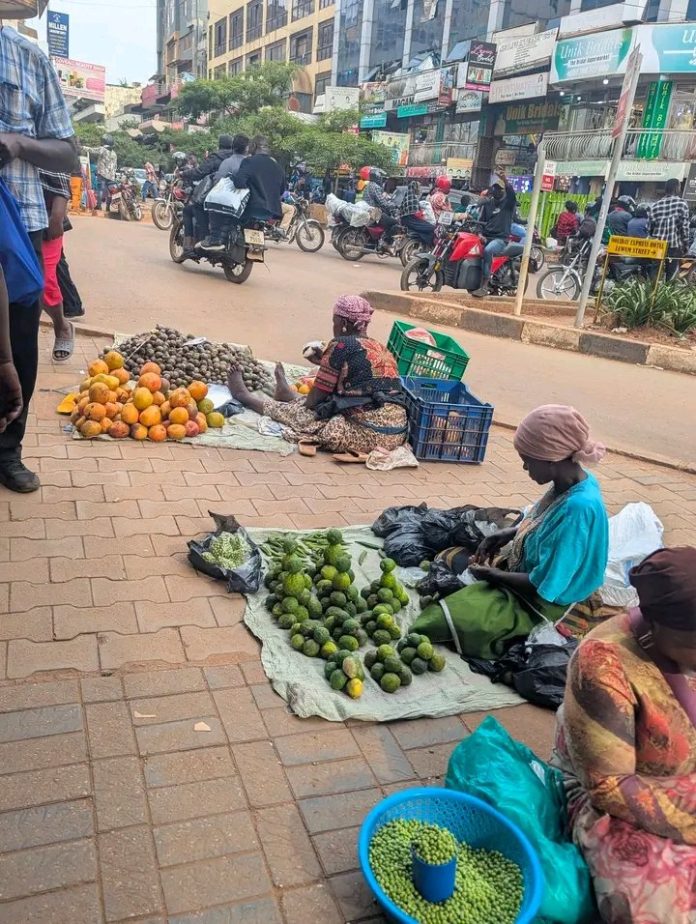
Vendors operating on the streets of Kampala.

Legislators have raised concerns over the rushed eviction of vendors from the streets of Kampala after the Kampala Capital City Authority and Metropolitan Affairs disclosed that designs for Ggaba and Usafi markets are still being finalised and are not expected to be completed for another three years.

The concerns were raised during a meeting between the Public Accounts Committee Central and top officials from Kampala Capital City Authority, who had appeared before the committee to respond to queries contained in the December 2025 Auditor General’s Report.

In recent weeks, vendors operating along major streets and road reserves in the city were removed in an enforcement operation conducted by officials from Kampala Capital City Authority, assisted by security personnel. The vendors were directed to vacate pavements, road junctions and other undesignated trading spaces on grounds that they were operating illegally and obstructing pedestrian walkways and traffic flow in the central business district.

City authorities have maintained that street vending is prohibited under existing city ordinances and that traders are required to operate only within gazetted markets and designated trading areas.

Appearing before the committee, Monica Edamachu, the Under Secretary at the Ministry of Kampala Capital City Authority, admitted that government is grappling with the challenge of providing adequate workspaces for unemployed youth, women and various economic clusters operating within the capital.

“As I talk now, we are almost completing design of Ggaba and Usafi markets such that we can have a modern facility and the design that we have developed has been in consultation with the vendors themselves. They have given us their input as well and we have done vendor census and we developed a tool as a ministry and we did vendor census,” Edamachu told MPs.

She explained that the ministry is prioritising the creation of structured and modern markets to accommodate vendors in an organised manner within the city.

“Already, we have contracted three markets in the Metropolitan, that is Kawuku Market, Wakiso Market, Mpigi Central Market, and soon, we are going to advertise for construction works for Usafi and Ggaba markets,” she said.

However, Edamachu’s submission drew criticism from members of the committee, particularly the vice chairperson, Gorreth Namugga, who questioned the timing of the evictions in relation to the delayed completion of alternative markets.

“To any person who is caring and who believes that there must be a plan for any area, it is very absurd that you just sweep away vendors from the city and then you start planning for where you will go in the next three years. You are telling us in the next three years they will be able to occupy those spaces,” Namugga remarked.

She further stressed that ensuring organised trade should not come at the expense of people’s livelihoods.

“We should stop working as if we are just helping the wannainchi. It is our responsibility to ensure that everyone works in a conducive working environment. So, we should not behave as if we are just helping the people,” she added.

Stories Continues after ad

Equity Bank Uganda completes data centre migration to Raxio facility, earns Central Bank praise

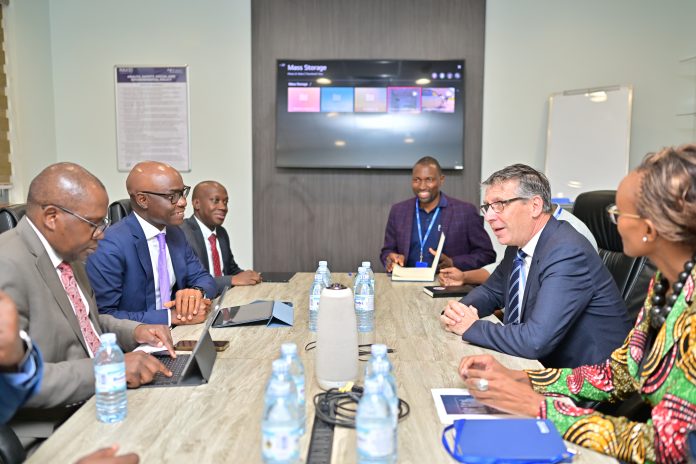
On the right, a middle-aged man with glasses, Raxio Group CEO Mr. Robert Skjodt, speaking during the official Data transfer event, looking to the left of the table is Equity Bank Uganda Executive Director.

Equity Bank Uganda has successfully completed the migration of its core data centre operations to the Raxio Data Centre in Namanve Industrial Park, marking a significant milestone in the bank’s digital transformation journey.
The move, which was completed a week ago and publicly unveiled on February 25, 2026, consolidates the bank’s critical infrastructure within a high-availability, in-country hosting facility.
The migration represents a full relocation of the bank’s core digital infrastructure, strengthening system resilience, enhancing security, and improving service reliability for customers across the country.
Uganda’s central bank welcomed the development, noting that resilient digital infrastructure is increasingly central to financial stability. The Bank of Uganda described the shift as an important step toward safeguarding the national payments ecosystem, particularly as financial services become more digitised.

David Kalyango, Executive Director for Bank Supervision at the central bank, underscored the broader significance of such investments.

“Digital infrastructure today forms the backbone of the financial system. It is not merely a technology issue, it is a financial stability issue,” Kalyango noted, adding that failures at systemically important banks can disrupt commerce nationwide.

By hosting its full data operations in a high grade local facility, Equity Bank Uganda aims to enhance transaction speeds, strengthen data security, and ensure near-continuous service availability for retail customers, SMEs, corporates, and government entities that increasingly rely on real-time digital banking services.
Claver Serumagga, Executive Director at Equity Bank Uganda, emphasized the importance of reliability in today’s operating environment.
“Our customers require secure, efficient banking at all times,” Serumagga explained. “This move strengthens platforms like Equity Online for Business and enables real-time payments, collections, trade finance, and treasury services.” He highlighted the operational benefits of local hosting, noting that it reduces latency and strengthens disaster recovery capabilities.
“Establishing local capacity improves speed, reliability, and safety while meeting growing demand for real-time banking,” he added.
For the host facility, the partnership reflects growing confidence in Uganda’s digital infrastructure ecosystem. Raxio Uganda General Manager, Caroline Kamaitha noted that secure, high-availability environments enable critical institutions to innovate with confidence.
Serumagga further emphasized the strategic importance of hosting data locally:
“Having data locally comes with a lot of advantages. This investment is about our clients. We have over 2 million customers and we need to have real impact- now we can innovate faster to meet their needs. At Raxio, reliability is number one, which is why we are partnering with you.
Having control over the data of our clients is very important and we thank our Board of Directors who have supported this investment. Our customers did not have access to our services for two days as this shift was made, and we are thankful for their patience during the data migration. What does this mean for the future? As Equity, we stand for transforming lives, mostly with dignity. Moves such as these enable us to achieve that even faster.”
The migration positions Equity Bank Uganda to operate within a strengthened, locally hosted digital environment, reinforcing regulatory compliance, enhancing operational resilience, and supporting Uganda’s continued transition toward a modern digital economy.

Stories Continues after ad

Tororo local gov’t orders PDM loan repayment

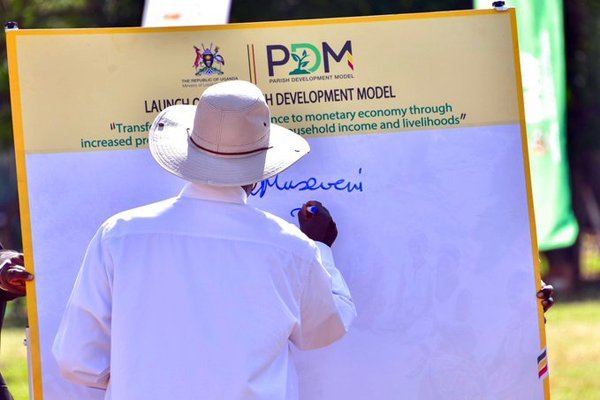
President Yoweri Museveni.

Tororo District Local Government has directed beneficiaries of the Parish Development Model to immediately begin repaying loans disbursed under the programme following the expiry of the two year grace period.

In a circular dated February 23, 2026 and addressed to all town clerks and senior assistant secretaries, the district reminded implementers that the first PDM loans were issued in December 2022 and that the 24 months granted by Cabinet ended in December 2024.

“Beneficiaries should initiate PRF loan repayment for those whose 24 months’ grace period has expired and repaying the loans should be in accordance with the previously agreed repayment schedules,” the letter reads.

The district further emphasised that repayment must strictly follow the approved government channel.

“All loan repayments MUST be made to the respective PDM SACCOs Wendi accounts and attached herein is the process flow to guide PDM beneficiaries,” the communication states.

The directive was signed by Ayo Juliet Okwir for the Chief Administrative Officer and copied to the Resident District Commissioner, District Internal Security Officer, District Commercial Officer, parish chiefs, ward agents and PDM SACCO board members to ensure the message reaches beneficiaries across all parishes.

The move marks a critical transition in the implementation of the Parish Development Model, shifting attention from disbursement to recovery and sustainability. The PDM is the government’s flagship poverty eradication strategy designed to move households from subsistence to participation in the money economy. It is anchored on seven pillars, with financial inclusion serving as the engine of the programme. Through this pillar, government established SACCOs in every parish to manage the Parish Revolving Fund.

Under the arrangement, each parish SACCO receives government capital which is then lent to verified beneficiaries at agreed terms. The loans target investments in agriculture, livestock rearing, poultry, produce trading, retail shops and other income generating activities. Beneficiaries are given a two year grace period to stabilise their enterprises before repayment begins. Once repayment starts, both the principal and agreed interest are returned to the SACCO to enable lending to new members within the same parish.

Since the programme rollout, government has injected more than Shs3.2 trillion into over 10,500 parish SACCOs across the country. Each parish has received at least Shs300 million in earlier phases, and in the current financial year an additional Shs50 million per SACCO was released as part of ongoing capitalisation. Official figures show that more than 3.2 million Ugandans have directly benefited from the funds, making it one of the largest direct household financing interventions in the country’s history.

Performance across districts has varied. Some districts have recorded near full disbursement of funds to beneficiaries, while others have faced delays linked to verification challenges, incomplete documentation, and internal administrative bottlenecks. In districts such as Hoima, several parishes reportedly exhausted their allocated funds after successful beneficiary verification and timely processing, placing them among the better-performing areas in terms of utilisation.

However, national oversight reports have raised concerns about gaps between funds released and funds actually reaching beneficiaries. By the close of the last financial year, hundreds of billions of shillings were yet to be disbursed to final beneficiaries in some areas despite being transferred to SACCO accounts. Recovery has also been slow in several districts where beneficiaries eligible to start repayment have not yet complied, raising fears about the long term sustainability of the revolving model.

The essence of the PDM revolving fund is continuity. Government’s expectation is that once the first cohort repays, the same money should circulate within the parish to finance another set of households without requiring constant fresh injections from the Treasury. If repayment is delayed or defaulted, the entire parish risks stalling access to capital for other members.

Tororo’s directive therefore brings enforcement as districts seek to protect the integrity of the fund. Local leaders are now expected to intensify sensitisation, supervision and monitoring to ensure that beneficiaries honour their obligations. 

As the repayment phase gathers pace nationwide, the success of the Parish Development Model will increasingly depend not only on how much money the government releases, but on how effectively communities manage and reinvest the funds entrusted to them.

Stories Continues after ad

United States regrets Zimbabwe decision to withdraw from $367m health deal

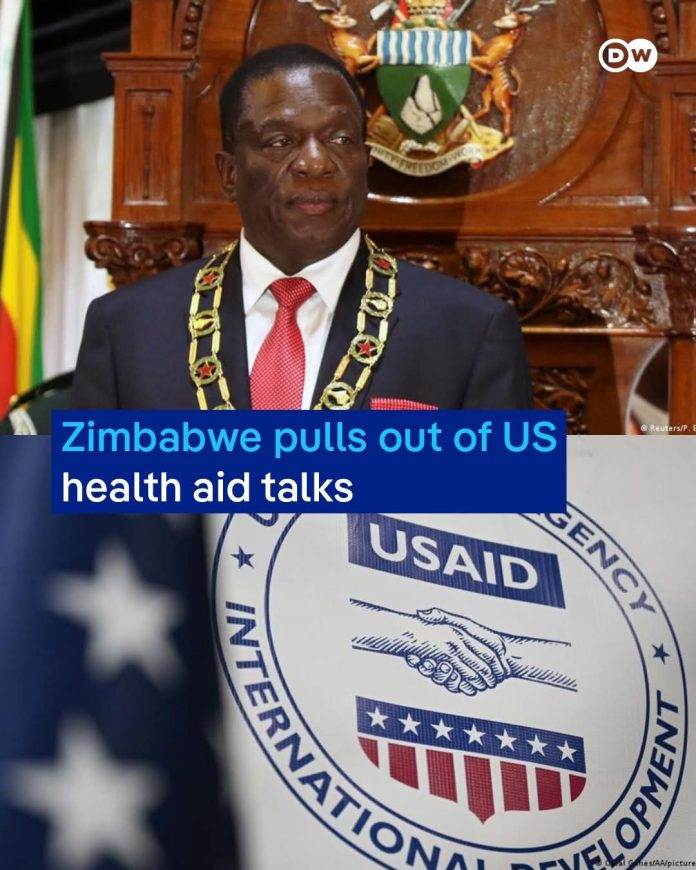
Zimbabwe President Emmerson Dambudzo Mnangagwa.

The United States has expressed regret over the Government of Zimbabwe’s decision to withdraw from negotiations on a proposed bilateral health Memorandum of Understanding that would have injected 367 million dollars into the country’s health sector over five years.

In a statement issued from Harare on February 24, 2026, the U.S. government confirmed that Zimbabwe had formally communicated its decision to pull out of the talks, bringing to a halt what would have been the largest health investment in the country by any international partner.

The proposed agreement was designed to support priority health programs, including HIV and AIDS treatment and prevention, tuberculosis, malaria, maternal and child health, and disease outbreak preparedness.

“We believe this collaboration would have delivered extraordinary benefits for Zimbabwean communities, especially the 1.2 million men, women, and children currently receiving HIV treatment through U.S.-supported programs,” said U.S. Ambassador to Zimbabwe Pamela Tremont.

She added, “We will now turn to the difficult and regrettable task of winding down our health assistance in Zimbabwe.”

According to the statement, the proposed Memorandum of Understanding was built on a co-funding model intended to promote sustainability and gradual self-reliance. Under the arrangement, Zimbabwe would have progressively increased its domestic health financing alongside American support.

The United States says it has provided more than 1.9 billion dollars in health assistance to Zimbabwe since 2006, support it credits for helping the country reach the UNAIDS 95 95 95 targets in the fight against HIV and AIDS.

The agreement was also part of a broader U.S. health collaboration framework with African nations. Sixteen African countries have so far signed similar health collaboration agreements with Washington, representing more than 18.3 billion dollars in new health funding. Of that amount, over Shs11.2 billion is U.S. assistance, while $7.1 billion dollars is co-investment from participating countries.

Ambassador Tremont emphasized accountability and shared responsibility as key pillars of the initiative.

“The United States has a responsibility to American taxpayers to invest their resources where mutual accountability, transparency, and shared commitment are assured,” she noted.

“These agreements set a higher standard for bilateral health cooperation, one that prioritizes sustainability, measurable outcomes, and shared ownership of results. The Government of Zimbabwe has assured us it is prepared to sustain the fight against HIV and AIDS, and we wish them well.”

It remains unclear what alternative funding mechanisms Zimbabwe will pursue to maintain its health programs, particularly those supporting the more than one million citizens currently on HIV treatment.

Stories Continues after ad

National Lotteries Board seizes 12 illegal gaming machines, shuts 15 premises in Kampala

The National Lotteries and Gaming Regulatory Board has intensified its enforcement operations in Kampala, seizing 12 illegal gaming machines and closing 15 unlicensed gaming premises across several city suburbs.

The coordinated operation targeted areas within the Kampala Metropolitan Police zone, including Nakulabye, Kawaala, Bwaise, Namungona, Kasubi, Natete, Nalukolongo, Katwe, Kabusu and Ndeeba.

In an enforcement alert issued on Tuesday, the regulator said the crackdown is part of ongoing efforts to weed out illegal gaming activities and ensure full compliance with Uganda’s gaming laws.

“As part of our ongoing enforcement operations, 12 illegal gaming machines have been seized and 15 gaming premises closed within KMP areas,” the Board stated.

The regulator commended members of the public for providing timely information that facilitated the operation.

“We thank the public for their vigilance and continued support in reporting illegal gaming. Together, we are strengthening compliance and protecting our communities,” the statement added.

The latest operation adds to a string of enforcement actions carried out by the Board over the past months, targeting unlicensed operators, underage gaming, and non-compliant betting outlets. Officials say several illegal slot machines have previously been confiscated in different parts of the country, while errant operators have faced penalties, closures and prosecution.

The Board has in recent years stepped up surveillance and joint operations with security agencies to ensure that all gaming activities are conducted within the law. Authorities say the move is aimed at safeguarding vulnerable groups, particularly minors, and protecting the integrity of Uganda’s regulated gaming sector.

The regulator has repeatedly warned operators against running gaming businesses without valid licences, noting that such activities not only undermine government revenue collection but also expose communities to unregulated gambling practices.

Industry players have been urged to comply with licensing requirements and operational guidelines issued by the Board, including responsible gaming standards and age verification measures.

The National Lotteries and Gaming Regulatory Board maintains that enforcement exercises will continue across Kampala and upcountry districts as part of its mandate to regulate and supervise the gaming industry in Uganda.

Residents have been encouraged to continue reporting suspicious or illegal gaming operations to the authorities.

Stories Continues after ad

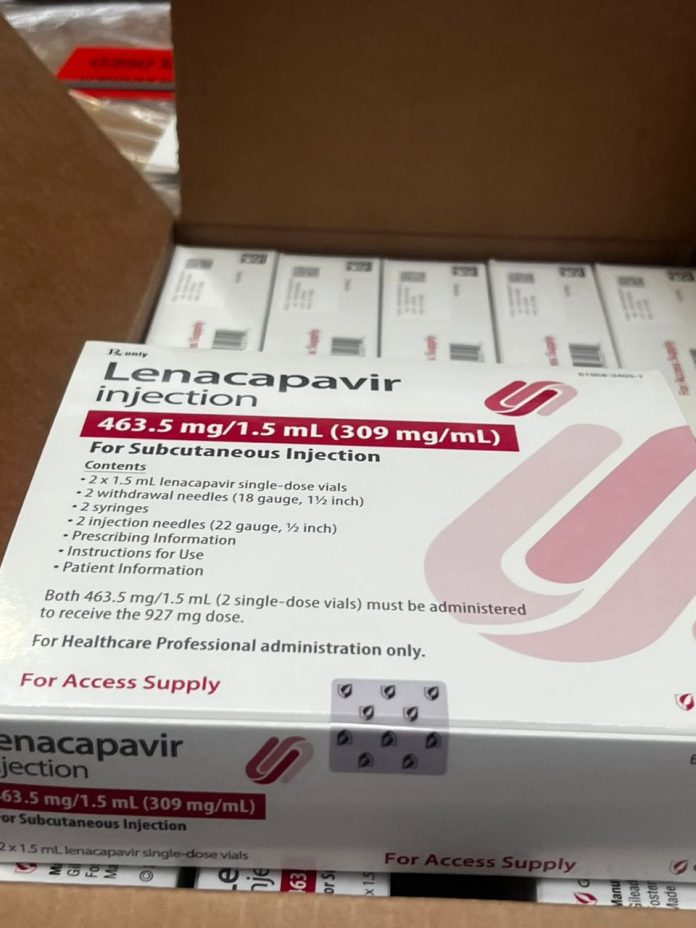
Uganda receives first batch of long acting HIV prevention drug, Lenacapavir

Uganda has received its first shipment of 19,200 doses of Lenacapavir, a long acting injectable drug for HIV prevention in order to boost the country’s fight against new infections.

The Ministry of Health confirmed that the consignment was delivered with support from the Global Fund and will be deployed to districts with the highest HIV burden beginning March 2026.

In a statement, the ministry revealed that the medicine is designed for people at substantial risk of acquiring HIV and is administered only twice a year.

“The drug is administered every six months to prevent HIV among persons at substantial risk of infection. Distribution to high burden and high incidence districts will commence in March 2026,” the Ministry of Health said.

The arrival of Lenacapavir follows its approval in January by the National Drug Authority after a review of safety and efficacy data. The injectable is manufactured by Gilead Sciences and has been described by health experts as a transformative option in HIV prevention because it removes the need for daily oral pills.

The development came months after the United States Food and Drug Administration cleared the medicine for HIV prevention, marking a significant scientific milestone in global efforts to end AIDS by 2030.

Globally, Gilead Sciences announced a United States list price of 28,218 dollars per person per year, which is about Shs101.5 million. 

However, recent findings published in The Lancet HIV indicate that generic versions could be produced at a fraction of the cost, estimated at between 35 dollars and 46 dollars per person annually, equivalent to roughly 12,500 to 16,500 Uganda shillings. The study further suggests that if five to ten million people access the drug within the first year of rollout, production costs could fall to about 25 dollars, nearly 90,000 Uganda shillings per person per year.

Reacting to the global approval of the drug, Winnie Byanyima, Executive Director of UNAIDS said that Lenacapavir is a breakthrough in HIV prevention.

“This is a breakthrough moment. Lenacapavir is the result of decades of public investment, scientific excellence, and the contributions of trial participants and communities,” she said.

Byanyima, however, cautioned that affordability will determine whether the innovation translates into impact.

“This medicine could be the tool we need to bring new infections under control, but only if it is priced affordably and made available to everyone who could benefit. Research has shown production costs as low as 25 dollars per person per year within a year of rollout. It is beyond comprehension how 28,218 dollars can be justified. If this game-changing medicine remains unaffordable, it will change nothing,” she said.

The introduction of the twice-yearly injectable offers renewed hope for populations that struggle with adherence to daily oral pre-exposure prophylaxis, and could significantly accelerate Uganda’s progress toward reducing new HIV infections.

Stories Continues after ad

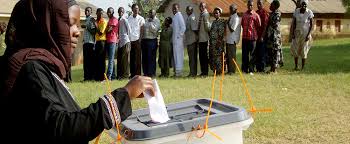
Gov’t to spend Shs56.9b on LC1, LC2 elections

KAMPALA — The Government of Uganda has approved a budget of Shs56.9 billion to facilitate the long-awaited elections for Local Council One (LC1) and Local Council Two (LC2) leaders, with voting expected to take place before the swearing-in of President Yoweri Museveni.


Cabinet cleared the funding following a proposal presented by the Ministry of Local Government and the Electoral Commission, paving the way for the grassroots elections to be conducted between March and April.
Government Spokesperson Chris Baryomunsi said the move is aimed at harmonising the country’s electoral cycle so that local council elections align with national polls. Officials argue that synchronising the elections will prevent administrative gaps and reduce costs associated with conducting stand-alone polls.
LC1 and LC2 leaders serve as the backbone of Uganda’s local governance structure, handling community dispute resolution, mobilising residents for government programs, and maintaining village registers. Their terms expired previously but were extended administratively as the government sought funding and legal clarity on the electoral roadmap.


The forthcoming elections are expected to restore a fully elected grassroots leadership system before the new national leadership assumes office in May. The Electoral Commission is expected to release a detailed roadmap, including nomination and polling dates, in the coming weeks.
Observers say the elections will test the preparedness of electoral authorities at the lowest administrative level, where political competition often plays out within tight-knit communities.

Stories Continues after ad