Stanbic Bank
Stanbic Bank
23.9 C
Kampala
Stanbic Bank
Stanbic Bank
Home Blog Page 3

Former Trade Ministry PS Geraldine Ssali to know her corruption trial fate on July 30

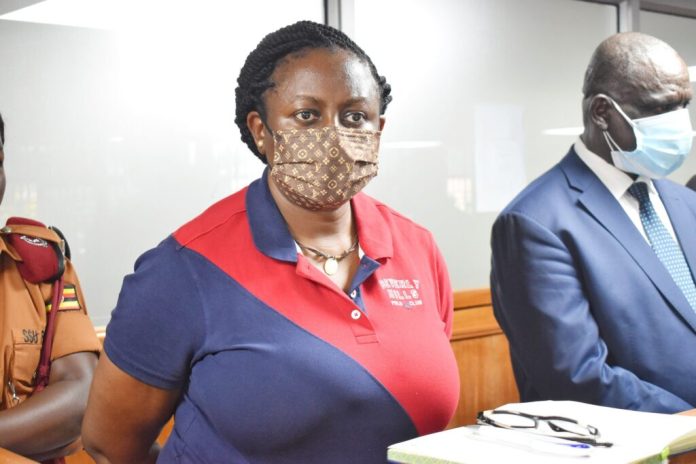
In the Dock, Ms Geraldine Ssali Busuulwa.

The Anti-Corruption Division of the High Court has put on hold the corruption trial involving former Permanent Secretary in the Ministry of Trade, Industry and Cooperatives (MTIC), Geraldine Ssali Busuulwa, and her co-accused until July 30 as it awaits a ruling from the Constitutional Court.

Ssali and Edgar Kavundira, the Principal Cooperative Officer in MTIC, are among several individuals facing corruption-related charges arising from the alleged mismanagement of Shs3.8 billion earmarked for compensation to Buyaka Growers Cooperative Society Ltd in Bulambuli District.

The two appeared before Justice Jane Akuo Kajuga on Friday for the mention of their case. However, the judge halted further proceedings pending the Constitutional Court’s determination of a petition filed by Busiki County Member of Parliament (MP) Paul Akamba, one of the accused persons in the case.

Akamba is challenging the legality of his trial, arguing that he was subjected to torture by security operatives during his arrest. He is seeking to have the charges against him dismissed on those grounds.

Other accused persons in the case include lawyer Julius Kirya of Kirya & Co Advocates, Igara East MP Michael Mawanda, and Elgon County MP Ignatius Wamakuyu Mudimi.

Ssali and Kavundira are additionally charged with abuse of office and causing financial loss to the government. The legislators face charges related to receiving stolen property and the diversion of public resources, while Kirya is accused of stealing by agent and money laundering.

According to court records, Mawanda allegedly received Shs1 billion in 2021, which prosecutors claim he used to pay creditors of Buyaka Growers Cooperative Society. He is further accused of receiving an additional Shs200 million to settle a debt arising from Commercial Division High Court Civil Case No. 28 of 2020.

The prosecution alleges that during the 2021/22 financial year, Ssali abused her authority by irregularly including Buyaka Growers Cooperative Society among the cooperatives earmarked for government war-loss compensation, despite the cooperative not appearing in the supplementary budget request dated August 4, 2021.

Prosecutors contend that the decision was arbitrary and prejudicial to the interests of her employer, the Ministry of Trade, Industry and Cooperatives.

The State further alleges that during the 2021/22 and 2022/23 financial years, Ssali authorised payments totalling Shs3.8 billion to Kirya & Co Advocates on behalf of Buyaka Growers Cooperative Society in contravention of the Treasury Instructions, 2017.

According to the prosecution, Ssali knew, or had reason to believe, that her actions would result in financial loss to the government.

The prosecution also alleges that between 2019 and 2023, Ssali, together with the other accused persons and others still at large, conspired to defraud the Government of Uganda of Shs3.4 billion intended as war-loss compensation for Buyaka Growers Cooperative Society.

Kavundira, meanwhile, is accused of influencing and coercing the chairperson of Buyaka Growers Cooperative Society to terminate its working relationship with its duly appointed legal representatives, Anguria & Co Advocates, in favour of Kirya & Co Advocates for purposes of pursuing the compensation claim before the ministry.

Prosecutors further contend that Kavundira, who served on the ministry’s verification committee, had prior knowledge of the compensation claim and the amounts due to Buyaka Growers Cooperative Society. The prosecution also alleges that the verification committee was a separate body irregularly established by Ssali.

In the 2016/17 financial year, the government established an inter-ministerial committee led by the Ministry of Trade, Industry and Cooperatives to verify compensation claims by cooperative societies for assets and property destroyed during past wars and political insurgencies.

Before the committee’s establishment, such claims were handled by the Ministry of Justice and Constitutional Affairs, which paid a total of Shs6.97 billion to various cooperative societies and unions.

Between the 2016/17 and 2022/23 financial years, compensation payments amounting to Shs137.86 billion were processed through the Ministry of Trade, Industry and Cooperatives.

Stories Continues after ad

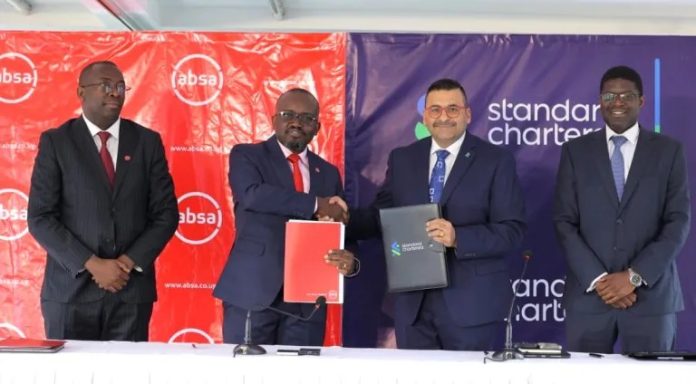
BoU approves sale of Standard Chartered bank’s wealth and retail banking business to Absa

The two teams from Absa and Standard Chartered Bank after signing the sales agreement.

The Bank of Uganda (BoU) has approved the sale of Standard Chartered Bank Uganda’s Wealth and Retail Banking (WRB) business to Absa Bank Uganda Limited, marking a significant development in the country’s banking sector.

The approval clears a key regulatory hurdle for the transaction and underscores confidence in the stability, resilience and regulatory oversight of Uganda’s financial system. It also reinforces Absa Bank Uganda’s position as a well-capitalised financial institution with a strong governance framework and a long-term commitment to the Ugandan market.

Commenting on the approval, Standard Chartered Bank Uganda Chief Executive Officer and Managing Director, Sanjay Rughani, described the decision as a reflection of the important role both institutions play in Uganda’s banking industry.

“This approval is a testament to the strength and significant contribution of both banking institutions to the sector. The transaction aligns with Standard Chartered’s global strategy of focusing on our core strengths in Corporate and Investment Banking,” Rughani said.

“We are proud of the strong retail franchise we have built over the years in Uganda and are confident that Absa Bank is well positioned to take this business forward, ensuring continuity, innovation and reliable customer experiences.”

Rughani added that Standard Chartered Uganda remains committed to supporting the country’s economic growth through facilitating trade, unlocking capital and advising clients across key sectors of the economy.

Absa Bank Uganda Managing Director David Wandera welcomed the regulator’s decision, saying it strengthens confidence in Uganda’s banking sector and Absa’s long-term presence in the market.

“The Bank of Uganda’s approval is an important milestone that reinforces confidence in Uganda’s banking system and in Absa’s long-term commitment to the market,” Wandera said.

He added,“Drawing on our experience from the Barclays-to-Absa transition in 2019, we have proven capabilities in managing complex banking transitions under regulatory oversight, while maintaining a strong focus on customer continuity and operational stability. We remain committed to delivering stable, responsible and customer-focused banking solutions that contribute to Uganda’s economic development.”

According to the two banks, the transaction will enable Absa Uganda to strengthen its retail and wealth banking operations by leveraging its existing infrastructure, digital platforms and experienced workforce to deliver high-quality banking services.

The banks emphasised that there will be no immediate changes for customers, with day-to-day banking operations expected to continue uninterrupted. Customers will continue accessing services through existing channels, while any future changes will be communicated in advance and in accordance with regulatory requirements.

The transaction between the two lenders is expected to take effect once all remaining conditions outlined in the transaction agreement have been fulfilled.

Standard Chartered Bank Uganda and Absa Bank Uganda said they will continue engaging regulators, customers and other stakeholders as the process progresses.

Stories Continues after ad

High Court orders treason trial of Kizza Besigye to take course within a week

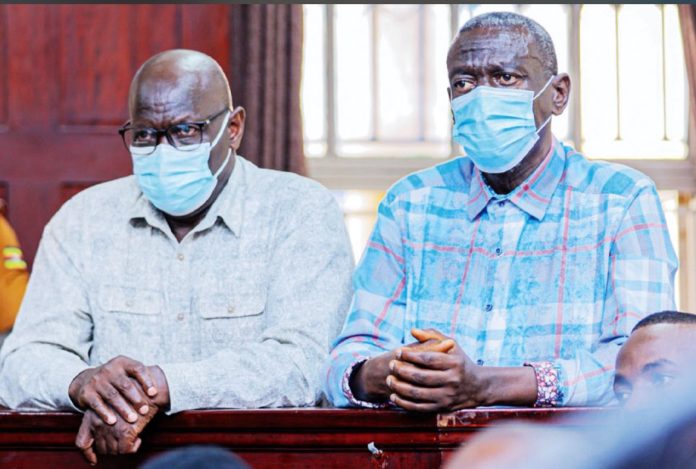
Dr Kizza Besigye and Hajji Obeid Lutale Kamulegeya.

The High Court in Kampala has cleared the way for the treason trial of veteran opposition politician Rt. Col. Dr. Kizza Besigye to commence this month, rejecting pleas by the defence for additional time to prepare and directing that the case proceed on an expedited schedule.

Presiding over the matter on Monday, Justice Emmanuel Baguma of the Criminal Division ordered that all pre-trial processes be concluded by June 8, 2026, paving the way for the prosecution to begin presenting its witnesses on June 11.

Dr. Besigye is jointly charged with his longtime aide, Hajji Obeid Lutale Kamulegeya, and Uganda People’s Defence Forces (UPDF) Captain Denis Oola. The trio faces allegations of engaging in activities aimed at overthrowing the government.

The court’s decision came after a spirited exchange between the prosecution and defence over the readiness of the case for trial.

State prosecutors, led by Assistant Director of Public Prosecutions Thomas Jatiko and Chief State Attorney Richard Birivumbuka, informed court that all evidence intended for use during the trial had already been disclosed to the defence team.

According to the prosecution, the disclosed material consists of numerous documentary exhibits as well as approximately ten hours of audio and video recordings which investigators claim link the accused persons to the alleged treason plot.

However, the defence team, led by senior lawyer Erias Lukwago and comprising Frederick Mpanga, Ernest Kalibala and Bayern Turinawe, argued that the volume of evidence required more time to analyse and prepare an effective defence.

The lawyers requested at least one month to review the materials and adequately consult their clients before the trial could begin.

“The time provided is not sufficient for meaningful preparation,” the defence submitted, insisting that the constitutional right to a fair hearing includes adequate time and facilities to prepare a defence.

The lawyers further told court that their work had been complicated by restrictions associated with their clients’ detention at Luzira Prison. They argued that access to equipment capable of playing audio and video recordings remains limited, while opportunities to meet the accused persons are constrained, especially during weekends and public holidays.

During the proceedings, Assistant Superintendent of Prisons Timothy Wasike confirmed that lawyer-client meetings are ordinarily not permitted on weekends, although special arrangements can be made upon court orders.

In response, Justice Baguma directed the Deputy Registrar to formally communicate with prison authorities to facilitate meetings between the accused persons and their legal representatives during weekends and public holidays.

The judge also ordered that arrangements be made to enable the defence team to access and review all disclosed evidence without unnecessary hindrance.

Despite those directives, the defence maintained that the period remaining before trial was inadequate given the complexity of the allegations and the volume of material involved.

The lawyers additionally argued that some witness statements had not yet been supplied by the prosecution and asked the court to halt the proceedings pending constitutional interpretation of issues they described as fundamental to a fair trial.

Among the questions raised is the meaning of “adequate time and facilities” under Article 28 of the Constitution and whether commencing the trial before resolving the preliminary concerns would be consistent with constitutional guarantees.

The defence also sought clarification on whether seven days can reasonably be considered sufficient preparation time after disclosure of evidence and whether existing restrictions on lawyer-client access meet constitutional standards.

Justice Baguma indicated that he would issue a ruling on whether the constitutional questions should be referred to the Constitutional Court.

The case stems from allegations by the state that the accused persons participated in meetings held in Geneva, Athens, Nairobi and Kampala where plans were allegedly discussed to mobilise resources, acquire weapons and organise paramilitary activities.

Prosecutors allege that Dr. Besigye interacted with a Kurdish intelligence operative identified as Andrew Wilson and received 5,000 US dollars intended to facilitate the movement of 36 Ugandan recruits to Kisumu, Kenya, for military training.

According to the prosecution, the recruits were intercepted and deported before the training programme could take place.

The state further claims that the alleged conspiracy involved attempts to acquire surface-to-air missiles, ricin poison, counterfeit currency and drone technology purportedly intended for use in attacks targeting senior government officials, including President Yoweri Museveni.

Investigators say they intend to rely on audio and video recordings, social media communications, immigration records and telephone data to support the charges.

Following the day’s proceedings, Dr. Besigye, Kamulegeya, and Capt. Oola were remanded to Luzira Prison pending the commencement of the trial and the court’s determination of the outstanding constitutional issues.

Stories Continues after ad

Attorney General’s role expands my mission of enforcing rule of law-Sam Mayanja 

Attorney General, Sam Mayanja.

Newly vetted Attorney General Sam Mayanja has dismissed suggestions that his transition from the Ministry of Lands represents a major shift in focus, insisting that his new office is a natural extension of the work he has been carrying out in government.

Speaking shortly after his vetting, Mayanja explained that while his previous role as State Minister for Lands was largely centered on enforcing land laws and government directives, his new position as Attorney General broadens that responsibility to cover the entire machinery of government.

According to Mayanja, the common thread between the two offices is ensuring that the law is respected and implemented by the institutions mandated to enforce it.

“Law and regulation, the Constitution and presidential directives which have the force of law. So where I’ve gone is an extension of what I’ve been doing, ensuring that law is implemented and that the implementing organs are allowed to do their work,” he said.

He added that there is no contradiction between his previous work in the land sector and his new responsibilities as the government’s chief legal adviser.

“There’s no contradiction between what I’ve been doing in the land field and what is in the Attorney General’s chambers. Only that this one is wider, covers the entire spectrum of government, whereas the other one was restricted to land matters,” Mayanja explained.

The veteran lawyer, who became known for his outspoken interventions on land governance, property rights and enforcement of presidential directives, said many of the challenges affecting the land sector do not necessarily require new legislation but rather effective implementation of existing laws.

Asked about gaps he identified during his tenure at the Ministry of Lands, Mayanja was quick to clarify that he did not view them as institutional failures.

“I wouldn’t say they are gaps. You can’t do everything,” he said.

He pointed to persistent issues such as land titling, cases of double titling, the functioning of district land boards and disputes surrounding land ownership, noting that many of these challenges can be addressed through improved compliance with existing legal frameworks.

“These are issues which can be done so fast without having to come to Parliament. It is just to awaken people to their status and what they need to do. That doesn’t need really much. It just needs to tell people to do their work,” he said.

Mayanja also drew a clear distinction between the role he played as Lands minister and the responsibilities he now assumes as Attorney General.

He explained that while serving in the Lands ministry, his duty was to enforce and communicate the law as enacted, rather than interpret it.

“As Minister of Lands, I was not interpreting the law. The interpretation is for the Attorney General. I was telling the law as it is. This is the law. This is the Constitution. This is the Land Act. This is the presidential directive,” he said.

Mayanja revealed that his research had convinced him that presidential directives carry the force of law and should therefore be implemented by public officials.

However, he noted that disputes over whether the implementation of a law or directive is consistent with the Constitution fall squarely within the Attorney General’s mandate.

“If somebody feels that the law as you’re implementing it is going outside the Constitution, then that will require interpretation, and then it goes to the Attorney General. So you will find me there. As for now, the law as it is must be applied,” he stated.

His remarks signal a continuation of the firm legal approach that characterized his tenure at the Ministry of Lands, where he frequently pushed for strict enforcement of existing laws and directives in efforts to resolve long-standing land disputes.

As Attorney General, Mayanja is expected to play a central role in advising government on constitutional matters, representing the state in key legal disputes and ensuring that public institutions operate within the framework of the law.

The newly vetted Attorney General says his priority will remain the same: ensuring that laws, regulations and constitutional provisions are implemented effectively across government, while providing authoritative legal interpretation whenever disputes arise.

Stories Continues after ad

Housing Finance Bank shapes dialogue on urban housing at Gulu property investment conference

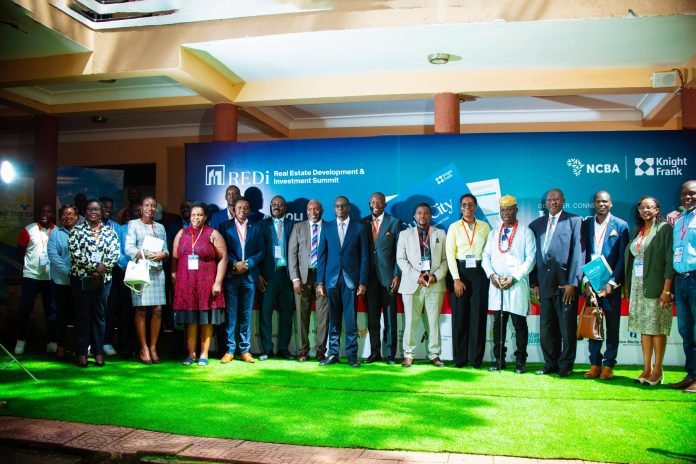
Partners pose for a group photo at the recently concluded Acholi Real Estate and Infrastructure Conference held at the Acholi Inn Hotel in Gulu.

As Uganda’s newly created secondary cities continue to expand, attention is increasingly shifting from simply recognizing their economic potential to finding practical ways to finance the infrastructure and housing needed to sustain that growth.

This conversation took center stage at the Acholi Real Estate and Infrastructure Conference held at the Acholi Inn Hotel in Gulu, organized by Knight Frank Uganda, through its REDi (Real Estate Development and Investment Summit) initiative. The conference brought together developers, financiers, urban planners, and real estate stakeholders with focused discussions on how regional cities can attract investment and deliver sustainable urban development outside Kampala.

Housing Finance Bank participated in the conference, reinforcing its commitment to expanding access to housing finance and supporting planned urban growth in Uganda’s secondary cities. The Bank’s participation aligns with its broader agenda of addressing Uganda’s housing deficit by developing practical, inclusive financing solutions tailored to how Ugandans build and invest, particularly in emerging regional markets.

Speaking during a panel discussion on financing and project delivery in regional markets, Hellen Musubika, Acting Head of Mortgage and Consumer Banking at Housing Finance Bank, emphasized that solving the housing challenge requires moving beyond traditional lending models.

“Many families build homes gradually depending on their income flow and this why Housing Finance Bank has innovated products like Zimba Mpola Mpola – an incremental housing loan that allows customers to finance construction in phases rather than take on a single large mortgage upfront.” she noted.

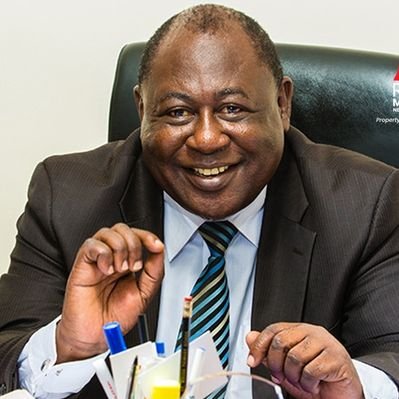
Setting the tone for the discussions, Knight Frank Uganda Managing Director Judy Rugasira highlighted Gulu’s readiness for investment.

“Gulu is open for business. It is a city that’s on the move, a city that is ready and very inviting for whoever is interested in investing,” said Knight Frank Uganda Managing Director Judy Rugasira.

Rugasira noted that Knight Frank’s recommendations are grounded in extensive field research conducted across the region.

“At Knight Frank, we believe in data-backed research. We spent time in Gulu, Nwoya, and Kitgum mapping the market to understand demand, supply, and investment opportunities,” she said.

According to findings shared at the conference, sectors such as logistics, warehousing, cold-chain storage, residential housing, student accommodation, and hospitality present strong investment potential in Gulu and the wider region.

“The momentum of growth in secondary cities like Gulu is undeniable, and their long-term success hinges on prioritizing planned, sustainable urban development now. It is crucial that the financing sector and city planners work in coordination to meet the rising demand for organized housing and supporting infrastructure,” noted Knight Frank Head of Research, Hillary Mbaihayo

From a policy perspective, the Government reaffirmed the importance of collaboration in driving national development outcomes. Joseph Enyimu, Commissioner for Economic Development Policy and Research at the Ministry of Finance, Planning and Economic Development, emphasized the need for coordinated action.

“As part of the 500-billion-dollar economy that government is building, we need goal consensus bringing together different players to see the same outcome and I think this’s conference has served that purpose,” Enyimu said.

Despite strong investment potential in regional markets, stakeholders identified access to financing as a key constraint to planned urban growth. Housing Finance Bank reaffirmed its role in closing this gap by advancing practical, inclusive solutions tailored to real market needs.

The Bank emphasized that scaling innovative models such as “Zimba Mpola Mpola,” alongside stronger public-private collaboration, will be critical to unlocking structured and sustainable urban development across Uganda’s secondary cities

Stories Continues after ad

Late Paul Kafeero’s body exhumed for DNA sampling over paternity disputes

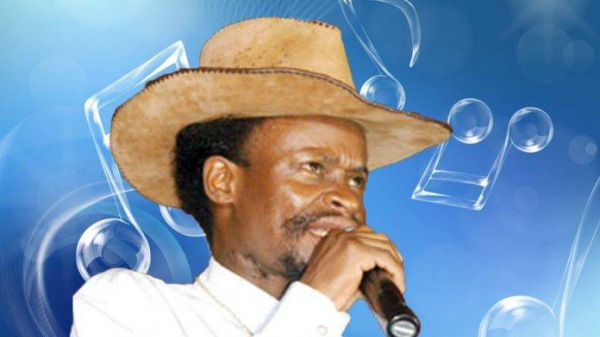
Late Paul Kafeero.

The remains of legendary Kadongo Kamu singer Prince Paul Kafeero were on Monday exhumed for DNA sampling in a major development aimed at resolving a long-running paternity dispute that has divided his family for nearly two decades.

The exercise, carried out under a court order and supervised by forensic experts from the Uganda Police Force, is expected to pave the way for conclusive scientific findings regarding more than 20 individuals who have over the years claimed to be biological children of the late musician.

The development was announced by outgoing State Minister for Youth and Children Affairs Balaam Barugahara, who described the exhumation as a significant step towards uncovering the truth and restoring harmony within the family.

“As I prepare to hand over the Youth and Children Affairs docket soon, I wish to inform the public that the long-standing paternity dispute involving over 20 young people allegedly fathered by my friend, the late Prince Paul Kafeero, will soon be resolved,”Balaam said.

“Following the successful exhumation of his remains this morning for DNA sampling, a process that has remained unresolved for over 20 years is finally underway. The family has been engaged in a prolonged dispute over this matter, and today marks a major step toward establishing the truth,”he added.

The exhumation was conducted by a team of pathologists led by Assistant Inspector General of Police Dr. Moses Byaruhanga, one of the country’s leading forensic experts, who has previously been involved in discussions surrounding the sensitive matter.

According to Balaam, the exercise was conducted professionally and in line with established forensic procedures.

“The exhumation and sample collection exercise was professionally conducted by a team of pathologists led by Assistant Inspector General of Police Dr. Byaruhanga, in accordance with the court order and established forensic procedures,” he said.

The collected samples will now be subjected to scientific analysis by the Government Analytical Laboratory and the Uganda Police Forensic Laboratory, institutions expected to provide definitive DNA results capable of settling the dispute once and for all.

“The Government Analytical Laboratory and the state-of-the-art Uganda Police Forensic Laboratory will now conduct the necessary scientific analysis to provide conclusive facts based on DNA evidence,” Balaam noted.

The controversy surrounding Kafeero’s children has persisted since the singer’s death in 2007. Shortly after his burial, several women emerged claiming that the celebrated musician had fathered their children. Over the years, the number of claimants continued to grow, sparking disagreements over inheritance, family recognition and administration of the late singer’s estate.

Previous attempts to settle the matter through DNA testing generated fresh disputes after some claimants questioned the credibility of earlier results. Court battles, family meetings and mediation efforts failed to produce a universally accepted conclusion, leaving the matter unresolved for years.

The issue has repeatedly attracted public attention, with some family members pushing for exhumation while others opposed disturbing the late musician’s grave on cultural and moral grounds. Prominent voices, including leaders within Buganda Kingdom, previously expressed reservations about the idea, arguing that the deceased should be left to rest in peace.

However, supporters of the exercise maintained that extracting DNA directly from Kafeero’s remains would provide the most reliable evidence and bring closure to one of Uganda’s most publicised family disputes.

Balaam, who has in recent months been actively involved in efforts to find a lasting solution, said the process was motivated by a desire for justice and family unity rather than conflict.

“I wish to thank the Court, the family members, Assistant Inspector General of Police Dr. Byaruhanga and his team, and the Uganda Police Force for making this important process possible. I am also grateful to have fully facilitated this exercise in the interest of justice, truth and family harmony,”he said.

The minister expressed optimism that the scientific findings will finally end years of uncertainty and allow the family to move forward.

His statement concluded with a biblical message often associated with the pursuit of truth.

“There is nothing concealed that will not be disclosed, or hidden that will not be made known,” Balaam quoted from Luke 12:2.

For many of Kafeero’s relatives, supporters and admirers, the awaited DNA results could finally bring closure to a dispute that has overshadowed parts of the legendary singer’s legacy for nearly 20 years.

Widely regarded as one of the greatest Kadongo Kamu musicians Uganda has ever produced, Kafeero remains celebrated for his influential music and enduring contribution to the country’s cultural heritage. 

Yet even years after his death, questions surrounding his estate and paternity claims have continued to generate public interest, making the latest forensic exercise one of the most significant developments in the family’s long-running search for answers.

Stories Continues after ad

Uganda to stop funding national holiday celebrations from 2026/27

Mr Ramathan Ggoobi, the Permanent Secretary, Ministry of Finance and Secretary to the Treasury.

KAMPALA | Sunday, May 31, 2026-The Ugandan government has announced that it will stop allocating public funds for the organisation of national holiday celebrations, including Women’s Day, Labour Day, and Independence Day, starting in the 2026/27 financial year.
The announcement was made on Sunday by the Permanent Secretary and Secretary to the Treasury, Dr. Ramathan Ggoobi, who said the decision is part of ongoing fiscal consolidation efforts aimed at reducing government expenditure on non-essential activities.
Dr. Ramathan Ggoobi noted that government spending will increasingly be directed toward priority sectors such as health, education, and infrastructure, as authorities seek to manage a tightening budget environment.
For years, Uganda has fully financed national celebrations marking key public holidays, with events typically featuring official state ceremonies, parades, cultural performances, and coordinated activities across different regions of the country.
These commemorations—especially Independence Day, Labour Day, and International Women’s Day—have also required substantial spending on logistics, security arrangements, staging infrastructure, and nationwide mobilisation.
Under the new policy direction, the government expects future celebrations to be funded through alternative arrangements, including private sector sponsorships and partnerships with development actors. However, officials have yet to issue detailed operational guidelines for how the transition will be implemented.
The decision is expected to trigger national debate over the balance between fiscal discipline and the symbolic importance of state-sponsored celebrations in promoting unity and national identity.
Further details are expected to be provided in upcoming budget framework papers ahead of implementation in the 2026/27 financial year.

Stories Continues after ad

France arrests hundreds after PSG’s Champions League triumph sparks night of violence

PARIS, France, May 31, 2026 — French authorities arrested more than 400 people overnight after celebrations of Paris Saint-Germain’s UEFA Champions League victory were marred by violence, looting and clashes with police in Paris and several other cities.
The disturbances erupted hours after PSG secured the biggest prize in European club football, prompting tens of thousands of supporters to pour into the streets to celebrate a victory many fans described as historic for the French champions.
By late Saturday night, major gathering points across Paris had become packed with jubilant supporters waving PSG scarves and flags. Crowds gathered around the Champs-Élysées, the Arc de Triomphe and the Parc des Princes stadium, where giant screens had broadcast the final.
As celebrations intensified, police said some groups began launching fireworks into crowds and towards security officers. Authorities reported that several vehicles were set ablaze, shop windows smashed and public infrastructure damaged as pockets of disorder spread through the capital.
Riot police were deployed to contain the unrest, with officers firing tear gas in several locations after being targeted with bottles, stones and pyrotechnics. Witnesses described scenes of confusion as celebratory gatherings gave way to running battles between police and groups of youths.
Videos circulating on social media showed flames engulfing cars, fireworks exploding in crowded streets and police units advancing through smoke-filled avenues in an effort to disperse rioters.
The Interior Ministry said more than 400 arrests had been made nationwide by Sunday morning. Officials indicated that many of those detained were suspected of vandalism, looting, assaulting police officers or participating in unlawful gatherings.
Authorities had anticipated large crowds following the final and had deployed thousands of officers across Paris and other major cities. Security barriers were erected around key landmarks, while transport authorities adjusted services to manage the expected influx of supporters.
Despite those measures, police struggled to contain all incidents as celebrations spread across multiple districts simultaneously.
Emergency services responded to dozens of calls throughout the night, including reports of fires, injuries and property damage. Several police officers were hurt during the clashes, officials said, though no immediate nationwide injury toll was released.
The violence overshadowed what had been a landmark sporting achievement for PSG. The club’s European triumph sparked celebrations not only in Paris but also in Marseille, Lille, Lyon and other French cities where fans gathered in bars, public squares and fan zones.
French President Emmanuel Macron congratulated the club on its success and praised the players for bringing European football’s top prize to France. However, government officials condemned the violence and pledged a firm response against those responsible for criminal acts.
“Nothing can justify attacks on police officers, destruction of property or violence carried out under the cover of celebration,” an Interior Ministry statement said.
By sunrise on Sunday, municipal workers were clearing debris from affected areas while investigators reviewed surveillance footage to identify additional suspects.
Prosecutors are expected to begin processing hundreds of cases linked to the overnight unrest as authorities seek to determine the full extent of the damage.
For many supporters, PSG’s long-awaited European success was a moment of pride and celebration. Yet for French authorities, the night will also be remembered for the challenge of restoring order after scenes of jubilation descended into one of the most turbulent football celebrations the country has witnessed in recent years.

Stories Continues after ad

What does the law say about Dual citizenship?

Dr Lawrence Muganga.

The appointment of Dr. Lawrence Muganga and entrepreneur Calvin Echodu to senior government positions has reignited a constitutional debate that has lingered in Uganda for more than a decade. Can a Ugandan who holds dual citizenship legally serve as a minister?

What began as routine scrutiny of President Yoweri Museveni’s latest appointments has rapidly evolved into an argument over constitutional supremacy, parliamentary powers, and the extent to which legislation can limit the rights of Ugandan citizens who also hold nationality in another country.

At the centre of the debate is Article 15(7) of the Constitution, which provides that:

“Parliament shall, by law, prescribe the offices of State which a person who holds the citizenship of another country in addition to the citizenship of Uganda is not qualified to hold.”

Acting on that constitutional provision, Parliament enacted amendments to the Uganda Citizenship and Immigration Control Act in 2009. The law’s Fifth Schedule lists several offices that holders of dual citizenship are barred from occupying.

Among the offices listed are President, Vice President, Prime Minister, Cabinet Ministers and other Ministers, Inspector General of Government, Inspector General of Police, senior military commanders, and heads of intelligence agencies.

The provision has now returned to the spotlight following Museveni’s latest appointments, some of which have been hailed as an effort to bring fresh expertise from academia, diplomacy and the private sector into government.

Calvin Echodu

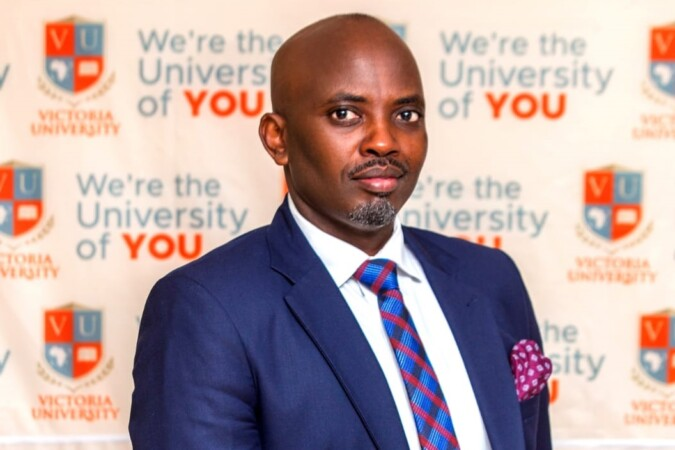
Dr. Lawrence Muganga, one of Uganda’s most prominent education reform advocates and Vice Chancellor of Victoria University, was appointed State Minister for Internal Affairs. Muganga has built a reputation as a champion of innovation, technology-driven learning, and higher education reforms, making his appointment one of the most talked-about selections in the new administration. It is alleged that he holds the nationality of three countries: Uganda, Rwanda, and Canada.

Businessman and political mobiliser Calvin Echodu was appointed State Minister for Investment and Privatisation. Echodu, who has previously sought senior leadership positions within the ruling National Resistance Movement, is widely known for his involvement in business, technology, and youth empowerment initiatives. It is claimed that he has origins in Kenya, while others claim he holds an American passport due to the fact that he is married to an American wife.

While questions have been raised regarding the citizenship status of some of the appointees, a growing number of legal commentators argue that the controversy misses the central constitutional question.

Their argument is rooted in the Constitution itself.

Article 113 of the Constitution outlines the qualifications for appointment as a minister and requires that a minister be appointed from among Members of Parliament or persons qualified to be elected Members of Parliament.

Supporters of the appointments contend that the Constitution requires only that a minister be a citizen of Uganda and nowhere expressly states that a Ugandan who holds another nationality is disqualified from serving in Cabinet.

They further point to Article 2 of the Constitution, which establishes constitutional supremacy.

“This Constitution is the supreme law of Uganda and shall have binding force on all authorities and persons throughout Uganda,” the law provides.

The same article adds that any law or custom that is inconsistent with the Constitution shall, to the extent of the inconsistency, be void.

According to this school of thought, Parliament may regulate dual citizenship under Article 15(7), but it cannot introduce qualifications for ministers that effectively contradict or override qualifications already prescribed by the Constitution.

Some constitutional scholars have also invoked the doctrine of harmonious interpretation, a principle requiring courts and public authorities to interpret constitutional provisions as a coherent whole rather than relying on isolated sections.

Under this interpretation, Uganda’s recognition of dual citizenship and the constitutional qualifications for ministers should be read together in a manner that gives effect to both provisions without unnecessarily excluding citizens from public service.

Others, however, maintain that Parliament acted within its constitutional mandate when it enacted the Citizenship and Immigration Control Act and that the restrictions remain legally enforceable unless they are amended by Parliament or overturned by the Constitutional Court.

The competing interpretations have transformed what would ordinarily have been a straightforward vetting exercise into one of the most significant constitutional debates surrounding public appointments in recent years.

Beyond the legal arguments, supporters of the appointments say Museveni’s choices reflect an effort to broaden representation in government by bringing in accomplished Ugandans from different professional backgrounds.

Muganga represents the education sector; Echodu embodies a younger generation of entrepreneurs increasingly seeking to influence public policy and national development.

The debate is no longer simply about four individuals. It has become a conversation about citizenship, constitutional interpretation, and the role of Ugandans living and working across the globe in shaping the country’s future.

As Parliament prepares to vet the nominees, attention will focus not only on their qualifications and experience but also on the unresolved legal questions surrounding dual citizenship and eligibility for high public office.

Whether the issue remains a political argument or ultimately finds its way before the courts, one thing is clear: Museveni’s latest appointments have reopened a constitutional debate that Uganda has yet to settle conclusively.

Stories Continues after ad

WHO warns of 906 suspected Ebola cases as Bundibugyo outbreak spreads in region, Uganda says no community transmission

KAMPALA — The World Health Organization (WHO) has confirmed 906 suspected Ebola cases and 223 suspected deaths linked to the Bundibugyo strain in an ongoing outbreak affecting parts of the Democratic Republic of the Congo (DRC) and neighbouring Uganda.
Health authorities, however, say Uganda is not currently experiencing community transmission, with all detected infections so far linked to cross-border movement and being managed under strict isolation and surveillance measures.
The outbreak, which remains heavily concentrated in eastern DRC, has placed significant strain on local health systems already weakened by insecurity and limited access to remote communities. The provinces of Ituri, North Kivu, and South Kivu have recorded the highest burden of suspected cases and fatalities.
According to health officials, delays in detecting infections and challenges in reaching affected populations may have contributed to the continued spread in some areas before containment measures could be fully implemented. Response teams are now focusing on rapid case identification, contact tracing, and safe isolation.
In Uganda, the Ministry of Health has intensified screening at border points, particularly in western districts that share porous borders with the DRC. Surveillance has also been strengthened in health facilities and community reporting systems to ensure early detection of any new cases.
Authorities say the country’s current situation remains under control, with no evidence of sustained human-to-human transmission within communities. All confirmed patients are receiving treatment in designated isolation units.
WHO has cautioned that the risk of regional spread remains high due to frequent movement between the two countries for trade, work, and family visits. Health agencies have urged continued vigilance, especially in border communities.
The Bundibugyo strain of Ebola, first identified in Uganda in 2007, is known to cause severe haemorrhagic illness. Symptoms include high fever, vomiting, diarrhoea, severe weakness, and in some cases, internal and external bleeding. Previous outbreaks have recorded fatality rates ranging between 25% and 50%.
Unlike other Ebola variants, there is currently no widely approved vaccine specifically designed for the Bundibugyo strain. Health experts say response efforts therefore depend heavily on rapid detection, isolation, infection prevention, and supportive care for patients.
WHO has urged countries in the region to scale up funding and operational support for outbreak response, including laboratory services, treatment centres, and community engagement activities. The organisation says early containment remains possible if response efforts are sustained and well coordinated.
Public health experts warn that insecurity in eastern DRC continues to hinder access to several affected areas, creating gaps in surveillance and increasing the risk of undetected transmission chains.
Cross-border coordination between Uganda and the DRC has been strengthened, with joint monitoring teams working to track movements and respond quickly to suspected cases. Emergency teams remain deployed in high-risk districts.
Health officials continue to urge the public to remain alert and report suspected cases immediately, especially symptoms such as sudden fever, vomiting, diarrhoea, unexplained bleeding, and extreme fatigue.
The outbreak remains under close international monitoring as efforts intensify to contain its spread and prevent further regional transmission.

Stories Continues after ad