Stanbic Bank
Stanbic Bank
22.2 C
Kampala
Stanbic Bank
Stanbic Bank
Home Blog Page 32

Storm at Gender Ministry as whistle-blower questions appointment of Kenyan to top youth programme job

Ministry of Gender, Labour and Social Development.

A fresh controversy has erupted at the Ministry of Gender, Labour and Social Development following a whistle-blower petition questioning the integrity of a recent appointment a Kenyan to a top youth sector position. 

The dispute has triggered a hot debate, revived old allegations and reawakened divisions within the ministry and the former National Youth Council.

The petition, authored by Dr Ogwang Liboni Okwirot and dated 11 November 2025 has been circulated to some of the highest offices in government, including the Vice President, Prime Minister, Attorney General and Inspectorate of Government. 

In the letter, he calls for an immediate halt or judicial review of the appointment of Kenyan Diana Evusa Libese as Programme Manager for Youth.

Dr Okwirot’s protest hinges on concerns surrounding the ongoing merger of agencies under the Rationalisation of Government Agencies programme. He claims that certain officials have taken advantage of the transition to insert unqualified individuals into strategic positions within the ministry. 

He argues that the vacancy for Programme Manager was originally intended for staff of the former National Youth Council under an internal advert issued as No. 4/2024.

Ms Diana Evusa Libese 

The whistle-blower alleges that the recruitment process was manipulated to favour Evusa, whom lacks the necessary qualifications and experience required for the senior role. He insists that the post, graded at U1, was unfairly awarded despite the availability of a more experienced and better-qualified candidate, Agnes Angiro Ogwang. 

He cites her extensive curriculum vitae, which includes an MBA, a Bachelor’s degree in Commerce and nearly two decades of public service, most notably as Executive Secretary of the National Youth Council.

In his petition, Dr Okwirot notes that senior government officials had reportedly acknowledged Angiro’s suitability for the position during earlier engagements. 

Alex Asiimwe, Commissioner Labour, Industrial Relations, and Productivity.

He further alleges that the appointment of Evusa was engineered by senior ministry figures, accusing them of fast-tracking her application, ignoring established recruitment procedures and clearing her for publicly funded academic programmes to enhance her eligibility.

He describes the incident as a serious breach of public service standards. 

“This is corruption of the highest order,” he writes in the petition, insisting that the irregularities undermine the purpose of the rationalisation process and erode public trust in the ministry.

As the new claims gain traction, attention has shifted back to unresolved accusations that emerged during Angiro’s previous tenure at the National Youth Council. Youth representatives at the time accused her of financial mismanagement and administrative irregularities. They cited issues related to her salary, expenditure reporting, procurement decisions and the length of her acting term at the council’s helm.

The youth leaders had argued that with an annual budget exceeding four billion shillings, the council needed stronger accountability mechanisms, warning that resources were being drained by salaries and travel-related expenditures at the expense of critical programmes for young people across the country.

The renewed tension has left the ministry grappling with a big rift as stakeholders await a formal response from the responsible authorities. The petition has intensified scrutiny into the recruitment processes within the Gender Ministry and raised questions about whether the current restructuring is being handled according to the principles of transparency and merit.

Stories Continues after ad

JSC appoints new deputy registrars, chief magistrates and magistrates grade I to boost judicial efficiency

H W Kayizzi Ronald.

The Judicial Service Commission (JSC) has announced a new round of appointments to the Lower Bench to strengthen service delivery and improve access to justice across the country. 

The appointments were made in accordance with Article 148 of the Constitution of the Republic of Uganda.

According to the Commission, the recruitment includes new Deputy Registrars, Chief Magistrates, and Magistrates Grade I, expanding the Judiciary’s human resource base at a critical time when caseloads continue to grow nationwide. The list issued by the JSC features five newly appointed Deputy Registrars, six Chief Magistrates, and seven Magistrates Grade I.

Chief Justice Alfonse Chigamoy Owiny-Dollo welcomed the development, describing the appointments as a strategic boost to Uganda’s justice system.

 “These additions will significantly enhance access to justice for the people of Uganda,” he said, noting that the expansion of the judicial workforce is essential for ensuring timely, efficient, and people-centered justice.

The Acting Chief Registrar, HW Lamunu Pamella Ocaya also commended the appointments, emphasizing their immediate impact on court operations. 

“These deployments will expand court coverage, take judicial services closer to the people, and fill critical staffing gaps within the Judiciary Service,” she said.

She added that the Judiciary remains committed to assigning newly appointed officers to areas where their service is most urgently required.

The new Deputy Registrars appointed from the rank of Chief Magistrate include HW Kasibayo Kosia, HW Kabombo Andrew, HW Kayizzi Ronald, HW Toloko Simon, and HW Nakyazze Racheal.

Those elevated to the position of Chief Magistrate from Magistrate Grade I include HW Ainemmbabazi Doreen, HW Mwesigye Julius, HW Ayebare Daphine, HW Tukundane Patience Lorna, HW Orya Conrad Obol and HW Muhumuza Asuman.

Newly appointed Magistrates Grade I include Mr Nanyumba Nicholas, Ms Namugoma Flavia, Mr Chemutai Ceasor, Ms Twesigye Nattukunda Phiona, Ms Nakabira Brenda, Ms Akorimo Edina Cox and Ms Khayyij Joy Janet.

The appointments are aimed at improving case management, reducing delays, and ensuring that judicial services are readily accessible to all Ugandans.

Stories Continues after ad

BoU Governor urges COMESA central banks to strengthen resilience as global shocks redefine monetary policy

BoU Governor, Dr Michael Atingi-Ego.

Bank of Uganda Governor and Chairperson of the COMESA Committee of Governors of Central Banks, Michael Atingi-Ego has called for stronger regional coordination, credible policy frameworks and renewed vigilance as African economies continue to grapple with overlapping global shocks.

Speaking on Thursday, 20 during the opening of the COMESA Central Bank Governors’ Symposium at Kigo, Atingi-Ego said the meeting comes at a time when uncertainty has become a defining feature of the global economy.

“Today, we do more than exchange ideas; we reaffirm a shared mission to safeguard stability in a world where uncertainty has become the only certainty,” The Governor told delegates gathered on the shores of Lake Victoria.

He commended participants who travelled from across the continent, saying their presence reflects a collective determination to confront economic turbulence with coordinated action.

“Your presence signals a collective resolve: that in times of turbulence, we do not retreat, we respond, we adapt, and we lead,” Atingi-Ego said.

Atingi-Ego highlighted the themes guiding the symposium, including monetary policy under global shocks, managing commodity booms and busts, and assessing financial sector resilience in the COMESA region. He stressed that these are not abstract policy conversations but urgent priorities shaping the region’s economic future.

He noted that COMESA economies continue to face asymmetric impacts from crises such as the Covid-19 pandemic, geopolitical conflicts, tightening financial conditions and climate-related disasters. These disruptions, he said, have amplified the vulnerabilities of commodity-dependent markets.

“Each shock has tested the resilience of our monetary frameworks,”he said.

He added that inflationary pressures transmitted through food and energy prices hit the poorest households hardest.

The Governor warned that when advanced economies tighten monetary policy, African countries often experience immediate capital outflows, exchange rate pressures and rising debt service costs.

“In such times, central banks must be more than technicians of interest rates they must be anchors of confidence, stewards of trust, and guardians of credibility,”he emphasised.

Atingi-Ego commended COMESA member states for the resolve shown in recent crises. He cited liquidity support during the pandemic, regulatory forbearance, decisive tightening when inflation surged, and cautious interventions to manage exchange rate volatility.

“The lesson is clear: credibility and clear communication are as vital as the policy rate itself,”he said, urging governments to preserve fiscal discipline and safeguard the independence of central banks.

Atingi-Ego said commodity price volatility remains a structural challenge for many African economies. He called for stronger monetary frameworks, reserve accumulation during booms and the deployment of macroprudential tools to smooth shocks.

He also stressed the importance of sovereign wealth funds and fiscal stabilisation mechanisms to prevent procyclical spending during commodity upturns.

Turning to financial sector stability, the Governor highlighted the need for enhanced early-warning systems, improved liquidity management and stronger coordination between fiscal and financial authorities.

He said regional initiatives including the COMESA Committee of Governors, the African Continental Free Trade Area (AfCFTA), and the Regional Payment and Settlement System are strengthening the continent’s ability to withstand shocks.

Atingi-Ego also pointed to Uganda’s own progress, noting that the Bank of Uganda has implemented risk-based supervision, regular stress testing and integration of sustainability into monetary and regulatory policy.

“Despite global fuel price surges and pandemic aftershocks, our financial sector remained stable supported by prudent regulation and adequate capitalisation,”

he said.

He added that the expansion of mobile money has driven financial inclusion but introduced new risks requiring consistent oversight.

The Governor noted that new technologies such as FinTech, digital currencies and data analytics present both opportunities and vulnerabilities.

“Our role is to create an enabling environment where innovation thrives within a framework of trust, transparency, and resilience,”

he told participants.

He urged central banks to adopt forward-looking policies that anticipate crises rather than simply respond to them.

Atingi-Ego also thanked the symposium’s guest speakers, Prof. Njuguna Ndung’u and Prof. Victor Murinde, whose insights, he said, would enrich the day’s discussions.

Stories Continues after ad
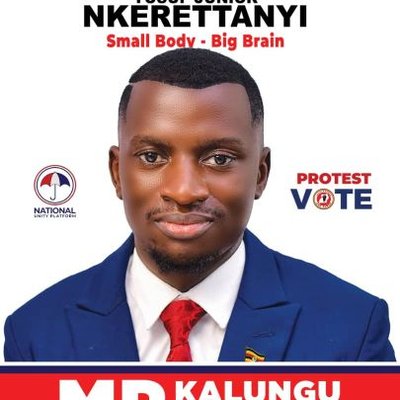
EC announces recruitment of biometric voter kit trainers and operators ahead of 2026 general elections

The Biometric Voter Verification Kit.

The Electoral Commission (EC) has announced nationwide recruitment of Biometric Voter Verification Kit (BVVK) Trainers and Operators in order to strengthen the integrity and efficiency of the 2025/2026 General Elections.

According to EC spokesperson Julius Mucunguzi, the exercise is aimed at ensuring that the Commission deploys highly skilled and disciplined personnel capable of managing Uganda’s Biometric Voter Verification System (BVVS) during the election period.

“The Electoral Commission is seeking competent Ugandans of proven integrity, excellent work ethic, and the right technical skills to support the management of the Biometric Voter Verification System in the upcoming elections,” Mucunguzi said.

He noted that the recruitment is open to all eligible and qualified citizens across the country, adding that the Commission upholds a fair and merit-based selection process.

“As an Equal Opportunity employer, we encourage all qualified persons to apply for these short-term contract roles,” he emphasized.

The EC is hiring 1,050 BVVK Trainers—three per county who will be stationed at district EC offices. Their primary role will be to train BVVK operators and provide on-site technical support before, during, and after polling.

Mucunguzi explained that the trainers will play a crucial part in preparing field teams to competently operate the biometric system.

“These trainers will ensure that every operator understands how to use the equipment, troubleshoot issues, and maintain system integrity throughout the electoral process,” he said.

The trainers’ duties include preparing training materials, conducting sessions, assessing trainees, documenting challenges, and providing technical reports. They will also be deployed on polling day to offer hands-on support.

Qualified applicants must possess at least a diploma, preferably in IT-related fields, be registered voters, and be able to work long and irregular hours.

The Commission is also recruiting BVVK Operators, who will form the frontline of voter verification at more than 30,000 polling stations.

“Each BVVK operator will be responsible for verifying voters and scanned ballots using the biometric kits, under the supervision of the Presiding Officer,” Mucunguzi said.

Operators will ensure the kits are fully charged, secured, and used strictly according to EC guidelines. Their responsibilities will also include scanning the Declaration of Results forms and accountability documents before sealing them in tamper-proof envelopes.

Applicants must have at least an A-Level certificate, basic skills in operating Android devices, and must be registered voters in the districts where they intend to serve. Application Deadline: 21 November 2025

Both BVVK Trainers and Operators must submit typed applications, certified academic documents, passport-size photos and valid National IDs to their respective District Election Administrators by the deadline.

Shortlisted candidates will be notified through district notice boards.

Mucunguzi urged the public to take this opportunity seriously.

“This recruitment is a vital component of our preparations for the 2026 General Elections. We want dedicated Ugandans who are ready to serve with professionalism and uphold the credibility of the electoral process,” he said.

He further reminded applicants to strictly follow submission procedures.

“Applications must be hand-delivered and clearly marked with the position being applied for. Any incomplete submissions will not be considered,” he warned.

The engagement period for both categories will run for three months, covering pre-election training, polling day activities, and post-election tasks.

Stories Continues after ad
Works Ministry updates on major road constructions across the country

Some of the ongoing road projects.

The Ministry of Works and Transport has announced updates on ongoing maintenance works across several key road networks, following weeks of heavy rainfall that have affected transport and community access in multiple regions. 

The ministry’s station teams have been deployed to grade worn-out sections, clear blocked drainage channels and restore safe travel conditions on gravel roads nationwide.

In its latest update, the Ministry said its emergency maintenance response remains active across districts experiencing flooding and landslides. 

“Nationwide Road Maintenance response: Our station teams are grading roads, reopening clogged drainage channels to ensure safe and reliable travel conditions across gravel roads,” the statement noted.

Works Ministry, Permanent Secretary Bageya Waiswa said the Ministry continues to closely monitor the entire road network, especially areas prone to weather-related damage. 

“With the current heavy rains, our teams will keep monitoring the network and restoring any sections affected by floods or landslides,” Bageya said.

Several key roads have been listed among those currently under maintenance. These include the Adjumani–Simanya Road, where grading works are underway to improve surface conditions; the Bukwiri–Kyankwanzi Road, where teams are restoring failed drainage channels; and the Hamurwa–Karere–Kanungu Road where heavy equipment is already deployed to smoothen deteriorated sections.

In Kigezi sub-region, station teams are working on the Kanyantorogo–Butogota–Buhoma Road, an important route for residents, farmers and tourism operators connecting to Bwindi. 

The Ministry has also confirmed active maintenance on the Ocher–Namasale Road, aimed at improving accessibility for communities that often face isolation during peak rainfall seasons.

The Ministry said the southwestern team in Kabale is making significant progress on multiple routes where road shoulders and surfaces have been severely affected. 

“Our station team in Kabale is carrying out grading works to improve the surface condition and restore smooth, reliable travel for all road users,” the update added.

The ministry reiterated that maintenance operations will continue across the country for the duration of the rainy season, with priority given to routes that support trade, tourism and essential community movement and also emphasised its commitment to ensuring that roads remain open and communities stay connected.

“Keeping roads alive and communities connected!” he rallied.

Stories Continues after ad
Speke Resort and Convention Centre Munyonyo shines as Uganda showcases Hotels and safari lodges

Speke Resort and Convention Centre Munyonyo Manager (standing right) plus his team, join Ms Susan Muhwezi, the chairperson of Uganda Hotel Owners' Association, and the Executive Director of Uganda Tourism Board, Ms Juliana Kagwa, at the event.

Speke Resort and Convention Centre Munyonyo is part of a 10-member private-sector delegation representing Uganda at IBTM World 2025 in Barcelona, where the country is exhibiting its full Meetings, Incentives, Conferences and Events (MICE) value chain. 

Uganda’s team includes convention centres, hotels, destination management companies, professional conference organisers, safari lodges and incentive-travel designers.

The international expo, which opened on November 18 and runs until November 20, at Fira Gran Via, brings together global players in the meetings and events industry. Organisers describe IBTM World as a platform where the sector gathers to adapt to change, solve emerging challenges, and accelerate innovation through targeted business engagements.

Uganda’s participation is aimed at strengthening its marketing presence in the global MICE market by showcasing its ability to host high-level conferences and corporate events while offering unique tourism experiences. Delegates are banking on IBTM’s precision-powered matchmaking sessions, curated content and collaborative exchanges to generate business leads and attract event planners looking for destinations that combine both professional and leisure experiences.

Nominated for the Ekkula award, Speke Resort Munyonyo.

Speke Resort Munyonyo is being highlighted as one of Uganda’s flagship venues. Located on the shores of Lake Victoria, the resort is known for hosting major conferences, government summits and high-profile regional events. Its convention centre offers expansive ballrooms, multiple meeting rooms, large outdoor event spaces and a wide range of accommodation options, making it one of East and Central Africa’s most established conference facilities. 

The resort’s amenities including restaurants, gardens, marina activities and leisure facilities also position it as a versatile choice for organisers who want to blend formal meetings with relaxation or incentive activities.

Uganda’s delegation says this year’s exhibition provides an opportunity to present the country as a competitive and complete MICE destination. The team notes that visitors to their stand are being introduced to conference venues in Kampala, safari add-ons across national parks, and tailored incentive programmes that can be packaged around corporate events.

According to the Uganda Convention Bureau, the aim is to secure bookings for the coming years and strengthen relationships with event planners seeking fresh destinations. Representatives said Uganda’s presence at IBTM World reflects the country’s renewed commitment to growing its MICE sector and increasing its visibility in major global markets.

As the event continues in Barcelona, Uganda’s stand is offering a comprehensive showcase of what the country can provide, from world-class meeting venues such as Speke Resort Munyonyo to exceptional wildlife and cultural experiences that appeal to international event organisers.

Stories Continues after ad
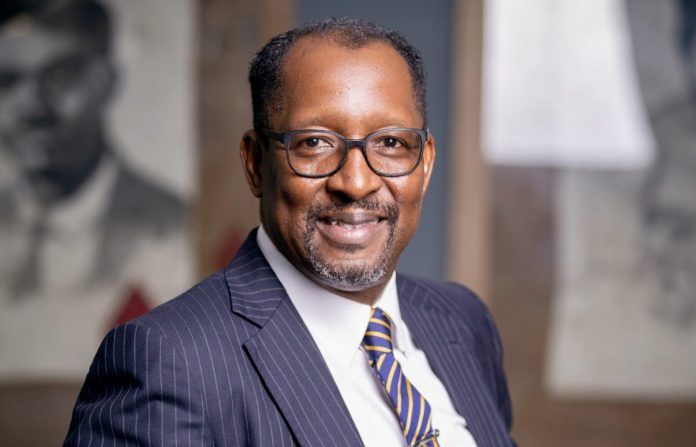
Modernity vs traditional upbringing: The growing concern in Bugisu Sub-Region

Mr Wamutu James.

By Wamutu James,

Public Health Specialist

Mbale City, Uganda – The Bugisu Sub-Region, known for its rich cultural heritage, is witnessing a silent struggle between modernity and traditional upbringing, affecting the growth and development of adolescents.

As the world becomes increasingly interconnected, the Bugisu Sub-Region is not immune to the influences of modernization. However, this shift is raising concerns among community leaders and parents about the erosion of traditional values and cultural practices that have been passed down through generations.

“Our children are being torn between two worlds,” said Sarah Namutosi, a parent from Mbale City. “They are being taught one thing at school and another at home, and it’s causing confusion and conflict.”

According to a recent study, adolescents in the Bugisu Sub-Region are facing numerous challenges, including increased risk of HIV infection, teenage pregnancy, and substance abuse.

“Modernity has brought about many benefits, but it has also introduced new risks and challenges,” said Dr. James Wamukoya, a public health expert. “We need to find a balance between preserving our cultural heritage and embracing modernity in a way that promotes healthy growth and development among our adolescents.”

The study revealed that adolescents who adhered to traditional values and practices were more likely to delay initiation of sex and have better reproductive health outcomes compared to those who adopted modern lifestyles.

However, the study also found that traditional practices such as early marriage are still prevalent in some parts of the region, highlighting the need for education and awareness campaigns to promote girls’ education and empowerment.

The social economic implications of this struggle are significant. Adolescents who drop out of school or engage in risky behaviors are more likely to experience poverty, unemployment, and poor health outcomes, perpetuating the cycle of poverty.

“Investing in adolescent health and education is crucial for the development of our region,” said Hon. James Waisiki, a local leader. “We need to work together to promote a balanced approach that preserves our cultural heritage while embracing modernity and promoting healthy growth and development among our adolescents.”

KEY FINDINGS:

  • 60% of adolescents in the Bugisu Sub-Region report exposure to modern media and technology
  • 40% of adolescents report experiencing conflict between traditional and modern values
  • 30% of girls in the region are married before the age of 18
  • 20% of adolescents report using substances such as alcohol and tobacco

RECOMMENDATIONS:

  • Promote a balanced approach to adolescent growth and development that preserves cultural heritage while embracing modernity
  • Increase access to education and awareness campaigns on reproductive health and life skills
  • Empower girls and women through education and economic opportunities.
Stories Continues after ad

Spice Diana’s former manager Roger Lubega, reportedly arrested amid ongoing fallout

Musician Spice Diana and her manager, Roger Lubega.

Kampala – Music industry circles were abuzz over the weekend following reports that Roger Lubega, the longtime former manager of Ugandan singer Spice Diana, was allegedly arrested under unclear circumstances. The arrest comes months after the two reportedly ended their working relationship after nearly a decade of collaboration.

Sources close to the matter say a police report was filed against Lubega by Spice Diana herself, although official details remain undisclosed. What is known is that Lubega was summoned to police headquarters recently to give a statement — and has since gone silent, with his phones reportedly switched off.

Senior journalists Simon Maseruka and Ronnie Mark Kiyinji have hinted that the arrest may have been prompted by Diana, though both have remained tight-lipped about the specifics or the source of their information.
The developments follow a period of turbulence for Spice Diana, who recently survived what she described as an assassination attempt on Munyonyo Bypass. She has been less visible in the country since the incident, fueling speculation about her safety and ongoing internal battles. In a cryptic social media post, she wrote, “I have been fighting and winning silent battles this year,” pointing to deeper personal or professional conflicts behind the scenes.

Spice Diana and Lubega began working together in 2016 and steadily built her brand into one of the most prominent names in Uganda’s music industry. Their separation reportedly came after advice from a new figure in Diana’s circle who encouraged a shake-up in her management team. Lubega is said to have received compensation upon exit, including three apartment blocks in Busabala and over Shs100 million.

Neither Spice Diana nor Lubega has issued an official statement. Police are also yet to confirm the nature of the complaint or the current status of Lubega’s whereabouts.

The incident underscores ongoing shifts in Uganda’s celebrity management structures, where personal loyalties, professional ambitions, and security concerns increasingly overlap.

Stories Continues after ad

UP and about of Rapper Da Agent

Rapper Da Agent.

Rapper Da Agent, a performer who has once been at the top of the industry, fallen off and risen again, says he understands the dynamics of the music business better than many artists who have never faced such struggles.

The rapper has sparked online debate after revealing why many stagnant musicians fail to make a comeback.

Speaking in an interview with Galaxy Television, Da Agent explained that the biggest challenge comes from musicians who refuse to evolve and adapt to modern sounds and trends.

“Some artists fail to make a comeback because they didn’t update or evolve their sound to fit this generation,” he said.

He emphasized that artists who stick to outdated styles find it difficult to fit into today’s competitive industry, where trends change fast and audience tastes continue to shift.

Da Agent’s statement has been received as a powerful lesson and reality check for any musician feeling stuck, forgotten or struggling to return to the top—adapt or get left behind.

Stories Continues after ad

Battle of the Airwaves: NUP and NRM roll out rival radio stations ahead of 2026 elections

President Museveni appearing on a local radio station.

Kampala, Uganda – Uganda’s political media landscape is undergoing a major shift as the country’s two biggest political forces — the ruling National Resistance Movement (NRM) and opposition National Unity Platform (NUP) — prepare to battle for public attention through the airwaves.

This week, President Yoweri Museveni officially endorsed the launch of Voice of Kampala, a pro-NRM radio station, during a brief address that highlighted the party’s evolving communication strategy. Although the station has been operating online, Museveni confirmed it will go on air fully after the 2026 general elections, describing it as a platform for “truthful, development-oriented programming.”

Just days earlier, NUP leader Robert Kyagulanyi Ssentamu, popularly known as Bobi Wine, had announced the December 2, 2025, launch of NUP Radio. The opposition-aligned station is intended to counter what Bobi Wine described as “biased coverage” from mainstream outlets and to give space for civic education, political discussions, and real-time engagement with citizens.
“This is our way of speaking to the people directly. No editing, no twisting, no gatekeeping,” Kyagulanyi said during a campaign stop in Kampala.

The nearly simultaneous announcements have fueled speculation about an impending “radio war,” with each party trying to assert its narrative ahead of the high-stakes 2026 elections. Analysts say this marks a strategic shift from street-based mobilization to digital and broadcast engagement.

However, critics have raised questions about licensing, regulatory oversight, and the implications of political radio stations operating under party affiliations. The Uganda Communications Commission (UCC) has not yet issued a public statement regarding either NUP Radio or Voice of Kampala.

Media observers warn the public to remain alert to propaganda, while also recognizing the potential of such platforms to expand political participation — if used responsibly.

Ugandans, it seems, will no longer just listen to politicians at rallies — they’ll be hearing them in their homes, every day, on competing frequencies.

Stories Continues after ad