Stanbic Bank
Stanbic Bank
24 C
Kampala
Stanbic Bank
Stanbic Bank
Home Blog Page 79

Uganda Police launch SOPs for crime scene examination in trafficking cases

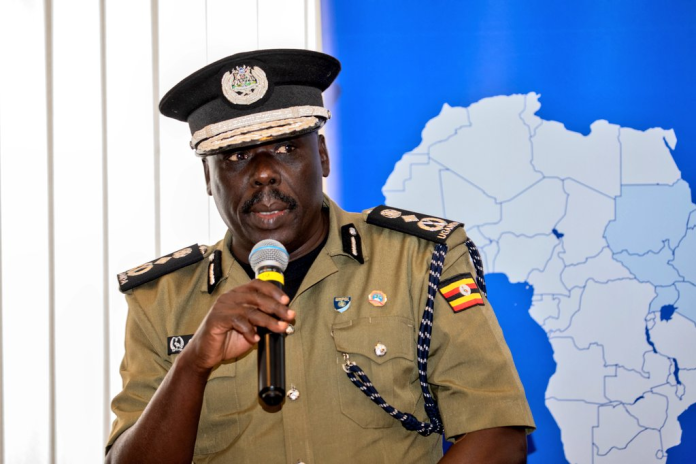
DIGP, James Ocaya.

The Uganda Police Force has unveiled Standard Operating Procedures (SOPs) for crime scene examination in cases of trafficking in persons, with an aim of strengthening investigations and securing justice for victims.

The launch, held at Mestil Hotel in Kampala, was presided over by Deputy Inspector General of Police (DIGP) James Ocaya and brought together key stakeholders in the criminal justice system, including all Regional Forensic Services Scenes of Crime officers.

Assistant Commissioner of Police Andrew Mubirua, the Acting Director of Forensic Services, underscored the centrality of crime scenes in uncovering trafficking networks.

“In every case of trafficking, the crime scene is where the truth begins to emerge. It may be a hidden house, a border crossing, a vehicle, or even a digital environment. Mishandling scenes or losing evidence helps traffickers, harms victims, and undermines justice,” Mubirua said.

He explained that the SOPs were developed by the Uganda Police Force, the Office of the Director of Public Prosecutions (ODPP), and partners to give officers and first responders a clear, practical, and standardised guide to handling trafficking cases.

“Human trafficking survivors often carry deep trauma. By handling crime scenes with professionalism and sensitivity, we shall reduce the need for repeated testimony and minimise re-traumatisation. Evidence, when properly secured, can speak powerfully on their behalf and allow survivors to heal while justice takes its course,” Mubirua added.

Katja Yvonne Kerschbaumer, Head of Austrian Embassy Development Cooperation, noted that securing credible evidence was vital in dismantling trafficking rings.

“To achieve justice, we must also secure high-quality evidence. Human trafficking cases are complex: perpetrators are often organized, crimes are hidden, and victims may be too traumatized or afraid to testify,” she said.

In his address, DIGP Ocaya stressed that the fight against trafficking in persons required professionalism at every stage of the justice chain.

“Combating trafficking in persons requires more than just arrests of the perpetrators — it demands that every step, from the report, prosecution, and adjudication, is handled professionally and with integrity, while observing the rights of the victims. The crime scene is the theatre where this precision begins, and where the truth is secured. If the scene is mishandled—through contamination, procedural error, or oversight—we risk losing irreplaceable evidence, weakening prosecutions, and denying victims justice. This is why today’s launch matters,” Ocaya said.

He emphasised that the SOPs should not remain theoretical documents but must be applied consistently across the country.

“These SOPs are not for the shelves. They are operational tools, and their value will only be realised when they are used consistently and competently across the country. The implementation of these SOPs will significantly improve the quality of investigations, reduce dependence on vulnerable victim testimony, and increase successful prosecutions of traffickers,” he said.

The guidelines call for enhanced capacity building for investigators and prosecutors, as well as community sensitisation to expose the methods traffickers use. They also encourage the use of digital records, financial trails, travel documents, forensic data, and credible witness statements to build strong cases.

Ocaya noted that evidence handling is the foundation of justice in trafficking cases.

“The crime scene is the foundation of truth and precision in any investigation. Mishandling it—whether through contamination, errors, or negligence—means losing vital evidence, weakening prosecutions, and ultimately denying justice to victims,” he said.

Stories Continues after ad

Uganda Airlines boss Bamuturaki dodges COSASE meeting over Auditor General queries

Jenifer Bamuturaki, Uganda Airlines CEO.

Uganda Airlines Chief Executive Officer, Jenifer Bamuturaki, and her team have failed to appear before Parliament’s Committee on Commissions, Statutory Authorities and State Enterprises (COSASE) to answer queries raised in the Auditor General’s 2023/24 report.

COSASE chairperson Medard Lubega Ssegona expressed disappointment at Bamuturaki’s absence, warning that the committee would take stronger measures if the airline’s management failed to appear at the rescheduled meeting on Wednesday.

“We summoned the group through the current accounting officer, who has not shown up. She is the one to account for. And you know, not showing or turning up for scrutiny is a choice. But I also know that choices have consequences. The matter was not limited to spare parts for the aircraft. It is a matter of accountability for the entire budget or the entire sums that were dispersed,” Ssegona said.

The national carrier’s top management had been summoned to account for several issues raised in the audit, including persistent financial losses, legal liabilities, fleet management risks, and slow implementation of parliamentary recommendations. However, they neither showed up nor sent an official communication to the committee.

The Auditor General’s report revealed that Uganda Airlines made a net loss of Shs237.8 billion in the financial year 2023/24, a reduction from Shs323.5 billion the previous year. Despite the improvement, the report warned that the airline remains financially unsustainable, with losses driven largely by high fuel costs, aircraft depreciation, and crew allowances.

The report also highlighted contingent liabilities of $3.16 million (about Shs11.9 billion) from pending court cases linked to contract terminations, unpaid work, negligence claims, and lost baggage. Concerns were further raised about operational risks after Mitsubishi Heavy Industries discontinued spare part production for CRJ-900 aircraft, leaving parts of the fleet vulnerable to grounding. Uganda Airlines also ranked among the worst-performing state enterprises in return on assets, with liquidity ratios falling below acceptable thresholds.

Parliament was equally concerned that only five of 53 planned activities for the year were fully implemented, while 22 activities worth Shs89.8 billion were not implemented at all. Out of 18 recommendations made earlier by the House, only 12 had been fully acted upon.

The airline’s leadership is now under pressure to respond to Parliament’s concerns over accountability and its financial performance, as lawmakers push for answers on the future sustainability of the national carrier.

Stories Continues after ad

Kabira Country Club unveils heated kids’ pool and play castle in bid for five-star status

NEW LOOK: Kabira Kids Swimming Pool.

Kabira Country Club, located in the quiet suburb of Bukoto, has expanded its family-friendly facilities with the introduction of a heated children’s swimming pool and a colourful play castle.

The new amenities are designed to provide a safe and engaging environment for children to play, explore, and remain active, further strengthening Kabira’s reputation as one of Kampala’s top leisure destinations.

These additions complement the club’s existing facilities, which include a half Olympic-size swimming pool, a state-of-the-art gym, tennis and squash courts, basketball courts, and a football pitch. Beyond sports and recreation, the club also offers luxurious accommodations, fine dining, wellness amenities, and modern conference facilities, catering to both leisure and business travellers.

Kabira Country Club is part of the Speke Group of Hotels, a subsidiary of the Ruparelia Group. Over the years, it has built a reputation for quality service and excellence, a record recognised internationally with the Tripadvisor Travellers’ Choice Award for two consecutive years, 2024 and 2025.

In November 2023, the Uganda Tourism Board officially classified Kabira Country Club as a four-star facility. The property is currently undergoing an expansion project aimed at raising it to five-star status. Once completed, the upgraded club is expected to stand as a haven of recreation, relaxation, and luxury in the heart of Kampala.

Kabira has also invited families to try out the newly opened heated kids’ pool, describing it as a warm, safe, and fun environment with modern water features that can be enjoyed all year round.

Stories Continues after ad

UNEB orders schools to display candidates’ registers until October 10

UNEB Executive Secretary, Dan Odongo.

The Uganda National Examinations Board (UNEB) has directed all heads of examination centres across the country to display the 2025 candidates’ registers for public verification until October 10, 2025.

In a press statement issued on August 18, UNEB Executive Secretary, Dan Odongo emphasized that the exercise is a legal requirement under the UNEB Act, Cap 259, and is crucial in preventing cases of unregistered candidates being discovered at the start of examinations.

“The mandatory period of display of registers is from 10th August to 10th October, 2025. As provided for in the UNEB Act, the candidates’ registers should be displayed in a conspicuous place at the school or examination centre where the candidates are registered, and at the district headquarters, respectively,” Mr. Odongo said.

The registers, which contain candidates’ details, must be thoroughly reviewed by heads of centres, parents, and students to confirm accuracy of data including index numbers, names, and dates of birth, gender, subjects registered for and photographs.

“It is the responsibility of Heads of Centres, candidates and parents to critically analyse the registers and confirm the accuracy of the candidates’ biodata… and the subjects and papers registered for in the case of UCE and UACE,” he explained.

Mr. Odongo urged parents whose children study in schools without UNEB centre status to confirm where their learners have been registered.

“This is important to avoid unfortunate scenarios where students are discovered unregistered at the start of the examination period. In the event that a student, who has proof of payment of registration fees is not registered, the parent should contact the school, and if they are not helped, they should report to UNEB immediately for remedial action,” he warned.

To make the verification process easier, UNEB has also introduced an SMS option where parents and candidates can confirm registration status by sending the word Reg followed by the candidate’s full index number to 6600.

In cases where discrepancies are identified in a candidate’s biodata or photograph, UNEB requires schools to promptly communicate and submit correction requests. For Primary Leaving Examinations (PLE), amendment forms are available on the UNEB portal, while UCE and UACE adjustments must be supported by letters with copies of birth certificates or national IDs.

Mr. Odongo further reminded schools to comply with the Personal Data Privacy and Protection Act by ensuring only relevant information is displayed for verification.

The UNEB Executive Director commended schools and stakeholders for successfully completing the registration process and urged them to use this period to guarantee data accuracy.

“Finally, I would like to commend the Candidates, Parents, Heads of Centres, Teachers, District/City and Municipal Inspectors of Schools for successfully participating in the registration process. Let us now use the registers to ensure that the data submitted is accurate. May God bless all your endeavors,” he said.

Stories Continues after ad

Museveni approves Ham Kiggundu’s proposal to redevelop Nakivubo Channel

An artistic impression of Nakivubo Channel that businessman Hamis Kiggundu intends to develop.

President Yoweri Kaguta Museveni has endorsed a grand proposal by businessman Hamis Kiggundu to redevelop, upgrade, beautify, and improve drainage along the Nakivubo Channel, one of Kampala’s most problematic watercourses.

In a letter seen by Eagle Online dated August 2, 2025, addressed to Prime Minister Robinah Nabbanja, Museveni described Kiggundu’s initiative as both “imaginative and simple,” noting that the project would resolve persistent problems of waste disposal and flooding.

“I have got a very good proposal from Ham Kiggundu dated the 25th of July, 2025, regarding the Nakivubo Drainage Channel,” Museveni wrote.

He added, “Ham points out the fact that the channel is open, invites people to throw in rubbish, including plastics, faeces, etc, all of which disgust the people contiguous to the channel, leading to blockages of the channel and flooding.”

According to the President, Kiggundu has offered to carry out the redevelopment at his own cost.

 “His proposal is imaginative and simple. Allow him to cover the channel after cleaning it and strengthening it at his own cost. What a godly proposal!” Museveni remarked.

Museveni further explained how the developer would recoup his investment, directing, “How will he recover his money? Simple. Allow him to build properties above it that will bring back the money. I approve of the plan. Help him to execute.”

The copy of the approval was sent to the Vice President, the Ministers of Kampala, Finance, Education and Sports, Presidency, and the Attorney General, signaling the government’s support for Kiggundu’s ambitious vision.

The Nakivubo Channel, which cuts through the heart of Kampala, has long been associated with poor waste management, flooding during heavy rains, and public health concerns. Kiggundu’s plan to enclose and redevelop the channel is expected to not only resolve drainage challenges but also transform the urban landscape with modern commercial and recreational facilities.

Ham is no stranger to mega infrastructure projects. Through his Ham Enterprises, Kiggundu is already behind the ongoing redevelopment of Nakivubo War Memorial Stadium into a modern multipurpose facility. Eagle Online previously reported that Kiggundu envisions Kampala as a “modern commercial hub” with world-class infrastructure driven by private-sector investment, complementing the government’s urban transformation agenda.

With Museveni’s approval, the project now awaits coordination with relevant ministries and Kampala Capital City Authority (KCCA) for implementation.

Stories Continues after ad

When climate change is ignored: The silent factor in Uganda’s MP attrition

Mr. Deus Mukalazi

Deus Mukalazi

Board Chair, UBUNTALISM GLOBAL, a Member of the MUNGAANO INITIATIVE FOR CLIMATE JUSTICE

The recently concluded National Resistance Movement Organization (NRMO) primaries show that a significant number of NRM incumbents lost their seats. This confirms a long-standing trend of high turnover among Members of Parliament in Uganda. The attrition rate is alarming: only 107 of the 457 legislators from the 10th Parliament (2016–2021) returned in 2021, meaning nearly 70% did not make it back. Historically, about half of all MPs are replaced in each election cycle. One MP described the situation as a brutal reflection of the “commercialisation of politics” and voters’ impatience with underperformance.

This high turnover points to deeper frustrations. A 2024 survey by Twaweza Uganda revealed that 86% of Ugandans reported that their MP has never held a public meeting or delivered on promises. Many constituents feel neglected and betrayed. People expect MPs to support local enterprise, pay school fees, and even contribute to weddings and burials—expectations that exceed the MPs’ actual legislative and oversight roles. When MPs fall short of these expectations, voters swiftly vote them out.

However, a more pressing issue underpins this dissatisfaction: climate change. Uganda’s rural and urban communities are becoming more vulnerable to floods, droughts, erratic rainfall, crop failures, and displacement. According to climate risk projections, between 200,000 and 12 million Ugandans could face displacement due to climate change by mid-century. Deadly mudslides, prolonged dry spells, and flash floods have hit regions across the country, severely affecting communities that rely heavily on agriculture.

MPs are expected to help communities respond and adapt to these climate shocks. Yet they have largely failed. Most have resorted to reacting only after disasters strike—raising the issue in Parliament as a matter of national importance and lobbying for temporary relief. While this may earn temporary political points, it does not address the root causes or offer long-term solutions. Few MPs understand that they can shape a climate-responsive budget and ensure that it incorporates both mitigation and adaptation measures aligned with Uganda’s Nationally Determined Contributions.

Very few MPs hold town halls to discuss climate risks or engage constituents in climate education. Even fewer have succeeded in lobbying for climate adaptation funds—whether for irrigation systems, flood defences, drought-resistant seeds, or emergency support. This lack of proactive engagement and delivery has deepened public resentment.

At the 29th Conference of the Parties (COP29) in late 2024, Ugandan MPs spoke strongly in favour of people-centred climate finance. They called for fast-tracked funding to reach frontline communities instead of being tied up in bureaucratic processes. They also advocated for direct support to farmers, fisherfolk, and women-led groups impacted by climate extremes. Despite their international advocacy, these MPs have delivered little in terms of actual climate resilience in their constituencies.

Parliament passed the Climate Change Act in 2021, a landmark piece of legislation designed to guide Uganda’s response to climate change. However, the Act’s implementation has been sluggish, and many MPs have not taken steps to operationalise it within their constituencies. The Act clearly defines responsibilities for national and sub-national levels, but without awareness and advocacy from MPs, it risks remaining a paper promise.

In March 2025, MPs raised the alarm about an expected rainy season that could result in flooding after a severe heatwave. They urged government action through afforestation, wetland protection, and renewable energy subsidies. However, actual implementation of these proposed interventions remains limited and poorly funded.

This disconnect between climate challenges and parliamentary action is becoming costly for MPs. When MPs don’t facilitate access to water, improved seeds, or climate-smart farming practices, voters hold them accountable. Poor public engagement makes things worse—MPs rarely communicate updates, and extreme weather often strikes without warning or preparation. This deepens distrust and leads to electoral rejection.

Equally damaging is the widespread failure by MPs to make Uganda’s national budget climate responsive. Despite growing threats from climate change, MPs have not ensured sufficient allocations for adaptation and mitigation efforts. Climate-smart agriculture, disaster preparedness, resilient infrastructure, and early warning systems remain severely underfunded. The existence of the Climate Change Act has not been matched by fiscal action. Constituents are increasingly aware of this inaction and are punishing it at the polls.

Even MPs who attend international climate forums, such as COP, often return home unable to unlock local funding or implement the ideas they promote abroad. Donor funds are tied up in red tape, and national processes are too slow and centralised. This undercuts MPs’ credibility and frustrates communities facing mounting climate stress.

What needs to change? First, MPs must re-engage the public. Regular dialogue with constituents to explain climate issues, share plans, and report progress will rebuild trust and clarify expectations. Secondly, MPs must push for full implementation of the Climate Change Act. This includes lobbying for adequate funding, supporting district climate committees, and ensuring every district has a functional Climate Action Plan.

Uganda’s rising MP attrition reflects a deeper crisis of democratic accountability and climate governance. When MPs fail to communicate effectively, mobilise resources, or support grassroots adaptation, they lose relevance—and ultimately, their seats. As climate shocks grow in intensity and frequency, MPs who listen, act, and deliver resilience will earn both moral authority and electoral survival. If Parliament wants to reclaim public confidence, its members must align national policy with the everyday struggles of ordinary Ugandans. Otherwise, electoral turnover will remain the norm—and climate-vulnerable communities will continue to suffer.

Stories Continues after ad

Police caution parents on children’s safety ahead of August school holidays

Police Spokesperson, Kituma Rusoke.

As Uganda prepares for the second term school holidays in August 2025, the Uganda Police Force (UPF) has warned parents and guardians about the rising risks to children during this period.

ACP Rusoke Kituma, Police spokesperson, said that during holidays, children are often sent away from their homes, which increases their vulnerability.

 “We record numerous cases involving violations of children’s rights, accidents, parental negligence, and offenses committed between children,” Kituma said.

Sexual abuse remains one of the most concerning issues during the holidays. According to Kituma, offenders often include guardians, neighbours and village troublemakers around trading centres, relatives, coaches and trainers. “We also encounter cases of sexual activity between children,” he added.

Corporal punishment is another major challenge. “This commonly involves the intentional use of physical force to cause pain or injury to a child. It destabilizes families, particularly because several suspects are breadwinners in their households,” Kituma said.

Many offenders claim ignorance or show remorse only after serious harm has been done.

Child labor and harmful employment continue to pose serious risks. Kituma explained, “The law prohibits employing or engaging children in activities that could harm their health or physical, mental, spiritual, moral, or social development. Harmful work includes exposure to sexual abuse, underground work, dangerous machinery, handling heavy loads, exposure to chemicals, or involvement in illicit activities.”

He warned that some bars exploit children in pornographic performances known locally as “ebimansulo.”

Recruitment of children into criminal activities is also prevalent, particularly by rogue village groups. Neglect remains a serious concern in slum areas, where children are sometimes abandoned at home or locked inside while parents engage in activities such as prostitution.

 “This creates severe risks, including fire-related tragedies, if children are left unattended. We also record cases where parents leave candles burning, endangering the children further,” Kituma noted.

The police have also observed illegal practices by parents who attempt to seek compensation from suspects after their children have been abused, a practice locally known as “sorting” the parent. Kituma stressed that such actions are unlawful.

The Uganda Police Force has urged all parents to remain vigilant and keep emergency contact numbers for the police and local council chairpersons readily available.

“We call upon parents to take proactive measures to safeguard their children during the holidays,” Kituma said.

Stories Continues after ad

Coffee prices recover to expected levels boosting Uganda’s farmers and exports

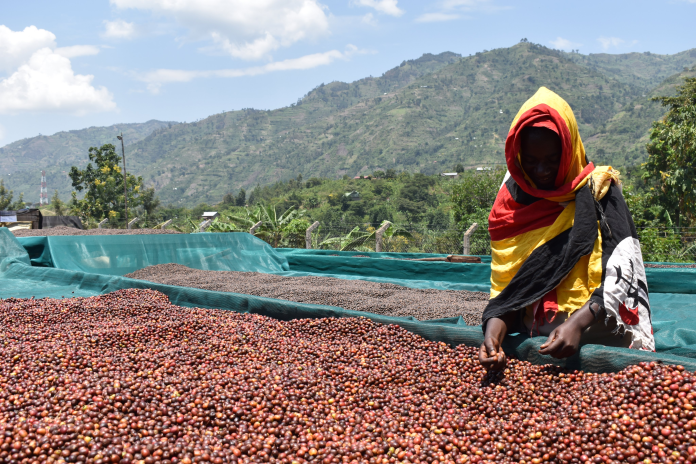
Coffee beans.

The Ministry of Agriculture, Animal Industry and Fisheries has announced the recovery of coffee prices, bringing relief to farmers after months of unstable earnings.

In a statement dated August 18, 2025, the Minister of Agriculture, Animal Industry and Fisheries, Frank K. Tumwebaze confirmed that prices had risen to expected levels, fulfilling earlier predictions that the market would stabilize by mid-August.

“As per today’s coffee market report from our Department of Coffee Development, a kilogram of coffee is selling at between Shs13,000–14,000 (FAQ) and Shs13,500–14,000 (Arabica parchment) per kilo,” Tumwebaze said.

He noted that this trend reflected renewed confidence from international buyers and the resilience of Ugandan farmers, whose quality produce continues to attract demand in global markets.

The Daily Coffee Market Analysis Report of 18th August 2025 showed that Robusta futures for September delivery gained $38, closing at $4,001 per ton on the London market, while Arabica futures for December delivery rose by 6.75 cents, closing at 237.45 cents per pound on the New York market. The gains were attributed to short-covering and reduced exports from Brazil and Vietnam, which gave Uganda’s coffee a stronger competitive edge.

At the local level, the indicative farm-gate prices showed significant improvements. Kiboko (dry cherries) traded at Shs6,700–7,000 per kilo, FAQ (fair average quality) at Shs13,000–14,000, Arabica parchment at Shs13,500–14,000, and Drugar at Shs12,000–12,500. Export statistics also indicated that Uganda shipped 380,167 sixty-kilogram bags in July 2025, up from 345,562 bags in June, reflecting both improved prices and sustained international demand.

Tumwebaze emphasized that quality remains central to Uganda’s coffee competitiveness.

“This reflects our commitment, confidence in Uganda’s quality coffee by international buyers, and farmers’ resilience. I call upon all farmers and actors in the coffee value chain to continue focusing on maintaining high-quality standards at harvesting, drying, and processing,” he said.

He further encouraged farmers to adopt good agricultural practices to increase both productivity and quality, while also urging them to strengthen cooperatives for better bargaining power and to embrace value addition initiatives to cushion themselves against future global price shocks.

The minister reassured farmers that the government remained committed to supporting them. “I urge you all therefore, to maintain the momentum and most importantly to continue adhering to correct practices in production, harvesting, and post-harvest,” he said, adding that coffee would continue to be safeguarded as a strategic export crop and a lifeline for millions of Ugandan households.

Coffee remains Uganda’s leading cash crop and top foreign exchange earner, contributing over 20 percent of export revenues and supporting the livelihoods of more than 1.7 million households across the country.

Stories Continues after ad

Afrigo band pulls off splendid Stanbic-sponsored 50th Anniversary concert despite heavy downpour

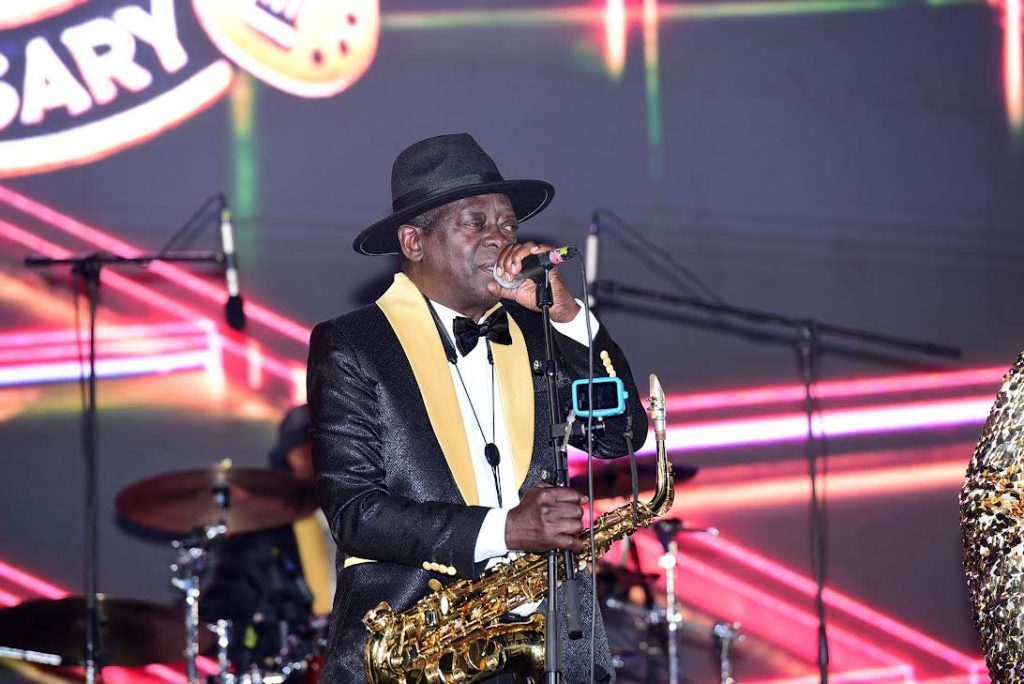
Congolese music legend Kofi Olomide performing.

LUGOGO – Not even a heavy evening downpour could dampen the spirit of celebration as thousands of cross-generational revelers flocked to Lugogo to witness Uganda’s oldest and most celebrated band, Afrigo, mark its golden jubilee in spectacular fashion. The sold-out concert turned into a true testament of music, love, and loyalty as fans braved the rain to celebrate 50 years of Afrigo’s unmatched legacy.

This landmark edition featured Congolese music legend Kofi Olomide, who electrified the stage with his signature Ndombolo dances, driving the crowd into frenzy.

“Celebrating the legacy of Afrigo is something we have yearned for as a country, and it perfectly aligns with our purpose: ‘Uganda is our home, we drive her growth’,” said Lois Kwikiriza, Brand and Marketing Manager at Stanbic Bank Uganda, the event’s main sponsor.

Kwikiriza praised the fans’ resilience: “The rains we witnessed were a blessing in disguise, as they tested our love for Afrigo and Ugandan music. We passed with distinction because sponsors, friends, and supporters all chose Afrigo regardless of the downpour.”

She added: “As Stanbic, we are happy that Ugandans celebrated their very own in a truly Ugandan style. We promise to continue spicing up events like these so that our clients can enjoy good vibes, transact seamlessly, and together propel Uganda’s growth.”

The evening’s official host, Douglas Lwanga of Next Media, wasted no time firing up the soaked but jubilant crowd.

At 8:10 p.m., Abeka Band opened with the Buganda Kingdom anthem, captivating royal loyalists before rolling out timeless Ugandan classics from music legends such as Mesach Semakula, Sweet Kid, Henry Tigan, King Michael, Chance Nalubega, and Betty Mpologoma. By 9:00 p.m., the stage was ready for the main act.

Amid thunderous cheers, Afrigo Band made a grand entrance dressed in elegant black-and-gold outfits. Veterans Moses Matovu, Rachel Magoola, and Joanita Kawalya delivered soul-stirring performances of timeless hits including Batuuse, Jim, Teri Mubi, Emaali, Olumbe Lw’Obwavu, Obangaina, and Nfunda N’omubi. Fans danced and sang along to the sweet live music, enjoying discounted drinks courtesy of Flexipay and Uganda Breweries.

Later, the much-anticipated Kofi Olomide stormed the stage with his energetic Papa Mobimba performance, also featured in his hit collaboration Waa with Diamond Platnumz. He thrilled the crowd with more of his iconic hits, including Senga, Effrakata, and Ekotite. The sight of revelers unleashing their best Ndombolo moves became one of the night’s highlights.

As midnight drew near, the skies lit up with a dazzling five-minute fireworks display, followed by the launch of the Afrigo at 50 Commemorative Book. The ceremony was presided over by Prince David Wassajja, representing the Kabaka of Buganda, alongside Nyombi Thembo, Executive Director of the Uganda Communications Commission.

Delivering the Kabaka’s message, Prince Wassajja said: “The King would have loved to be with you today, but due to unavoidable circumstances, he delegated me to convey his message. He asked me to tell you that he is extremely proud of Afrigo and the enormous contribution you have made to the art and music of our motherland.”

Speaking after the show, Ali Allybai, CEO of Talent Africa Group, reflected on the event’s success: “From day one, I knew that Afrigo at 50 was never going to be just a concert, but a historic celebration of resilience, culture, and timeless music.”

He hailed Ugandans for standing by their own and promised more spectacular shows in the future.

Stories Continues after ad

People tell off Erias Lukwago, give developers chance as Ham takes over Nakivubo Channel

Artistic impression of Nakivubo Channel, which businessman Hamis Kiggundu wants to develop.

Kampala businessman Hamis Kiggundu, popularly known as Ham, has embarked on an ambitious project to redevelop the Nakivubo Channel, the city’s most notorious drainage stretch that has for decades been a source of floods, pollution, and insecurity.

Ham, through his company Ham Enterprises, has sealed off parts of Nakivubo Channel to construct modern infrastructure as part of the Nakivubo Stadium redevelopment, a project approved by the Kampala Capital City Authority (KCCA). He insists the upgrade is both a national duty and a legacy investment.

“Nakivubo Channel has been a source of floods, insecurity, and loss of life for too long. This redevelopment is about giving Kampala a clean, safe, and modern drainage system. It’s a responsibility we owe our people, and a statement that Uganda is ready for the future,” Ham said.

The project, partly guided by CAF and CHAN inspection teams, is expected to transform Kampala’s most problematic drainage system into an eco-friendly urban corridor, complete with underground flood-control chambers, solid waste filtration, pedestrian walkways, and green spaces. Officials from CAF have already commended the works, noting their importance ahead of Uganda’s hosting of the 2027 Africa Cup of Nations (AFCON).

Lord Mayor Erias Lukwago lamented that the initiative was fraudulent, accusing Ham Enterprises of ‘grabbing’ public property and encroaching on a vital drainage channel.

“It is unacceptable for someone like Hamis Kiggundu to step in and claim to develop Nakivubo Channel on our behalf as KCCA, without any approved plans, and in the name of charity. What he is doing is illegal. If his intentions are genuine and lawful, why doesn’t he present his proposal openly and transparently?” Lukwago said.

But his criticism has sparked backlash from city dwellers, traders, and analysts who argue that political fights are stifling meaningful development.

Gabito Thomas Okurut, a resident, said politicians are only “whining” instead of embracing progress.

“What was the open channel helping them with, other than harboring thieves? All those trenches should be developed. We don’t see open trenches in developed countries,” he remarked.

Another city trader added that the redevelopment would bring order and safety to the central business district:

“I don’t see any issues provided he has properly designed for sufficient storm water flow. With proper engineering, this will even stop theft around the area,” he said.

Others argued that opposition to the project ignores the bigger picture, including the economic opportunities lost when Kampala missed hosting parts of CHAN due to structural weaknesses.

“The larger ecosystem of Kampala service providers has missed out on millions in accommodation, transport, food, and trade because of political fights and ego showboating. If you’re tangibly concerned about Kampala, you should be sharing those deficits instead of fighting development,” said one commentator.

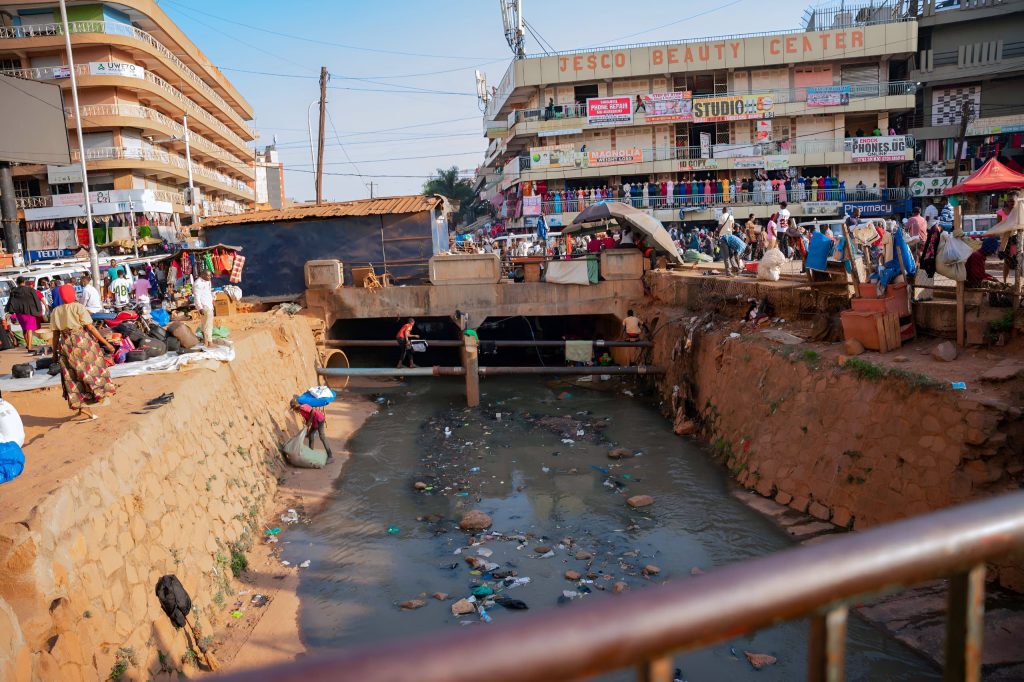
Current Nakivubo Channel

A Long-Standing Problem

For decades, Nakivubo Channel has been synonymous with flooding, pollution, and safety hazards in Kampala’s heart. The new development, estimated at billions of shillings, is intended to mitigate these risks while modernizing the city’s infrastructure.

Experts say Lukwago’s resistance is misplaced. “His focus on one developer overlooks widespread encroachment elsewhere, like at Garden City and Hotel Africana. Nakivubo’s redevelopment is a step towards sustainable planning,” one urban planner observed.

As the project advances, it has been hailed as a model of self-driven development, relying on local investment rather than foreign aid. Supporters argue it will position Kampala as a smart city, boost tourism, and create new business opportunities.

Despite the political side, Ham’s backers insist that the redevelopment of Nakivubo is not just about concrete and steel, but about transforming one of Kampala’s biggest urban liabilities into a lifeline.

Stories Continues after ad