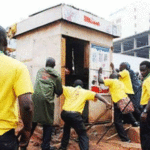
The government has announced the resumption of nationwide enforcement of the controversial trade order, following a Cabinet resolution reached on Monday, April 27, 2026.
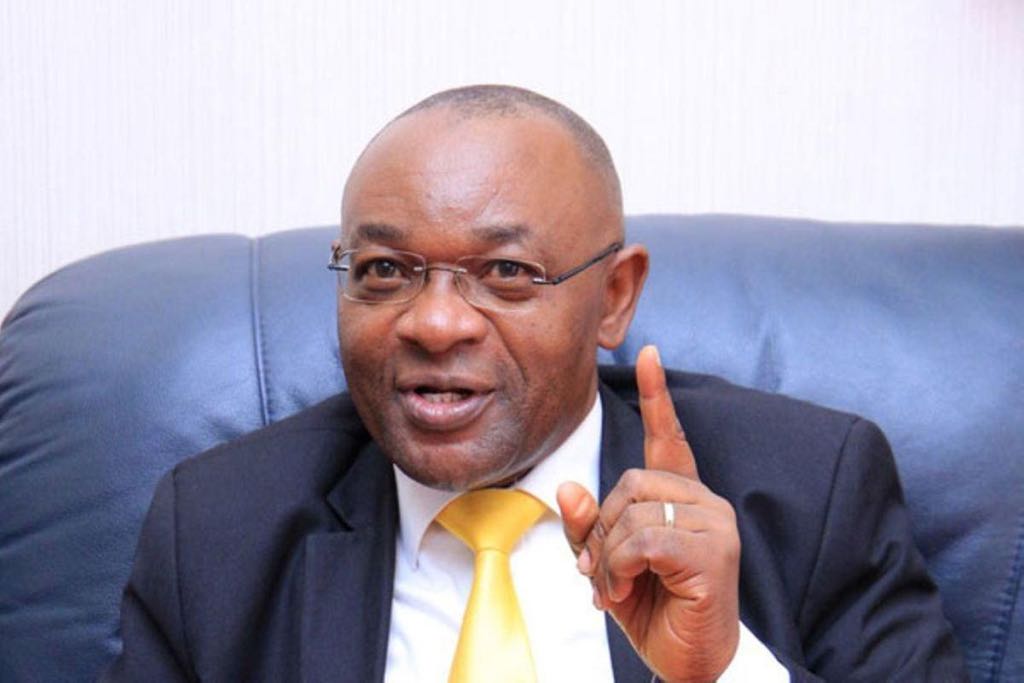
The Minister of Local Government, Raphael Magyezi confirmed the decision, saying Cabinet had reviewed the earlier suspension and agreed that implementation should proceed as initially planned.

“I’m here to inform you that Cabinet, at its sitting yesterday, the 27th of April 2026, agreed and resolved that the implementation of the trade order should continue as earlier planned,” Magyezi said.
He explained that the temporary halt had been necessitated by consultations with key stakeholders, including religious leaders and traders, who had raised concerns about the manner in which the directive was being enforced.
“Previously, in Parliament, we informed the House that we had suspended the trade order. That was because we had a meeting with some petitioners, including the leadership of Born Again and Pentecostal Churches in Uganda, as well as the Federation of Uganda Traders Association,” he said.

According to the minister, one of the key outcomes of those engagements was a decision to temporarily suspend the demolition of places of worship to give affected institutions time to comply with regulatory requirements.
“They asked for a little more time, and we agreed that specifically the demolition of churches be suspended to allow them improve their structures and get their building plans approved,” Magyezi added.
The latest development comes just days after the government had announced the suspension of the same enforcement exercise following widespread criticism from traders, religious leaders and civil society groups.
The State Minister for Trade, David Bahati had earlier last week said the pause was intended to pave the way for broader consultations and a more refined implementation strategy.
“We are going to continue the consultations to see how best the objective of this exercise can be achieved, and we’ll ensure that nobody is hurt, nobody is abused,” Bahati said at the time.
He emphasised that the overarching goal of the policy is to restore order in urban trading spaces, but cautioned that enforcement must be handled carefully.
“The intention of this is to bring order, and order must be brought in an orderly manner without interfering with people’s lives and livelihoods,” he noted.
Bahati also apologised to religious leaders over the conduct of some enforcement teams, acknowledging concerns about how the operation had been executed on the ground.
“We shall ensure that professional people are used to do any government work so that there is peace,” he said.
The trade order is the government initiative aimed at reorganising urban commerce by relocating vendors from streets and informal settings into designated markets and gazetted trading areas. The policy is critical for decongesting cities, improving sanitation and enhancing safety.
However, its enforcement has sparked alarm across several urban centres, with small-scale traders reporting abrupt evictions, loss of merchandise and limited access to affordable trading spaces.
Members of Parliament also raised concerns over the impact of the operation, with some legislators questioning the lack of prior communication and the alleged heavy-handed approach by enforcement teams.
The government has since pledged continued engagement with stakeholders, including traders and religious institutions, as it moves forward with the resumed enforcement under a more structured and consultative framework.